Hiking through Australia’s terrain isn’t something you can plan your way out of entirely. Preparation, research, and the right gear all matter, but they only cover what you expected to happen. Once something goes differently, weather turns, you lose the trail, someone gets hurt, an animal shows up where it shouldn’t, what gets you through from there is whether you can adapt with what you’ve actually got. That’s what improvisation means on a hike: the ability to think on your feet and adjust when a plan stops matching reality, and it affects your safety, your decision-making, and how the hike actually goes for you.
Unexpected Weather Conditions
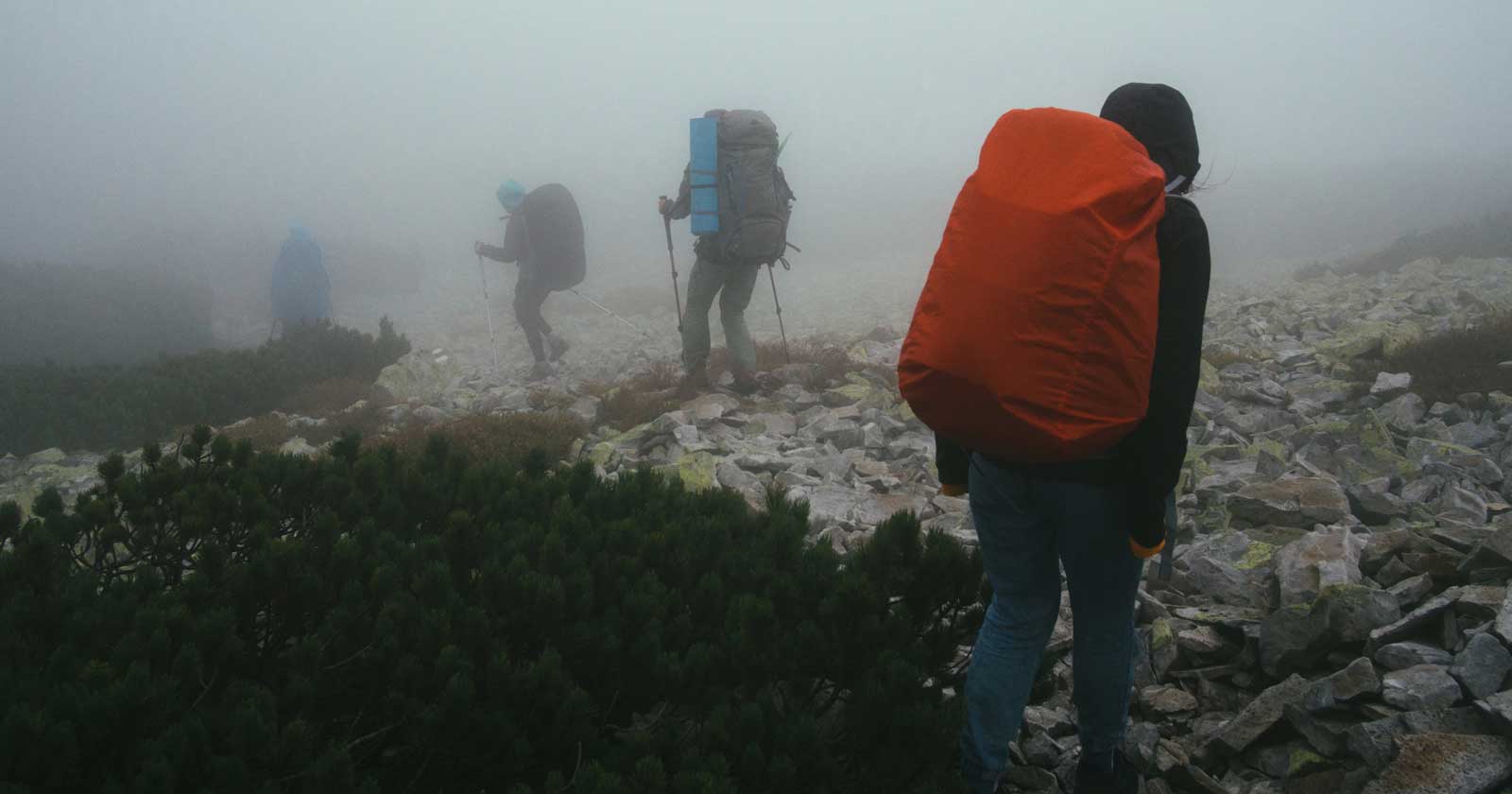
Australia’s weather can be unpredictable, especially in remote areas where weather forecasts might not be as reliable or timely. The sky may turn from clear and sunny to stormy and overcast, or temperatures may plummet unexpectedly. If you’re caught in a downpour, you may need to build an emergency shelter using what you have at hand, like a tarp, a rain poncho, or natural elements such as large leaves or fallen branches, so you can stay warm, dry and safe until it passes. A storm or strong wind can also block the trail itself, leaving you no choice but to find a different route or shelter, which is where being able to assess your surroundings and think through alternative paths or exit points helps you avoid dangerous conditions.
Navigational Challenges
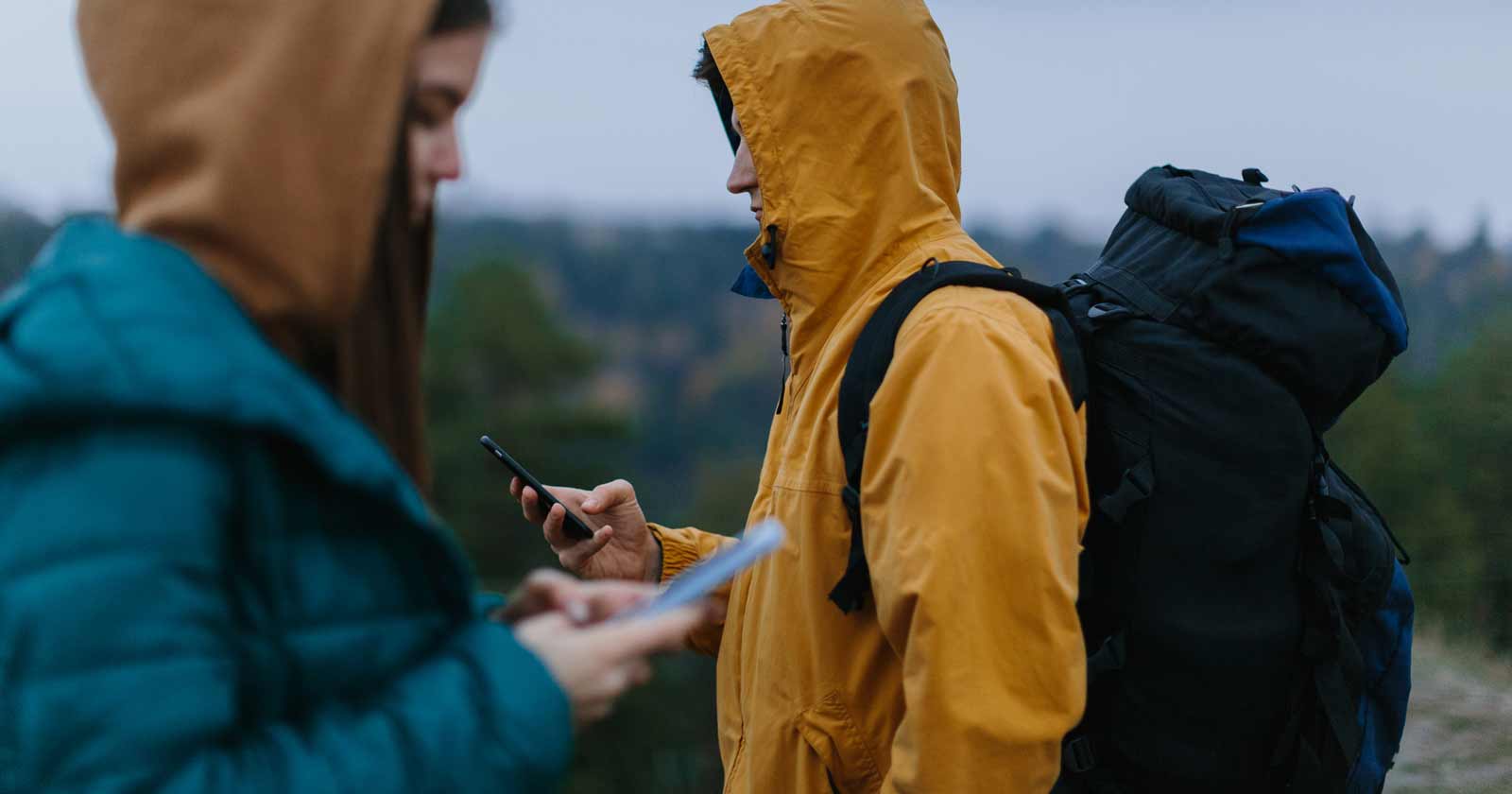
Even with the best maps, compasses, and GPS devices, there’s always the possibility of losing your way, because the terrain might change or throw up obstacles you hadn’t anticipated, and technology, while helpful, isn’t always foolproof, especially in remote or dense areas. If you find yourself disoriented, the same instinct applies: use your immediate surroundings, distinctive trees, rock formations, the direction of the sun, to recalibrate and reorient yourself, because the ability to identify and make use of natural markers is sometimes more reliable than relying solely on a device. If your planned route becomes impassable, that’s when improvising lets you make an on-the-spot decision, like taking a detour or retracing your steps to find a safer passage.
Injuries and Medical Emergencies
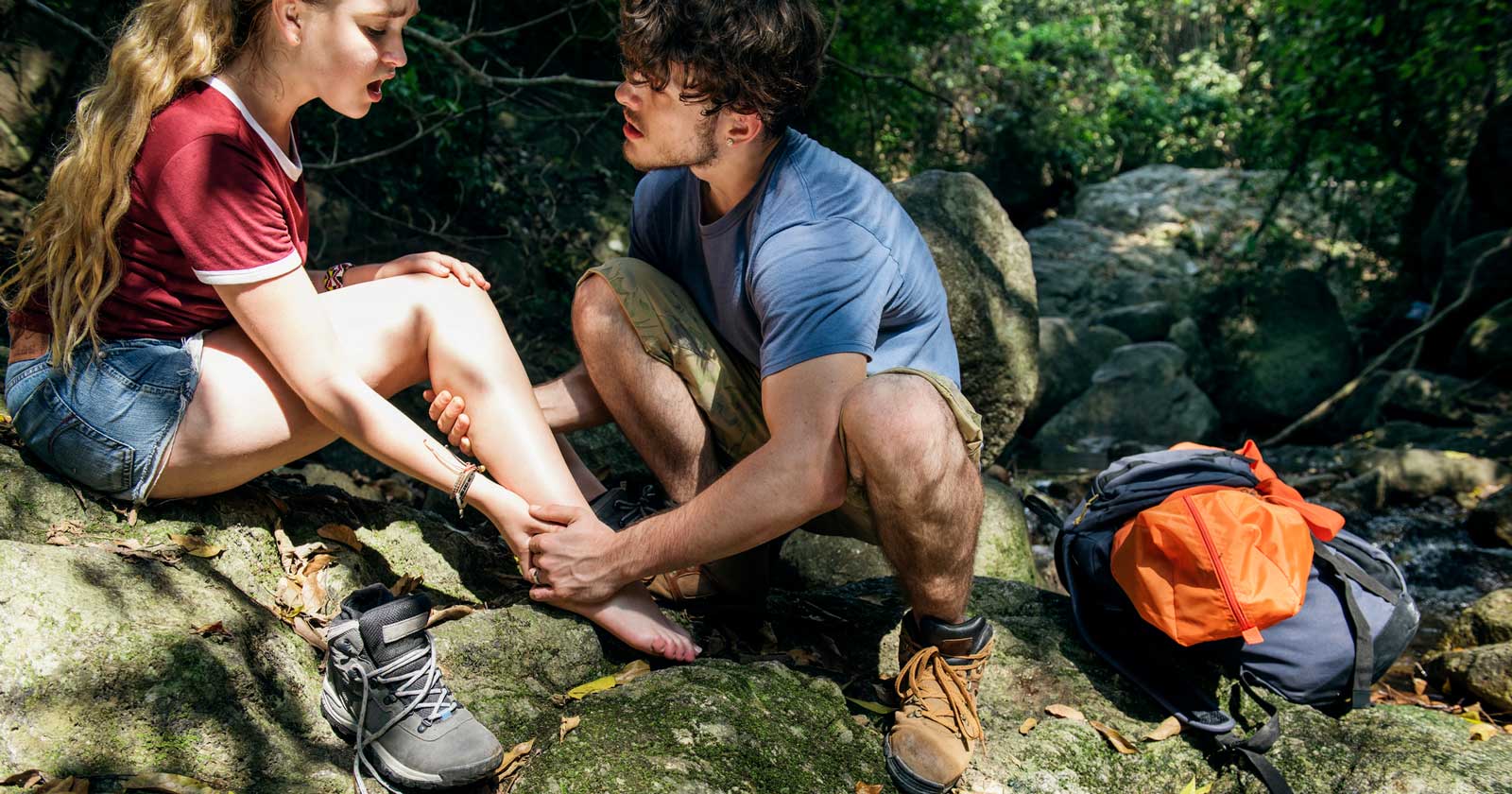
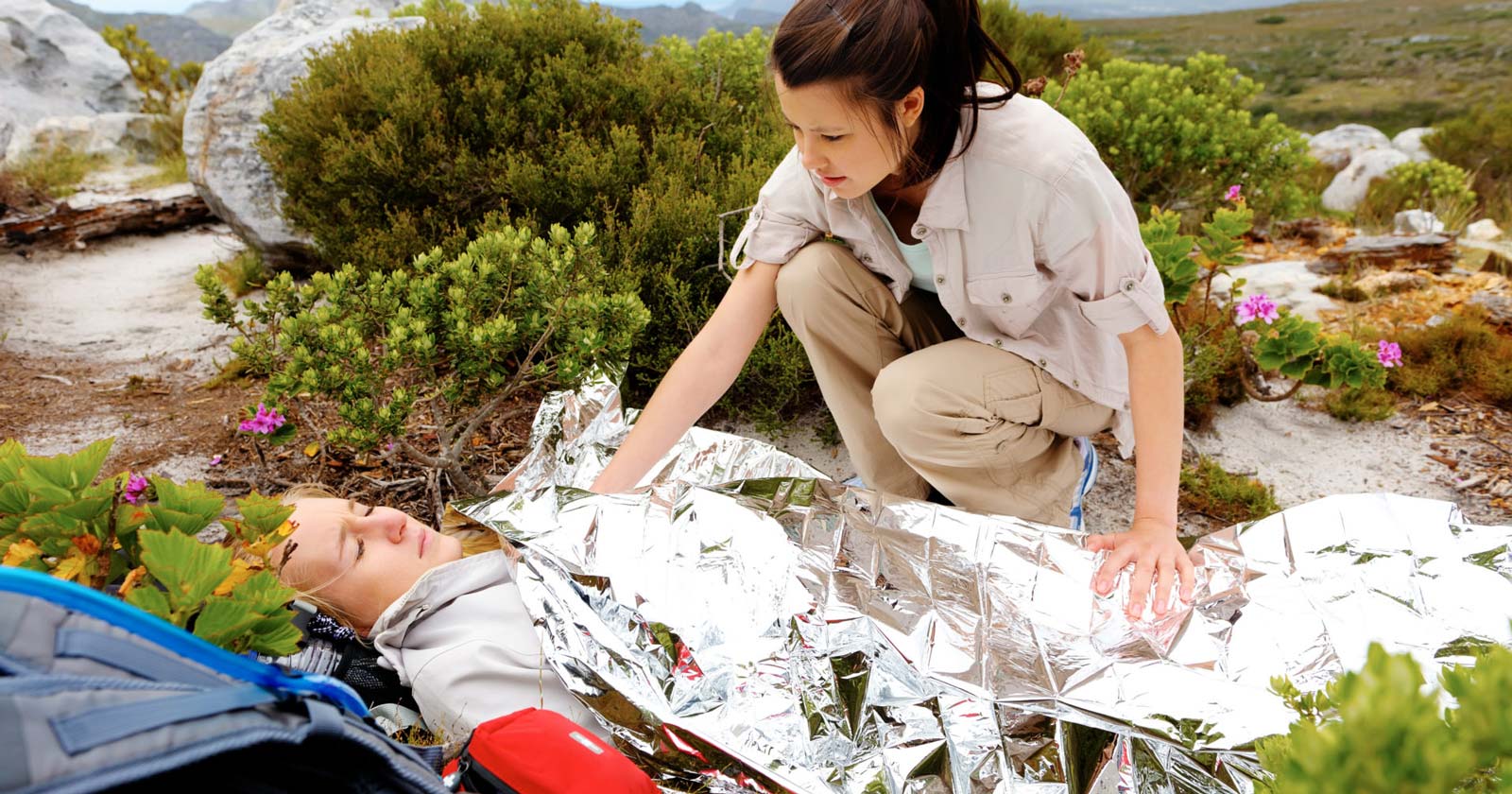
The same logic holds for injuries. While hiking, you may encounter a range of problems, sprained ankles, cuts, insect bites, or more serious issues like dehydration or heatstroke, and even if you’re well-prepared with a first-aid kit, injuries don’t always happen conveniently near your pack, and medical help may be far away. That’s when improvising the treatment itself becomes necessary: a bandage could be made from a piece of cloth or a torn shirt, trekking poles can be used to stabilise an injured leg, or you might apply pressure with your gear to stop bleeding. The same applies if you run out of water or energy supplies, you might need to look for water sources in unexpected places, like fresh streams or rainwater puddles, and in case of an energy dip, that could mean rationing your snacks or creating makeshift energy sources from what’s available.
Wildlife Encounters
Australia’s wilderness is home to a diverse range of wildlife, some of which can pose risks to hikers, and an encounter with a snake, a spider, or a larger animal can be unsettling and calls for the same quick thinking. Using a stick to create distance, or making loud noises to scare an animal off, while staying calm and flexible enough to assess the situation, is what lets you make the safest decision. Sometimes that means improvising a way to safely remove yourself from the vicinity of dangerous animals altogether, especially when the trail isn’t easily accessible or is blocked.
Food and Water Shortages
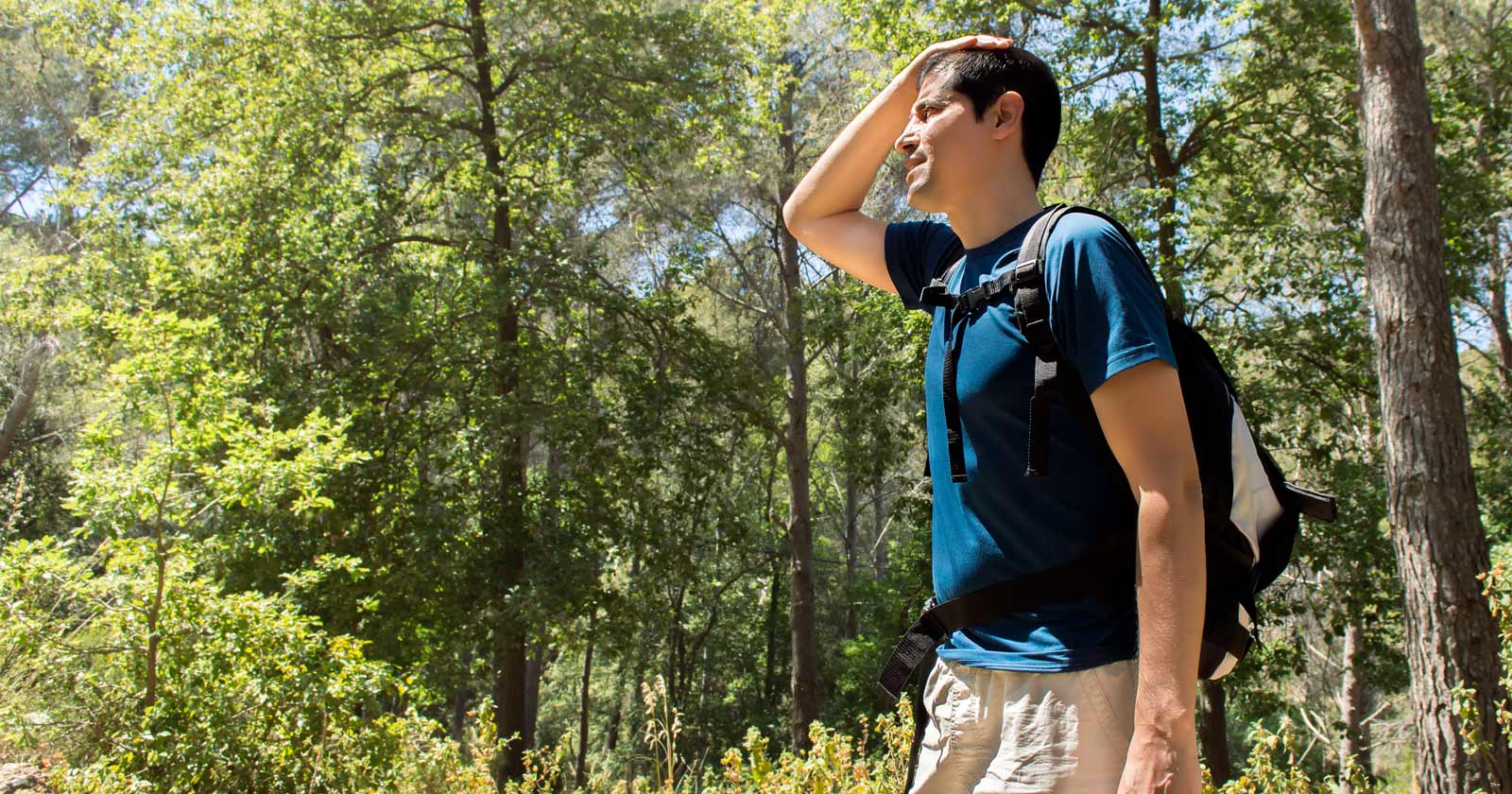
Although most hikers carry enough food and water for their journey, circumstances can sometimes lead to unexpected shortages, whether that’s miscalculating the amount of water needed or an emergency situation preventing you from reaching your planned water sources. If you run low on water, that means purifying available water sources using improvised filters like cloth or charcoal, or even boiling water to ensure it’s safe to drink. If your food supply runs out early or becomes contaminated, improvising with foraged items or altering your planned meals can provide a vital backup, which is why knowledge of edible plants and survival food sources is invaluable in these situations.
Psychological Challenges
None of this is only physical. Long hikes, especially in isolated areas, can also take a psychological toll: anxiety, loneliness, or stress can set in when things aren’t going as planned, and mental fatigue matters just as much as physical fatigue in keeping a hike safe and enjoyable. Improvising here means adjusting your mindset when things aren’t going according to plan, so if you find yourself mentally exhausted, that might mean taking breaks, practising mindfulness, or adjusting your goals for the day to keep your morale up. In group hikes, it also means improvising how you communicate with your hiking partners, because encouraging open, supportive conversation is what helps manage stress and maintain positive group dynamics.
Improvised Tools and Gear Fixes
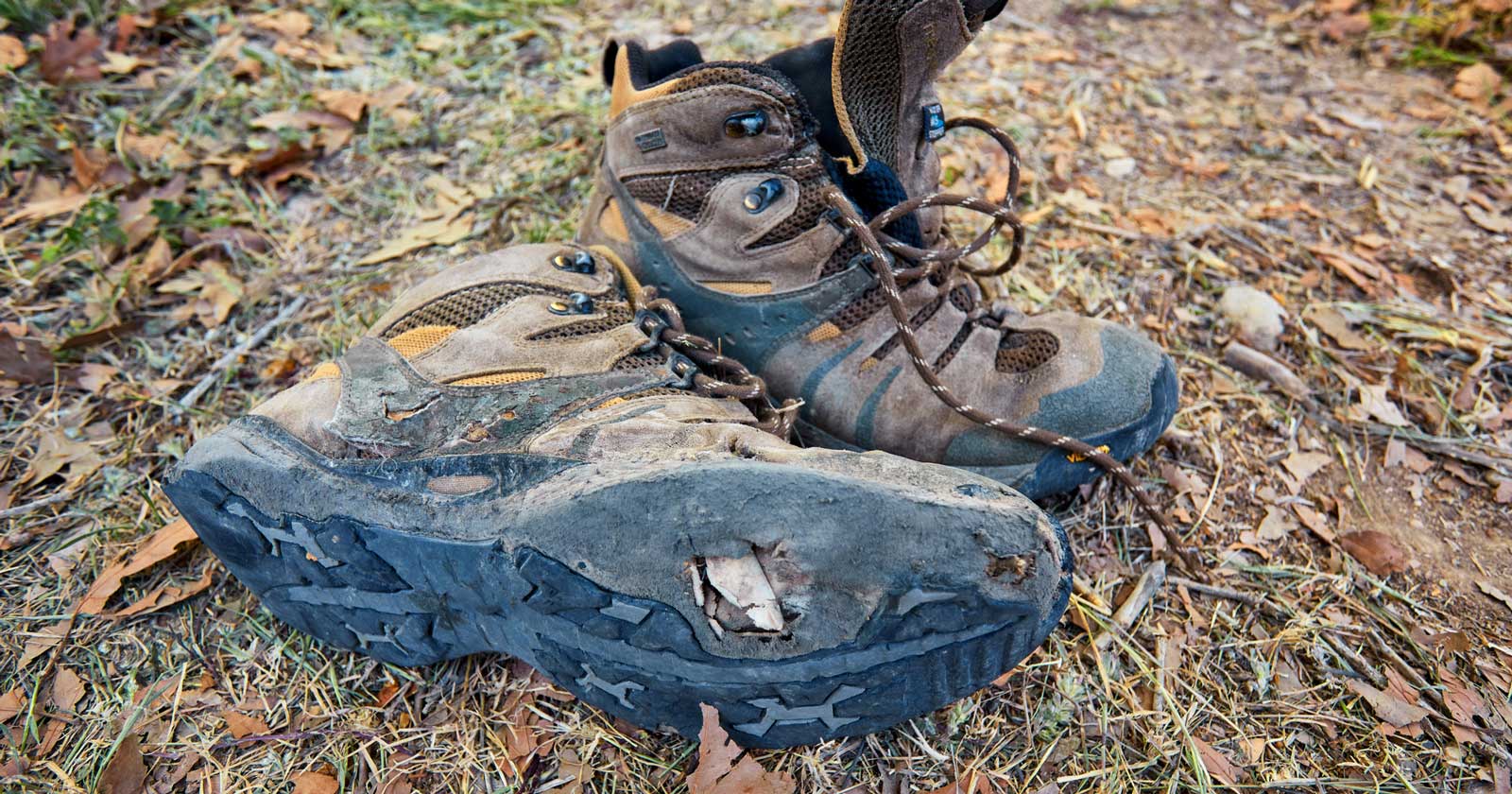
Gear fails too, and when it does, you won’t always have a replacement on hand. Whether it’s a torn tent, a broken strap on your backpack, or a malfunctioning stove, improvisation is what gets you moving again. Using available materials, such as duct tape, string, or even tree sap, you can often repair or repurpose gear to continue your hike, and being resourceful about repairs on the go is what keeps you prepared rather than stuck. Sometimes that means using your gear in ways it wasn’t intended for: a jacket used as a makeshift rain cover, or spare rope fashioned into a sling to carry an injured hiker.
Final thoughts
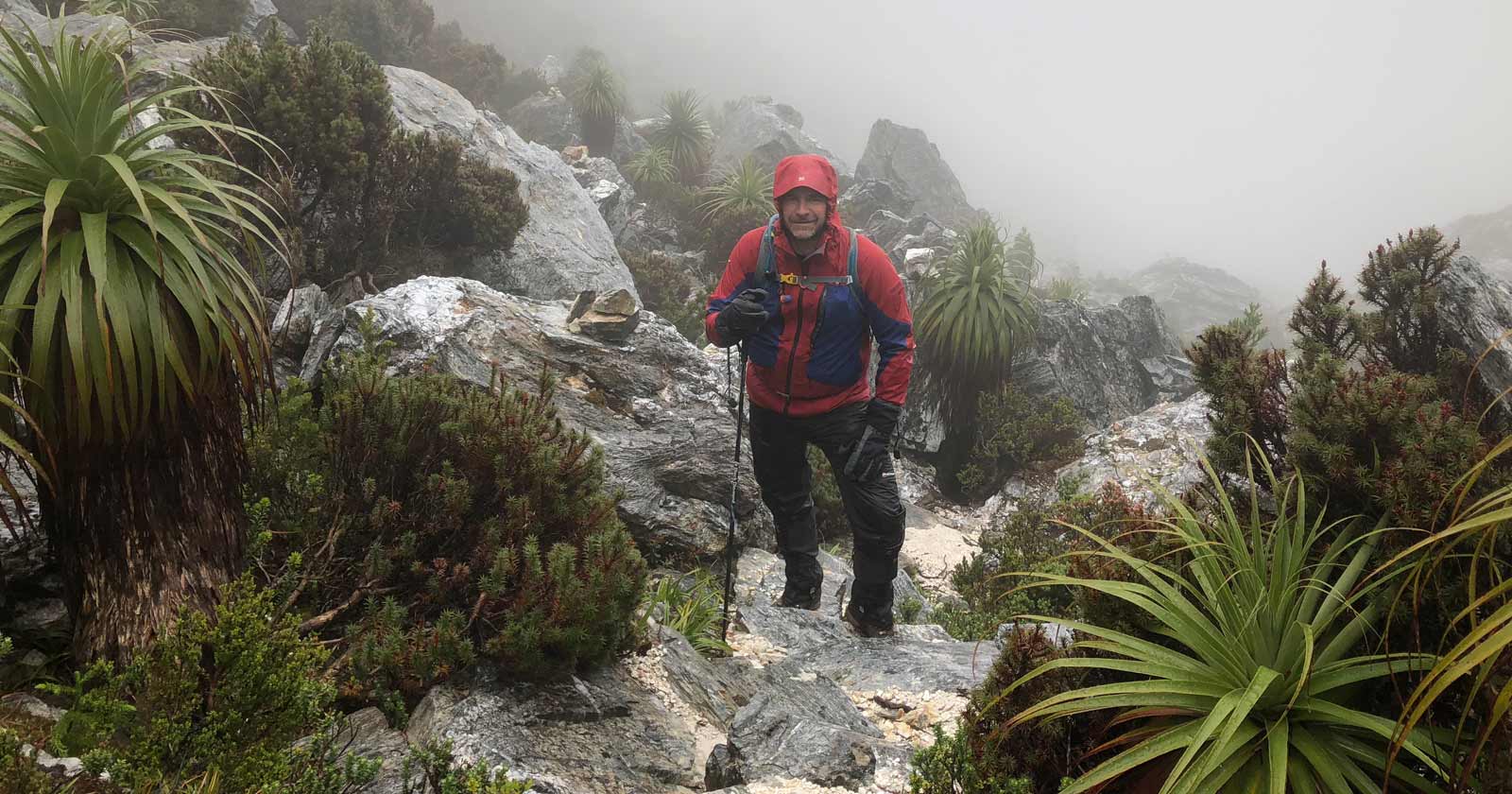
What ties all of this together is that none of these situations, the weather, the terrain, your own body, the wildlife, your food and water, your state of mind, or your gear, are things you can fully plan your way around ahead of time. Preparation still matters, because it’s what gives you the tarp, the first-aid kit, the maps, and the knowledge you end up improvising from. But once something changes from what you expected, it’s the ability to think on your feet, assess what you’ve actually got, and adapt with it that decides whether the situation stays a minor setback or turns into something dangerous.
Explore related guides
- Observation as a Core Hiking Skill
- What to Do if You Are Injured on a Hike
- Benefits of Wilderness First Aid Training
- A Practical Guide to Survival Priorities
- Weather Guide for Hiking and Other Outdoor Activities
- How to Build a Survival Shelter
- PLBs: Safety Nets, Not Shortcuts
- Understanding Topographic Features
- How to Find Water




What’s one improvised solution you’ve had to use on the trail when things didn’t go as planned?
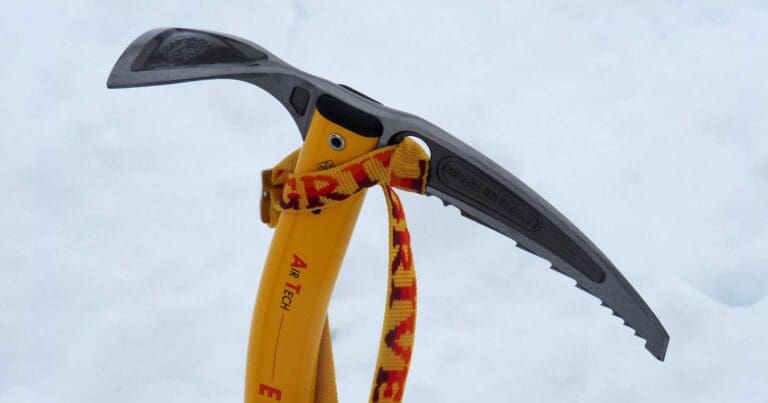
Using a climbing sling to replace/repair a failed pack harness on a snow hike
Media: https://www.facebook.com/photo.php?fbid=10232310274755484&set=p.10232310274755484&type=3
Darren Robertson very innovative. The pic cracked me up though.