THINK Before You Hike
A pre-departure safety framework for Australian conditions
Every hiking incident begins with a decision made before leaving home: the route you choose, the gear you pack, how you read the weather, what you assume about your fitness, and whether anyone actually knows your plan. Those decisions compound, so when conditions deteriorate on the trail, it’s the margin you built at home that decides what happens next.
THINK is a five-part framework for that pre-departure thinking. Worked through properly, rather than skimmed as a checklist, it strengthens your safety system before you’ve taken a single step.
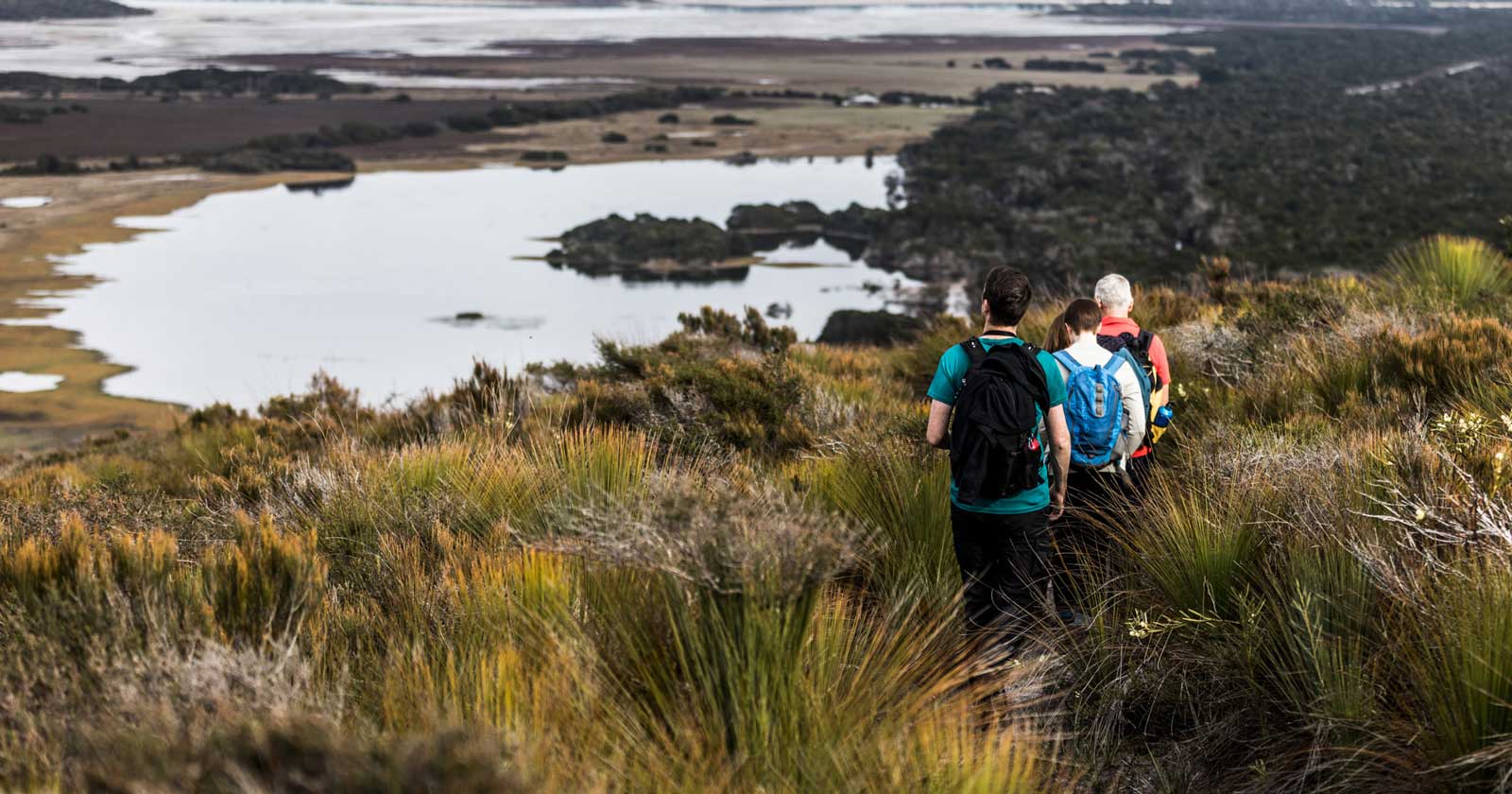
T = Trail
Is this trail appropriate for my capability and current conditions?
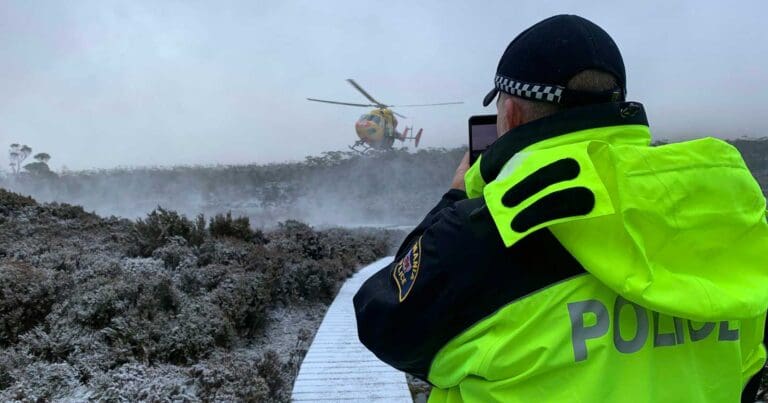
The trail you choose determines your exposure to terrain, weather, remoteness and consequence. Steep gradients, loose surfaces, river crossings and alpine conditions change the level of risk long before you start walking.
Be realistic about your fitness, recent experience and terrain familiarity, because a Grade 3 coastal walk is not equivalent to a Grade 3 alpine route in winter. Environmental context matters, and trail choice is the first risk filter: get this wrong and every decision that follows becomes reactive rather than controlled.
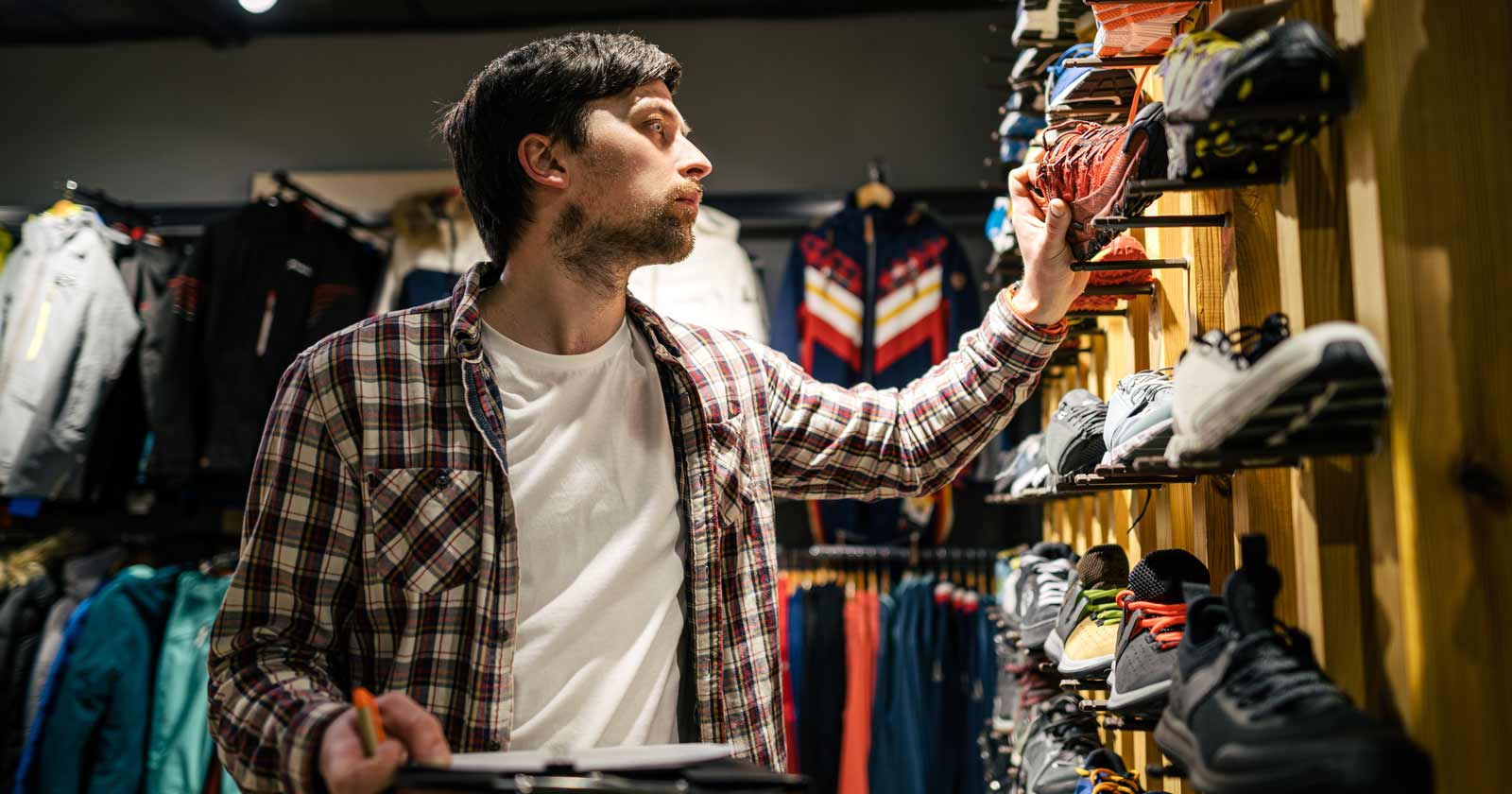
H = Hiking Gear
Does my gear match the objective and conditions?
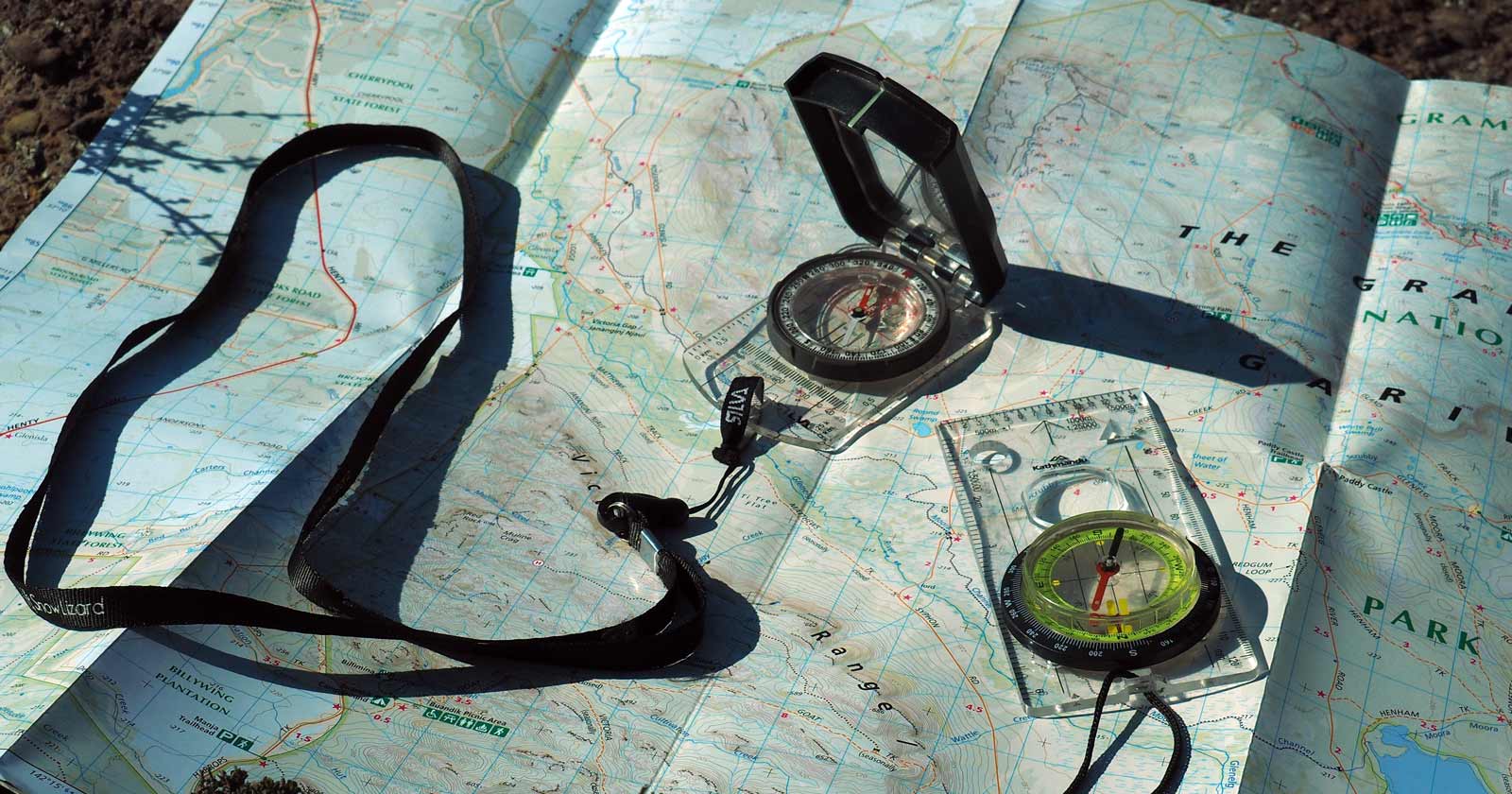
Gear isn’t really about comfort or appearance, it defines your capability: footwear affects your stability and injury risk, clothing determines your thermal control and weather protection, and navigation tools decide whether you stay found once visibility drops.
Don’t rely on a single navigation device, don’t assume your phone battery will last, and don’t assume the forecast will hold.
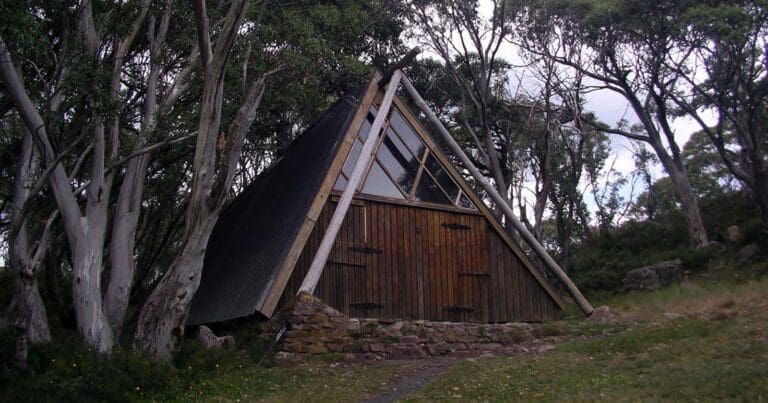
Your gear system should allow you to remain mobile, dry, oriented and capable if conditions deteriorate. If it can’t, reassess the objective.
I = Itinerary
Does someone know where I am going and when I will return?
An itinerary is part of your rescue system, it gives searchers a starting point if you fail to return.
Research your route, understand the distances, elevation gain, terrain features and known hazards, check official sources for closures and alerts, and use all of that to set a realistic turnaround time.
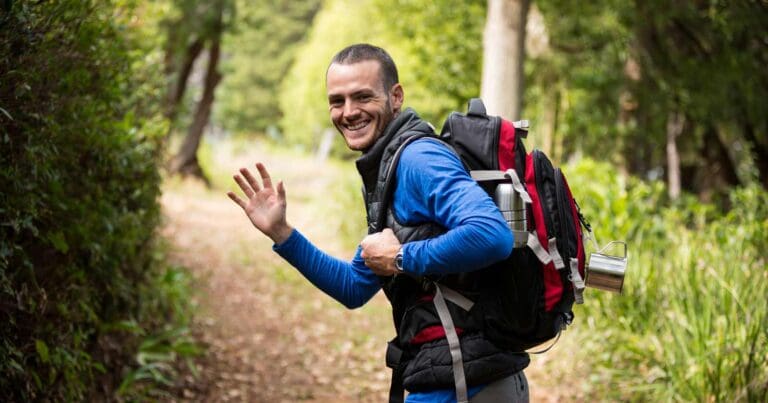
Most importantly, tell someone your plan and expected return time: without that information, search efforts get delayed and expanded unnecessarily, which is exactly why communication is part of responsible hiking rather than an optional extra.
N = Need
Do I have what I need to manage delay, injury or exposure?
This is about building in a buffer for when things take longer or go wrong than planned.
Carry enough food and water to cover a delay, insulation for the coldest credible scenario rather than just the forecast high, and lighting even if you expect to finish well before dark.
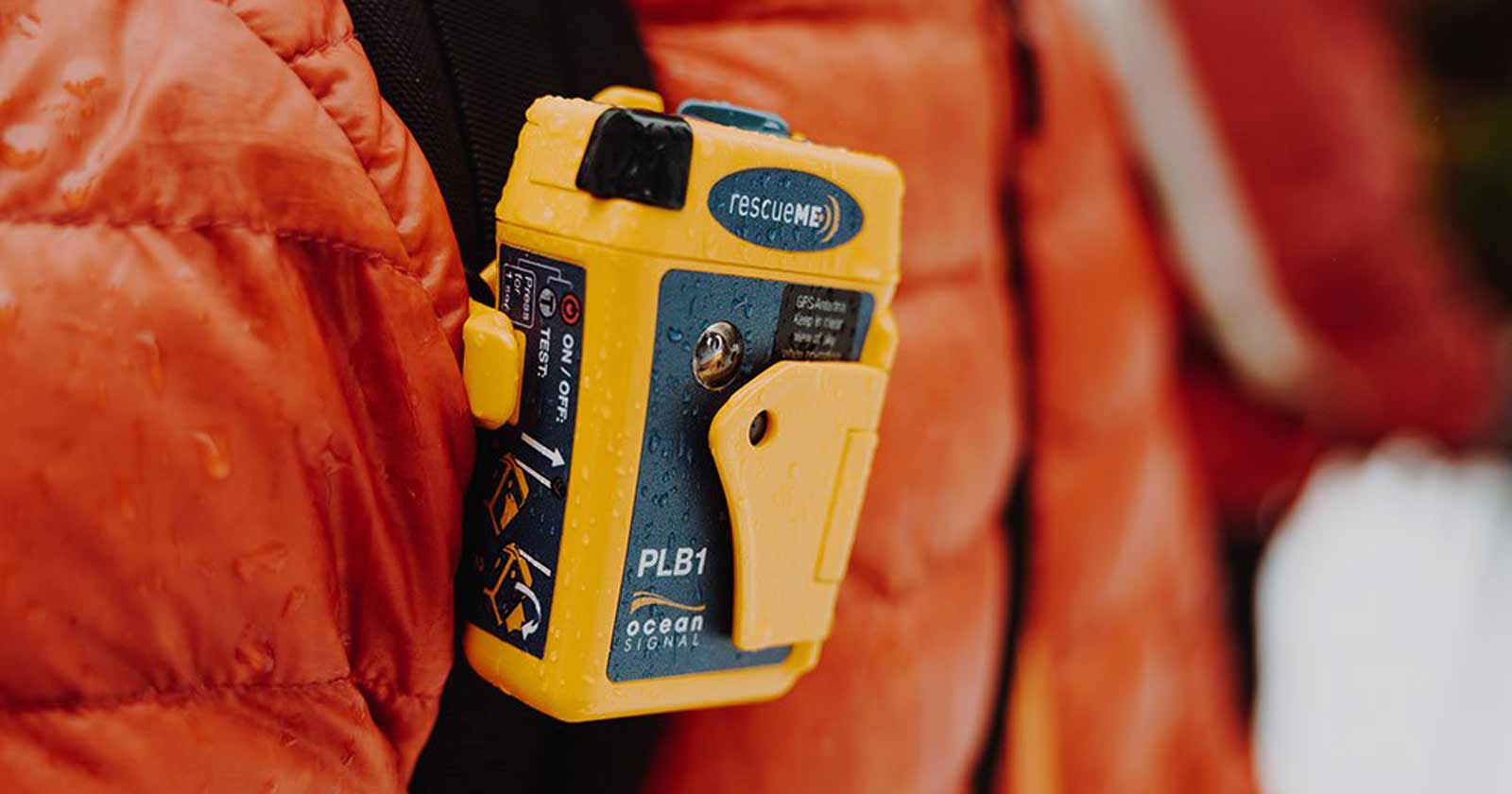
In remote or alpine areas, carry a Personal Locator Beacon. It won’t prevent an incident, but it reduces the time between the incident happening and rescue arriving.
NEED is about redundancy, it protects your margin when plans unravel.
K = Knowledge
Do I understand the environment and its hazards?
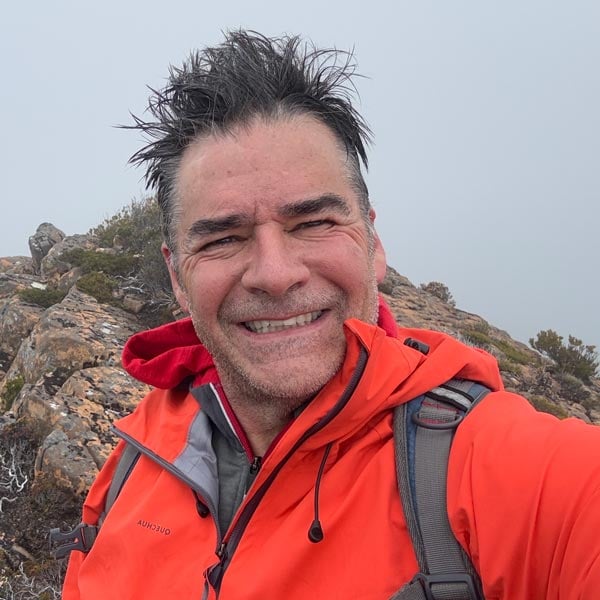
Knowledge reduces preventable exposure: understanding how quickly weather can change, particularly in alpine and coastal systems, understanding terrain-specific risks such as rockfall, river crossings, snow cover or heat stress, and understanding your own limitations under load and fatigue.
Incidents rarely result from a single failure, they emerge from layered assumptions, and knowledge is what challenges those assumptions before they compound.
THINK as a system
None of this works if you treat THINK as something to skim through in the carpark before you start walking. Trail, gear, itinerary, need and knowledge only strengthen your safety system when you actually think through each one rather than ticking it off: what the trail exposes you to, what your gear lets you do, how your itinerary gets you found if something goes wrong, what margin you’re carrying for delay or injury, and how well you actually understand the ground and conditions ahead of you.
Applied properly, that’s what shifts hiking from reacting to problems as they happen to managing risk before it becomes one. In Australian conditions, where weather and terrain can change faster than people expect, that level of preparation is simply what responsible hiking requires before you leave home.