Choosing practical gear that supports safety and decision making
Family hiking gear doesn’t need to be expensive or specialised, but it does need to be appropriate, and that’s the line I see a lot of parents miss in either direction. The right gear supports safety, comfort, and good decisions on the trail. The wrong gear just adds weight, complexity, or false confidence without actually improving anything.
I want to focus on what genuinely matters when you’re hiking with kids and what you can safely leave out. My aim here is practical, conservative choices, not talking you into more equipment than the walk actually calls for.
Footwear should suit terrain, not marketing claims
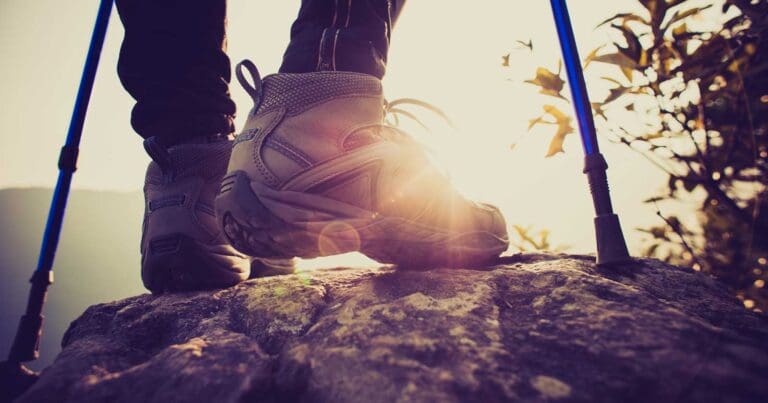
Kids don’t automatically need hiking boots, and I think this is one of the more overstated gear “rules” out there. On well-formed tracks, comfortable runners or trail shoes with good grip are usually plenty.
Boots earn their place when:
- terrain is rough or uneven
- there’s prolonged mud, scree, or rocky ground
- ankle stability is genuinely needed
Poorly fitting or overly stiff footwear causes more problems than it solves, in my experience. Comfort and traction matter far more than height or brand, and I wouldn’t buy boots for a kid just because that’s what “proper” hikers wear.
Clothing and layers matter more than footwear
Kids regulate temperature less effectively than adults do, so I’d put more thought into layering than into footwear.
Prioritise:
- a warm insulating layer
- a windproof or waterproof outer layer
- sun protection appropriate to conditions
I’d avoid cotton in cooler or wet conditions, because it holds moisture and increases heat loss right when you don’t want that happening. Spare layers aren’t optional when you’re hiking with kids. I think of them as a safety buffer, not an extra.
Packs and load sharing
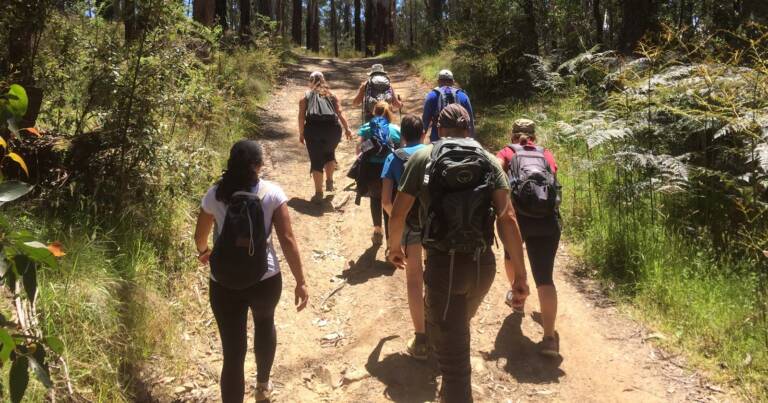
Kids can carry small packs, but the load has to stay light and appropriate to their age and strength. A child’s pack should never affect their balance or posture, full stop.
Adults should carry:
- extra food and water
- spare clothing
- navigation and safety items
I see load sharing as being about building involvement, not shifting responsibility onto a kid who can’t actually carry it.
Food and water are safety items
Snacks and water aren’t just about comfort to me, they directly affect a kid’s concentration, coordination, and mood.
Carry more than you think you’ll need, and offer food and drinks regularly rather than waiting for complaints, because by the time a kid complains, dehydration and low energy are usually already increasing the risk of trips, poor decisions, and emotional meltdowns.
Navigation and communication basics
Even on familiar walks, I’d carry basic navigation tools like a map or an offline mapping app. Phones shouldn’t be your sole navigation method unless you’re genuinely confident in battery life and coverage.
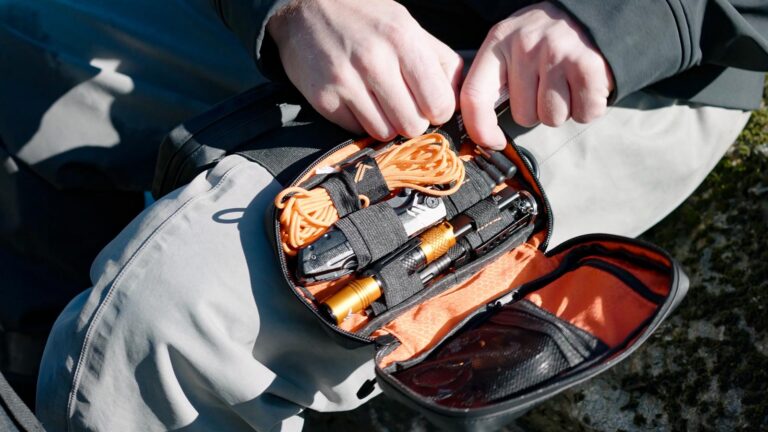
For longer or more remote hikes, I’d add:
- a Personal Locator Beacon (PLB)
- a small first aid kit
- a headlamp or torch
These items rarely get used, but they’re exactly the ones that matter when something goes wrong.
What you can safely skip
You don’t need:
- specialist or technical gear for easy walks
- matching outfits or brand-specific kits
- large packs for short hikes
I’d keep gear simple, functional, and suited to the conditions you’re actually walking in. Extra gear usually just adds fatigue without improving safety, and that goes for the adults carrying it as much as the kids wearing it.




Mine started out wearing their runners until I knew they were going to continue hiking. Bought them boots for overnighters and hikes on more challenging terrain. Now my boys are older, they wear my spare boots so that’s a bonus.
Darren Edwards When mine got to a point where we had the same shoe size, I got him really nice shoes 😁
…which worked out well, as he decided hiking wasn’t for him. 😁
Murky Murk hope it was a Christmas present for him.
Tight Arse!
Darren Edwards More like early Xmas for me 😁
What’s your go-to tip for choosing the right hiking boots for kids, especially when it comes to balancing comfort and durability?