Respecting Nature and the Complexity of Search and Rescue
Hiking through rugged Australian landscapes is why most of us head into the bush in the first place, but the wilderness can be unforgiving, and even the most experienced adventurer can end up lost or in peril.
Understanding how search and rescue actually works isn’t about instilling fear, it’s about responsibility. When someone goes missing in the bush, the wait for news is agonising for the people who love them, and knowing that your own preparation and choices could have minimised the risk, reduced the search area, or brought them home faster changes how you think about a trip before you’ve even left.
That’s what the coordination between police, SES volunteers, AMSA, ADF personnel, and trained search dogs is for, all equipped with technology to navigate remote terrain and decipher clues, focused entirely on the well-being of the missing person. Here’s how that response actually comes together, stage by stage, and what it depends on you having done beforehand.
Key Elements of Search and Rescue
Weather patterns, for example, are more than casual conversation on the trail. Understanding how a sudden storm can alter a water crossing or cut visibility in a valley directly informs your route planning and packing choices, and knowing terrain features, like treacherous scree slopes or flash floods in dry creek beds, helps you make safer decisions on the spot. Communication protocols, such as knowing the right radio frequencies to use in an emergency, can be a lifeline in areas with limited phone reception.
Essential gear isn’t an inconvenience; it’s a potential lifesaver. A map and compass are invaluable when technology fails, a Personal Locator Beacon (PLB) can summon help from miles away, and a well-stocked first-aid kit can bridge the gap until help arrives. Each piece of gear you carry is a decision that reduces the burden on rescue teams and increases your own chances of a safe outcome.
Bush Search and Rescue in Australia: A Coordinated Effort
When someone actually goes missing in the Australian bush, that coordination turns into a defined process. Here’s who’s involved, and how it actually plays out.
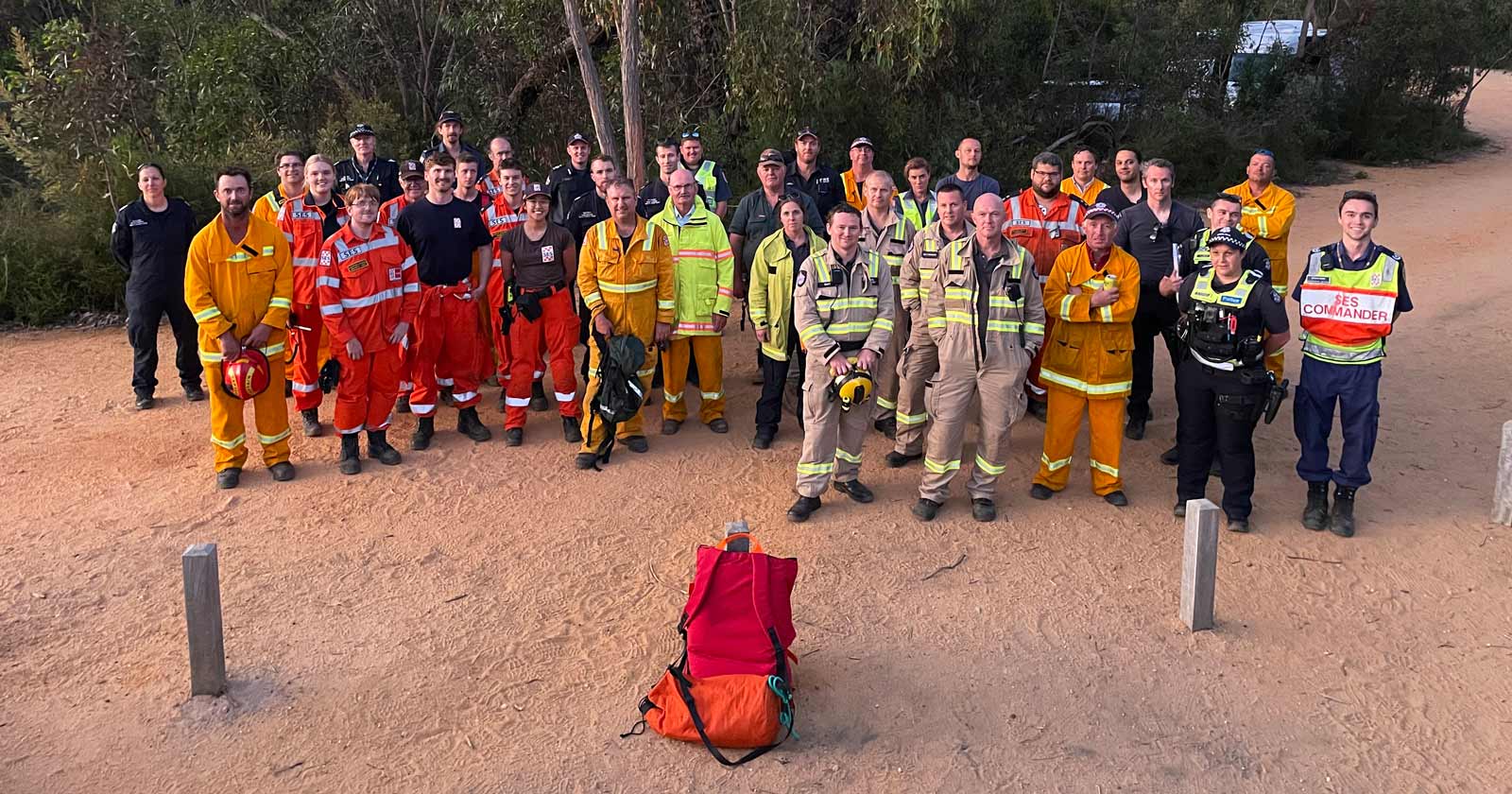
The State or Territory Police Force is the lead agency for land search and rescue in most Australian states and territories, responsible for assessing the situation, declaring a search and rescue operation, and coordinating the overall response. If the missing person was on the water rather than in the bush, that responsibility instead falls to the Australian Maritime Safety Authority (AMSA), the lead agency for maritime search and rescue in Australia, responsible for coordinating search efforts at sea and along the coastline.
The Coordination Process
- Initial Notification: When someone is reported missing, the police are typically the first point of contact. They gather details about the missing person, their last known location, and circumstances of the disappearance.
- Assessment and Decision: The police assess the available information and decide whether to initiate a formal search and rescue operation. Factors such as the time since the person went missing, the terrain, and weather conditions will be considered.
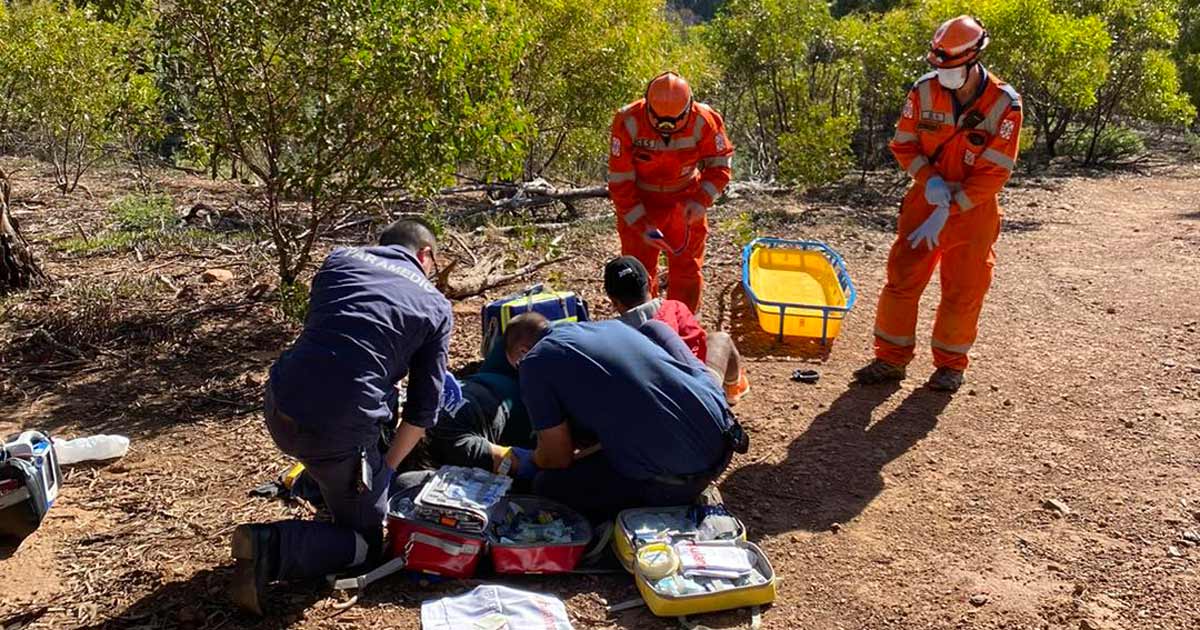
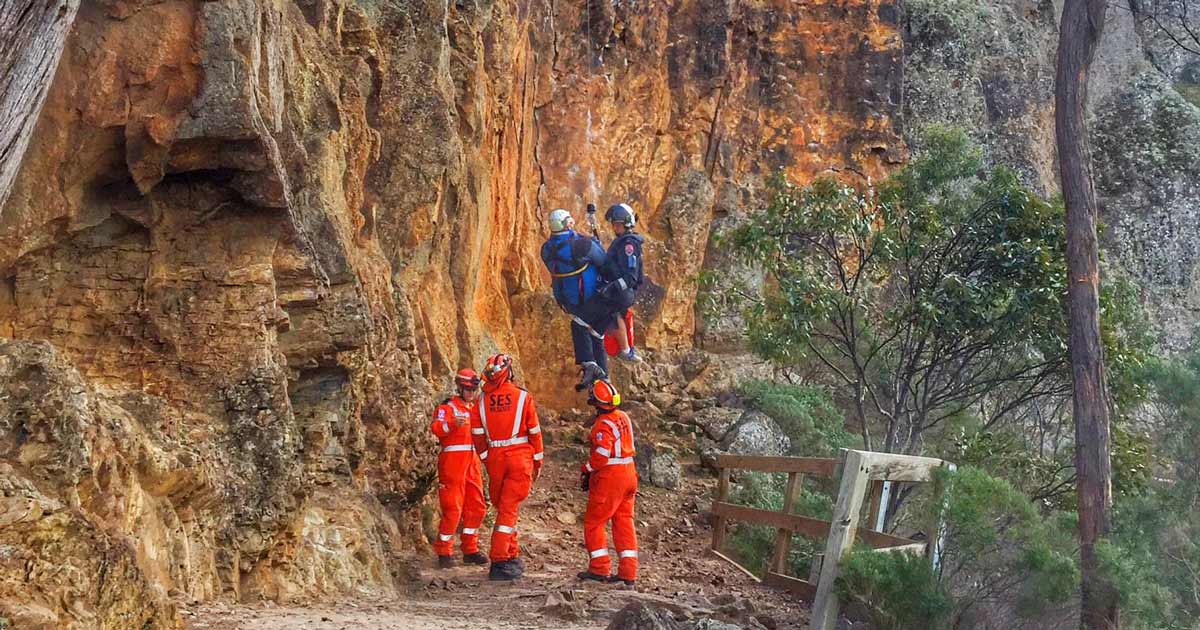
- Activation of Resources: If the operation is declared, relevant resources are mobilised, which may include police search teams, SES volunteers, ADF personnel, and air assets, with the specific mix depending on the nature of the search and the terrain. The State Emergency Service (SES) is a volunteer-based organisation that provides vital support to the police force during these operations, and its members are skilled in first aid, remote area operations, and search techniques. The Australian Defence Force (ADF) may also assist, particularly in remote or challenging environments, offering aerial search capabilities, specialised personnel, and logistical support. Volunteer bushwalking organisations, such as Bushwalking Victoria and the Australian Volunteer Search and Rescue Association (AVSAR), can provide further assistance, leveraging their local knowledge and skilled volunteers.
- Search Planning and Execution: A search plan will be developed based on the available information and the expertise of personnel involved. The plan outlines search areas, methods, and communication protocols.
- Liaison and Communication: Ongoing communication is vital during the operation. This ensures coordination among police, SES, participating agencies, and the family of the missing person.
- Outcome and Evaluation: The operation continues until the missing person is found, or all reasonable avenues have been exhausted. Afterward, an evaluation is conducted to identify lessons learned and improve future operations.
The stages above aren’t improvised, they follow procedures set out in the National Search and Rescue Manual, which outlines specific procedures for Australian search and rescue operations. These cover:
- Alerting procedures: Raising the alarm when someone is missing.
- Search planning and management: Developing and executing a search plan.
- Search techniques: Methods for searching in different terrain and conditions.
- Communication protocols: Ensuring effective communication during the operation.
- Safety procedures: Protecting search and rescue personnel during operations.
Keeping Yourself Safe
Every one of those stages exists because someone didn’t come home when expected, and the details you provide, or fail to provide, are exactly what shapes how fast it goes and how large the search area ends up being. No one wants to be lost, injured, or require rescue, so it’s worth taking responsibility for your safety before heading out. Here are some key points to remember:
Preparation:
- Plan your trip: Choose a route that matches your fitness level and experience. Let someone know your planned route and estimated return time.
- Pack essential gear: This should include a map, compass, GPS device (with extra batteries), first-aid kit, appropriate clothing, food, water, and a means of communication (e.g., mobile phone, satellite communicator).
- Check the weather: Be aware of the forecast and any potential hazards like storms or extreme heat.
- Tell someone your plans: Let a friend or family member know your route and expected return time. Check in regularly, especially if plans change.
This is the information that feeds straight into the first two stages above: if the police have your planned route, your estimated return time, and someone to confirm it with, the initial notification and assessment take minutes instead of hours, and the search starts small instead of covering everywhere you could conceivably have gone.
Safety:
- Stay on track: Don’t take shortcuts or venture off the marked trail.
- Be aware of your surroundings: Watch for hazards like cliffs, drop-offs, and slippery surfaces.
- Don’t walk alone: Hike with a buddy, especially in remote areas.
- Carry a PLB (Personal Locator Beacon): This is important if you get lost or injured in a remote area.
These are the choices that determine whether you need any of the stages above at all, or, if something does go wrong, whether your last known position is exactly where you said it would be.
If you get lost:
- Stay calm: Don’t panic; it can cloud your judgment.
- Conserve energy: Avoid walking further than necessary.
- Shelter from the elements: Find a safe spot to stay warm and dry, particularly at night.
- Ration food and water: You may need to wait for help, so make your supplies last.
- Signal for help: Use a whistle, mirror, or PLB to attract attention.
This is what you’re doing while activation, search planning, liaison, and evaluation are happening around you. Conserving your energy, food, and water, and staying where you can be found, is what keeps you going long enough for that process to reach you.
Final Considerations
Bush search and rescue in Australia works because several different organisations coordinate closely to bring a missing person home safely, and understanding the roles and stages involved is really just understanding what your own preparation feeds into. Plan your route, tell someone, and carry the gear, because that’s what keeps any response short if you ever need one, and the people who’d coordinate it are standing by regardless.
Please note: This article is for informational purposes only and should not be taken as professional advice. If you ever need to report someone missing, contact your local police force immediately.





Great article Darren.
Russel Wells thank you.