What actually keeps you alive in the bush
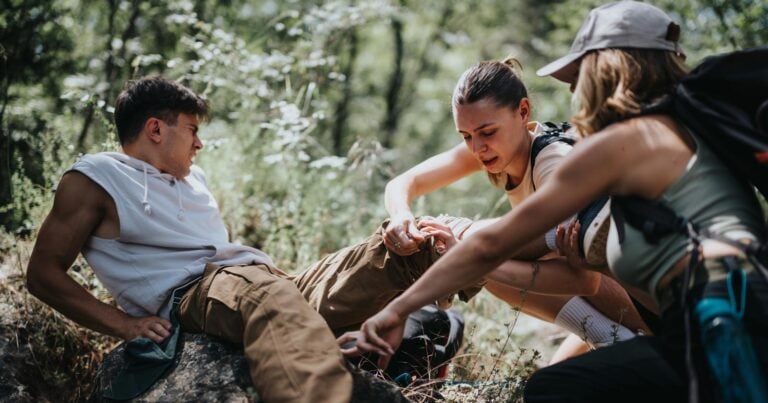
When someone gets lost, injured, or just delayed longer than planned on a hike, what actually hurts them is usually the decisions they make under stress, not the environment itself. A lot of those decisions come straight out of survival myths picked up from television, social media, or a rule of thumb that got misremembered or applied too literally.
Survival is rarely about clever tricks or dramatic techniques. In most real-world hiking incidents, outcomes are shaped by early choices, energy management, and recognising risk before it escalates. What’s interesting is that most of the common survival myths trace back to the same handful of mistakes: turning a rough guideline into a hard number, mistaking activity for progress, or assuming confidence and toughness can substitute for judgement. Once you see that pattern, the myths make more sense as a group than as seven separate facts.
Where the water myths come from
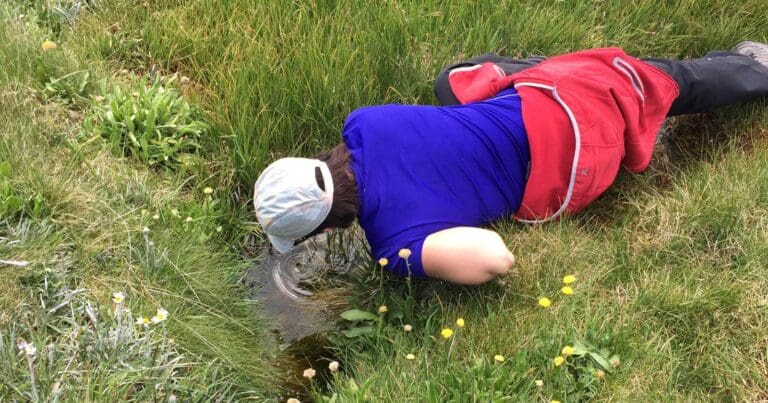
Two of the biggest myths I keep running into are that you can survive three days without water, and that any water is better than no water. Both come from the same mistake: turning a rule of thumb into a fixed number and ignoring how much timing and context change the right answer.
Dehydration affects judgement, balance, and physical capacity long before it becomes fatal. In hot, dry, windy, or exposed conditions, people can deteriorate rapidly, sometimes within hours, and the poor decisions caused by dehydration often create secondary problems such as falls, navigation errors, or overexertion. The “three days without water” idea comes from the Rule of Threes, which is a prioritisation tool, not a safety window, so it was never meant to tell you how long you can function normally. By the time dehydration becomes severe, your options are usually reduced rather than expanded, which is why water should be treated as an early priority rather than a last-minute problem: reducing exertion, managing exposure, and acting early to correct fluid loss is far safer than waiting until water becomes a crisis.
That same timing problem is what makes “any water is better than no water” hard to answer with a flat yes or no. Untreated water can carry real health risks, but so does severe dehydration, so the correct decision depends on immediacy, alternatives, and the person’s condition. In some situations, delaying drinking while reducing exertion is safer than rushing to consume unsafe water. In others, dehydration becomes the greater immediate threat. Treating every situation as equal, which is what this myth does, ignores that time horizon and risk trade-off completely. Water treatment should always be the goal, but the decision should be based on whatever presents the greatest immediate danger: in life-threatening dehydration with no treatment options, the risk of untreated water may be outweighed by the risk of not drinking at all. That’s a last-resort judgement, not standard advice.
The urge to keep moving
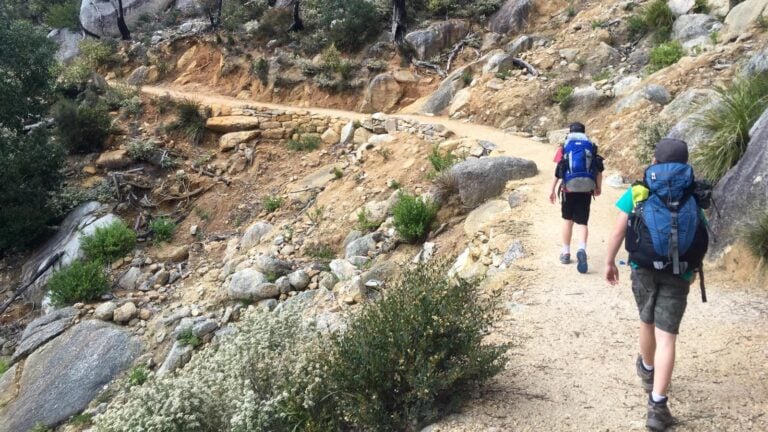
Something similar happens with the instinct to always keep moving to find help. Standing still feels like giving up, so unplanned movement ends up being one of the most common ways people worsen their situation. Moving while fatigued, dehydrated, or disoriented increases the risk of injury and makes it harder for others to find you, and plenty of search and rescue cases involve people who were located close to safety but moved repeatedly in the wrong direction.
Movement feels productive and reassuring, especially under stress, but in reality it consumes energy, increases water loss, and often leads people away from known locations or planned routes. Stabilise first. Address immediate risks, assess your situation calmly, and signal for help early. Movement should only happen with a clear purpose, sufficient capacity, and a realistic exit or navigation plan.
Getting the priorities in the wrong order
Food and shelter get overrated in a similar way, because people picture both as bigger and more urgent projects than they need to be. Take the idea that food is critical for short-term survival, or that shelter means building something. Neither holds up once you look at where the energy actually needs to go.
In most hiking emergencies, lack of food is uncomfortable but not immediately dangerous. The body can function for extended periods without food, especially if activity is reduced, and searching for food often burns more energy than it provides. Hunger feels urgent and distracting, which leads people to overestimate its importance, and media portrayals exaggerate food scarcity as a survival threat on top of that. In a short-term situation, energy is better spent on shelter, warmth, water, and signalling. Food only becomes relevant in longer-term scenarios, where rescue is unlikely and basic stability has already been achieved.
Shelter causes the opposite problem, because people think it has to mean construction. Shelter is about reducing exposure, not building something from scratch. Shade, wind protection, insulation from the ground, and staying dry all count as shelter, and in many cases clothing, packs, terrain features, or existing structures protect you better than anything you could build. People often overbuild, waste energy, and expose themselves further while trying to construct elaborate shelters, when the better approach is to use what already exists: focus on blocking wind, sun, rain, or cold ground with minimal effort. The goal is to stabilise body temperature and conserve energy, not to create a perfect structure.
Confidence doesn’t change your physiology
Confidence causes its own version of this problem: the belief that heat illness only affects unfit or inexperienced people. Heat exhaustion and heatstroke regularly affect fit, experienced hikers, because fitness doesn’t override physiology. Heat illness develops when heat load, hydration, pace, and exposure fall out of balance, regardless of experience level. Confidence and familiarity can delay decision making too, because people often push on longer than they should when they believe they are “used to it.” Start early, manage exposure, adjust your pace, and stop before symptoms escalate. Heat illness is easier to prevent than to treat, and early decisions matter far more than toughness.
What actually keeps you alive
Underneath all of this is the same myth wearing a different shape: that survival is about knowing the right tricks. Most survival situations are actually resolved through conservative decisions, not technical skills. The ability to stay calm, reassess, conserve energy, and prioritise correctly has a far greater impact on outcomes than specialised techniques, which is exactly why survival content that focuses on dramatic actions rather than boring but effective decisions gets it wrong.
Across real hiking incidents, a consistent pattern emerges. People who do well tend to recognise problems early, slow down before things deteriorate, conserve energy, and make conservative choices. People who run into trouble often push on too long, rely on assumptions, or delay acting because they believe a situation will resolve itself.
The Rule of Threes and survival priorities are useful frameworks, but they only work when applied with judgement. They are guides for decision making, not promises of safety.
The most effective survival skill is not a technique. It is the ability to stop, reassess honestly, and choose the option that reduces risk rather than increases it. Survival is mostly about not making things worse: early recognition, restraint, and sensible prioritisation consistently outperform heroic effort.