Victoria is the state I’d point to if someone asked me where to find the most variety in the shortest driving distance. Alpine ridgelines and rugged High Country peaks, wild coastlines, temperate rainforests and rolling inland ranges all sit within a few hours of each other, which isn’t something you can say about most of Australia. Whether you’re after a hard mountain ascent or a relaxed coastal walk, the trail network here makes it genuinely easy to get out and explore.
There are more than 2,000 walking trails across the state, covering roughly 8,000 kilometres between national parks, coastal reserves, alpine plateaus and forested ranges. For me, hiking in Victoria has never just been about reaching a destination. It’s the cool mountain air on a High Country climb, or the change underfoot as you move from forest into open coastal heath, that makes the walking itself worth doing.
Alpine and High Country adventures
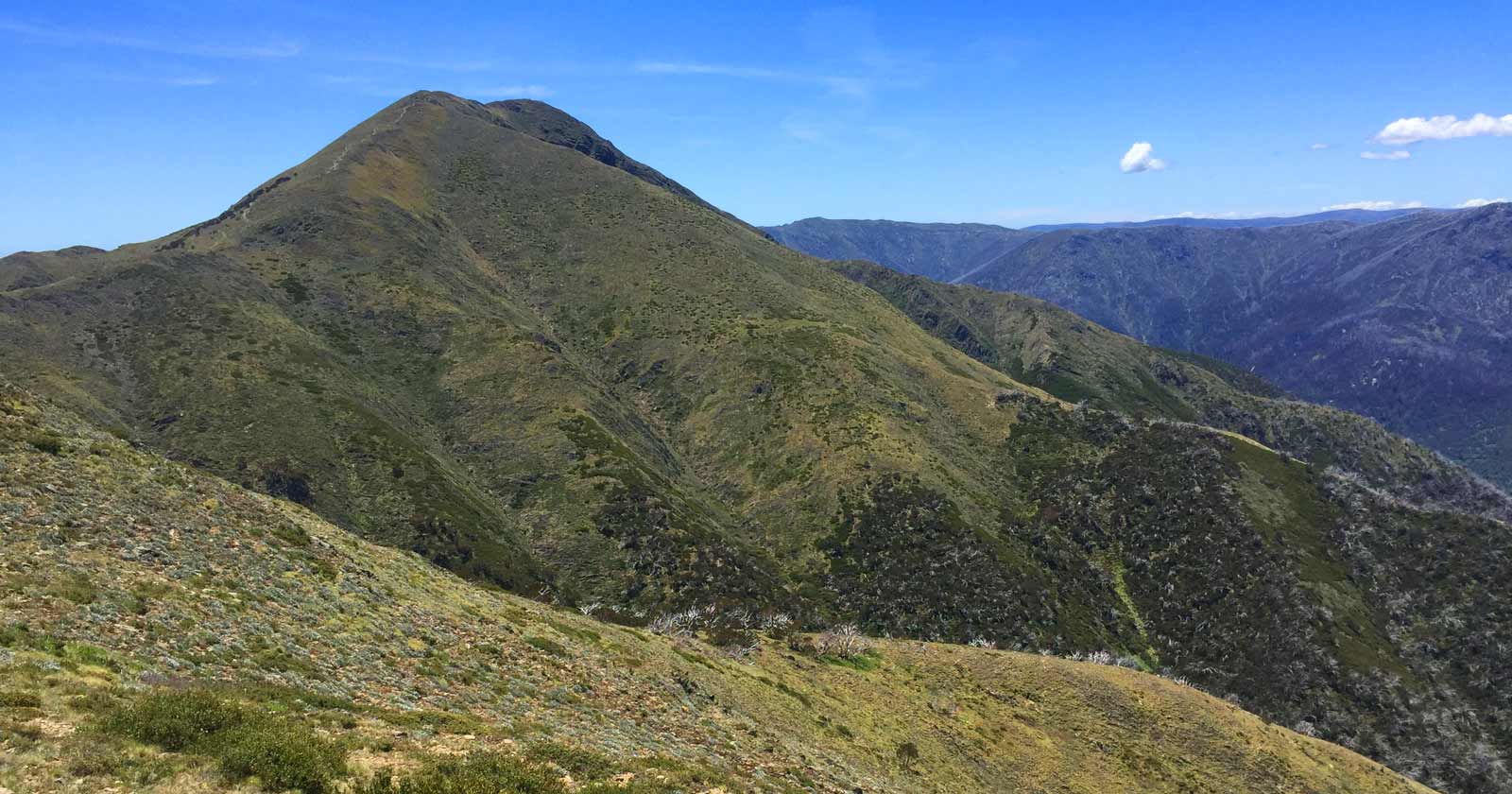
If you want a physical challenge, Victoria’s alpine regions and rugged ranges deliver some of the state’s most memorable walking. The High Country has a network of tracks that climb across exposed ridges, snow gum forests and sweeping alpine plains, and this is the part of the state I find myself returning to most.
The Cathedral Range Ridgeline Circuit is an exhilarating traverse across rocky ridges with wide views across the Acheron Valley. The climb to Mount Feathertop via the Razorback follows one of the most spectacular alpine ridgelines in the country to Victoria’s second-highest peak, and it’s a walk I rate as highly as anything on the mainland. Nearby, Mount Bogong, the state’s highest mountain, is a demanding ascent with views across the Victorian Alps that make the effort worthwhile.
For those wanting to extend the trip over several days, Victoria also has a few major long-distance walks that traverse entire regions rather than single peaks.
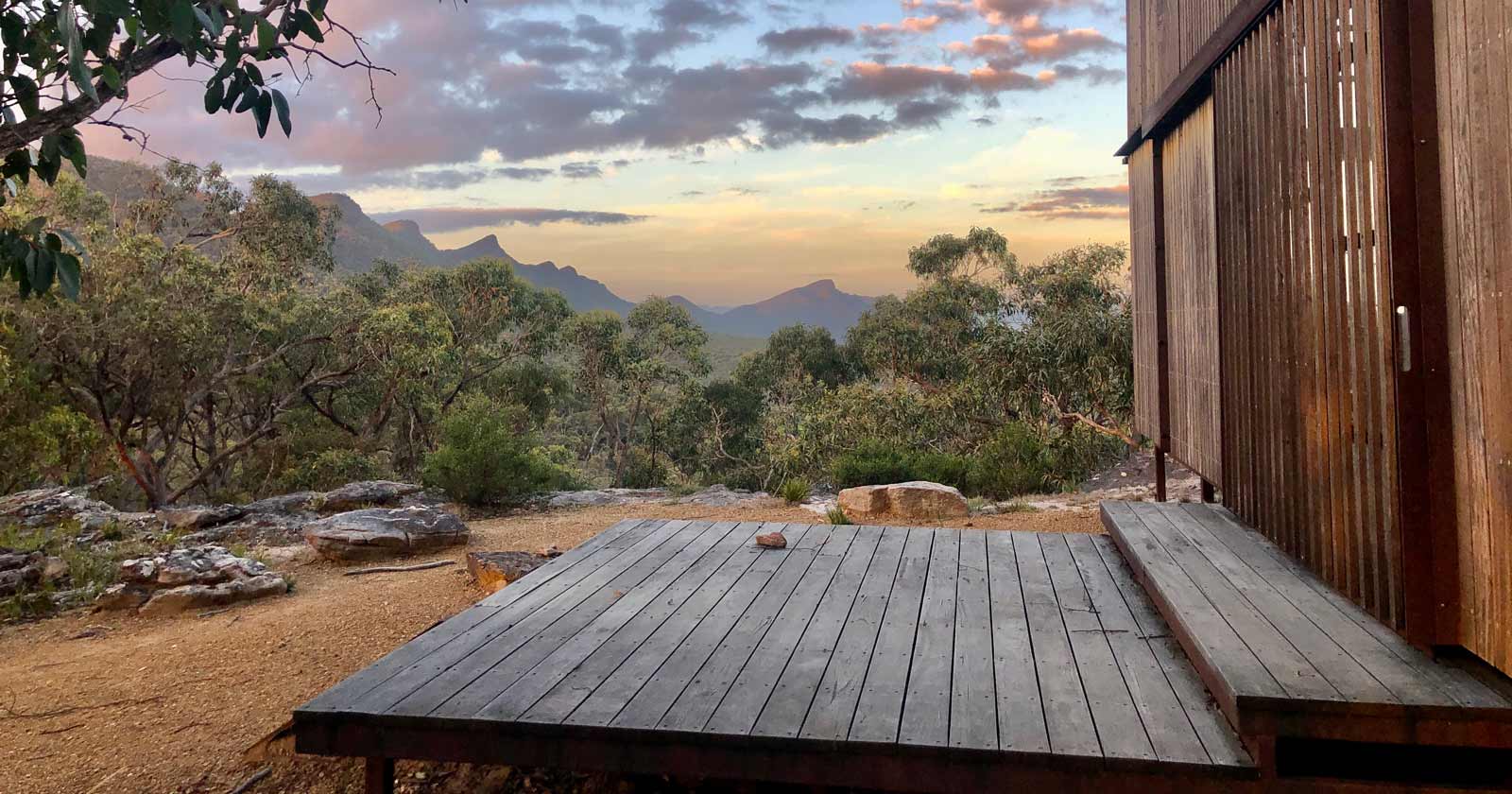
The Grampians Peaks Trail is one of the newest and most ambitious long-distance routes in the state. Spanning 165 kilometres through the Grampians (Gariwerd) National Park, it links a series of rugged peaks, sandstone escarpments and panoramic viewpoints from Mount Zero in the north to Dunkeld in the south. It’s an impressive piece of trail building, and it’s changed how I think about what’s possible for a multi-day walk this close to Melbourne.
The Great Ocean Walk is one of Australia’s classic coastal journeys, and deservedly so. The 100 kilometre trail runs from Apollo Bay to the Twelve Apostles, passing remote beaches, coastal cliffs and sections of forest along Victoria’s famous Shipwreck Coast.
The Great South West Walk is a different kind of long-distance experience again. This 250 kilometre circuit in south-west Victoria combines coastal scenery, river landscapes and inland forest, and you can walk the full circuit or pick off individual sections depending on how much time you’ve got.
Coastal walks and national parks
Victoria’s coastline is another outstanding setting for walking, and one I think doesn’t get enough credit outside the state. From rugged clifftop tracks to sheltered beaches and coastal heathlands, these trails combine ocean views with a genuine diversity of wildlife and plant life.
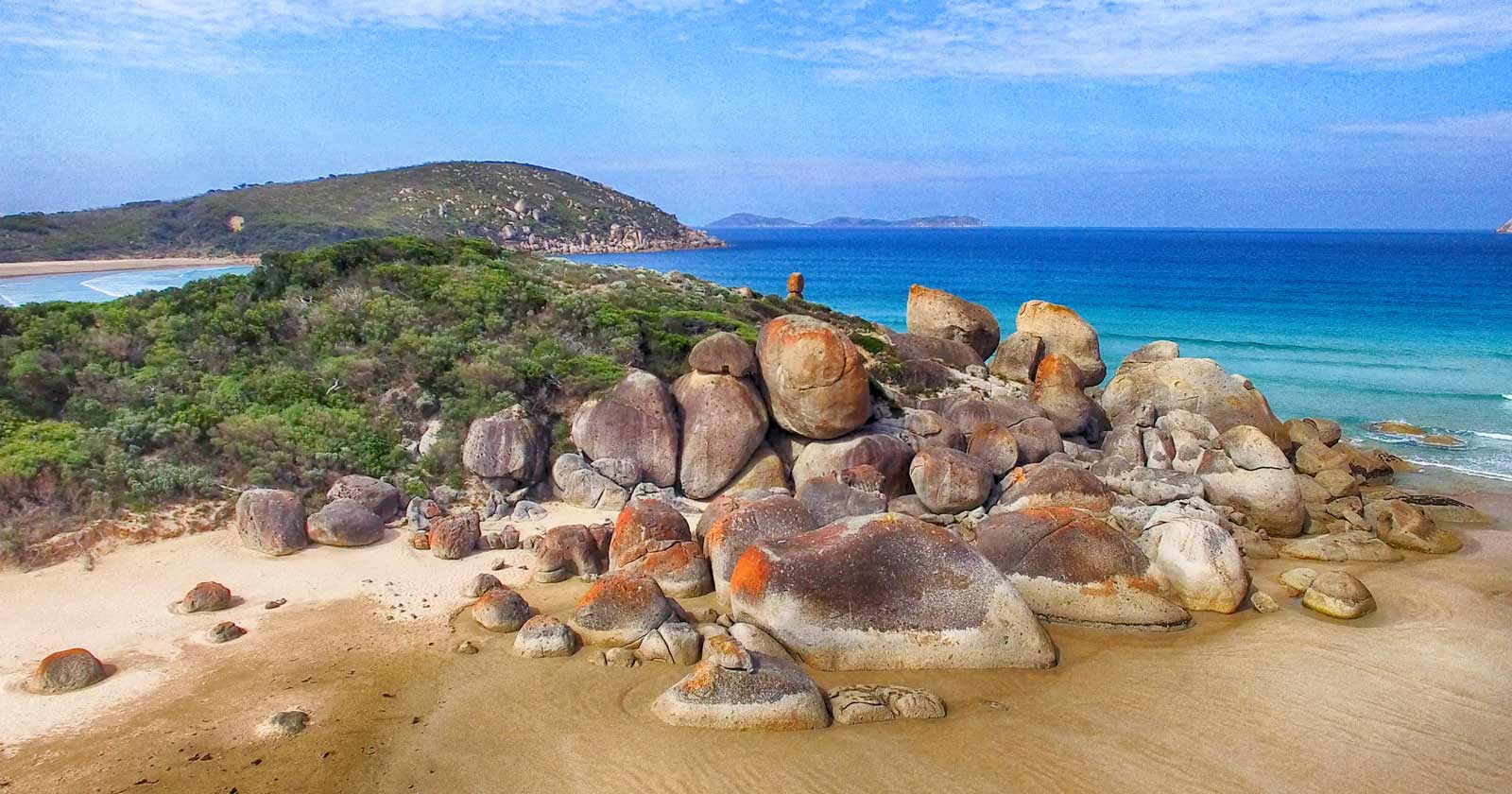
Wilsons Promontory National Park has some of the state’s most popular walks. Shorter tracks lead to beaches and viewpoints, while the climb to the summit of Mount Oberon gives you sweeping views across the Prom’s distinctive granite landscape. The Mount Bishop hike is another excellent vantage point across the park’s rugged interior, and one I’d rank alongside Mount Oberon rather than as a lesser alternative.
The coastline of the Great Otway National Park and the wider Great Ocean Road region also feature prominently in Victoria’s hiking scene. You can walk sections of the Great Ocean Walk, visit remote beaches, or traverse forested gullies that drop down toward the coast.
Other coastal routes worth knowing include the Surf Coast Walk, linking clifftop lookouts and surf beaches between Torquay and Anglesea, and the Two Bays Walking Trail on the Mornington Peninsula, which crosses the peninsula from Port Phillip Bay to the ocean coast.
Day walks close to Melbourne
A lot of Victoria’s best day walks sit within easy reach of Melbourne, which makes them ideal when you only have a few hours to spare rather than a whole weekend.
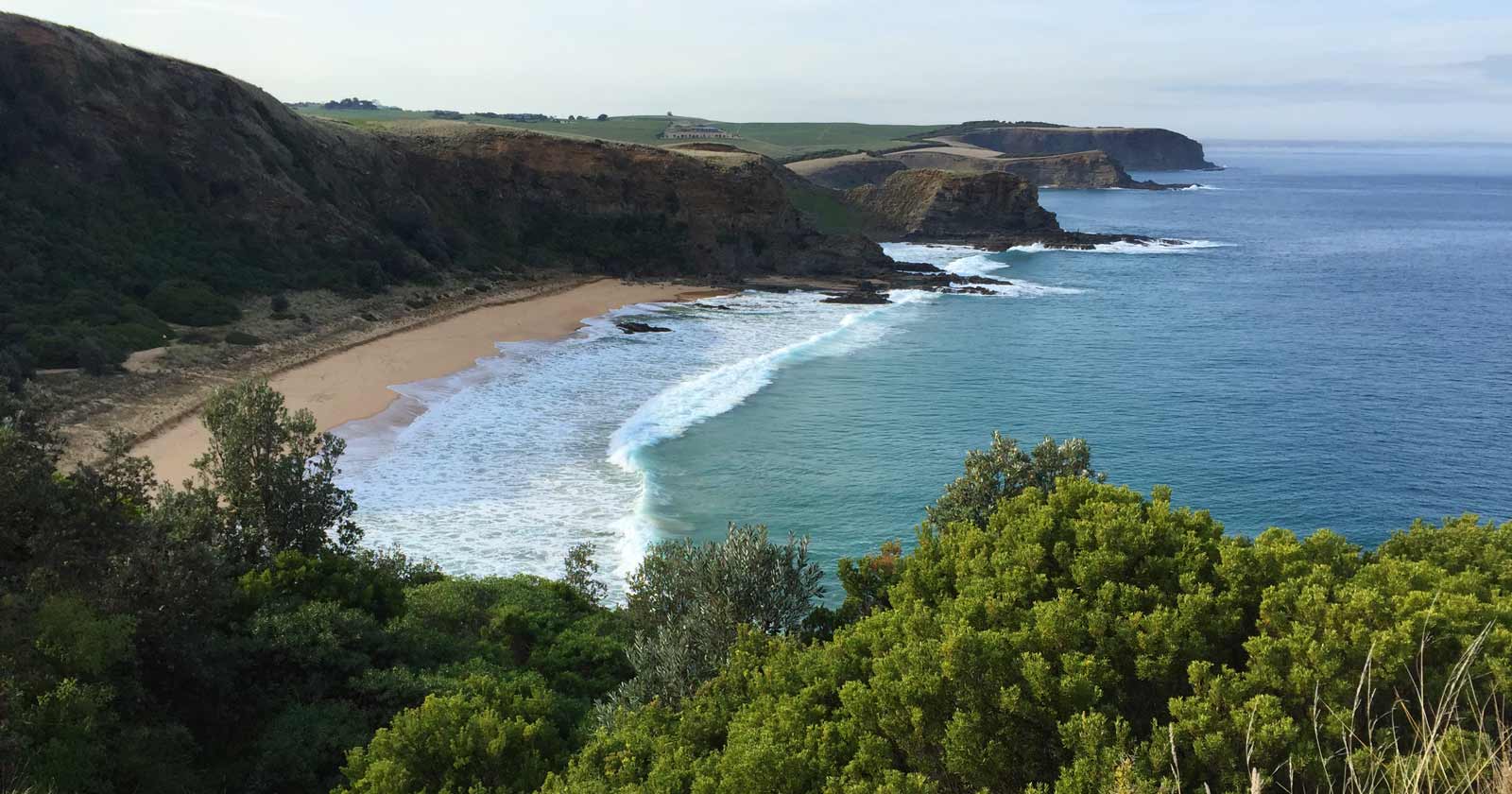
The George Bass Coastal Walk in Gippsland follows sandstone clifftops between Kilcunda and Punchbowl, with wide ocean views and a strong sense of coastal character. The Werribee Gorge Circuit Walk explores a dramatic river gorge west of the city, and the rocky sections and river views make it feel far more rugged than its proximity to Melbourne would suggest.
The Lerderderg Gorge Scenic Rim is a demanding circuit through the steep terrain of Lerderderg State Park, while the Ted Errey Nature Circuit in Brisbane Ranges National Park is a shorter, family-friendly option through open woodland and rocky ridgelines.
Further east, the forests of Tarra-Bulga National Park and the wider Grand Strzelecki Track network give you access to lush temperate rainforest and some of the tallest mountain ash forests in the world, which is worth seeing at least once regardless of how much hiking you normally do.
Victoria also has plenty of shorter walks suited to families and casual walkers. The Triplet Falls Rainforest Walk in the Great Otway National Park is a good example, giving easy access to waterfalls, forest scenery and viewing platforms without much effort required.
Hiking throughout the year
One of the real advantages of hiking in Victoria is that you can walk year-round, and each season shows you something different. Spring brings widespread wildflower displays across alpine and coastal regions. Summer suits high country walks and coastal hikes, where sea breezes take the edge off the heat. Autumn brings clear skies and colourful foliage in the forested valleys, and winter turns parts of the Victorian Alps into snow country suited to experienced walkers with the right skills and equipment.
Preparing for your hike
- Sturdy hiking boots with good ankle support are essential for uneven terrain.
- Pack comfortable, breathable clothing that can be layered as conditions change.
- Bring a hat, sunscreen, sunglasses and insect repellent.
- Carry sufficient water, snacks, lunch for longer walks, and a basic first aid kit.
- Navigation tools such as a map and compass or a GPS device with an offline map are strongly recommended.
- Depending on the season, you may also need wet weather gear, thermal layers or a headlamp.
Explore Victoria on foot
What strikes me most about Victoria is how much variety fits into a relatively small area. Alpine summits, forested ranges, remote coastal cliffs and easy day walks close to the city all sit within reach of each other, which means both casual walkers and experienced bushwalkers have genuine options here, not just token ones.
Whether you’re planning a multi-day trek through the mountains or a relaxed coastal walk, Victoria’s trail network gives you a lot of ways to see the state on foot, and I don’t think many other states can match that range within such a compact footprint.





What’s your favourite hike in Vic? You can choose only one.