Granite headlands, southern beaches and the long reach of Bass Strait
Overview
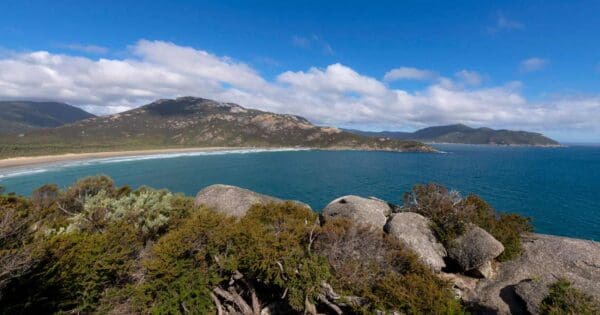
Wilsons Promontory National Park sits at the southern tip of mainland Australia, on a large granite promontory linked to the mainland by the Yanakie Isthmus. It covers about 50,460 hectares and is one of Victoria’s most significant national parks, known for its strongly coastal character, varied habitats and wide sweep of protected landscapes from sheltered inlets to exposed southern shores.
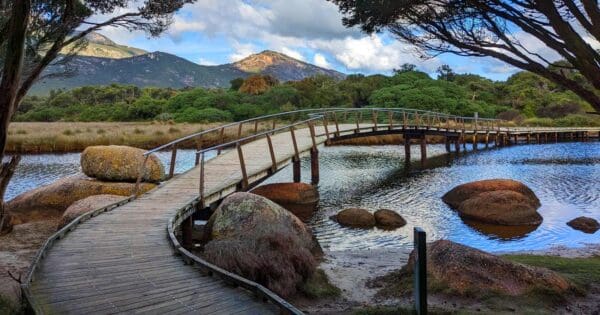
The park lies in South Gippsland, roughly three hours from Melbourne, with Yanakie as the closest township for most visitors heading in. What makes the Prom feel so distinctive is the way the country changes across relatively short distances: broad beaches, rocky headlands, dunes, swamps, forests, heathlands and cool gullies all sit within the same park.
Highlights
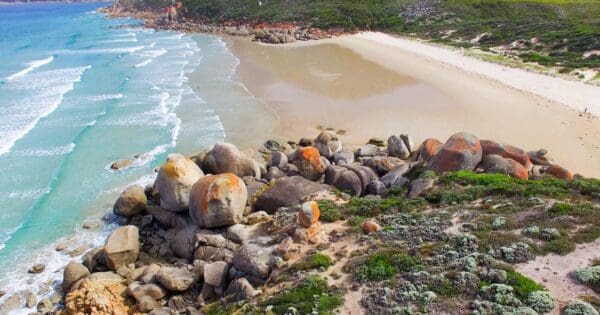
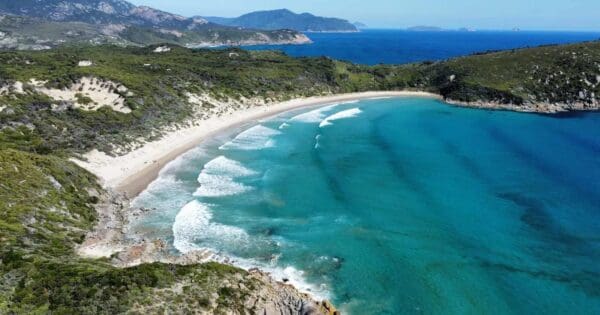
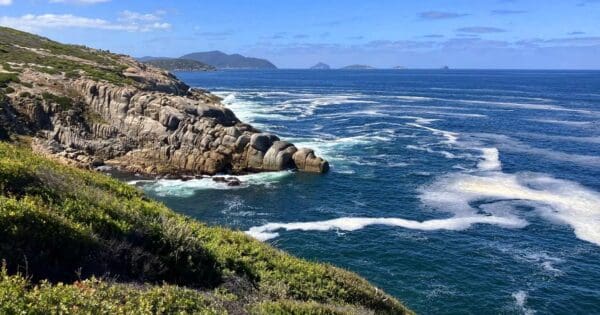
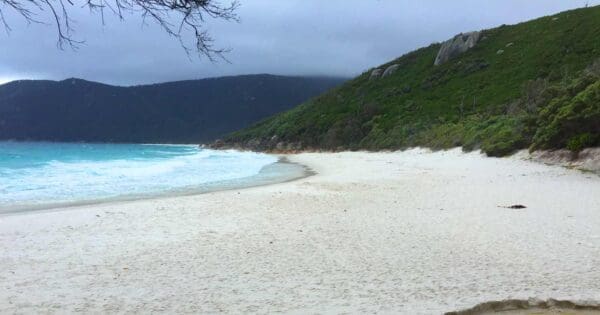
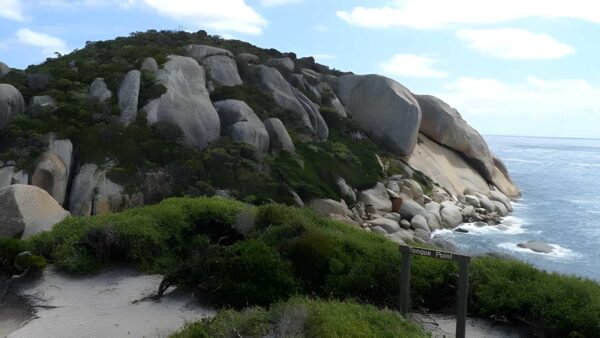
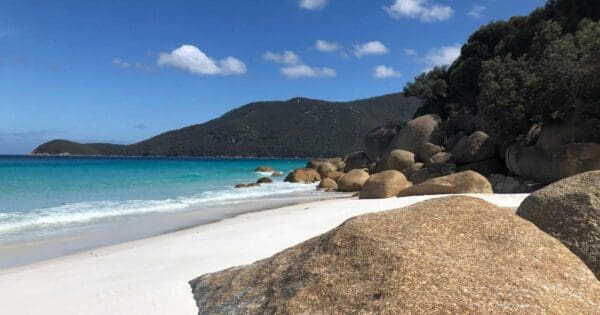
The scenery here is shaped first and foremost by granite. The promontory forms the northern end of a much larger granite mass, and erosion has carved that rock into the rugged coastline the park is known for today. Around the coast you get sandy beaches and sheltered coves in one stretch, then bold headlands and steep granite cliffs in the next.
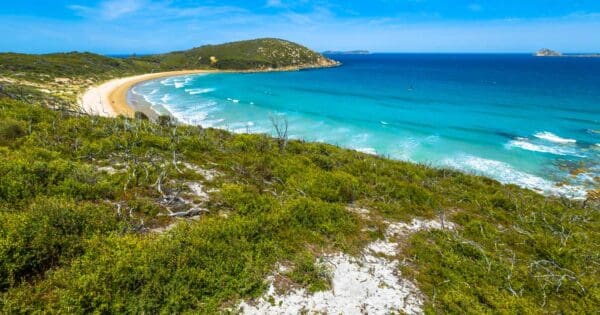
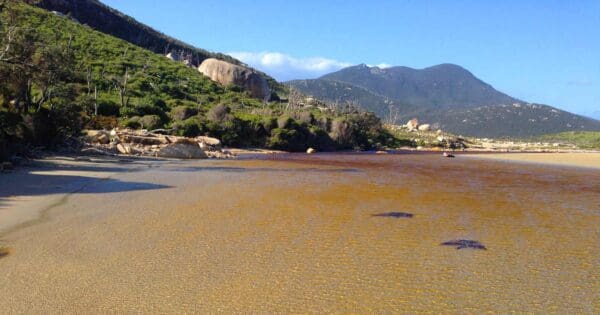
There is also a striking contrast between the calm northern side and the more exposed south. Corner Inlet edges the park with extensive intertidal mudflats and quieter coastal margins, while the southern reaches feel wilder and more open to Bass Strait. Offshore islands, dune systems and the long, low sweep of the Yanakie Isthmus add to that sense of a place defined by land meeting sea from almost every angle.
Best Time to Visit
Wilsons Promontory can be rewarding at any time of year, but the feel of the place shifts with the seasons. Warmer months usually bring clearer beach weather and longer daylight, while spring is a particularly good time to see the park’s heathlands and other plant communities looking fresh and active. Cooler months tend to suit visitors who enjoy quieter conditions and the park’s forested and coastal scenery without the summer holiday atmosphere.
Because this is such a strongly coastal park, conditions can change quickly even within a single day. For many people, the best time comes down to whether they want warm swimming weather, spring growth and bird activity, or the calmer feel of the off-season.
Plants and Animals
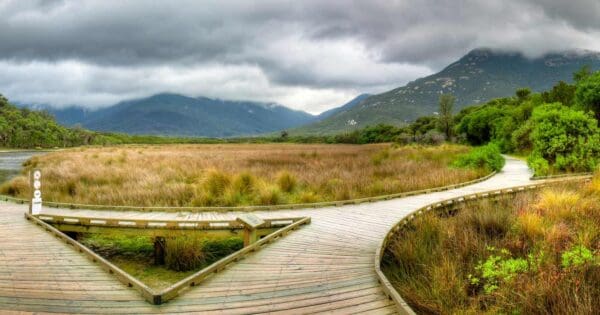
This is one of the richest natural areas in Victoria. More than 20 per cent of the state’s native plant species and about half of its bird species occur here, helped by the sheer range of habitats across the promontory. Vegetation communities include rainforest, tall open forest, woodland, heathland, swamp communities and coastal vegetation, so the park never feels botanically one-note.
Some of the plant communities are especially notable. The park contains southernmost examples of low-altitude warm temperate rainforest, as well as stands of white mangrove that mark the southernmost occurrence of mangroves in the world. Heathlands are particularly important for fauna, and the park as a whole supports more than 296 recorded animal species, including over 40 threatened species. Among the better known native animals are wombats, kangaroos and emus, but the park also provides habitat for species such as the Long-nosed Potoroo, New Holland Mouse and White-bellied Sea-Eagle.