Rainforest Gullies, Surf Coast Cliffs and the Long Reach of the Otways
Overview
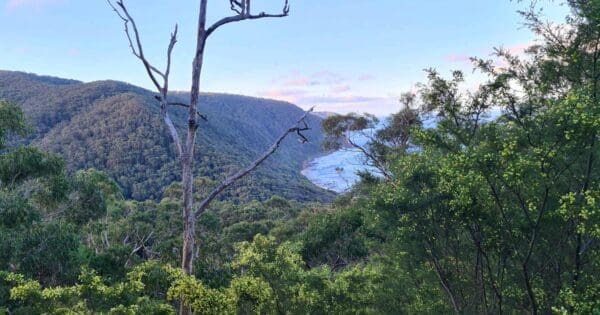
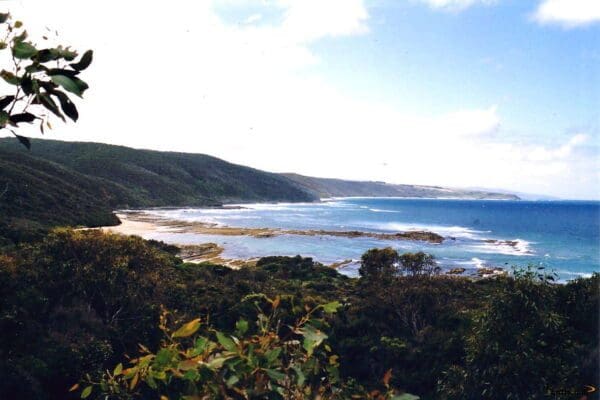
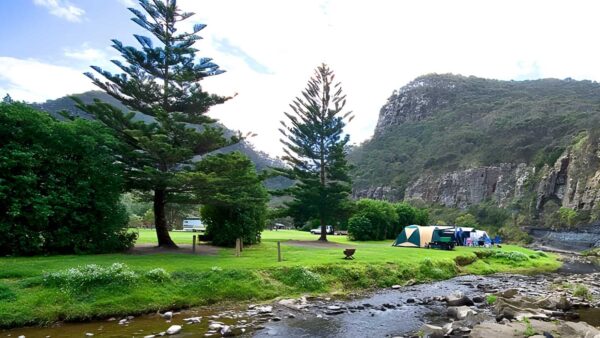
Great Otway National Park covers a big, varied sweep of south-western Victoria, stretching from Torquay to Princetown and inland through the Otways. It protects a broad mix of landscapes, from ocean beaches and cliff-backed coast to tall eucalypt forest, wet forest, heathland and cool temperate rainforest. Together, those contrasts are what make the park feel so distinctive. You can move from surf coast headlands to deep fern gullies and shaded creek valleys in the space of a day, and the whole area still feels tied together by high rainfall, dense vegetation and a strong sense of relief between coast and hinterland.
For orientation, the park lies south-west of Melbourne and runs along a long section of the Great Ocean Road before reaching back almost to the Princes Highway. It also brings together land that was once managed as several separate parks and reserves, which helps explain why the scenery changes so much from one part of the park to another.
Highlights
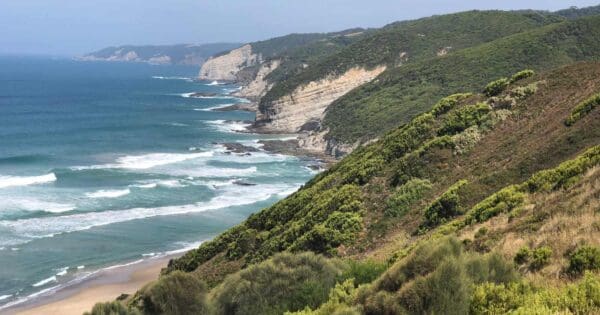
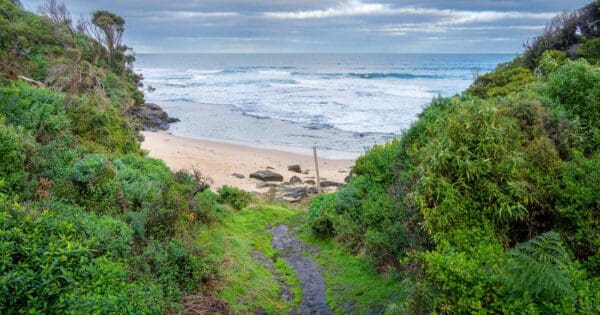
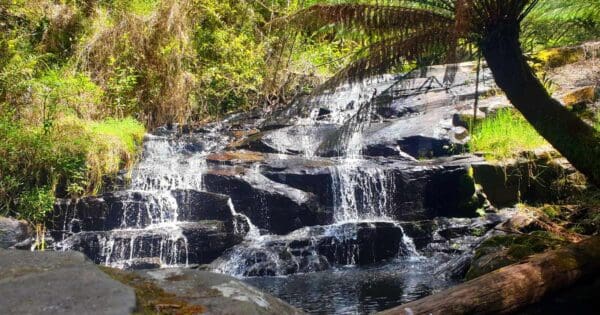
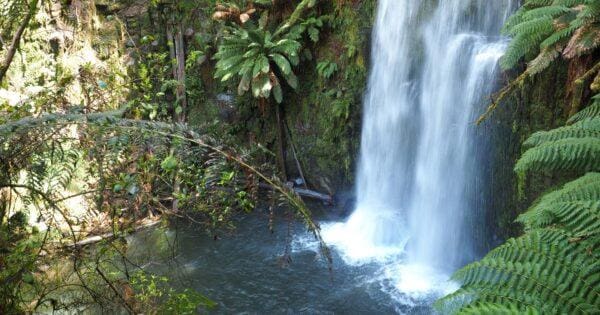
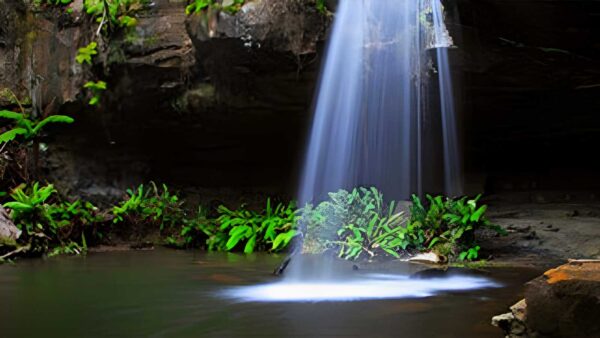
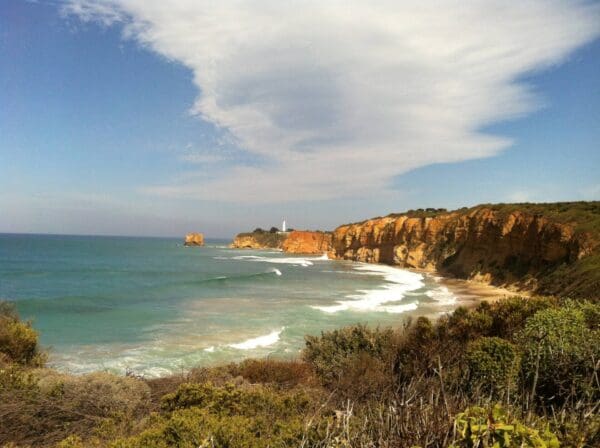
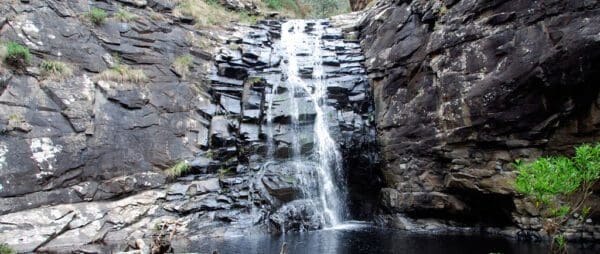
The real character of Great Otway National Park comes from its sharp contrasts. Along the coast, there are long beaches, cliff-top viewpoints and a rugged edge where forest gives way to the Southern Ocean. Inland, the park shifts into tall mountain ash forest, wet gullies and pockets of cool temperate rainforest, with rivers and creeks cutting through the ranges and feeding some of the Otways’ best-known waterfalls.
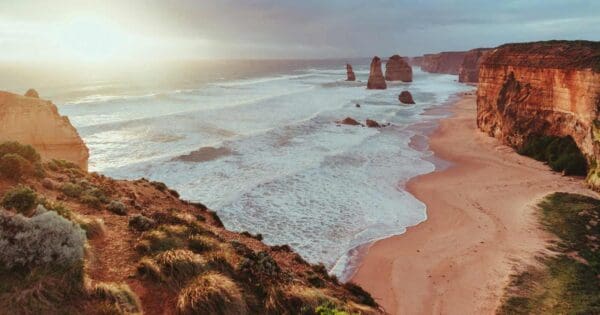
Scenically, this is one of those places where the backdrop keeps changing. Around Lorne and the eastern Otways, lush forest and waterfall country are a big part of the appeal. Farther west, the coastline between Apollo Bay and the Twelve Apostles has a more open, wind-shaped feel, with headlands, beaches and escarpments giving the park a broader, wilder coastal look.
Best Time to Visit
Great Otway National Park can be rewarding at any time of year, but the experience changes with the season. Winter and spring usually bring the fullest creeks, greenest gullies and strongest waterfall flows, which suits the rainforest and river parts of the park particularly well. Spring is also a good time to see heathland and understorey plants coming on after the wetter months.
Summer and autumn tend to suit visitors who want clearer conditions along the coast and more settled weather for enjoying lookouts and open scenery. Even then, the Otways often stay cooler and greener than drier inland parts of Victoria, especially in the shaded forested sections.
Plants and Animals
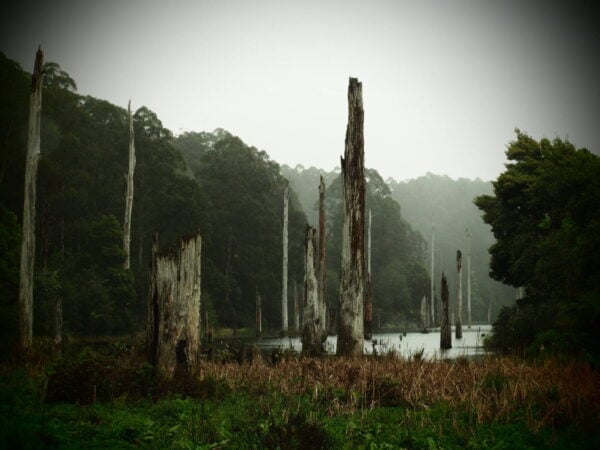
The park supports an enormous range of ecosystems, with habitats running from beaches and coastal vegetation through to wet forest and cool temperate rainforest. Mountain ash, messmate and mountain grey gum are part of the taller forest mix, while fern-filled understoreys and riparian vegetation shape many of the sheltered valleys and watercourses. Heathland also adds another layer, especially where the country opens out or thins toward the coast.
That habitat diversity supports a rich spread of wildlife. Great Otway National Park is especially important for species such as the Spot-tailed Quoll, and it also provides habitat for birds including the Powerful Owl, along with a range of smaller ground-dwelling mammals, native fish and other fauna that depend on intact forest, creek and coastal systems.
Culture and Heritage
Great Otway National Park lies within an area that includes a direct and formally recognised connection to Eastern Maar Country. The park also contains a substantial non-Indigenous heritage record, including the Cape Otway Lightstation precinct, where the lighthouse and associated buildings from the 1840s and 1850s remain a major part of the cultural landscape.