The Haute Route Experience
When my wife and I set out to tackle the famed Haute Route from Chamonix, France, to Zermatt, Switzerland, I knew I needed a jacket that could handle a 225km trek across 11 high alpine passes. Over 14 days we walked through a real mix of conditions, sunshine, a full day of relentless rain, and biting snow once we got up high. Gear choice matters on a trek like this, so I took the The North Face Terra Peak Jacket along to test properly. It’s a high-performance puffer jacket, built to be lightweight and insulated without the bulk you’d expect from something rated for this kind of cold.

The Haute Route is one of the most renowned long-distance treks in the world, stretching approximately 225 kilometres from Chamonix, France, to Zermatt, Switzerland. Over 14 days, hikers cross 11 high alpine passes, reaching elevations above 2,000 meters, where conditions can change rapidly. The route runs close to peaks like Mont Blanc and the Matterhorn, and it tests even experienced hikers with a lot of terrain variety and unpredictable weather. From sunlit valleys to snow-covered passes, the Haute Route demands both endurance and reliable gear.
As we hiked through the Alps, the Terra Peak Jacket ended up doing more for me than I expected. It handled the cold, packed away small when I didn’t need it, and turned out to be more versatile than I’d assumed going in.
Day 1-2: Chamonix to Trient – The First Test
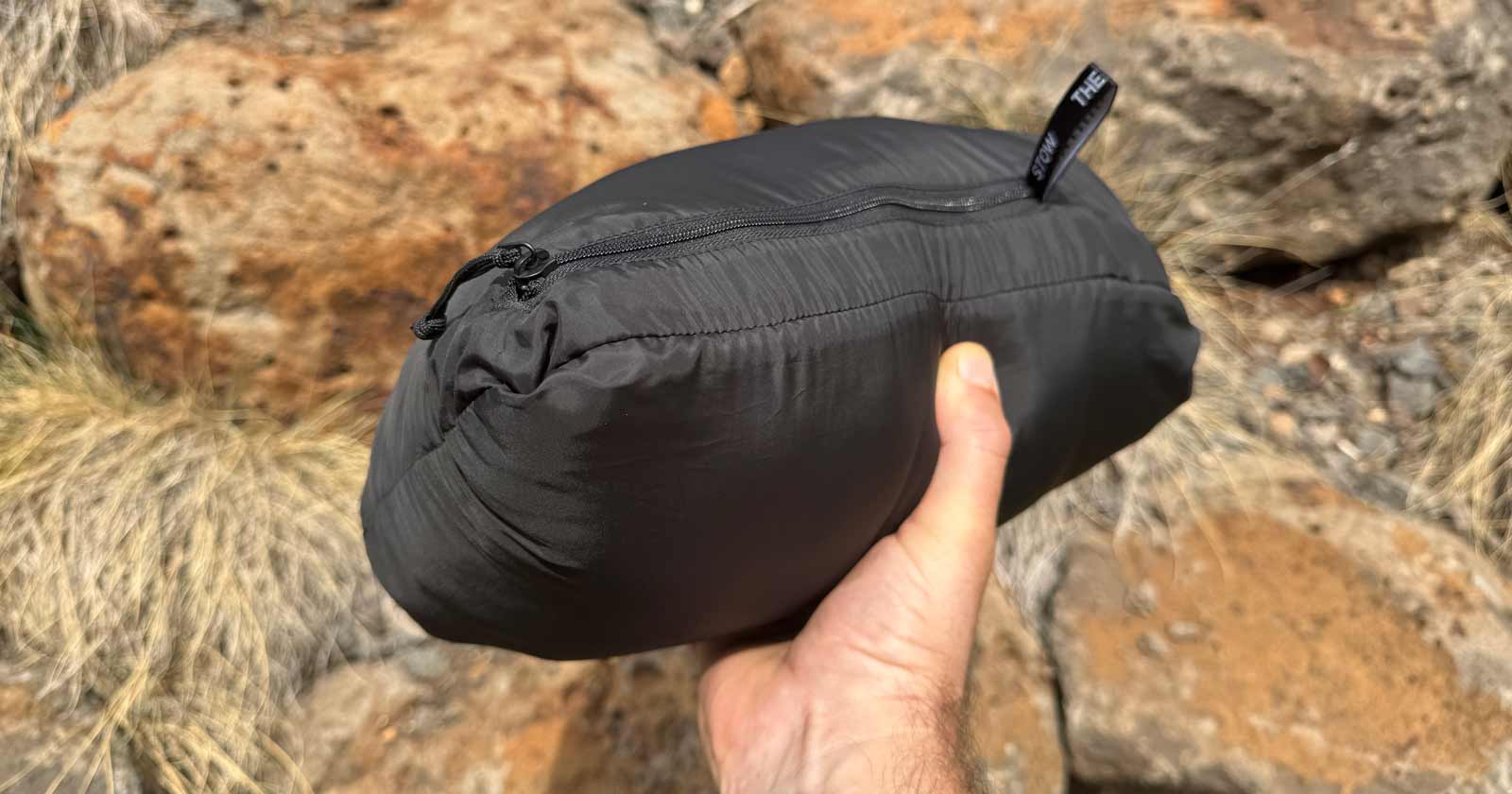
On the first few days of our journey, we had clear skies and warm temperatures. The Terra Peak Jacket stayed packed in my backpack as we walked through the valleys and climbed the lower-altitude passes. One thing I noticed straight away was how compactly the jacket packed down, it stowed neatly in its left-hand chest pocket, leaving plenty of space for other things. As a minimalist hiker, that matters. When you’re carrying everything on your back for two weeks, every bit of space counts. I barely noticed the extra weight, but knew I had solid protection against the cold when I needed it. Once I started using the jacket regularly, I just stuffed it into my pack instead of bothering with the stow pocket.
But it wasn’t until Day 4, when we crossed the Col de Balme and climbed above 2,000 meters, that the jacket really came into its own.
Days 3-7: Trient to Arolla – Facing the Elements
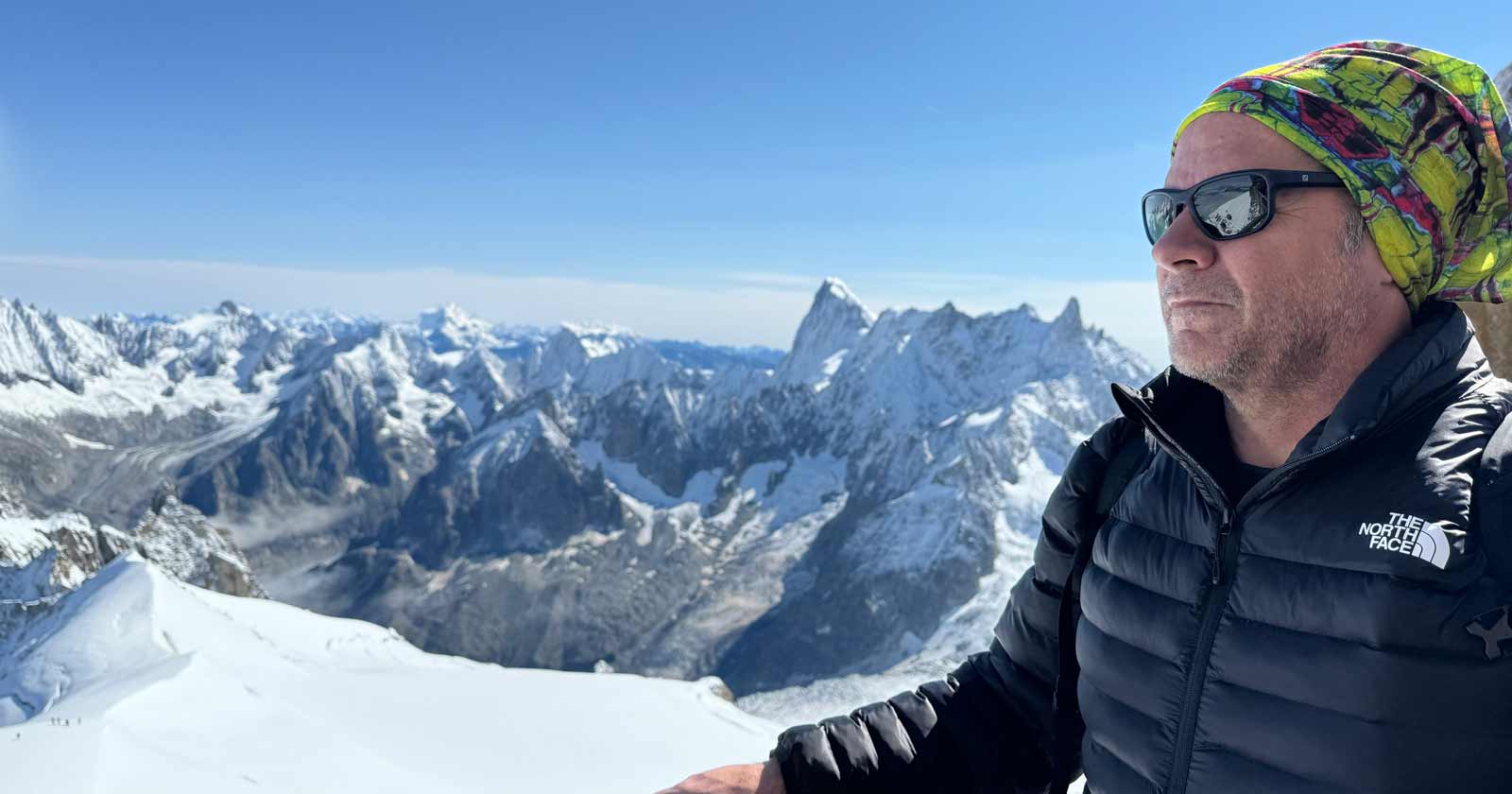
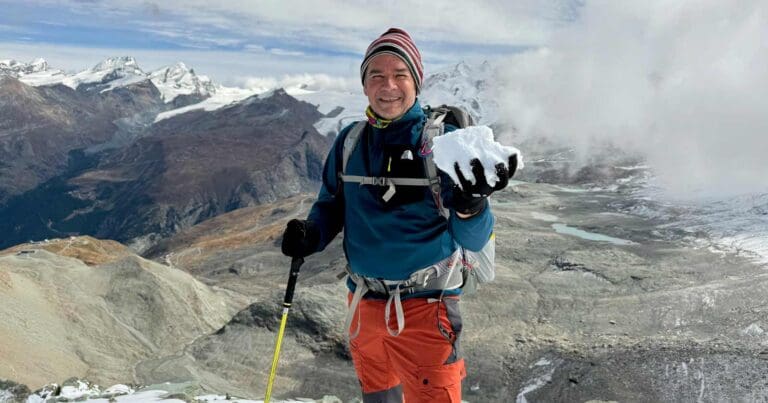
The weather turned sharply for the worse as we hit the higher passes, with unexpected snow as we approached the Fenêtre d’Arpette, just beyond Trient. Temperatures dropped below freezing, and the wind chill made it feel even colder. I pulled out the Terra Peak Jacket for the first time in earnest, and within moments of putting it on I could feel the difference. The ThermoBall™ Eco insulation warmed me up quickly, even in the biting wind and light snowfall, and the Pertex® Quantum fabric, known for blocking wind, shielded me from the gusts howling through the pass.
The jacket’s four-way stretch underarm gussets made a real difference on the more technical parts of the descent through the boulder fields. I never felt restricted, even scrambling over rocks or using trekking poles to steady myself on slippery ground. That flexibility meant I could focus on the trail instead of constantly adjusting my gear.
High Alpine Passes: Battling Cold and Wind
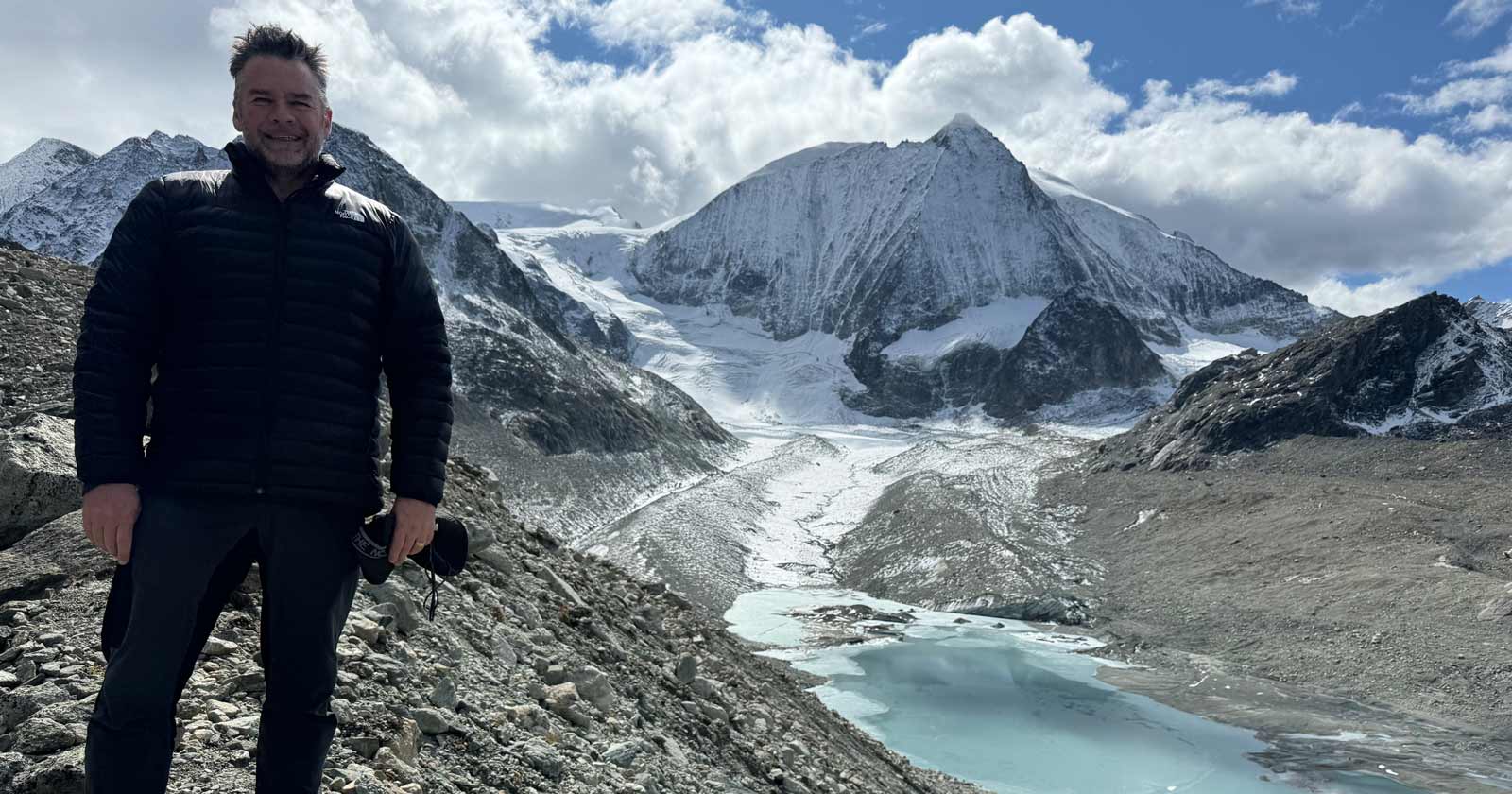
As we continued higher, especially on passes like the Col Termin and Col de Riedmatten, temperatures stayed stubbornly below freezing, often hitting -2°C. This is where the Terra Peak’s stand collar and internal draft flap made a real difference. Combined with my buff, the collar kept my neck warm and blocked the wind that can sap your energy over time. The elastic-bound hem and cuffs did their job too, sealing in warmth and keeping out the cold, even through gusts that seemed determined to find any weak point in our gear.
The jacket’s internal drop-in chest pocket was another useful feature. I used it to stash my phone, which doubled as my camera, so I could get it out to take a photo without exposing my hands to the cold for too long. Knowing my phone was warm, secure and still reachable was a nice bonus.
The Downside: A Minor Bulge
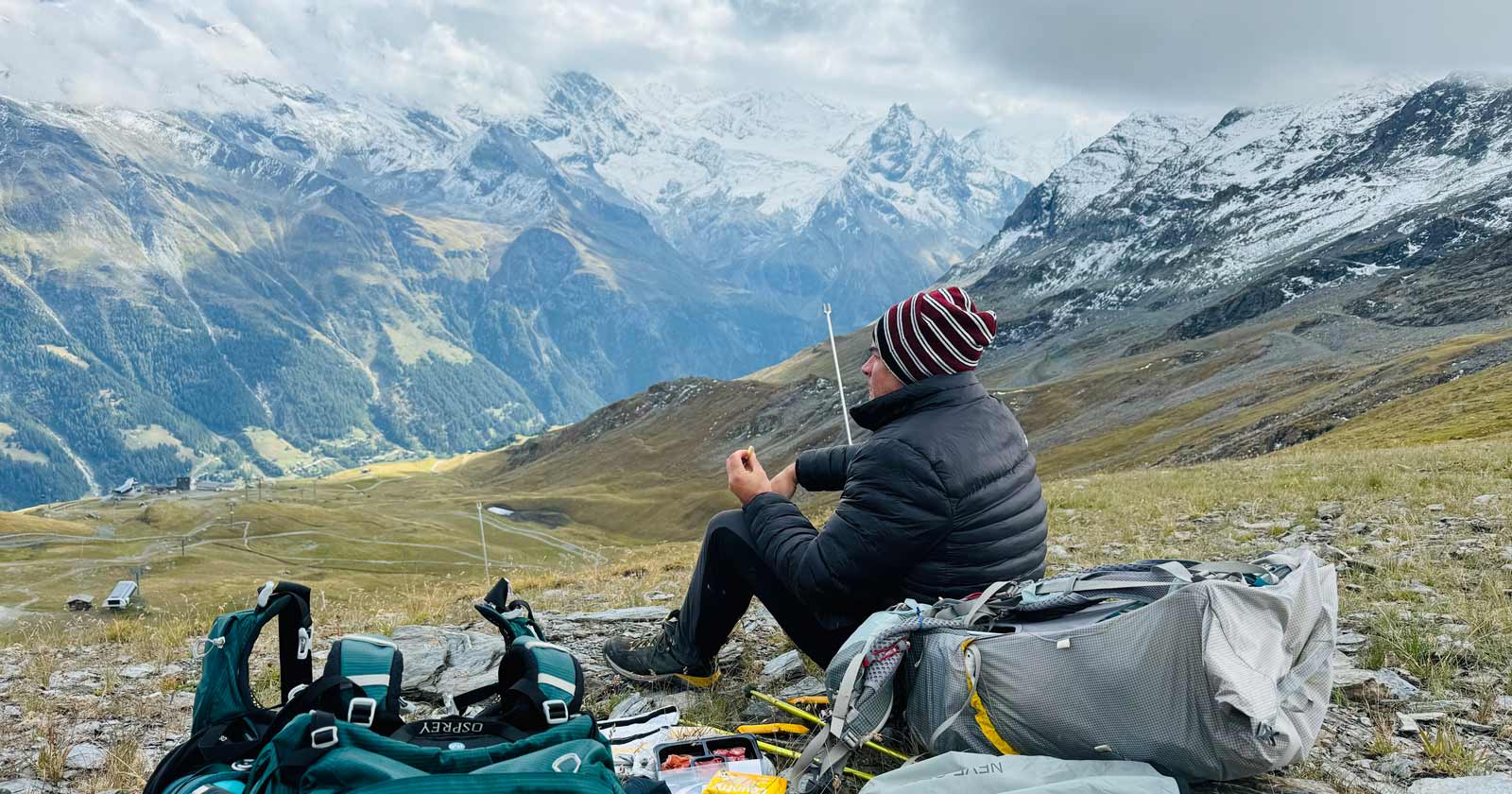
One thing I noticed, and it’s worth mentioning, is that the jacket tends to puff out a bit around the belly. It’s not a dealbreaker, but in photos it made me look a little bulkier than I am (or wish I was). I put this down to the nature of insulated puffer jackets generally, especially ones designed to pack down this small. It’s a minor vanity trade-off for the warmth and comfort the jacket provides.
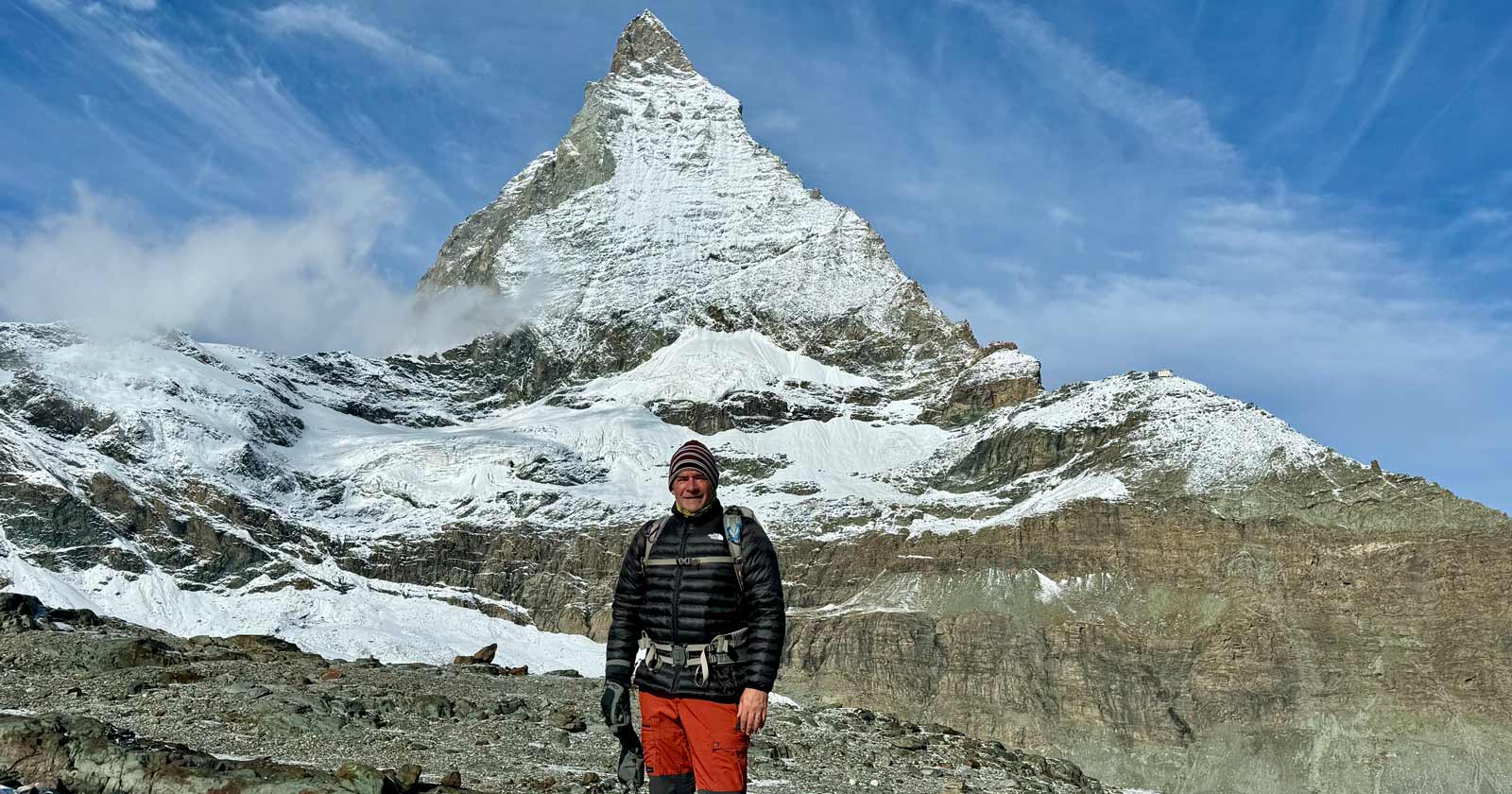
Final Days: From the Moiry Glacier to Zermatt and the Matterhorn
As we approached the final stretch of the Haute Route, descending from the Moiry Glacier towards Zermatt, the weather warmed up again. The Terra Peak Jacket, which had been a constant companion during the colder days, packed down neatly into its hand pocket and fit snugly into my backpack, barely taking up space. It had been through light rain, snow and freezing wind, and every time I pulled it out it still held its loft and warmth well.
Our trip didn’t stop in Zermatt, though. With the Matterhorn towering in the distance, we had one more challenge ahead: the Matterhorn Glacier Trail and the ascent to the Hörnlihütte, the mountain hut partway up the Matterhorn at 3,260 meters.
The Glacier Trail runs through some big terrain, and as we climbed higher the conditions reminded us we were still in the Alps’ unpredictable territory. The wind picked up and temperatures dropped as we ascended, so the Terra Peak Jacket earned its keep again. Its Pertex® Quantum fabric cut through the wind well as we approached the Hörnlihütte, and at that altitude, where you’re exposed constantly, the stand collar and internal draft flap did the most work, shielding me from the cold.
Standing at the Hörnlihütte looking up at the Matterhorn, I thought about what the jacket had actually done over the trip. It had been through sun, snow and sub-zero temperatures, and it kept us warm enough that we weren’t thinking about the cold.
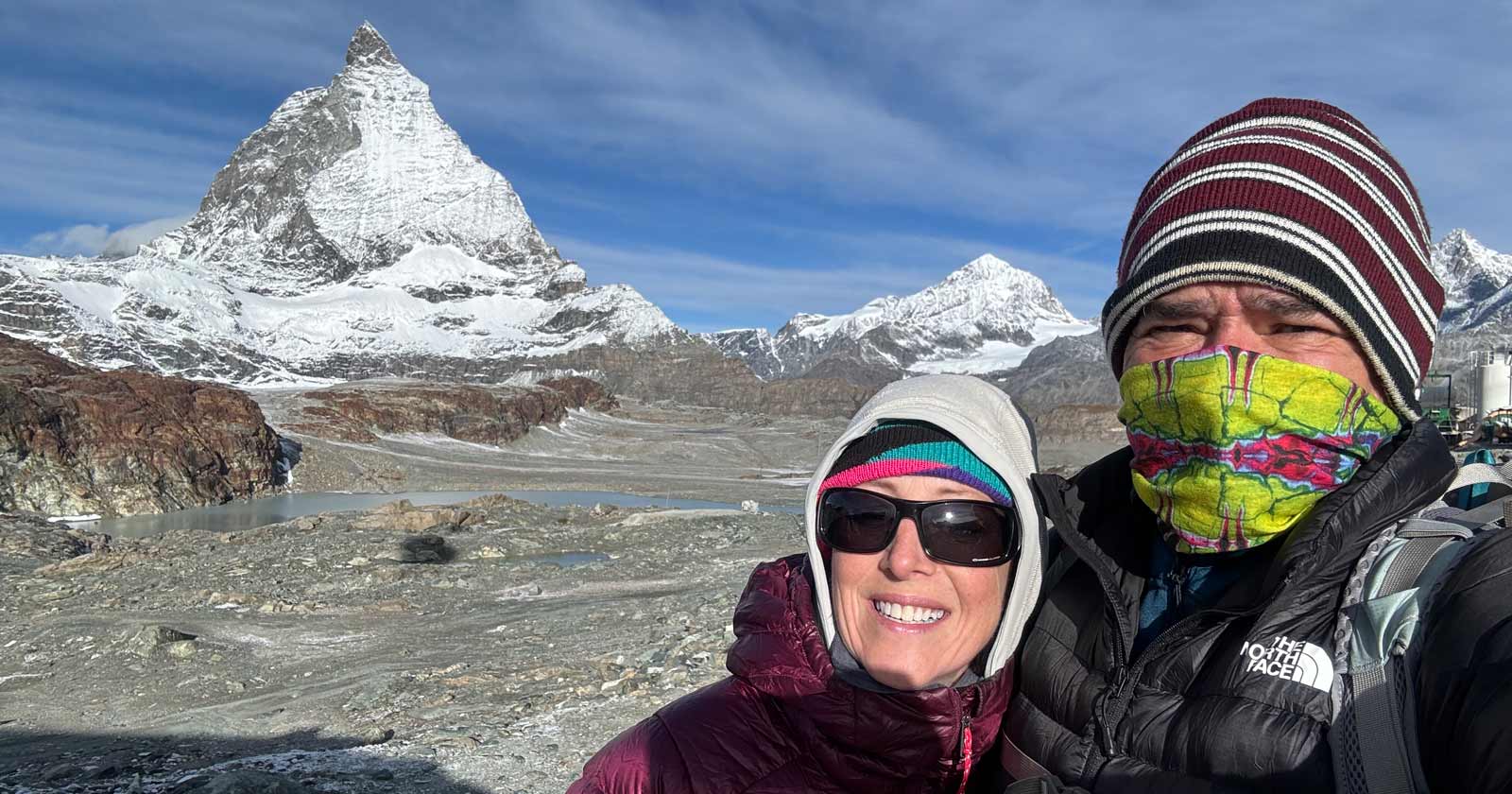
Over the whole trek, the ThermoBall™ Eco insulation and Pertex® Quantum fabric did what I needed: kept me warm in freezing conditions and blocked the wind, and because it packed down small, I could carry it without it being a burden on the warmer days.
The underarm gussets made a real difference on the more strenuous parts of the hike, and small features like the internal pocket and elastic-bound cuffs added up over two weeks of use. It does puff out a bit around the belly in photos, but that’s a trade I’m willing to make for the warmth and packability.
If you’re planning a high-altitude, multi-day trek, or just want reliable gear for unpredictable conditions, this jacket held up to everything the Haute Route threw at it over 14 days and 11 passes, without me having to think about the cold.
Where to Buy
You can find The North Face Terra Peak Jacket on The North Face’s website or through most major outdoor retailers.
RRP: $400.00 AUD
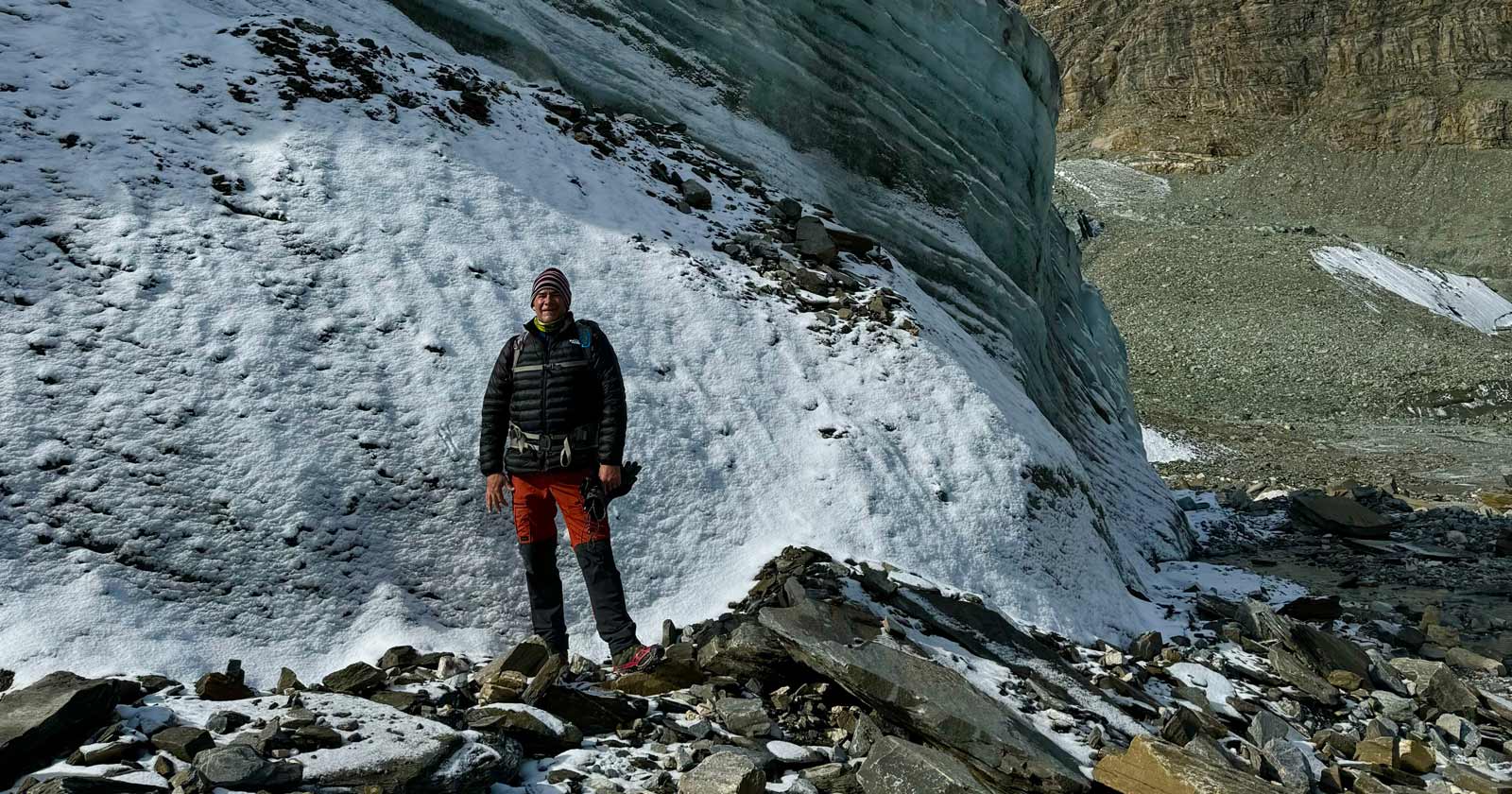
Technical Specifications of The North Face Terra Peak Jacket
For those looking for detailed specs on the North Face Terra Peak Jacket, here’s a closer look at its key features and materials, as provided by The North Face:
Insulation & Fabric:
- ThermoBall™ Eco insulation: Made from 100% post-consumer recycled polyester, this blown insulation retains loft and warmth, even in wet conditions, making it ideal for unpredictable weather.
- Pertex® Quantum fabric: This abrasion-resistant, ultra-lightweight, and durable fabric provides excellent windproof protection without adding unnecessary weight.
Key Features:
- 4-way stretch underarm gussets: For increased mobility during active movement, allowing flexibility on steep ascents or when using trekking poles.
- Internal drop-in chest pocket: Convenient storage for a phone or other small items, perfect for easy access without exposing your hands to the cold.
- Elastic-bound hem and cuffs: These provide a snug fit, helping to trap warmth and keep out cold winds at high altitudes.
- Stand collar and internal draft flap: Blocks wind and retains warmth around the neck and face, especially useful in alpine conditions.
- Stows in left hand pocket: The jacket packs down compactly, making it easy to carry without taking up much room in your backpack.
Materials:
- Body and overlay: 38 g/m² Pertex® Quantum ripstop fabric made from 100% recycled nylon.
- Underarm gussets: 89% recycled nylon, 11% elastane four-way stretch fabric for enhanced movement.
- Cuffs: 73% recycled polyester, 27% elastane interlock with FlashDry™ technology to wick moisture and maintain comfort.
Fit and Comfort:
- Standard fit with pieced-in, stretch interlock knit cuffs for added comfort and flexibility.
- Brushed tricot lining at the top of the draft flap for a soft touch against the skin.
Technology Highlights:
- ThermoBall™ Insulation: Mimics down’s ability to trap heat in small air pockets but retains warmth even when wet.
- Pertex® Quantum: Lightweight yet durable, this windproof fabric keeps warmth in while remaining breathable, ideal for high-altitude and cold-weather adventures.
Those specs match what I found using it on the trail: it kept me warm, packed down small, and held up over two weeks of variable weather on the Haute Route.
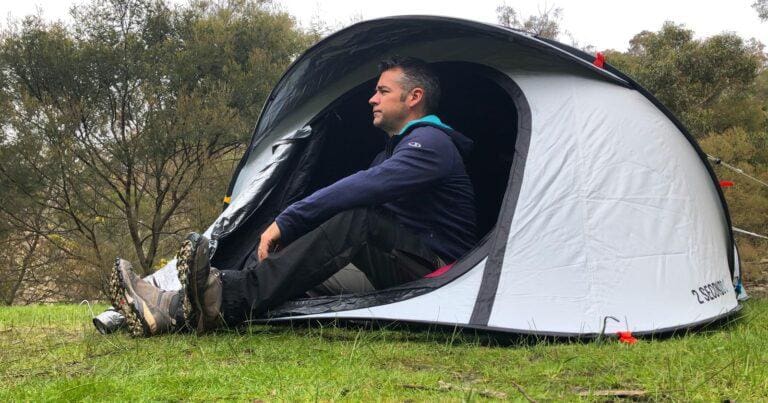




Such a versatile jacked. Who doesn’t love a good puffer?