New South Wales offers one of the broadest ranges of hiking I’ve come across anywhere in Australia. Across the state, walkers can move through sandstone escarpments, alpine peaks, rainforest gullies, coastal headlands and remote inland ranges, often within a few hours’ drive of each other. From short scenic walks to challenging multi-day routes, NSW covers an enormous variety of landscapes and trail types for hikers of pretty much any ability.
Whether you’re heading into the Blue Mountains, following the coast on the Sapphire Coast, or working through the high country around Kosciuszko, walking in New South Wales shows you a state built on both scale and diversity. Mountain, forest, coast and outback all sit within the one hiking destination, which isn’t something I can say about most other states.
Mountains, coast and rainforest
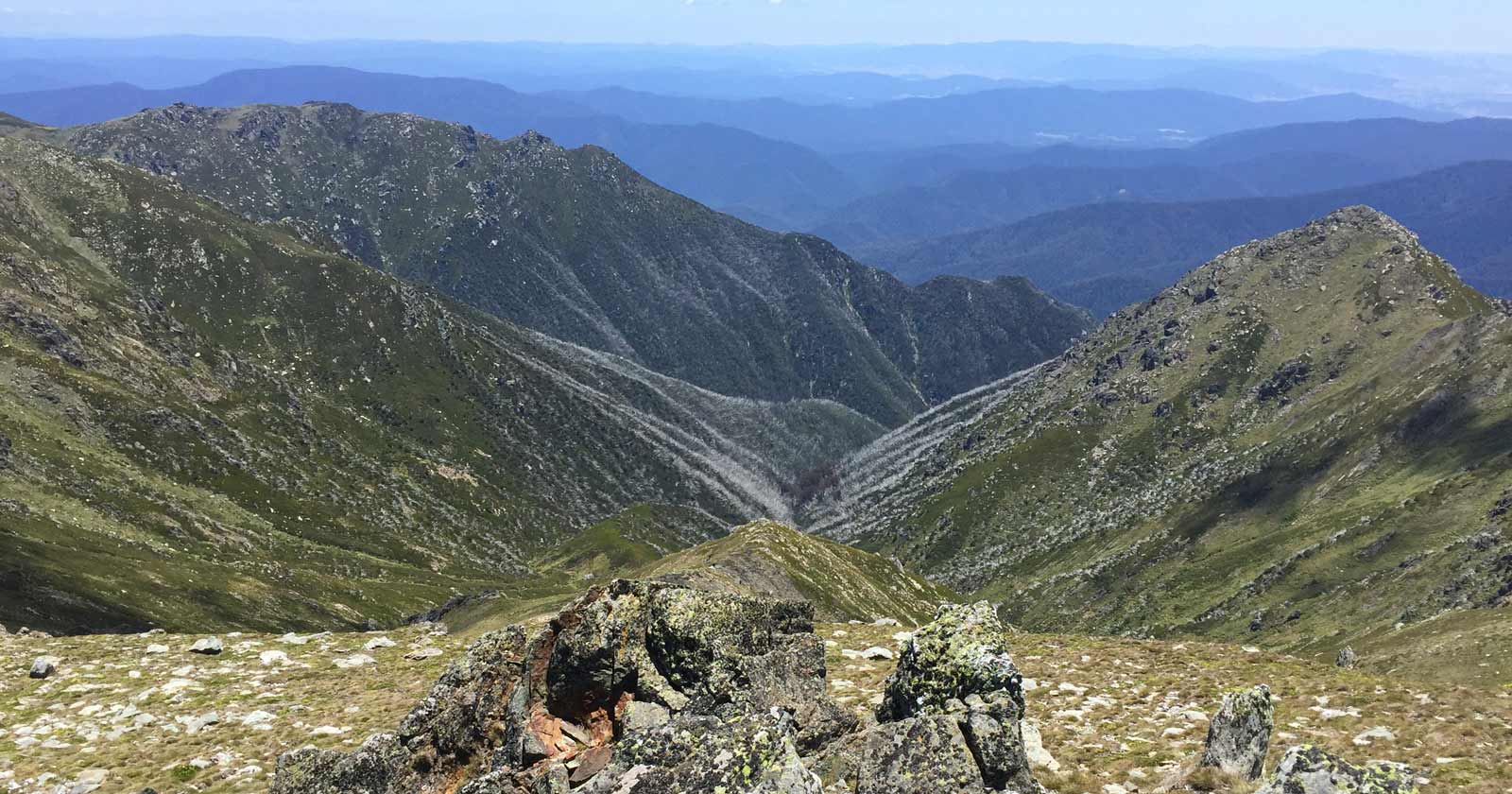
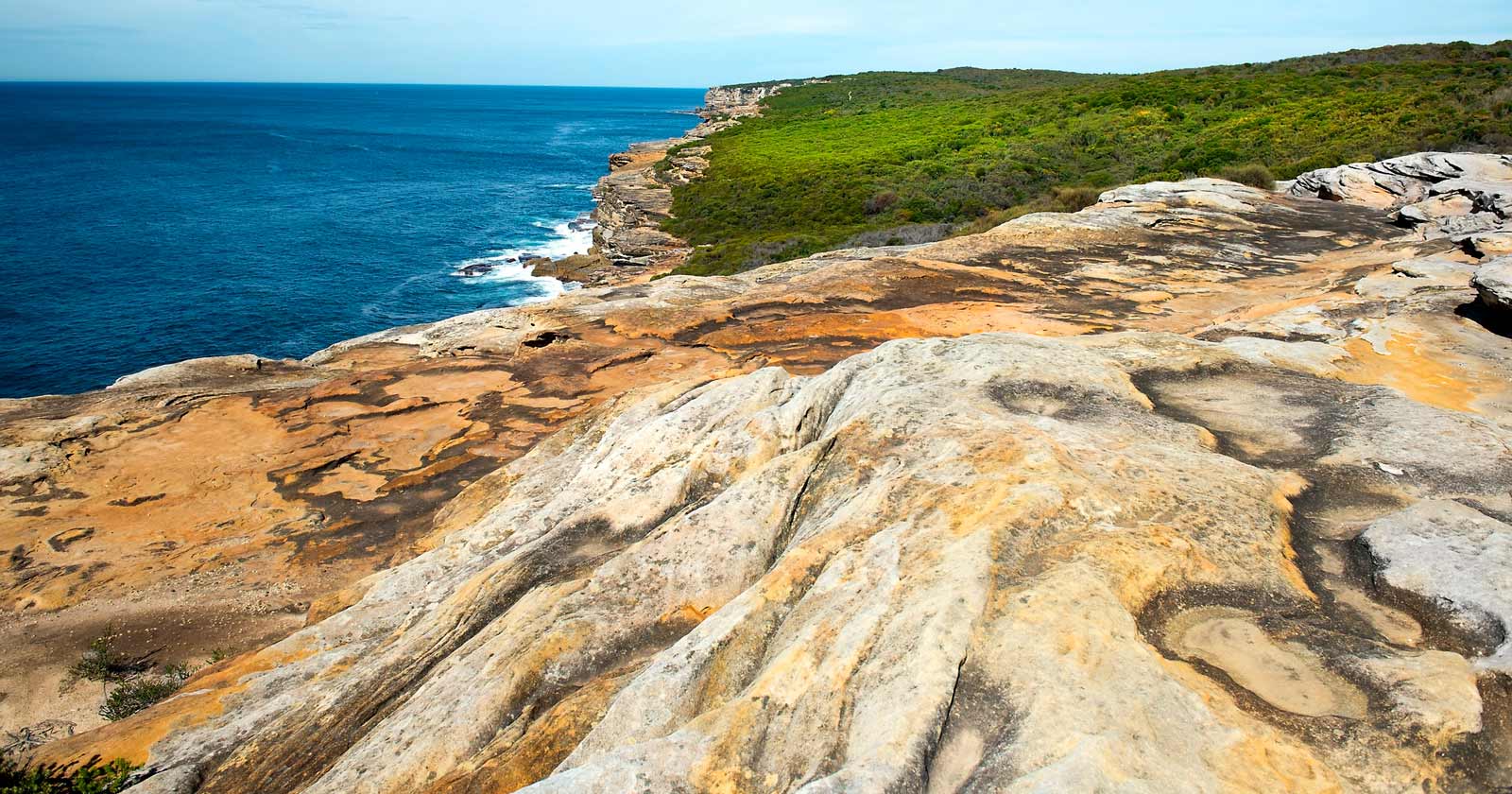
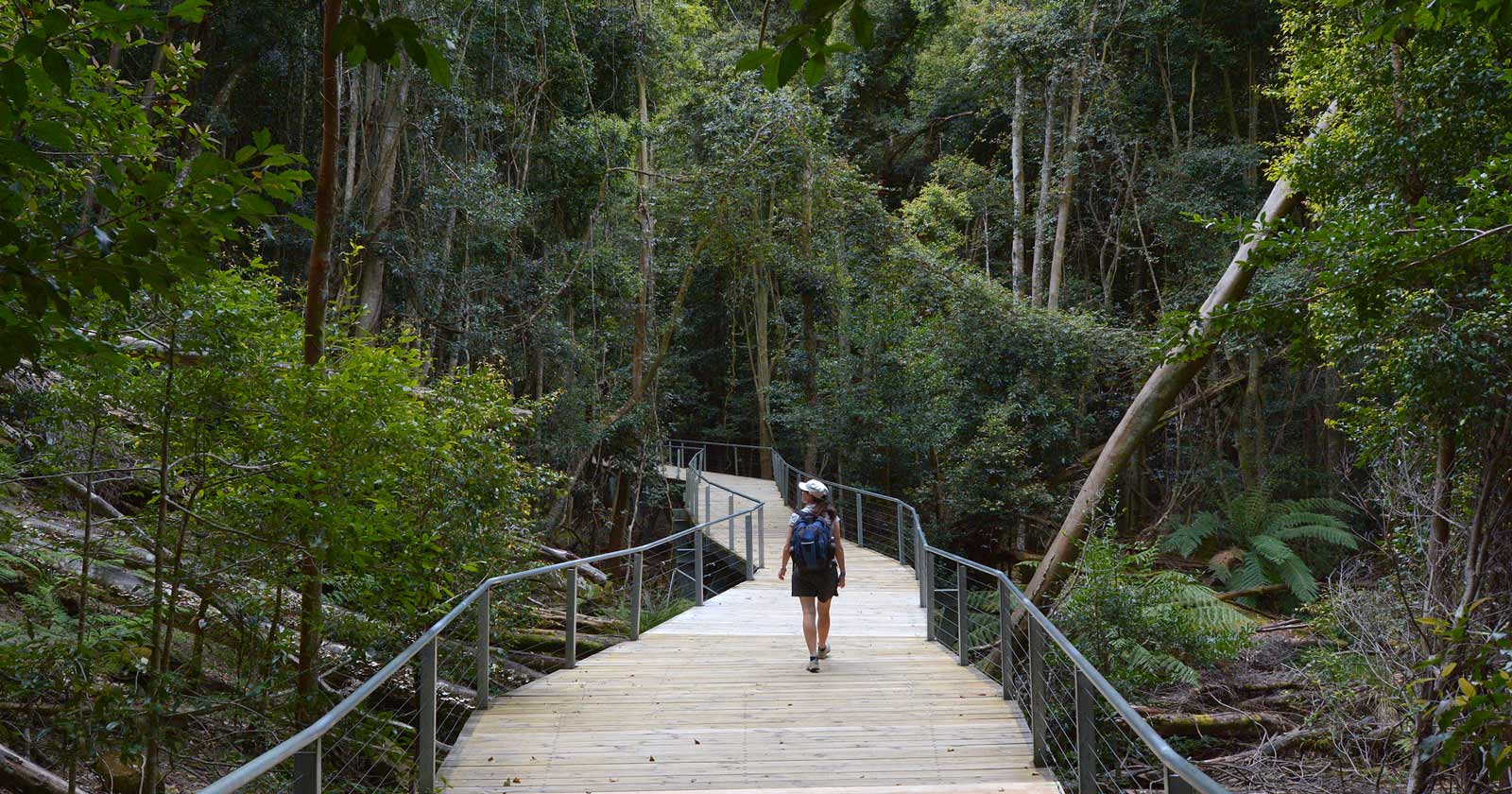
NSW packs in an exceptional mix of hiking landscapes. In the Blue Mountains, trails drop into valleys framed by sandstone cliffs, pass waterfalls and follow ridgelines with views out across forested escarpments. In Royal National Park, walkers can combine coastal scenery with pockets of rainforest and heathland, all within reach of Sydney.
On the Sapphire Coast, the Light to Light Walk links Green Cape Lighthouse and Ben Boyd’s Tower through a sequence of beaches, coastal heath and rocky headlands. It’s one of the state’s standout coastal multi-day walks, and it carries real historical and cultural weight alongside the scenery. Further north, the Solitary Islands Coastal Walk in Coffs Coast Regional Park is a flexible coastal route you can walk in full or in shorter sections, combining beaches, bushland and headlands.

Alpine and inland adventures
Away from the coast, New South Wales opens into alpine country, tablelands and remote inland parks. In Mutawintji National Park, tracks such as the Bynguano Range Walking Track pass through rugged outback country shaped by mesas, gorges and dry ranges, and it’s a genuinely different experience to anything on the coast or in the mountains further east.
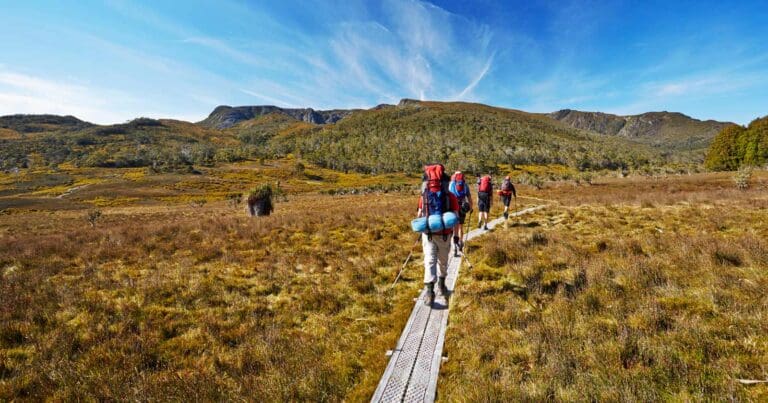
For hikers drawn to higher country, the Snowy Mountains hold some of the state’s best-known alpine walks. The Mount Kosciuszko summit walk leads to Australia’s highest peak and is one of the most accessible high-alpine hikes in the country. The region also supports a wide range of day hikes, multi-day routes and winter walking.
The Mount Solitary Walking Track circuit in Blue Mountains National Park is one of NSW’s classic multi-day challenges. This 34km loop crosses rainforest, mountain heath and eucalypt forest, and it’s about as committing a bushwalking experience as you’ll find within one of the state’s most iconic landscapes.
Beyond the main tracks
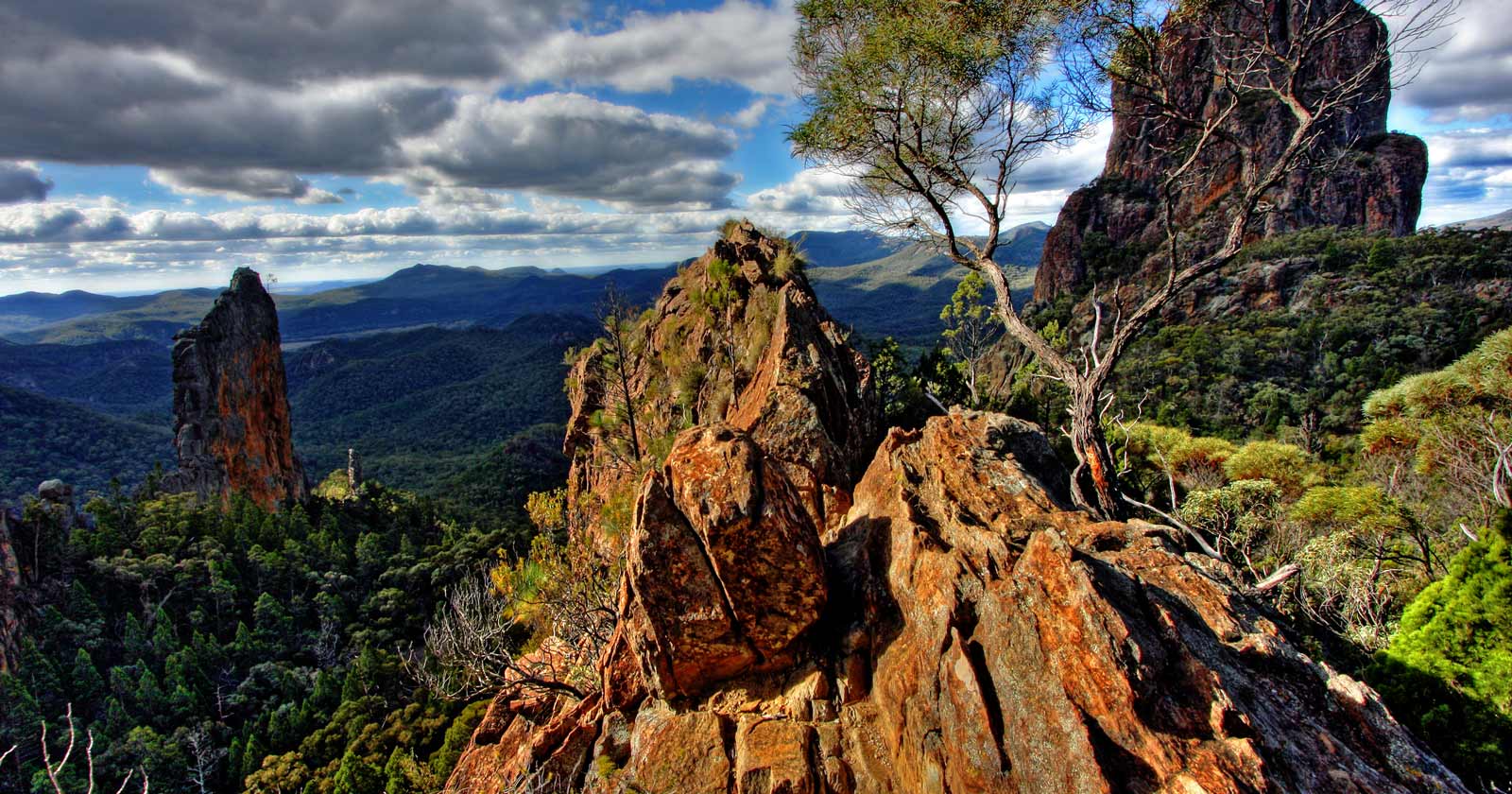
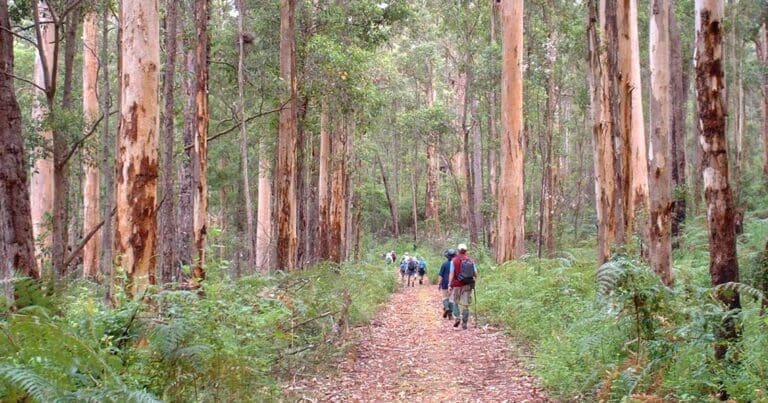
New South Wales also rewards walkers who go looking beyond the best-known trails. Kanangra-Boyd National Park has dramatic escarpments, canyons and remote plateaus, while Barrington Tops National Park combines cool temperate forest, waterfalls and elevated wilderness. In Wadbilliga National Park, more remote tracks show a less-visited side of the state with strong natural and cultural character.
These places add real depth to NSW’s hiking identity. The state isn’t just its best-known parks. It’s a much broader network of national parks, reserves and landscapes supporting walking across every region.
Walking in every season
NSW can be walked year-round, though the best conditions shift by region. Spring brings wildflowers to many tracks and is a strong time for alpine and coastal walks. Summer suits higher elevations and early starts on exposed routes, while autumn usually brings stable weather and clear conditions across much of the state. In winter, alpine areas draw experienced walkers after snow conditions, while lower-elevation coastal and forest walks stay accessible.
Walking the same trail in different seasons genuinely changes the experience. Waterfalls run strongly after rain, alpine meadows shift with snowmelt and wildflowers, and coastal tracks can turn up whale sightings during migration periods.
Planning your adventure
NSW works for hikers of every level, from families and casual walkers to experienced bushwalkers after longer and more demanding routes. Reliable information matters when you’re planning a walk, and both the NSW National Parks and Wildlife Service and Trail Hiking Australia cover trails, difficulty, access and track conditions in useful detail.
Essential Gear: No matter the walk, sound preparation matters. Comfortable, well-fitting hiking boots, enough water, food, a first-aid kit, and appropriate sun protection should be standard. Sunscreen, insect repellent, a hat and suitable clothing should be packed according to the conditions and season.
Low-impact walking: NSW’s tracks pass through many sensitive environments, so walkers should minimise their impact wherever possible. Stay on formed trails, respect wildlife and cultural sites, and follow Leave no trace principles by carrying out all rubbish and avoiding unnecessary disturbance.
Explore New South Wales on foot
New South Wales offers remarkable hiking diversity, from sandstone canyons and alpine summits to coastal headlands, rainforest gullies and remote inland ranges. Whether you’re planning a short scenic walk, a day hike or a major multi-day trip, the state gives you plenty of ways to explore on foot.
It’s one of the best ways I know to actually experience the depth and variety of NSW’s landscapes, and there’s no shortage of trails to pick from across the state.





There’s certainly some incredible tracks and trails in NSW. What’s your favourite one?