Clifftops, Rainforest and Surf Beaches South of Sydney
Overview
Royal National Park sits on Sydney’s southern edge, about 36 kilometres from the CBD, where sandstone plateaus drop to the sea and deep creek valleys cut inland through the bush. Established in 1879, it was the first national park in Australia and is still one of the most varied natural areas this close to a major city. Across roughly 16,000 hectares, the landscape shifts from ocean cliffs and sheltered beaches to estuarine foreshores, heath, woodland and pockets of rainforest.
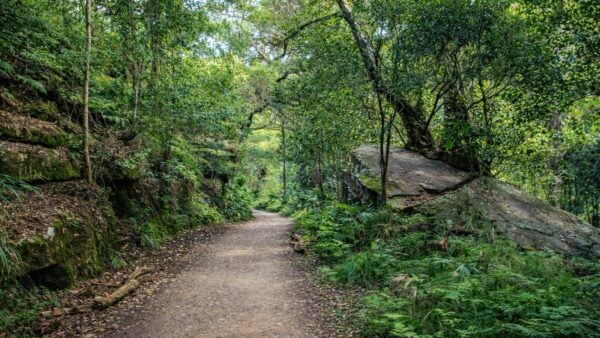
That mix gives the park a character that feels broader than its size suggests. One moment you are looking across open coast and pounding surf, the next you are in ferny gullies or beside the quieter waters of Port Hacking and the Hacking River. It is this contrast, more than any single feature, that makes the place so memorable.
Highlights
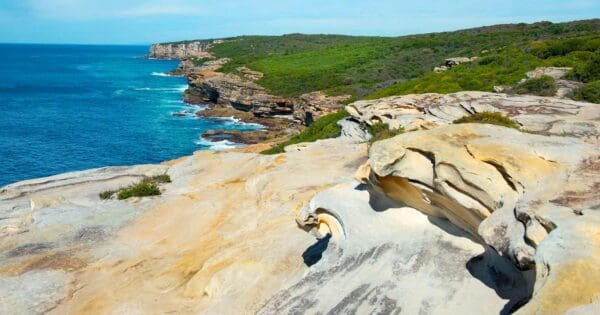
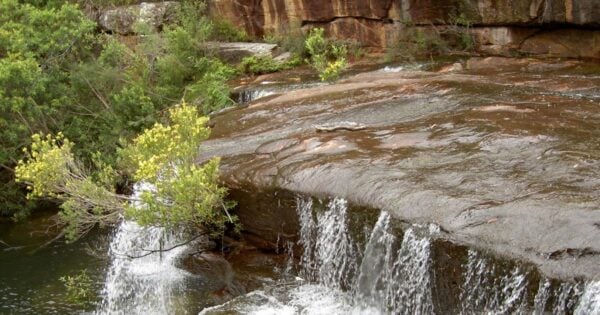
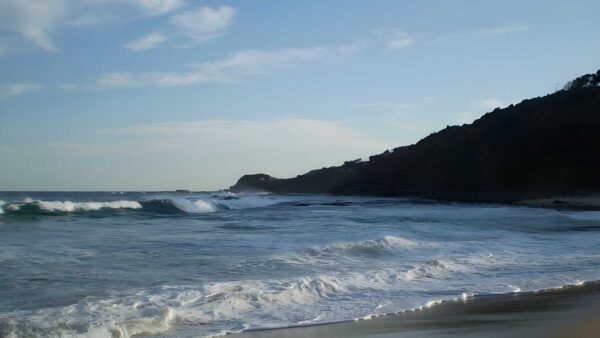
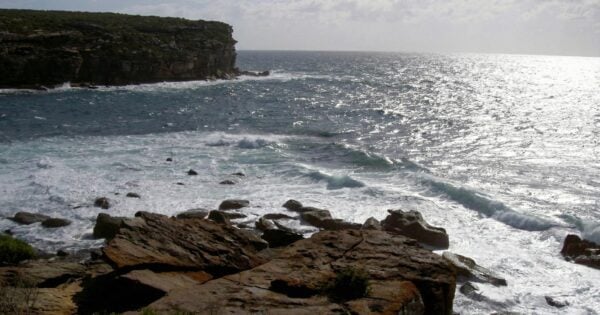
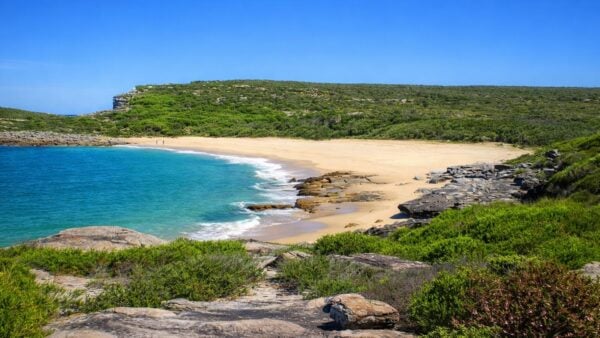
The scenery here is defined by the meeting of sandstone country and the Pacific. Long cliff lines, rock platforms and headlands shape the coast, with big ocean views running south towards the Illawarra. In places, streams spill over the escarpment straight towards the sea, including the striking falls at Curracurrang.
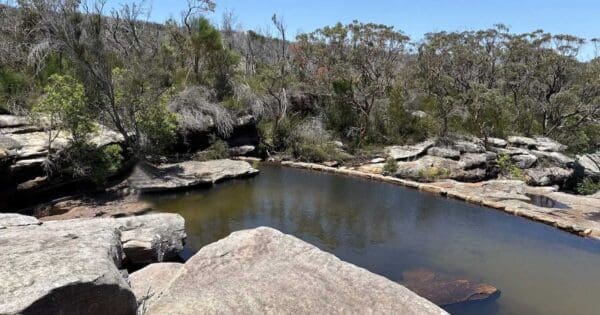
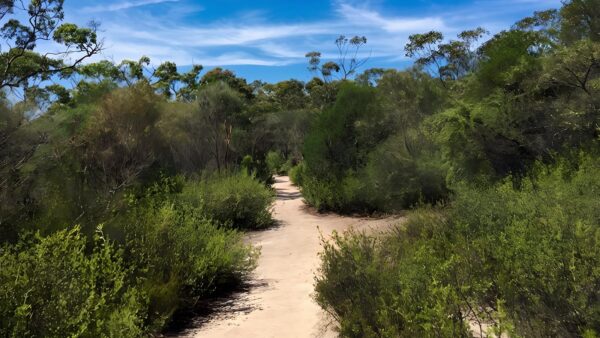
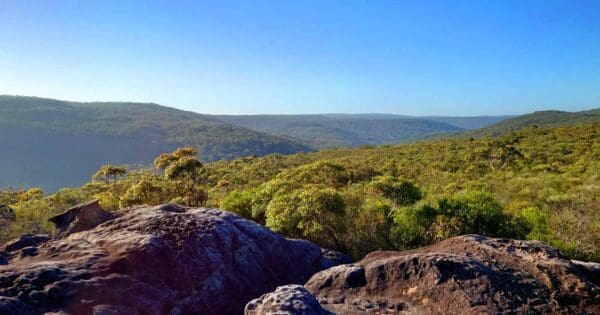
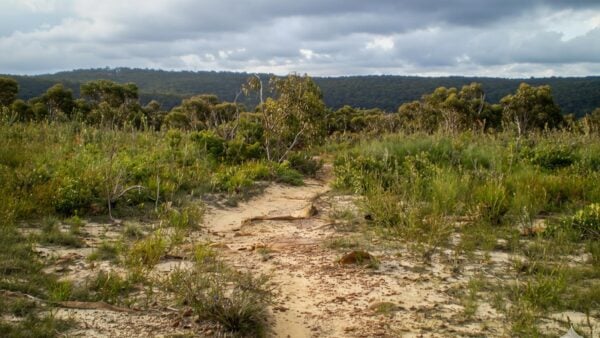
Away from the coastline, the park opens into a different kind of landscape. Around Audley and along the Hacking River, calm water and forested slopes give the centre of the park a softer feel, while the plateau country carries broad heathland, creek systems and weathered sandstone formations. The result is a park with a strong sense of variety rather than one single scenic note.
Best Time to Visit
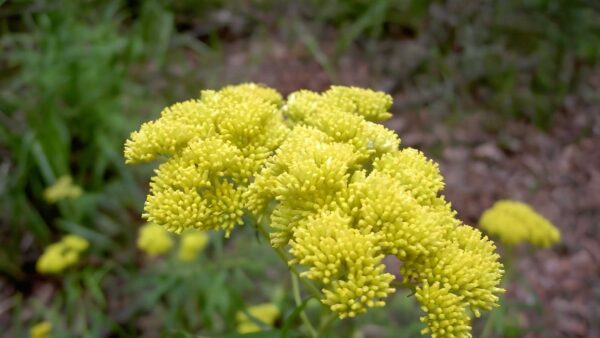
Royal National Park is rewarding year round, but spring is especially good if you want to see the heathlands at their best, with wildflowers bringing colour to the sandstone country. Winter is another standout season, when the air is often clearer for coastal views and whales can be seen moving along the cliffs from June to August.
Summer suits readers who are drawn to the park’s beaches, lagoons and swimming spots, while the greener gullies and rainforest pockets can be pleasant in the warmer months as well. Conditions can vary a lot between the exposed coast and sheltered valleys, so the feel of the place changes with the season.
Plants and Animals
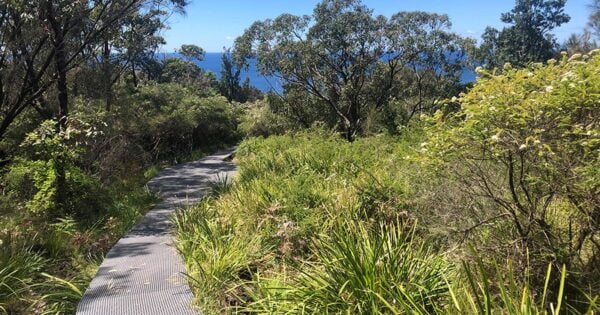
The plant life is unusually varied for a park so close to Sydney. Hawkesbury sandstone supports heath and woodland across the plateau, while Narrabeen shale and the moister creek lines allow taller forest and rainforest to develop. In spring, the heathland is one of the most distinctive sights in the park, with seasonal wildflowers spread across the open country.
This spread of habitats supports a rich mix of birdlife and native animals. The park is well known for birdwatching, and its blend of coast, estuary, forest and heath creates room for very different species within a relatively compact area.
Culture and Heritage
Royal National Park forms part of the lands of the Aboriginal people of the Dharawal language group, and Aboriginal people retain a significant cultural connection to this Country. The park also holds a long place in the history of conservation in Australia, with its dedication in 1879 marking the first area of land reserved as a national park in the country.