Sorry, no records were found. Please adjust your search criteria and try again.
Sorry, unable to load the Maps API.
Explore stunning hiking trails of Wadbilliga National Park
Discover the diverse trails of Wadbilliga National Park, New South Wales, offering hikes and walks for all skill levels and interests. Find your perfect adventure today.
Discover 2 hiking trails in Wadbilliga National Park
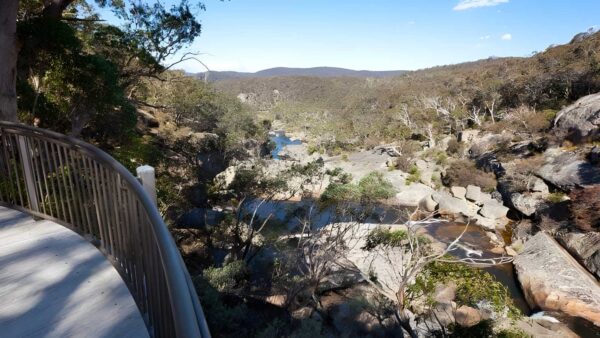

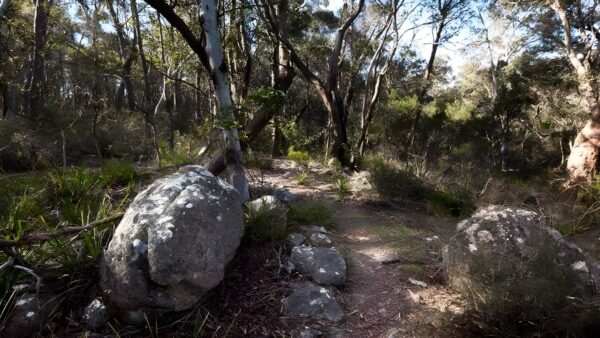

Granite gorges, escarpment country and the Tuross headwaters
Overview
Wadbilliga National Park is a large, remote park in south-eastern New South Wales, covering 98,530 hectares. It sits across the high country between the Monaro and the South Coast, where broad plateaus and escarpment country drop towards the coastal plain. The scale of the place is part of its character. Much of it feels rugged and quiet, with long stretches of forested country broken by river valleys, rocky outcrops and steep-sided gorges.
The park was established in 1979, and its size and relative remoteness still shape the experience of being here. This is country where the landscape itself stands out most strongly: big distances, old rock, deeply cut waterways and a sense of moving from inland tablelands towards the coast.
Highlights
What makes Wadbilliga memorable is its dramatic change in terrain. Ancient granite cliffs, steep gorges and undulating plateaus give the park a bold, high-country feel, while the escarpment creates a striking transition down towards lower country. The scenery around Tuross Falls and the Tuross River Gorge is one of the park’s defining features, with water cutting through rocky country on its way east.
There is also a strong sense of scale here. Open rocky areas, forested slopes and long valley lines combine to give the park a raw scenic character that feels quite different from the more settled parts of the South Coast.
Wadbilliga is also culturally significant to the Yuin people. Traditional routes through the rugged escarpment followed ridgelines, high country and river corridors, with some later becoming bridle tracks used by European settlers to move stock and produce between the tablelands and coast.
Best Time to Visit
Autumn and spring are usually the most comfortable times to spend time in Wadbilliga National Park, when temperatures are milder and the contrast between escarpment forest, river country and open rocky ground is especially easy to appreciate. Summer can bring hot conditions, while winter tends to suit walkers who enjoy crisp air and clear light across the high country.
Because the park spans elevated inland country as well as lower slopes towards the coast, conditions can vary across different parts of the park. That seasonal mix is part of what gives Wadbilliga its changing character through the year.
Plants and Animals
Wadbilliga protects a rich mix of plant and animal life across open forest, woodland, heath, swamps, bogs and pockets of rainforest. Vegetation changes with elevation, from yellow box and forest red gum in the Wadbilliga Valley to silvertop ash and snow gums on higher country, with unusual mallee and dwarf she-oak communities occurring on parts of the plateau.
The park supports a significant population of greater gliders, along with spotted-tailed quolls, swamp wallabies, eastern grey kangaroos, wombats, platypuses and echidnas. More than 120 native bird species have been recorded, including lyrebirds, while powerful, masked and sooty owls are among the nocturnal species found here. Diamond pythons are also part of the park’s fauna, particularly around rocky areas. The combination of escarpment, river corridors and extensive forest makes Wadbilliga important for wildlife as well as scenery.
Find more places to explore…
Help expand the trail collection!
Know of an official trail not listed on Trail Hiking Australia? I’m focused on showcasing the best tracks managed by land managers, and I’d love your help! Sharing a trail adds to our community and helps others discover safe, new adventures.
Submit your trail here