Ancient Ranges and Desert Gorges at Mutawintji
Overview
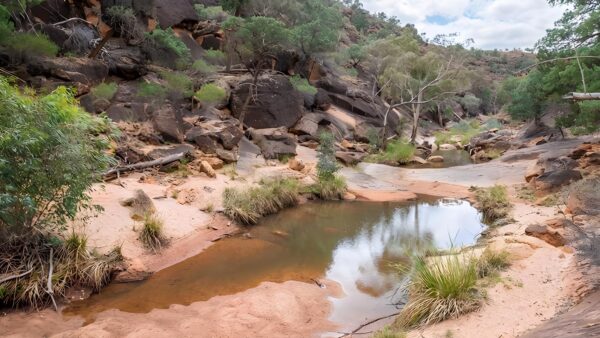
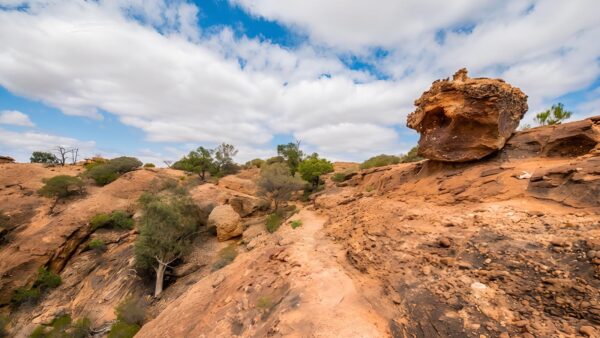
Mutawintji National Park sits in far western New South Wales, about 130km north-east of Broken Hill. This is a big outback landscape of red rock, rugged ranges, dry creek lines and open plains, with the Bynguano Ranges giving the park much of its character. The country feels old in every sense, with rock formations and landforms that give the place a stark, strongly defined look.
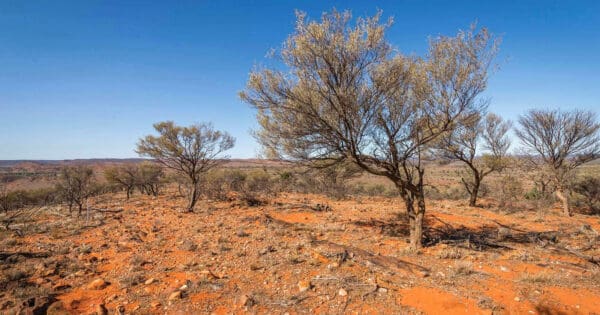
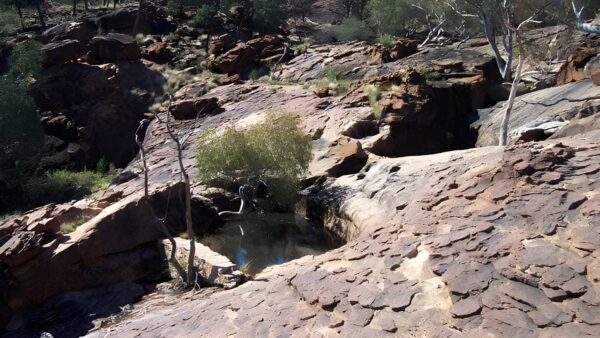
What stands out here is the contrast between hard rocky ridges and the wider saltbush and mulga plains that spread away from them. Even within a relatively compact area, the scenery shifts from narrow gorges and rockholes to broad desert country, which is why the park feels so visually rich without needing big elevation or dense forest to make an impression.
Highlights
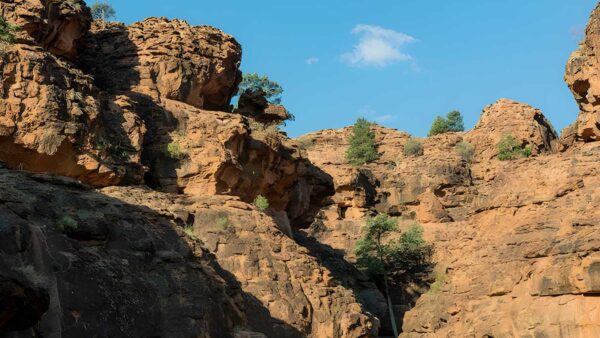
The scenery at Mutawintji is built around weathered ranges, rocky escarpments and deep-cut gorges. The Bynguano Ranges are especially distinctive, changing colour with the light and giving the whole park a strong red and ochre palette. Around them, the terrain opens into mulga and saltbush plains that run right to the horizon.
Geology is a major part of the park’s appeal. The landscape preserves very old rock formations and fossils, and the gorges, split rock faces and water-shaped creek corridors show just how much of the park’s form has been carved by time and erosion. It is a place where the bare bones of the country are always on show.
Best Time to Visit
Autumn, winter and spring are the best times to visit, when daytime conditions are generally more pleasant for walking and spending time outdoors. Summer can be intensely hot, which changes the feel of the park completely and makes the exposed rocky country much harsher.
Plants and Animals
Mutawintji’s plant life reflects its dry inland setting, with mulga and saltbush shaping much of the wider landscape. In the gullies and along sheltered watercourses, the vegetation breaks up the rock and helps soften the harsher edges of the ranges.
The park supports a strong mix of outback birdlife and desert-adapted animals. Wedge-tailed eagles, peregrine falcons, short-billed correllas, zebra finches, budgerigars and apostle birds are all part of the birdlife here, while goannas and snakes are regular residents. One of the species most closely associated with the rocky country is the endangered yellow-footed rock-wallaby, which shelters among the ridges and escarpments.
Culture and Heritage
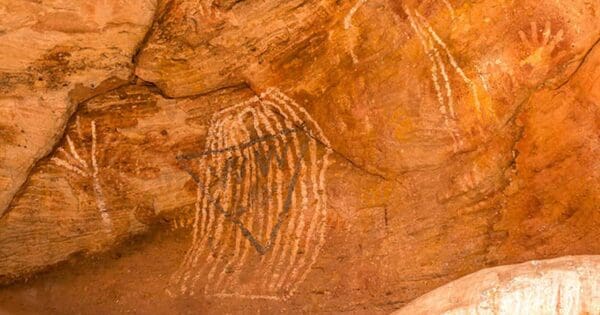
Mutawintji is the traditional land of the Pantjikali, Wanyuparlku, Wilyakali and Malyangapa people, and it has long been a significant meeting place for communities from across the region. Ceremonies including initiations and rainmaking were held here, and the area remains a place of living cultural importance.
The broader Mutawintji lands were the first national park and associated lands in New South Wales to be handed back to Aboriginal owners and then leased back to the state under a formal joint management arrangement. The park and historic site also protect an exceptional concentration of cultural places, including rock engravings, stencils, paintings and other evidence of long occupation.