Think Before You Trek is a bush safety initiative run jointly by NSW National Parks and Wildlife Service (NPWS) and NSW Police Force. It’s built around a simple four-point framework that covers the basics of safe hiking in NSW national parks.
It’s a good starting point. This guide explains what each step involves and why it matters, particularly for remote terrain, multi-day walks, and solo hiking where the consequences of poor preparation escalate quickly.
Why Preparation Matters in NSW National Parks
NSW national parks cover enormously varied terrain, from the deep gorge systems of the Blue Mountains to the alpine environment of Kosciuszko and the remote coastal ranges further north. Conditions can change rapidly. Tracks can be faint, unmarked, or closed without obvious signage. Mobile coverage disappears fast once you leave the main corridors.
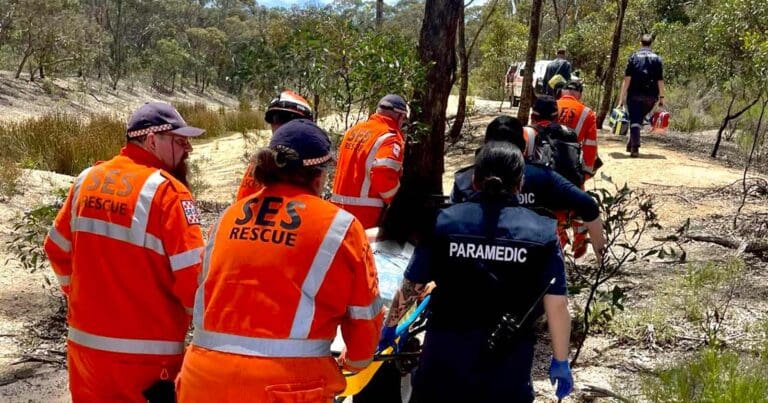
NPWS and NSW Police conduct between 100 and 120 search and rescue operations in the Blue Mountains alone each year. The majority involve walkers who underestimated the terrain, ran short of water or daylight, or had no way of communicating their location when something went wrong.
Most of those incidents were preventable.
The TREK Framework
The TREK acronym gives you four practical checkpoints before you leave the trailhead.
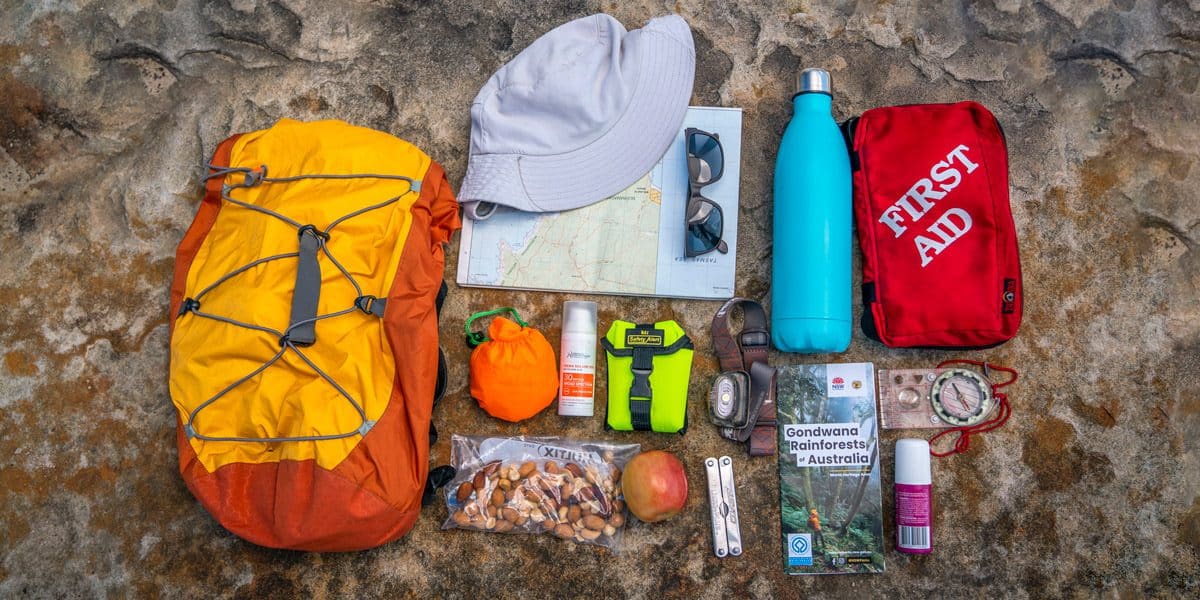
T – Take Enough Water, Food, Equipment and First Aid Supplies
This is the foundation. Everything else in your safety system depends on having enough resources to manage delays, route changes, and unexpected conditions.
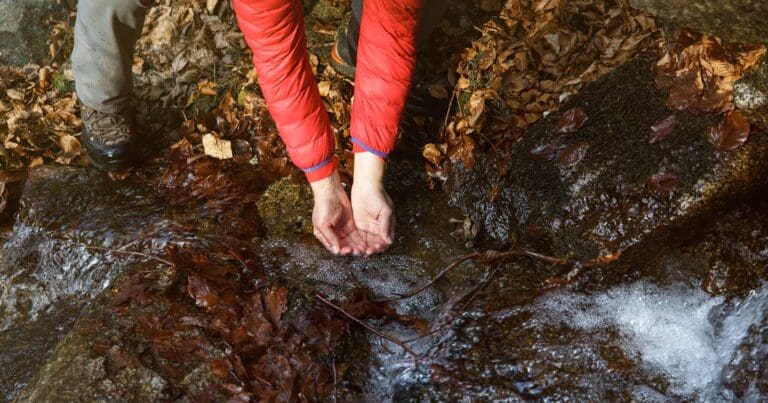
Water is the critical one in NSW. Heat, dry conditions, and longer-than-expected days catch hikers out regularly. Carry more than you think you need, know where reliable water sources are on your route, and have a treatment method for any water you collect on the trail.
Food and a basic first aid kit support your capacity to make decisions under pressure. Fatigue and low blood sugar affect judgement before you notice the effect on your body. Water planning is covered in more detail here.
R – Register Your Trip
Use the NPWS Trip Intention Form to record where you’re going, who you’re with, and when you expect to return.
Lodging a form does not trigger an automatic rescue. Your nominated emergency contact needs to notify Police if you fail to return, they will then use the form to plan a search response. Without it, searchers are working blind on your last known location and estimated route.
This is one of the lowest-effort, highest-value safety steps you can take. It costs two minutes and can significantly reduce response time if something goes wrong.
E – Emergency Personal Locator Beacon (PLB)
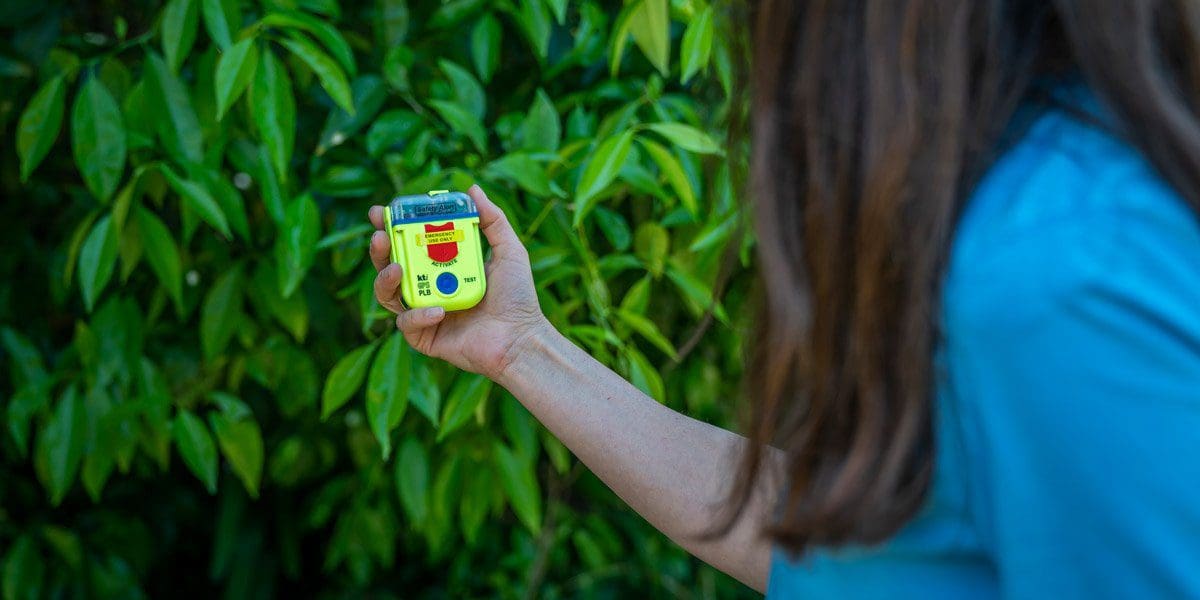
A PLB is a hand-held device that sends your GPS coordinates directly to emergency services when activated. It works without mobile coverage, which is exactly the condition you’ll be in when you need it most.
For remote walks in NSW national parks, carrying a PLB is strongly recommended. NPWS offers free PLB hire at six locations:
- Blue Mountains Heritage Centre
- Katoomba Police Station
- Springwood Police Station
- Snowy Regions Visitor Centre
- Tumut Visitor Centre
- Perisher Visitor Office
A PLB is a last line of defence, not a substitute for preparation. Activating one sets a significant rescue operation in motion. More on PLBs and how they work here.
K – Keep to Your Planned Route
Deviating from a planned route is one of the most common factors in search and rescue incidents. What looks like a shortcut on a phone screen often involves terrain that isn’t visible until you’re already committed to it.
Download the free NSW National Parks app before you leave home and cache the maps for offline use. Once you’re in the park without reception, you won’t be able to download anything.
If conditions change and you do need to alter your route, do it deliberately and early, not under pressure at last light.
Building on TREK
The TREK framework covers the essentials. For longer walks, more remote terrain, or solo hiking, it’s worth treating it as a minimum rather than a complete checklist.
A few additions that matter in NSW conditions:
- Start times. Early starts reduce heat exposure and give you margin if the day runs long. Most incidents that end after dark started with a late departure.
- Weather checks. NSW mountain weather moves fast. Check forecasts the night before and the morning of, not just at the planning stage.
- Turnaround times. Set a specific time at which you will turn around regardless of how close the destination feels. Commit to it before you leave.
- Telling someone in person. The trip intention form is valuable, but also tell a person, not just a form, exactly where you’re going and when to raise the alarm.
For a broader look at preparation, the THINK Before You Hike framework covers these elements in more depth alongside gear, navigation, and decision-making on the trail.
More Information
For full details on the TREK initiative visit the NPWS bushwalking safety page. Further hiking safety guidance and Leave No Trace principles are also covered on this site.
Plan like your life depends on it, because sometimes it does.
Image credit: NPWS J Spencer and R Mulally