Australia’s bushwalking clubs have been around for longer than most people realise. The tradition goes back to the late 19th and early 20th centuries, when growing interest in the outdoors led small groups to organise regular walks together, and it built on movement across country that Indigenous Australians had practised for far longer still. Those early clubs are still with us in one form or another, and they’ve become the main thing keeping Australian bushwalking culture alive, doing conservation work, skills development, track maintenance, and trail mapping as they go.
What clubs actually offer
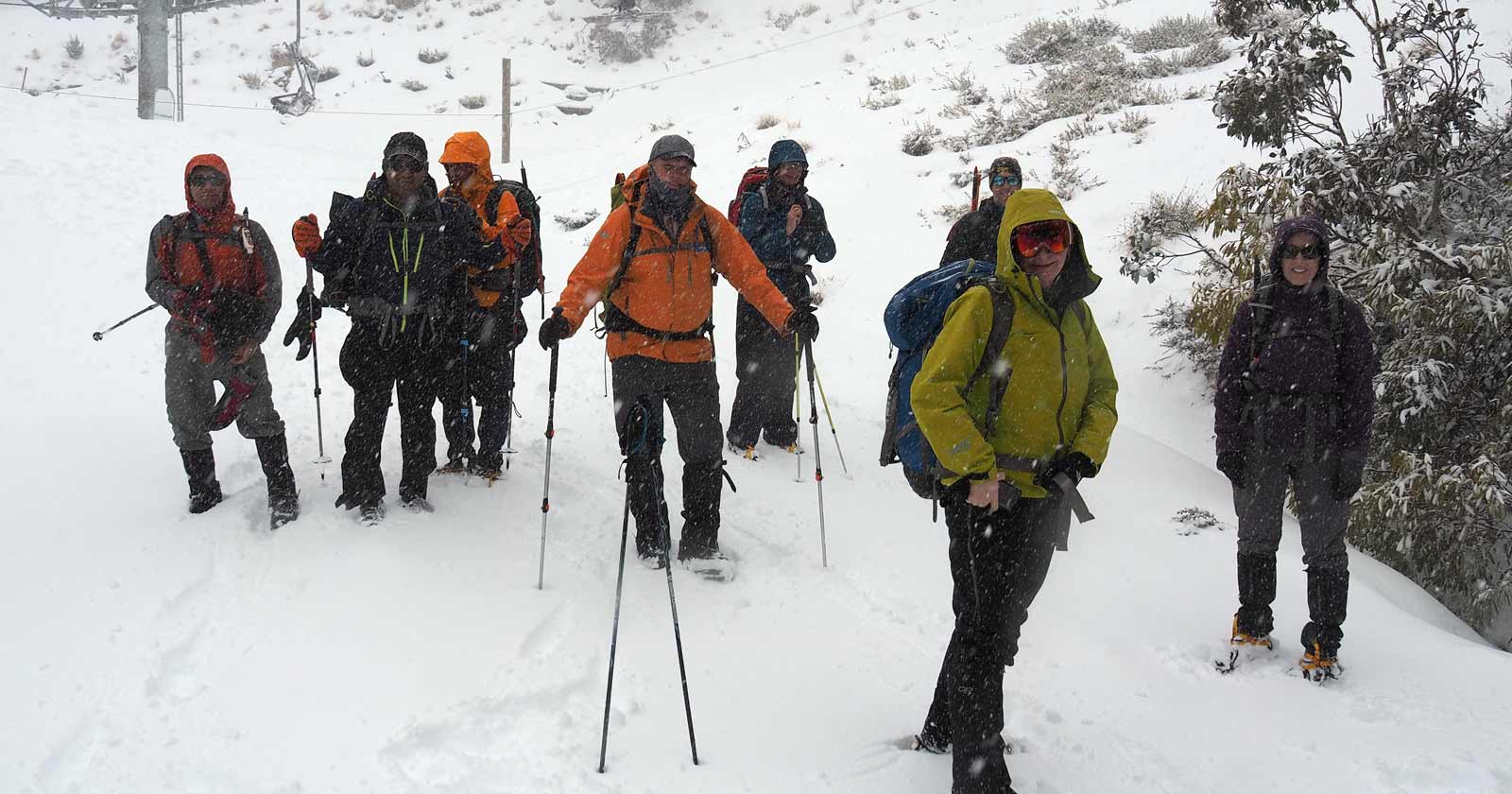
The stereotype of a bushwalking club is a group of retirees on a Sunday stroll, and while plenty of clubs do run walks at that pace, most cater to a much wider range of ages, fitness levels, and interests than people expect. Many clubs specialise: night walks timed for bioluminescent fungi, wildflower walks through spring, snowshoeing trips in winter. The variety is there if you go looking for it, and it’s one of the better reasons to join rather than just walking solo with mates.
Training and safety
The other real benefit is safety, and it’s not a minor one. Most clubs have leaders trained in first aid and risk management, and they run training in navigation, map reading, and general survival skills. That matters because a lot of what makes bushwalking dangerous isn’t the terrain itself, it’s inexperience meeting terrain without anyone around who’s seen the situation before. Walking with people who have that experience, and picking some of it up yourself, changes the risk profile of everything you do afterwards, including the trips you eventually do without the club.
The community side
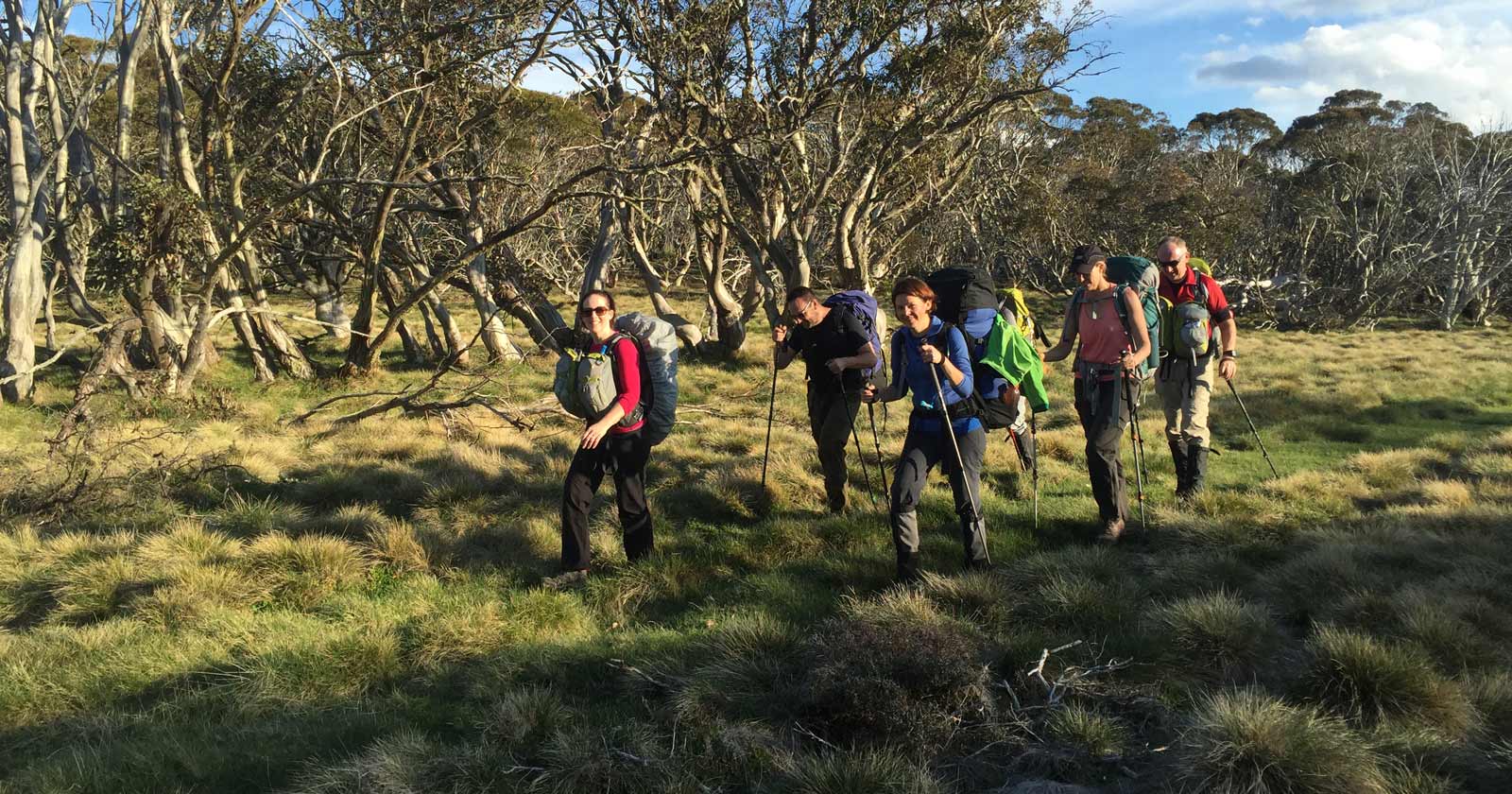
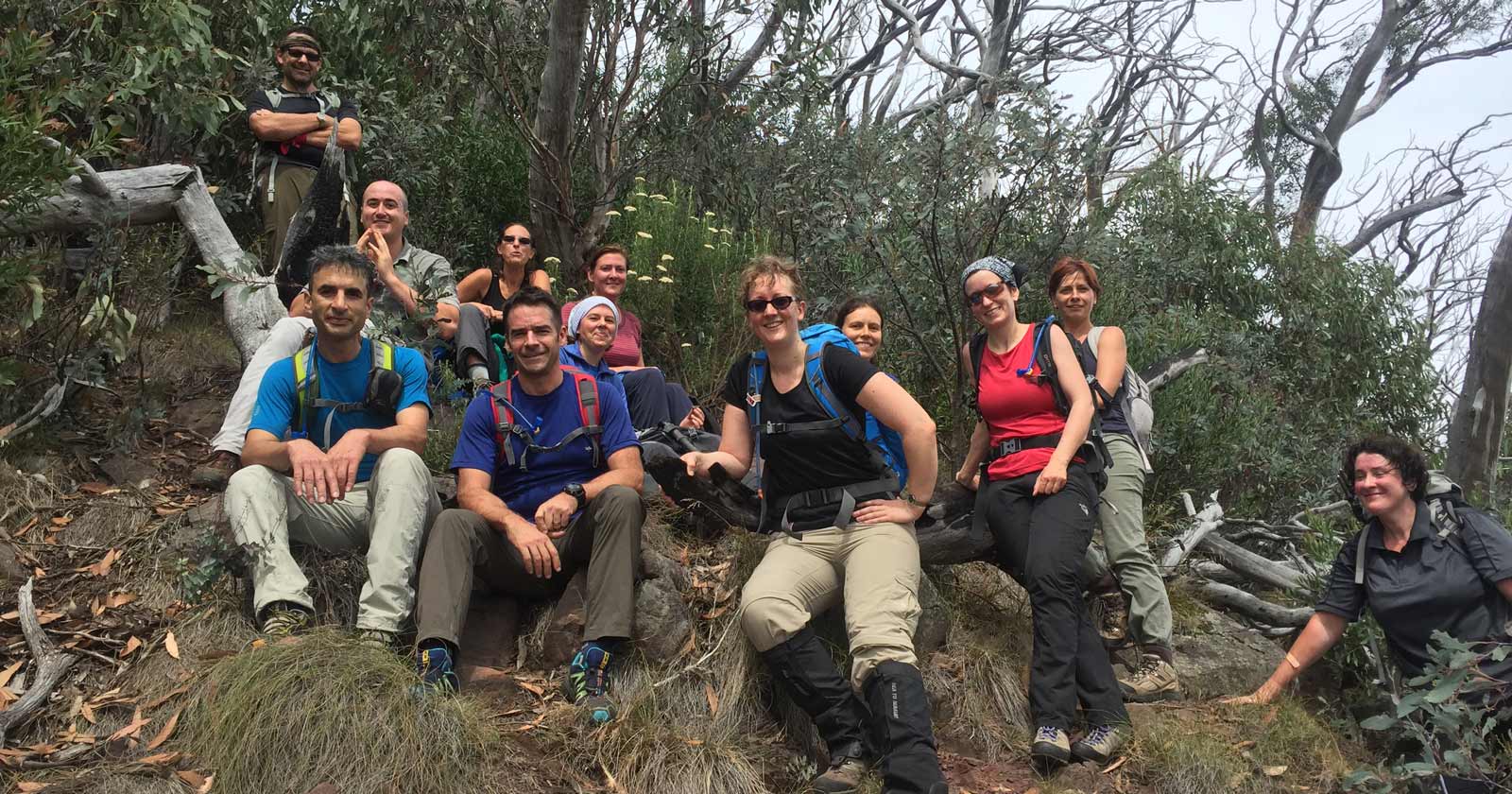
Joining a club also means joining a community, and that part tends to surprise people who came for the walking alone. Campfire conversations, pub nights, movie screenings, the usual social glue that builds around any group that meets regularly, and friendships that outlast any individual trip. That network is often what keeps people walking long after the novelty of a new trail has worn off, because it’s harder to skip a Saturday walk when you know three people are expecting you there.
Skills, conservation, and personal growth
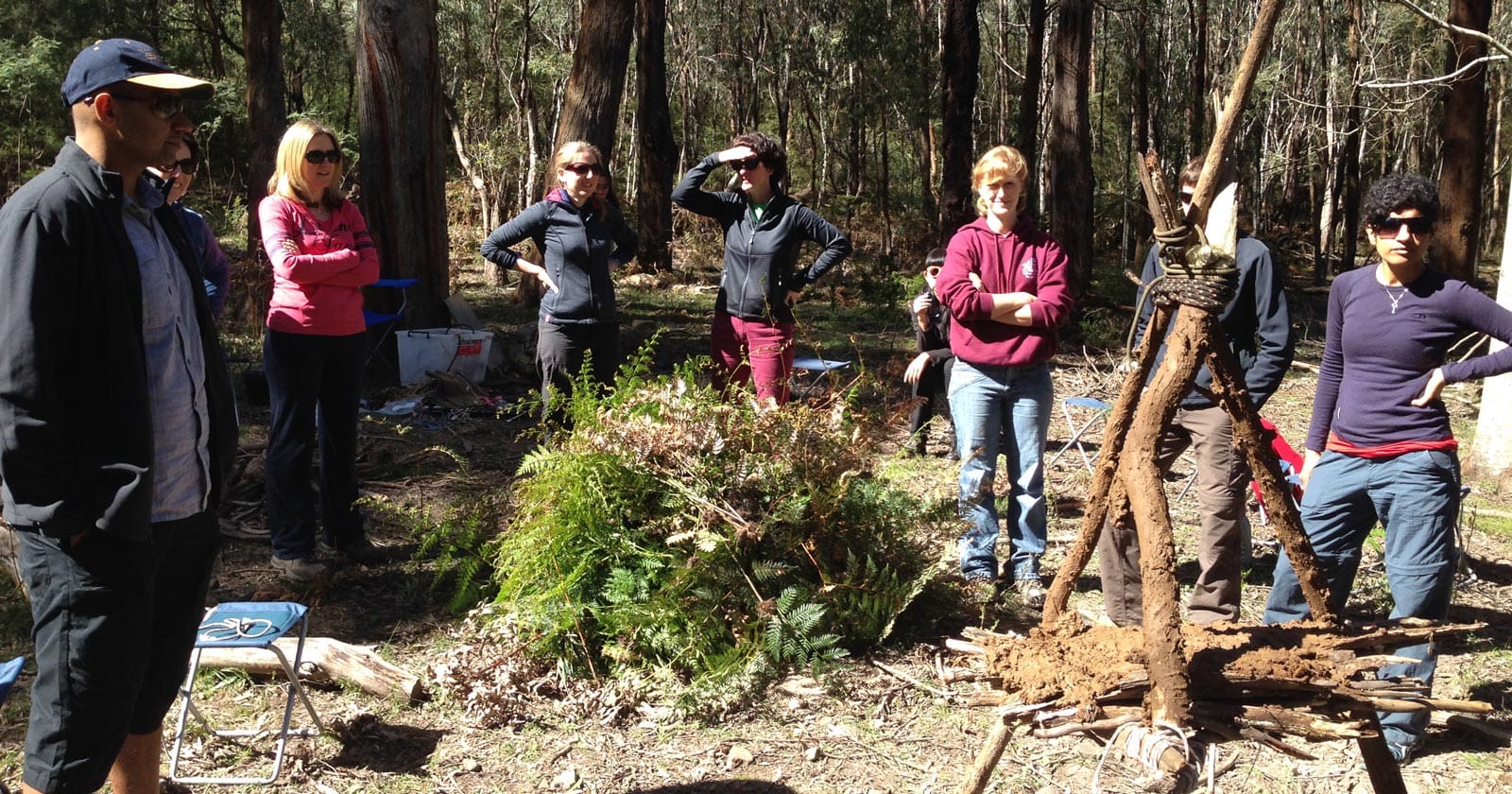
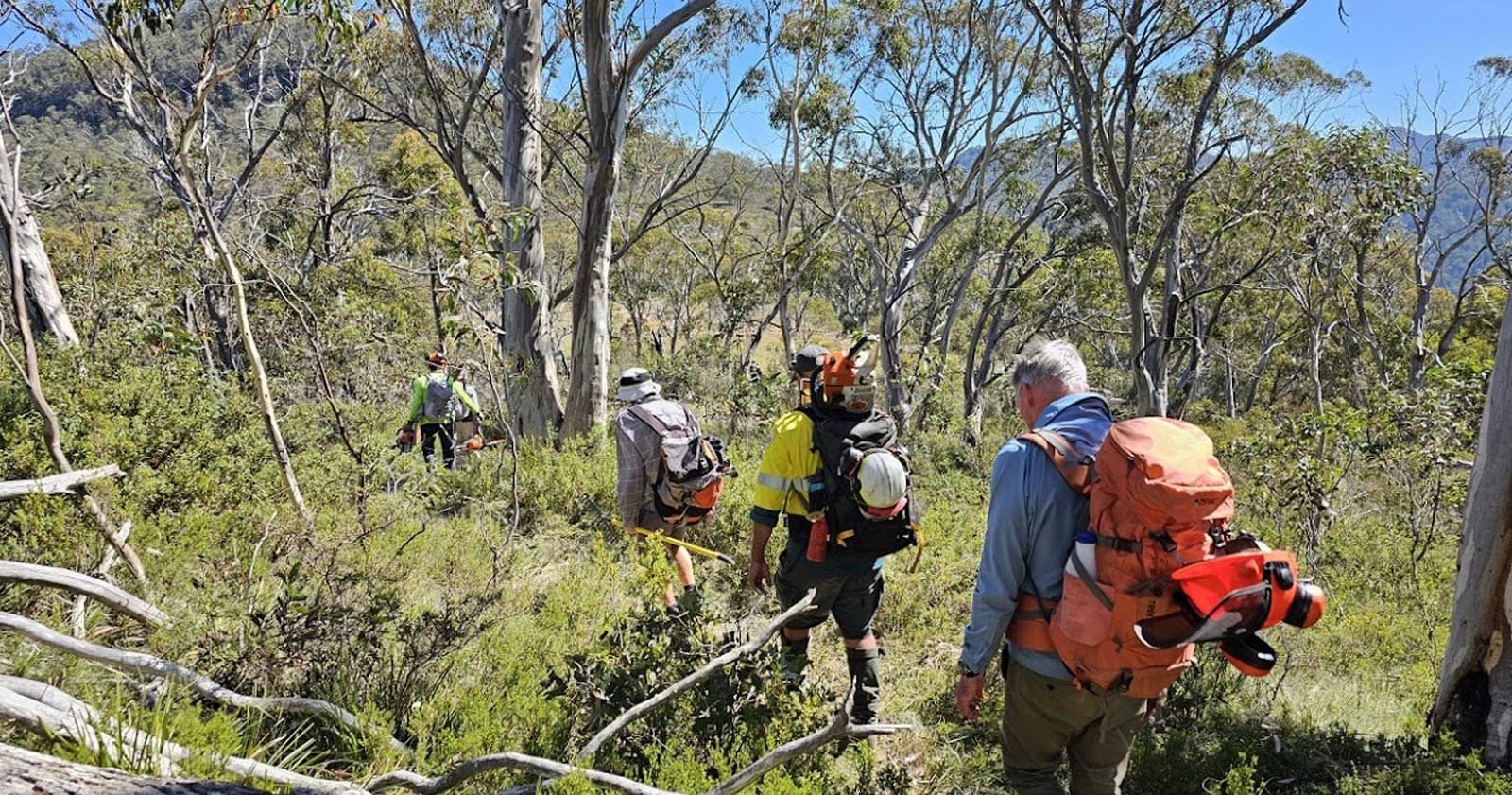
Clubs also run workshops on camping, bushcraft, and edible plant identification, which is a genuine, practical form of personal growth rather than the vague kind. Learning to navigate with a compass, set up a camp properly, or identify what’s safe to eat gives you self-sufficiency you can use well beyond club walks. A lot of clubs put that same energy into conservation work: track maintenance, habitat restoration, tree planting, citizen science projects that track wildlife populations or monitor environmental change. It’s a way of putting something back into the places you’re getting so much out of.
There’s also a health case for regular club walking that’s worth taking seriously rather than treating as a throwaway line. Walking in nature benefits both physical and mental health, and studies have linked time outdoors to lower blood pressure and reduced anxiety. A club gives that a structure, a regular walk on the calendar tends to actually happen, where a vague intention to “get outside more” often doesn’t.
If you’re not sure where to start
Most clubs run “come and try” events specifically for people who haven’t walked with a group before, and several offer rental gear if you don’t own a pack or tent yet. It’s a low-commitment way to see whether a particular club’s pace and culture suits you before signing up properly, and it’s worth trying more than one club if the first doesn’t feel like the right fit.
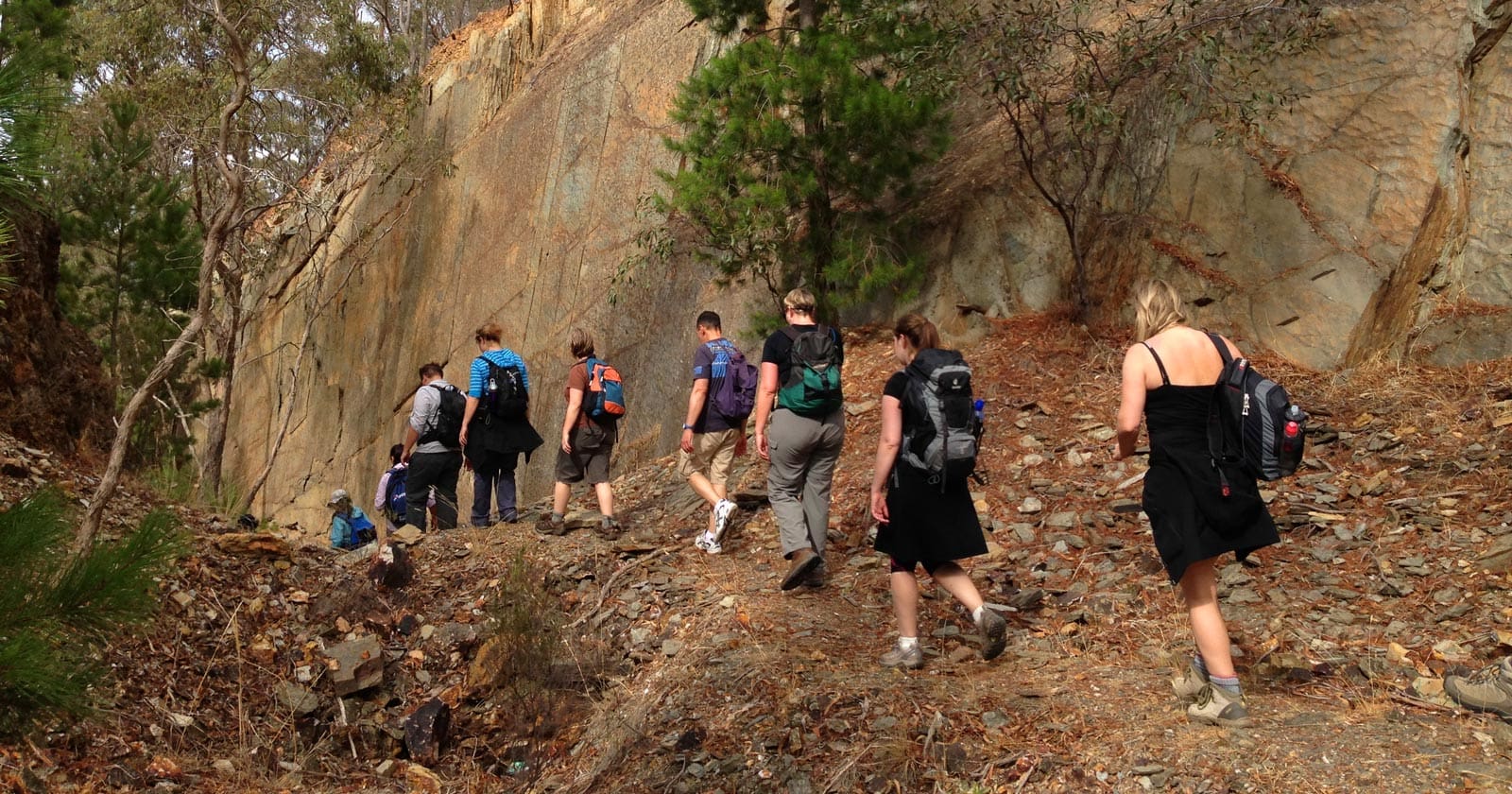
What you learn in a club doesn’t stay there. The navigation, the judgement about what conditions and difficulty level suit a given day, the habit of checking weather properly before you leave, all of it carries over into the trips you plan yourself with friends and family. Most clubs also connect to wider networks online, forums and social media groups where members swap trail information well beyond their own local area.
Joining a club is also one of the more direct ways to help protect the places you walk through. Clubs advocate for threatened ecosystems, lobby on environmental protection, and push responsible bushwalking practice more broadly, which matters for whether these places are still worth walking in decades from now.
Finding a club
Bushwalking clubs offer more than exercise: new friendships, guidance from experienced leaders, and a community that shares your interest in the outdoors. If any of this sounds useful, the state and territory bodies below are the easiest way to find one near you, alongside general outdoor safety guidance.
- NSW: Bushwalking NSW
- NT: Darwin Bushwalking Club
- NT: Central Australian Bushwalkers
- QLD: Bushwalking Queensland
- SA: Walking SA
- TAS: Hobart Walking Club
- TAS: Launceston Walking Club
- VIC: Bushwalking Victoria
- WA: Hike West





Would you consider joining a bushwalking club? Why or why not?
Not did I only join one, I set one up 😃👍🏻 Central Goldfields Bushwalking & Hiking Club Inc.
Hiking and experiencing our beautiful country is so much more fun when it’s shared 😊
Wallaroo Adventure Store totally agree. While I also love a good solo bushwalk, sharing it with others just adds to the experience.
Thanks Trail Hiking Australia. We think clubs are pretty great too! ❤️❤️🥾🥾❤️❤️
Bushwalking Victoria bushwalking clubs are a really important part of our history and future. The skills you can learn and the community you can be a part of are invaluable.