Most people think of Queensland as beaches, reef and coastal towns, and fair enough, that’s what gets photographed. But get off the sand and it opens into one of the more varied hiking states in the country: old rainforest, waterfalls tucked into gorges, rugged mountain ranges and a sand island you can walk across for the better part of a week. Whether you’re after a short family walk or a demanding multi-day trek, there’s more to Queensland on foot than the coastline lets on.
Exploring Queensland’s National Parks
Queensland’s national parks cover an extraordinary range of country, from subtropical rainforest and volcanic plateaus to coastal headlands and dry inland ranges. With more than 1,000 national parks and conservation areas in the state, there’s a genuinely vast network of tracks to choose from.
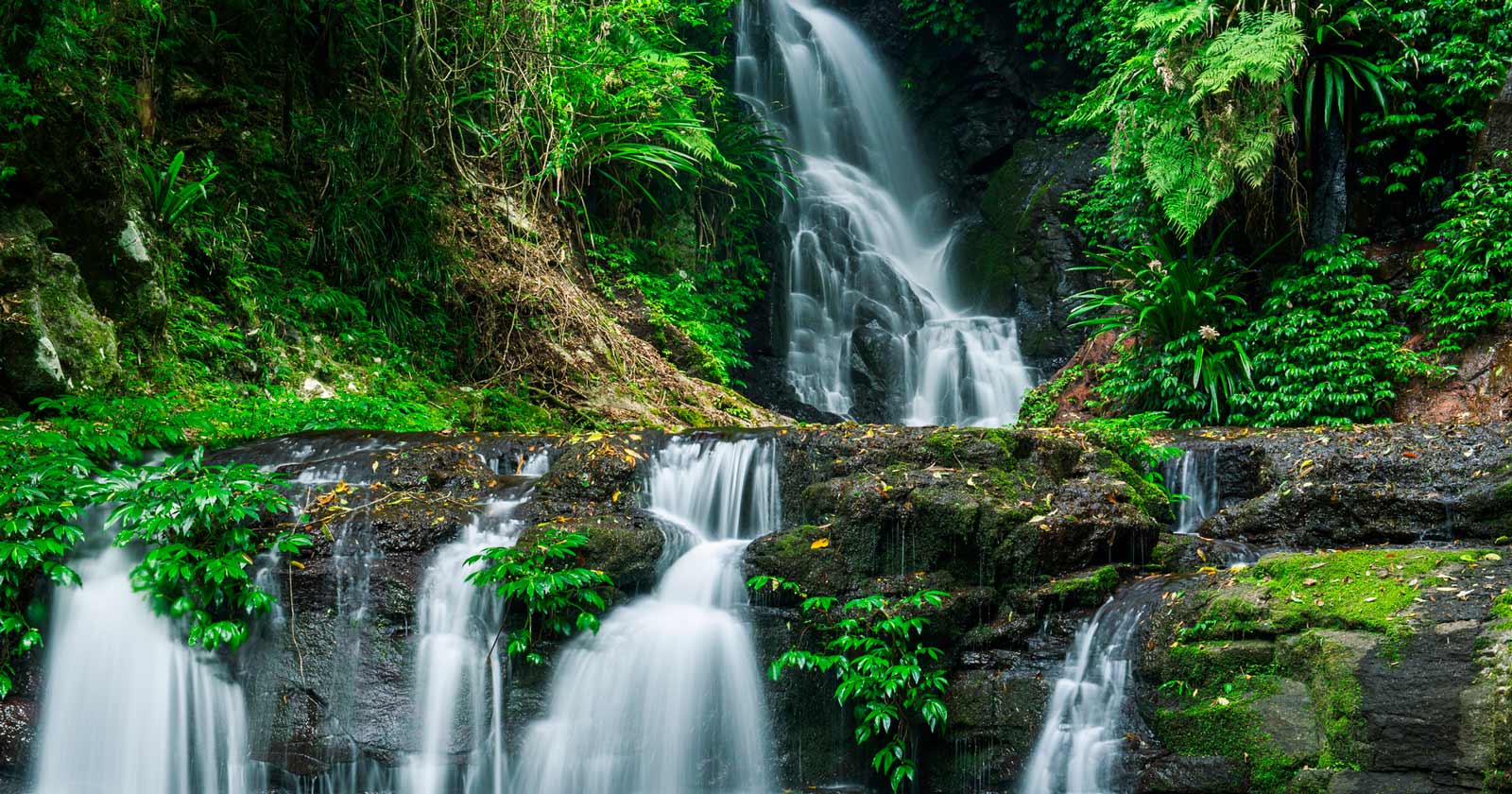
For an accessible way into hiking here, the World Heritage-listed Gondwana Rainforests offer some of the better walks. The Gold Coast Hinterland Great Walk follows the rim of the ancient Tweed Volcano, linking forested ridges, escarpments and mountain valleys across a 54km route. Nearby, Lamington National Park has an extensive network of tracks leading to waterfalls, lookouts and dense subtropical rainforest along the McPherson Range.
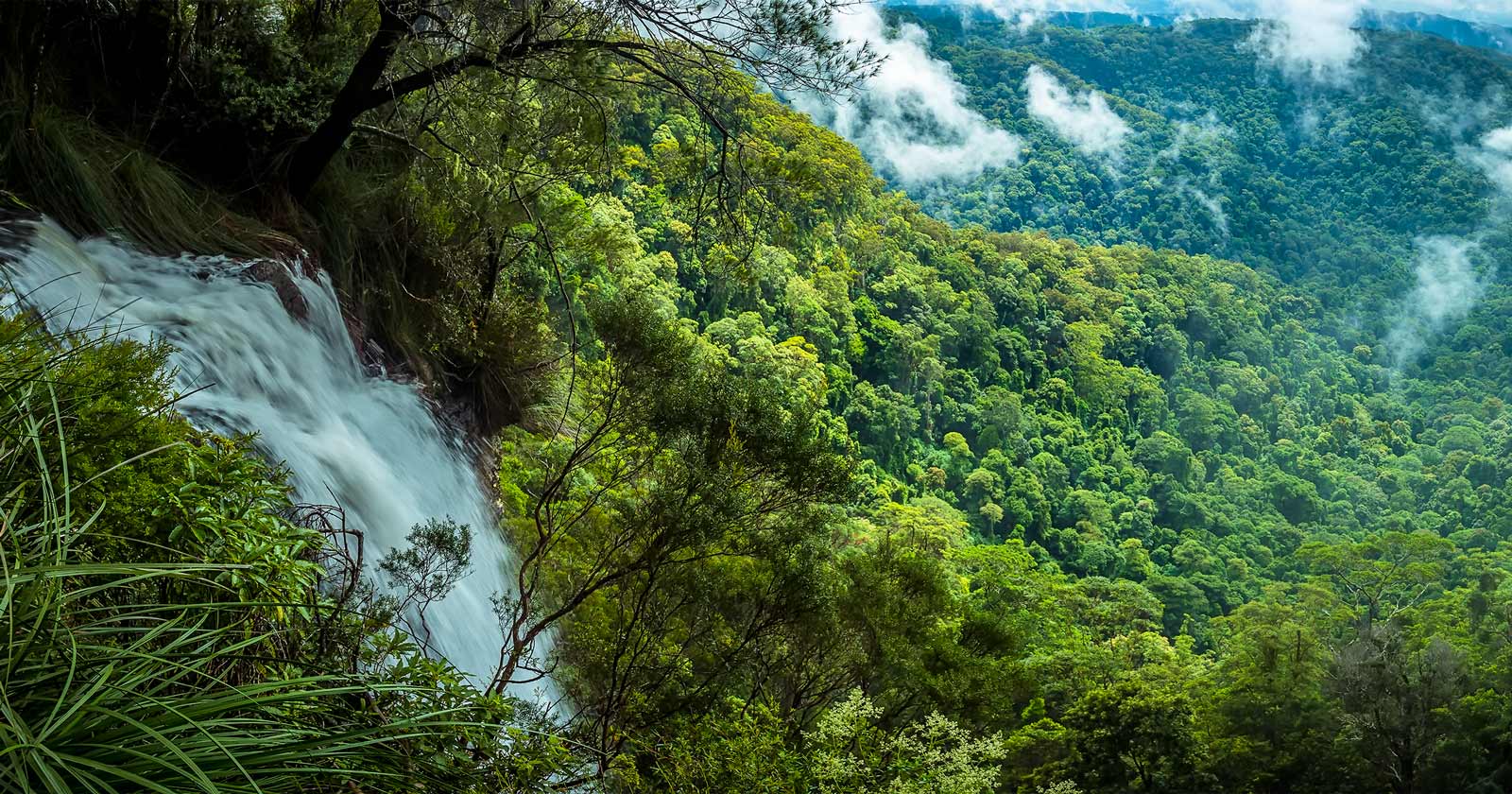
Springbrook National Park is another standout in the Gold Coast hinterland. Tracks run through cool rainforest and along the edge of the plateau to lookouts and waterfalls, including Purling Brook Falls. Springbrook is a good option if you’ve only got a few hours, because the shorter walks still get you into the same dramatic scenery and old-growth forest as the longer routes.
Queensland’s Great Walks and multi-day hikes
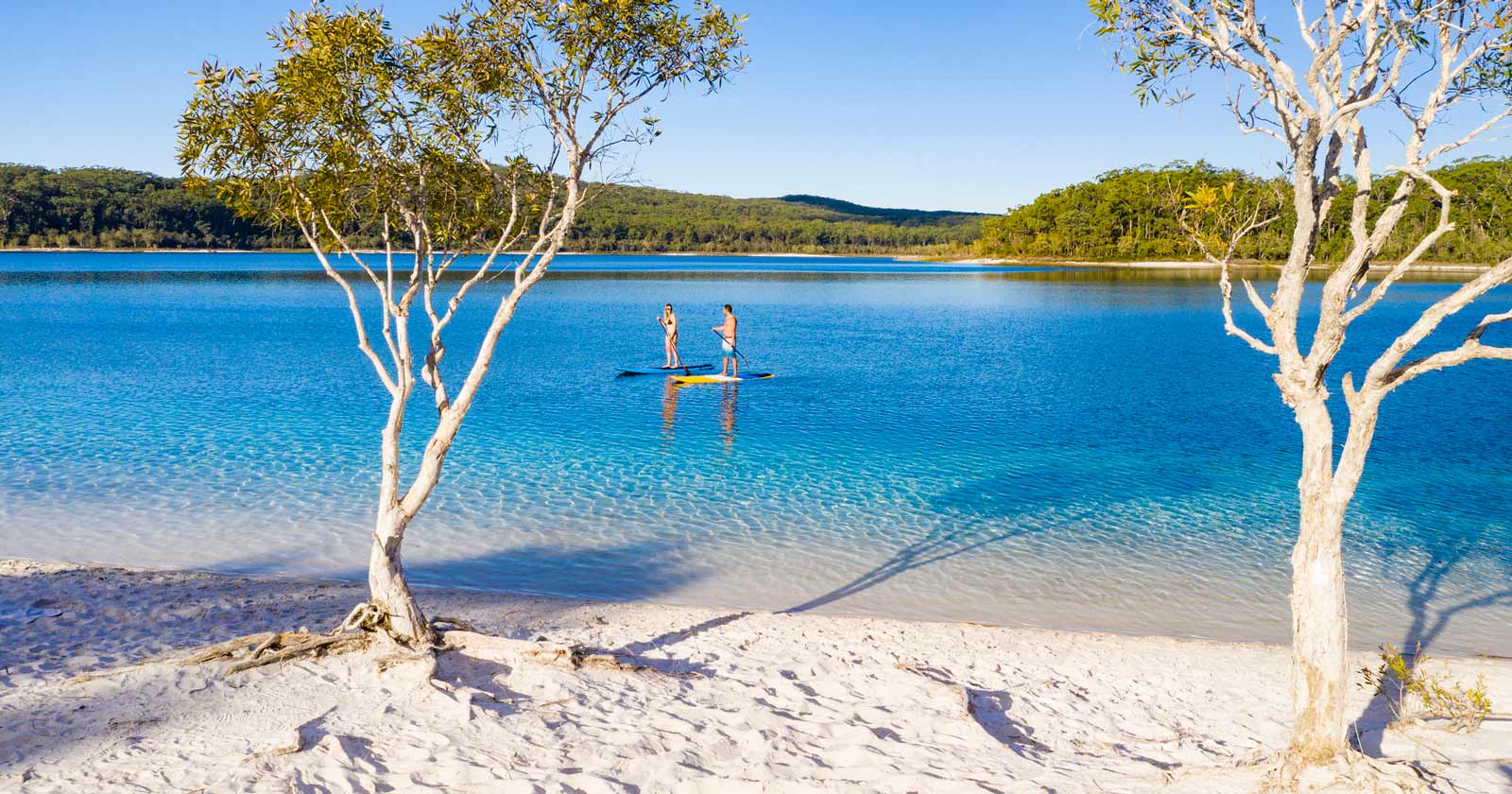
Queensland also has some of Australia’s better multi-day walks. On K’gari (Fraser Island), the world’s largest sand island, the K’gari (Fraser Island) Great Walk crosses towering dunes, freshwater lakes and pockets of ancient rainforest growing straight out of deep sand. It takes six to eight days, and it’s a different kind of walking altogether, shaped by coastal wind, shifting sand and an ecology that doesn’t behave like anywhere else I’ve walked.
The Thorsborne Trail on Hinchinbrook Island is among Queensland’s best-known long-distance walks. This five-day coastal walk crosses rainforest, beaches and rocky headlands under the island’s steep granite peaks. It’s remote, and worth the effort, with campsites near quiet bays, freshwater creeks and views out across the Coral Sea.
The Cooloola Great Walk is a different kind of multi-day walk again. It runs 102km north of Noosa through sandy coastal wilderness, heathland, forest and beach before finishing at Rainbow Beach, and it says a lot about the range Queensland’s coastline actually has once you walk it rather than drive past it.
Beyond the highlights
For a tougher day out, Bartle Frere, Queensland’s highest peak, is a steep, demanding climb through dense tropical rainforest. The track is often muddy and hard going, but the summit views across the Atherton Tablelands and towards the coast are worth the legwork.
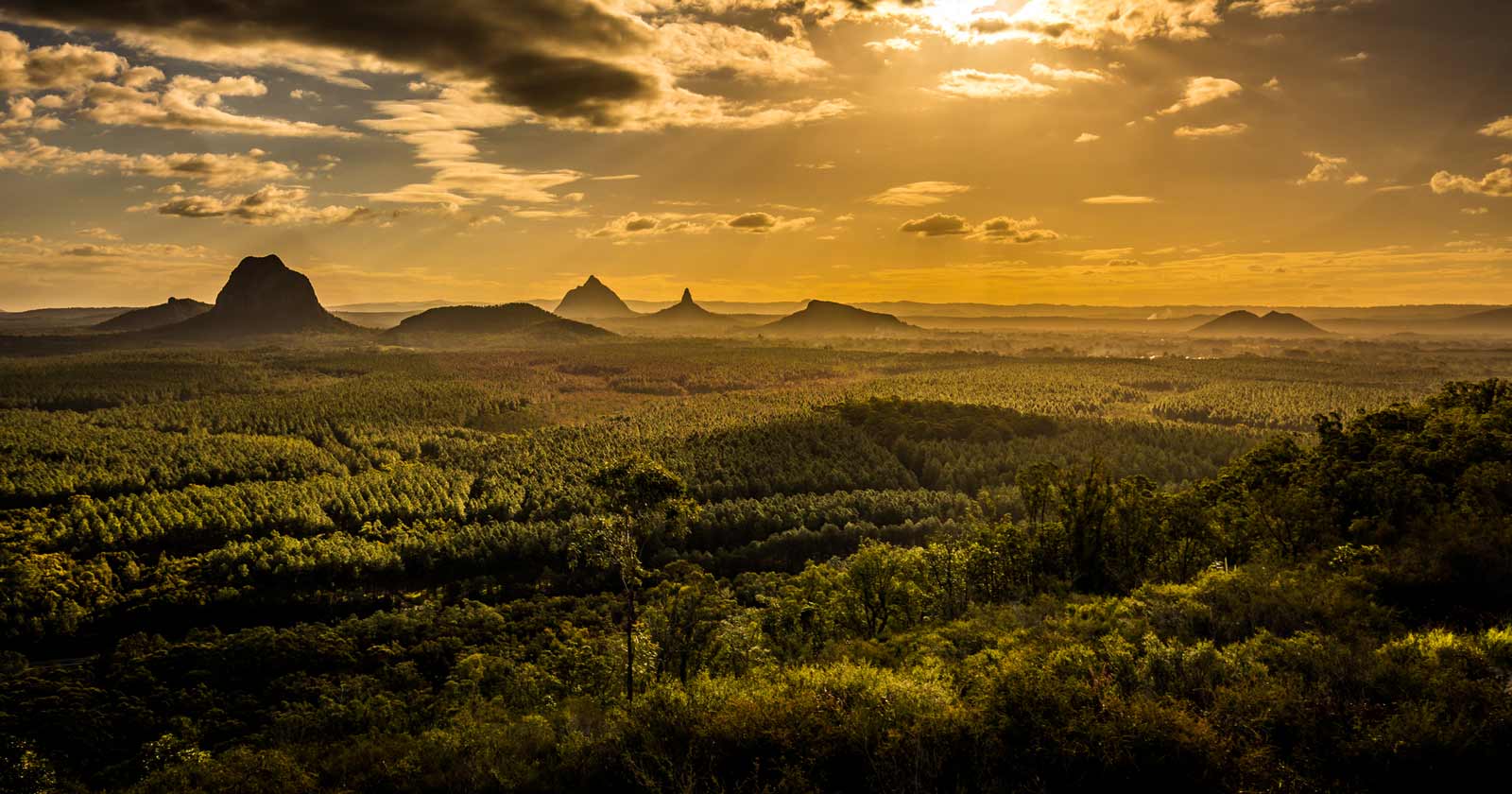
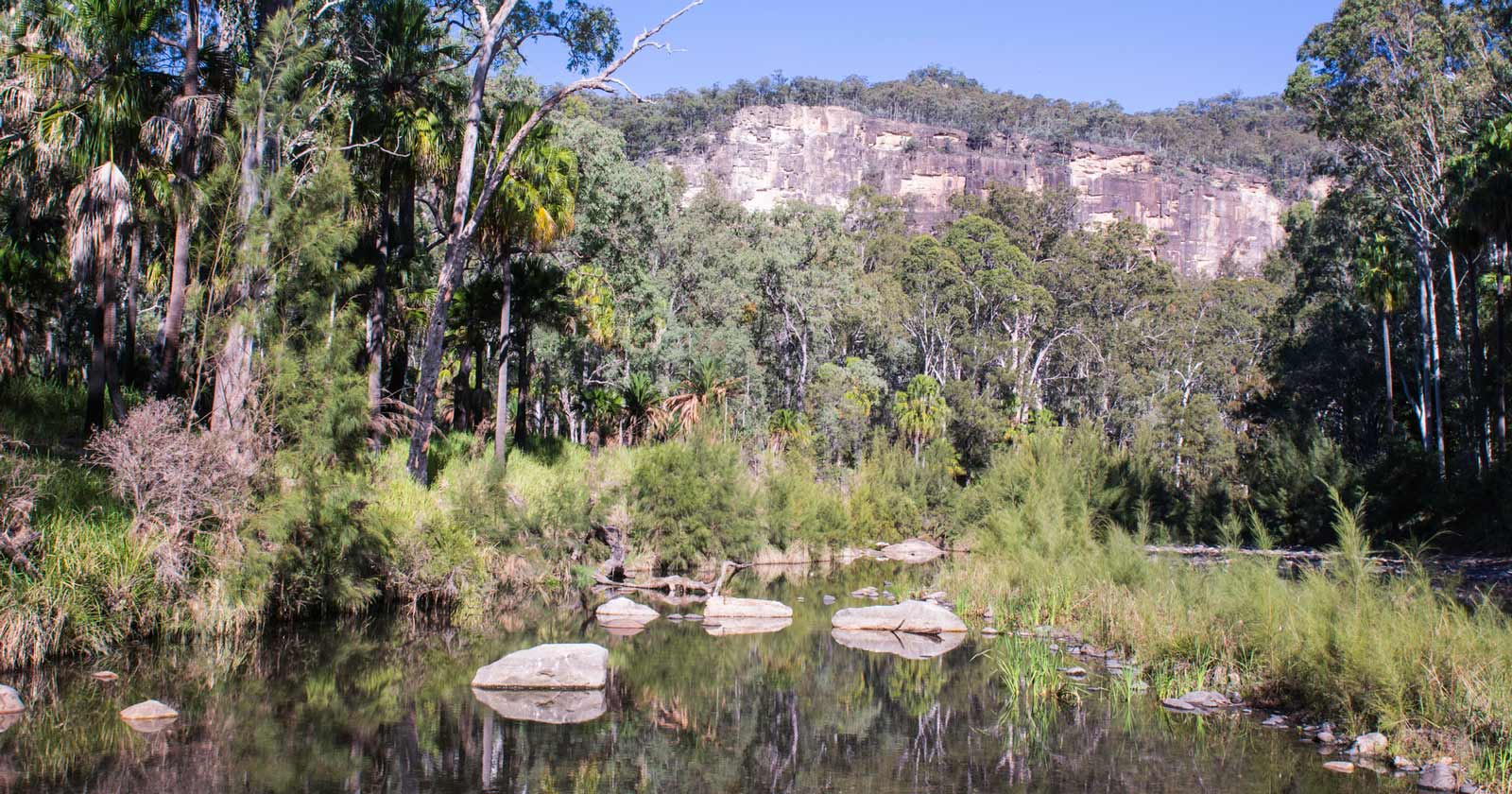
There are plenty of shorter, rewarding walks too. The climb to the summit of Mount Ngungun in Glass House Mountains National Park gives you wide views across one of Queensland’s most recognisable volcanic landscapes. In Eungella National Park, Mungoor Falls is a good rainforest destination for less effort, while Carnarvon National Park is sandstone gorges, cultural history and pockets of lush vegetation set inside much drier inland country.
What I like about Queensland’s trails is how different they feel from each other. Rainforest tracks run to bird calls and cicadas, mountain routes open onto ridgelines and distant ranges, and coastal walks follow headlands shaped by wind and salt. Wildlife turns up often, from butterflies and birdlife to pademelons moving quietly through the undergrowth.
Walking here is also a way of slowing down enough to actually notice a place, whether that’s under towering trees, following a creek through a shaded gully, or watching the light change from a ridge. You get more out of that than any roadside lookout gives you.
Planning your Queensland hiking adventure
Match the walk to your fitness, experience and available time before you commit to it. Choose a hike using the information on Trail Hiking Australia alongside the Queensland Parks and Wildlife Service website, which covers track distances, conditions, campsite availability and park alerts.
Once you’ve settled on a walk, prepare properly. Sturdy hiking boots with good grip matter on uneven terrain. Queensland’s climate can be demanding, so a wide-brimmed hat, sunglasses and sunscreen should always be in your kit. Carry enough water to stay hydrated, especially on longer walks, and pack food, insect repellent and basic safety gear.
For overnight hikes, carry camping gear suited to the conditions, including a reliable tent, sleeping system and cooking equipment. A headlamp earns its weight for early starts and camp tasks after dark. Check track conditions, weather forecasts and any fire restrictions before you leave.
Hike Queensland and discover its landscapes
Queensland covers a remarkable range on foot, from easy rainforest and waterfall walks to remote coastal routes and demanding mountain climbs. That range is what makes it worth the time for both first-time walkers and people who’ve been doing this for years. Wherever you end up going, the trails get you closer to the state’s national parks and wild places than the coast road ever will.




What’s your favourite trail in QLD.
Trail Hiking Australia don’t know that I have a favourite trail (yet) but I do love the glasshouse mountains. Nice to base yourself in the area and do a bit of exploring.