Ancient Rainforest and Escarpments of the Scenic Rim
Overview
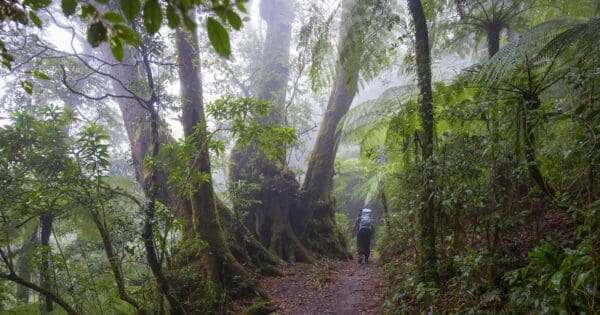
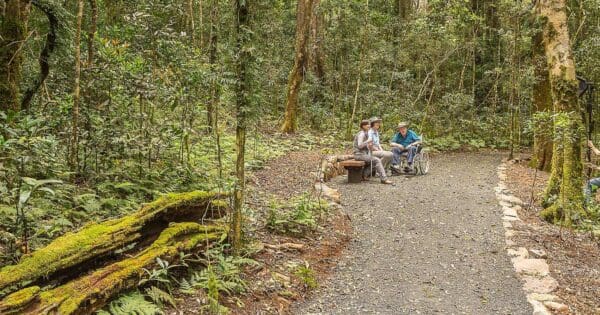
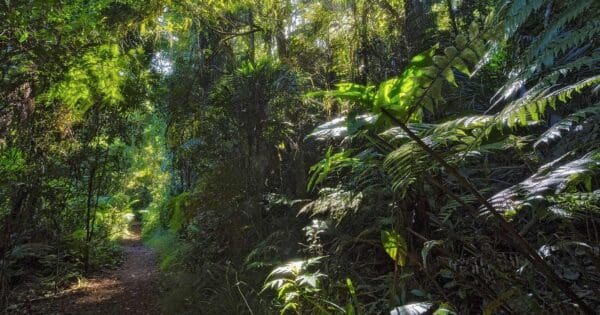
Lamington National Park sits in Queensland’s Scenic Rim, close to the New South Wales border, protecting a large section of the McPherson Range. It forms part of the Gondwana Rainforests of Australia World Heritage Area, recognised for rainforest ecosystems that trace back to the ancient supercontinent Gondwana. The park is best known for cool mountain forests, steep cliffs, deep valleys and a high-rainfall landscape that feels markedly different from the coast below.
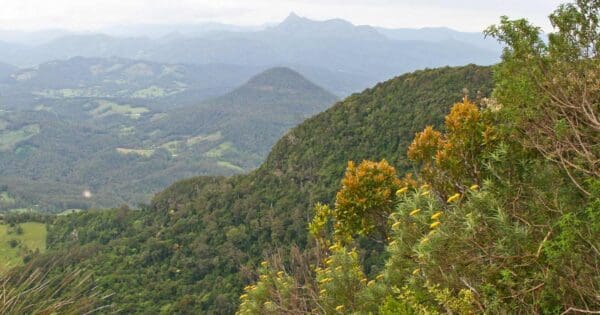
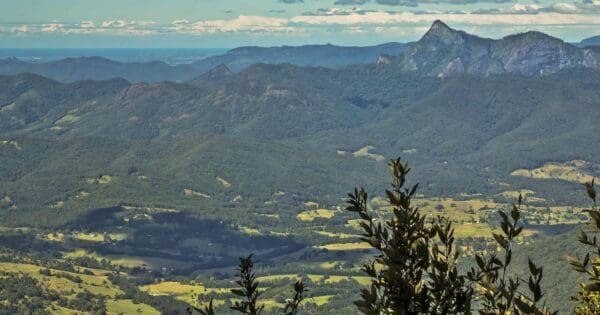
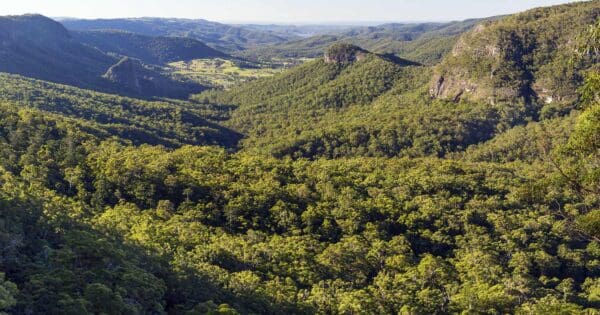
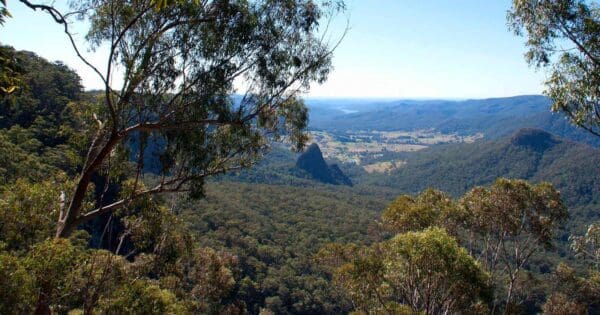
The park’s character comes from its plateau-and-escarpment setting. Around Green Mountains and Binna Burra, rainforest grows across elevated country, while the land falls away into creeks, gorges and volcanic slopes. That mix gives Lamington a strong sense of scale, with dense forest on the plateau and wide views out across the hinterland from the edges.
Highlights
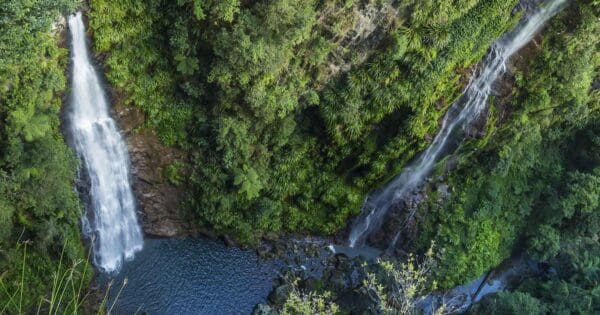
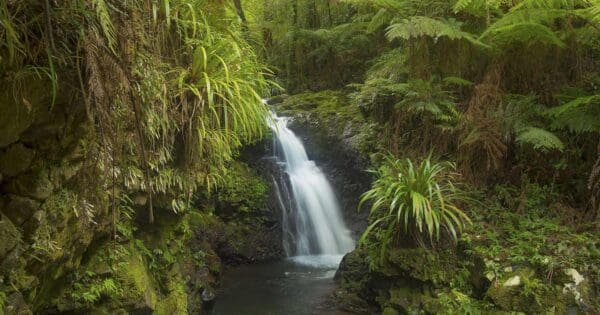
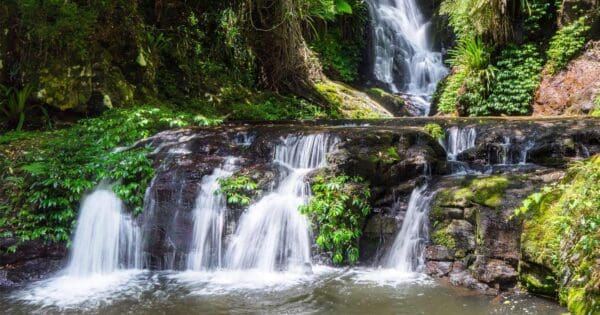
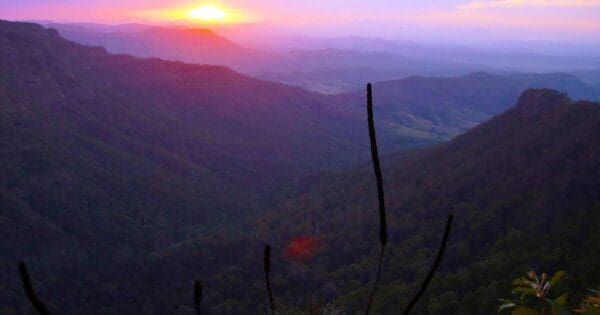
What stands out most here is the meeting of rainforest and dramatic escarpment country. Sheer cliffs, layered valleys and prominent lookouts give the park its scenic punch, especially along the eastern edge of the plateau where the land drops sharply toward the coast. Waterfalls are woven through the landscape as creeks spill over basalt and rhyolite slopes, adding another element to the park’s rugged character.
Lamington is also part of a much larger chain of Gondwana rainforests, and that broader setting matters. The park is not an isolated pocket of forest but part of a connected mountain landscape that helps explain why the scenery feels so expansive and why the vegetation changes so noticeably with altitude, slope and aspect.
Best Time to Visit
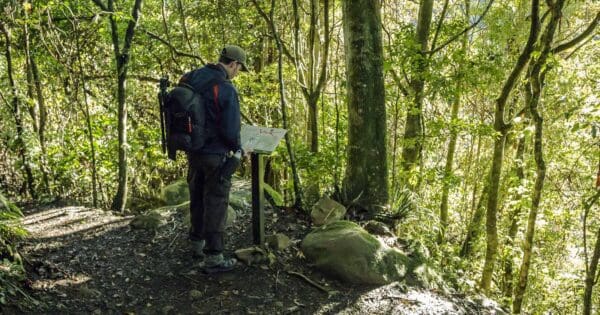
Lamington can be rewarding at any time of year, but the cooler months from autumn to spring are usually the most comfortable for walking and for spending time at lookouts and forest edges. Higher elevation keeps temperatures milder than the lowlands, and clear winter and spring days often bring the best long-distance views across the ranges.
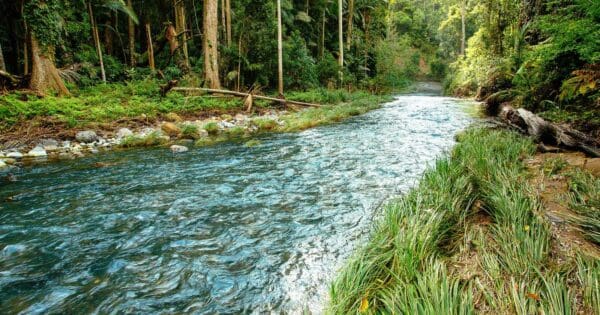
Summer has its own appeal, with lush growth, active creeks and a strong rainforest atmosphere, though conditions are typically warmer, wetter and more humid. After rain, the forest often feels especially vibrant, and waterfalls tend to be at their most impressive.
Plants and Animals
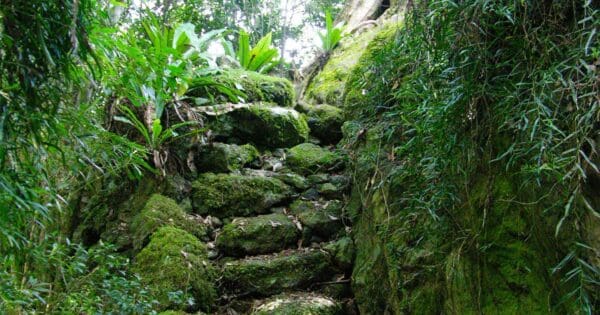
Lamington protects an exceptional spread of rainforest communities, from subtropical rainforest to cool temperate Antarctic beech forest in higher sheltered areas. These forests are one reason the park is internationally significant, preserving plant lineages with very old origins and a rich mix of species shaped by altitude, moisture and ancient volcanic soils.
The animal life is just as distinctive. The park is well known for its rich birdlife, including species with strong links to ancient rainforest environments, and it also supports a wide variety of reptiles, frogs, mammals and invertebrates. In places, the combination of old-growth forest, dense canopy and constant moisture creates habitat for species that rely on stable, shaded mountain conditions.
Culture and Heritage
Known as Woonoongoora in the Yugambeh language, these mountains hold deep cultural significance as sacred and spiritual places. First Nations people lived in and used this country for thousands of years, moving through both rainforest and open forest and maintaining strong cultural connections across the wider region.
Lamington also has an important place in Queensland’s conservation history. The park’s protection grew from early twentieth-century efforts to preserve the McPherson Range forests, and its long-standing recognition has become part of the broader story of national park conservation in the state.