Sorry, no records were found. Please adjust your search criteria and try again.
Sorry, unable to load the Maps API.
Explore stunning hiking trails of Carnarvon National Park
Discover the diverse trails of Carnarvon National Park, Queensland, offering hikes and walks for all skill levels and interests. Find your perfect adventure today.
Discover 4 hiking trails in Carnarvon National Park
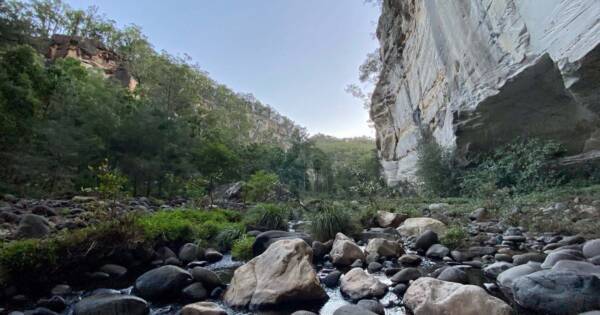

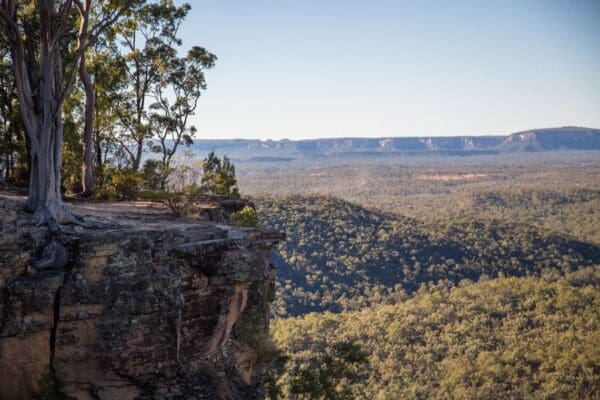

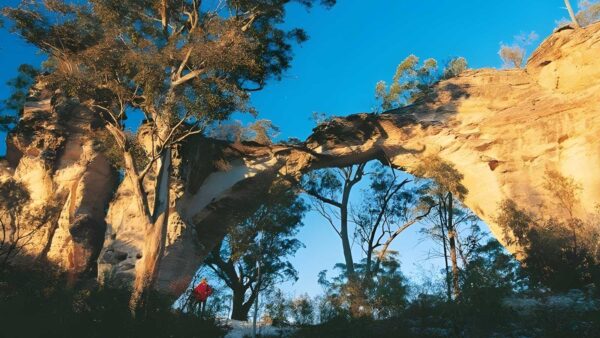


Sandstone gorges and high country across central Queensland
Overview
Carnarvon National Park stretches across nearly 298,000 hectares in Queensland’s Central Highlands Sandstone Belt, about 600km north-west of Brisbane. Rather than being a single compact block, it is a large park made up of separate sections spread through rugged sandstone country. That scale shows in the landscape, from steep gorges and cliff lines to elevated plateaus and broad inland valleys.
The best-known part of the park is Carnarvon Gorge, where white sandstone walls rise above Carnarvon Creek and sheltered side gorges create a noticeably cooler, greener pocket within a generally semi-arid region. Across the wider park, erosion has shaped a landscape of cliff faces, monoliths and sculpted rock formations that give Carnarvon its strong sense of place.
Highlights
The defining feature here is sandstone. In the gorge country it forms sheer cliffs, narrow side gorges and overhangs, while elsewhere in the park it opens out into escarpments, plateaus and striking rock outcrops. Higher areas climb to more than 1200m, adding big views over the surrounding inland country and a real contrast between cool high ground and the drier plains beyond.
Carnarvon Gorge stands out for its combination of permanent creek scenery and lush pockets tucked into the shade of the cliffs. In other sections of the park, the character shifts again, with broad valleys, basalt-capped tablelands and more remote sandstone landscapes that feel very different from the gorge but are part of the same larger park system.
Best Time to Visit
The more comfortable times to visit are usually the cooler months, when walking conditions are generally better and the contrast between the dry surrounding country and the shaded gorge is especially pleasant. Spring also suits many visitors, with milder temperatures and good conditions for seeing the park’s varied vegetation.
Summer can bring much hotter conditions, especially away from the sheltered creek lines and in the more open sections of the park. If you are picturing Carnarvon as a broad inland park rather than just one gorge, season really matters because the experience changes a lot between the cool high country, the creek flats and the exposed sandstone ridges.
Plants and Animals
One of the reasons Carnarvon National Park feels so distinctive is the mix of plant communities packed into its sandstone terrain. Cool, shaded side gorges protect patches of remnant rainforest and fern-filled pockets that are remnants of wetter periods, while the main gorge supports fan palms, cycads, ferns, flowering shrubs and eucalypts. On the cliff tops and plateaus, the vegetation shifts again to grassy open forest and drier woodland.
The creeks and sheltered gullies attract a rich range of wildlife, and the Carnarvon Gorge section alone is known for more than 173 bird species. The park also protects significant plant and animal species, including species with restricted distributions and others that are important in understanding the region’s past environments.
Culture and Heritage
Carnarvon National Park has a long Aboriginal history, and many Traditional Owners have strong affiliations with sites and places across the park. In Carnarvon Gorge, sandstone overhangs preserve rock art including ochre stencils, engravings and freehand paintings, with some cultural sites described as more than 19,000 years old. These places are part of a long and continuing connection to the landscape rather than isolated historical remnants.
The park also contains places of spiritual and cultural importance linked to stories, ceremonial practice and responsibilities for caring for Country. Cultural sites in the sandstone cliffs and caves are among the most significant parts of Carnarvon’s identity, sitting alongside its geological and ecological importance.
Find more places to explore…
Help expand the trail collection!
Know of an official trail not listed on Trail Hiking Australia? I’m focused on showcasing the best tracks managed by land managers, and I’d love your help! Sharing a trail adds to our community and helps others discover safe, new adventures.
Submit your trail here

