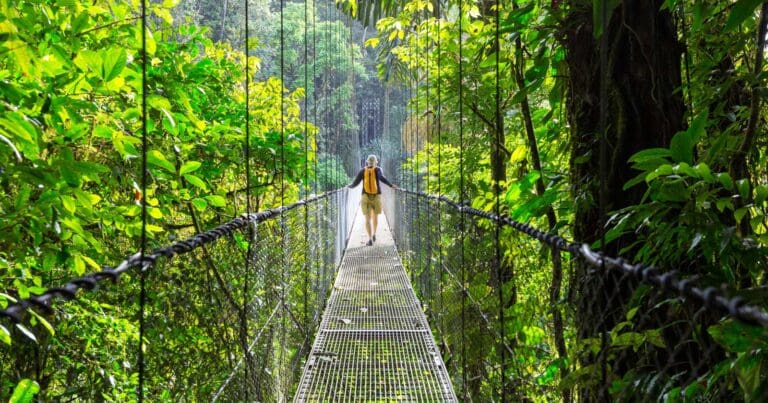
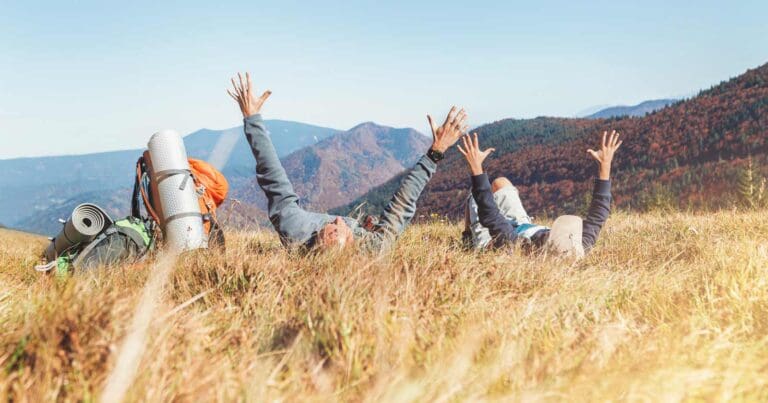
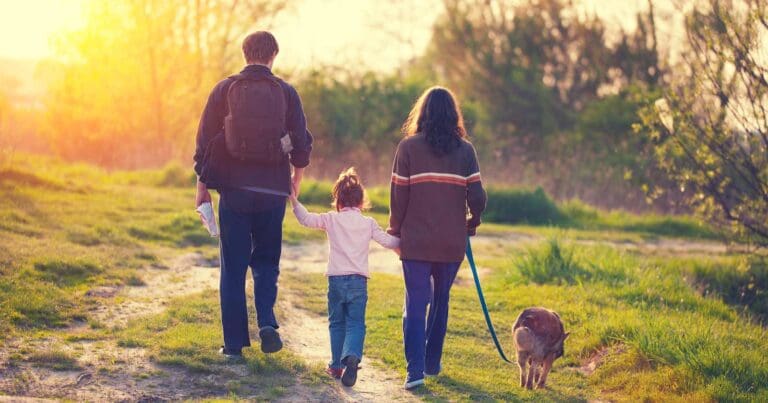
Hiking is one of the simplest ways to get a family outside together, and it works for a wide range of ages and fitness levels because it’s low-impact by nature. But the benefit isn’t just the exercise. It touches physical health, connection to the natural world, mental wellbeing, and the relationships between the people you’re hiking with, all at the same time.
What hiking actually gives a family
On the physical side, hiking builds strength, endurance, flexibility, balance, and coordination as you and the kids navigate uneven terrain, climb hills, and traverse trails, and it delivers real cardiovascular benefits along with the more obvious reward of fresh air and sunshine.
It’s also one of the most direct ways to teach children about the environment. They observe wildlife and learn about plants, animals, and ecosystems in their natural habitat, building an appreciation for the beauty and complexity of nature and, over time, an understanding of why conservation matters. For kids specifically, hiking is also an education in geology, ecology, and botany, because they’re encountering different natural features and habitats directly.
Time outdoors can help to improve mental health and wellbeing, reducing stress, anxiety, and depression for both adults and kids. For kids, unplugging from screens and being immersed in the beauty and tranquility of nature can improve mood and encourage mindfulness and self-reflection as they explore and engage with what’s around them.
Facing new challenges and reaching milestones along the trail, conquering a difficult section or reaching a scenic viewpoint, gives a real sense of accomplishment and pride, and that’s what builds confidence, self-esteem, a positive self-image, and a “can-do” attitude, especially in children working out what they’re capable of.
None of this happens without spending time together, and that’s where hiking does its other job. Away from screens and daily distractions, families get room for actual conversation, games, stories, and the kind of shared adventure, discovering natural wonders and overcoming challenges together, that builds camaraderie and a strong sense of family unity and bonding.
Hiking itself promotes physical health and well-being, and gives families a chance to encourage and support each other through physical challenges, like climbing a hill or crossing a stream. It also gives families a chance to build skills together, such as map reading, navigation, and wilderness survival, while learning to plan routes and work through challenges as a team. For kids specifically, hiking can also teach kids important skills such as map reading, navigation, and wilderness safety, fostering a sense of independence and self-reliance.
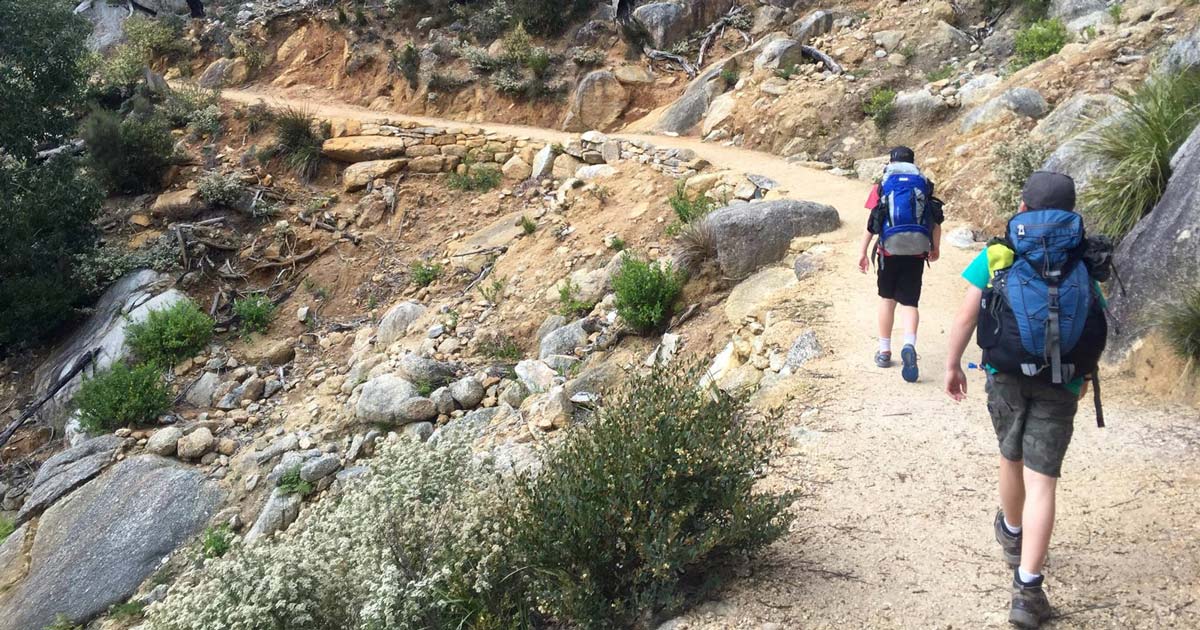
What sticks, in the end, are the memories. Navigating a challenging trail, sharing a meal out on the track, or just sitting at a scenic view together, these become the moments families actually remember, and for a lot of kids, they’re the start of a lifelong love of hiking and the outdoors.
Planning a family hike
Planning a family hiking trip comes down to matching the trail to the age and ability levels of everyone in the group. Bring plenty of water and snacks and sunscreen, dress everyone appropriately for the weather, and make sure they’re wearing sturdy shoes with good traction. It’s also worth carrying a first aid kit and a map or GPS device in case anyone gets lost. So lace up your hiking boots before you go. Once you’re out there, practicing Leave No Trace principles, such as respecting wildlife and minimising environmental impact, is essential to instil a sense of environmental stewardship in children.
I’ve been taking my kids on overnight hikes since they were 5 years old and they absolutely love it. Iv’e written up a few tips here.
Explore related guides
- Walk your way to wellbeing: Building a simple outdoor habit that supports body and mind
- The benefits of hiking for physical health, mental wellbeing, and connection
- Why hiking feels good: Mood, energy, and mental clarity explained
- Hiking for personal growth: Building confidence, resilience, and self-trust
- Mental health benefits of hiking, through lived experience and support