Why time feels different in nature
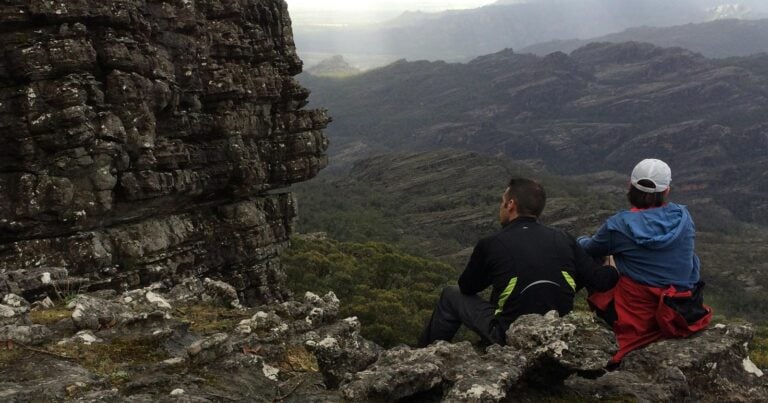
Many people notice that time seems to pass differently when they’re outdoors. A walk through bushland or along a trail can feel longer, slower, or more spacious than the same amount of time spent in a built environment, and this experience is common: research suggests it reflects real changes in how we perceive time.
Our sense of time isn’t fixed. It’s influenced by attention, environment, stress levels, and how much mental effort we’re using at any given moment.
Time pressure and modern life
In everyday life, many people experience ongoing time pressure. Schedules, screens, and constant demands on attention can create a sense that time is scarce or slipping away, a feeling sometimes described as “time poverty”. When attention is constantly divided, the brain processes time differently, and moments blur together, so time can feel compressed or rushed.
How attention in nature changes your sense of time
Natural environments tend to place fewer demands on directed attention than urban settings. There are fewer abrupt signals, fewer decisions to make, and less information competing for focus, and that’s what allows attention to settle. Time perception is closely linked to attention this way: when it’s fragmented or overstimulated, time can feel scarce, and when it’s more relaxed and continuous, time often feels more available. When attention is less strained, people often report that time feels slower, fuller, or more expansive, and studies comparing walks in natural and urban environments have found that people are more likely to perceive time spent in nature as lasting longer, even when the duration is the same.
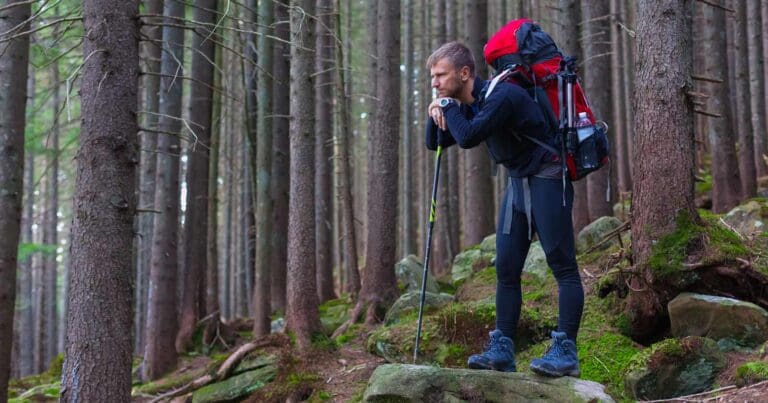
Hiking and walking in nature encourage sustained but gentle attention. Observing terrain, light, movement, and sound engages awareness without urgency, and this balance appears to support a different experience of time.
Why this matters
A slower or more spacious sense of time can influence wellbeing. Feeling less rushed can reduce stress and improve emotional regulation, and it can also support clearer thinking and better decision making.
Importantly, this doesn’t require long or remote outings. Even short periods in natural settings can shift how time is experienced.
Using time in nature intentionally
You do not need to aim for productivity or outcomes when spending time outdoors. Simply allowing yourself to move at a natural pace and notice your surroundings is often enough.
Regular, manageable time in nature can help counter the sense of constant urgency that many people experience in daily life. Over time, this shift in time perception can support a calmer, more balanced approach to both work and rest.
Explore related guides
- Bush and forest therapy: How time in nature can support wellbeing
- How nature and time outdoors can support mental wellbeing
- Five ways hiking supports mental clarity, creativity, and perspective
- Why hiking feels good: Mood, energy, and mental clarity explained
- The benefits of hiking for physical health, mental wellbeing, and connection
References
- Berry, M. S., Repke, M. A., Nickerson, N. P., Conway, L. G., Odum, A. L., & Jordan, K. E. (2015). Making time for nature: Visual exposure to natural environments lengthens subjective time perception. Journal of Environmental Psychology, 42, 138–145.
- Kaplan, S. (1995). The restorative benefits of nature: Toward an integrative framework. Journal of Environmental Psychology, 15(3), 169–182.