Why hiking supports health and wellbeing
Hiking is one of the most accessible ways to support both physical health and mental wellbeing. It doesn’t require specialist equipment, a gym membership, or a competitive mindset, because at its core, hiking is simply walking outdoors, often in natural environments, at a pace that suits the individual. For many people, that combination of movement, fresh air, and time away from daily pressures provides benefits that extend well beyond exercise alone.
Physical health benefits of hiking
Hiking supports cardiovascular fitness, muscular strength, and overall endurance. Walking on varied terrain engages stabilising muscles, supports balance, and encourages functional movement patterns that are useful in everyday life.
Regular hiking can also contribute to weight management, improved circulation, and reduced risk of chronic conditions such as heart disease and type 2 diabetes, particularly when combined with other healthy lifestyle habits. Because hiking can be adapted to different fitness levels, it’s suitable for a wide range of people, from beginners taking short walks to experienced hikers tackling longer trails.
Mental wellbeing benefits of hiking
Hiking also supports mental wellbeing. Time spent outdoors is associated with reduced stress, improved mood, and better emotional regulation, because natural environments place fewer demands on attention than built environments, which can help the mind settle and recover from constant stimulation.
Many people find that hiking provides mental space this way. The steady rhythm of walking, combined with observation of the surrounding environment, encourages presence and can help reduce rumination and mental fatigue.
Connection, confidence, and perspective
Alongside the physical and mental benefits, hiking can support confidence by encouraging gradual challenge and self-trust. Completing a planned walk, navigating a trail, or managing changing conditions reinforces problem solving skills and resilience.
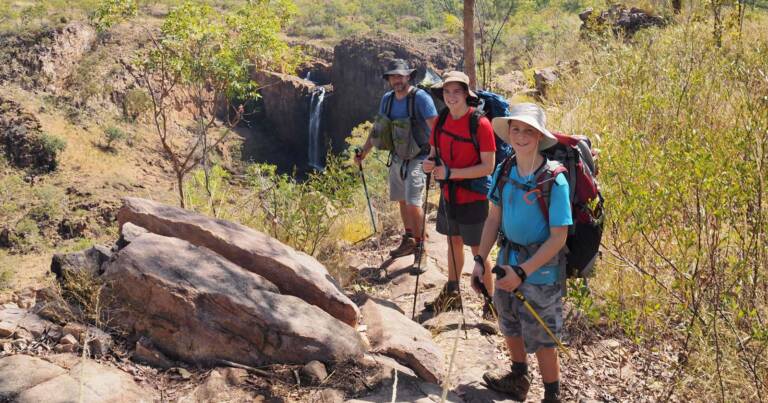
Hiking also creates opportunities for connection. This may be connection with others, through shared walks or group hikes, or connection with place through repeated visits to local trails and landscapes. For some, this sense of connection becomes a meaningful part of maintaining wellbeing.
Hiking as part of a balanced approach to health
It’s important to be clear that hiking is not a solution to all health challenges. Physical and mental health are complex, and many people require professional support at different times in their lives.
What hiking can offer is support. It provides a practical way to move the body, reduce stress, and spend time in environments that encourage recovery and perspective, and when used alongside appropriate care, social support, and realistic expectations, hiking can play a valuable role in long term wellbeing.
Getting started
You don’t need to hike far or fast to experience any of this. Short, regular walks are often more sustainable than infrequent, demanding outings, and starting locally, choosing manageable routes, and building gradually helps make hiking a positive and lasting habit.
With preparation, awareness of conditions, and respect for personal limits, hiking can be a safe and rewarding way to support both physical health and mental wellbeing.
Explore related guides
- Why hiking feels good: Mood, energy, and mental clarity explained
- How hiking supports brain health, mood, and mental clarity
- How nature and time outdoors can support mental wellbeing
- Walk your way to wellbeing: Building a simple outdoor habit that supports body and mind
- Exploring nature together: Why hiking is great for families
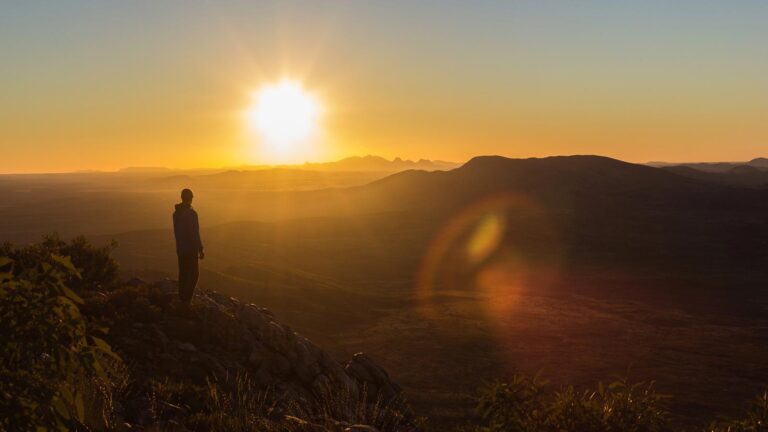





What’s your favourite hiking spot that truly helps you disconnect and recharge? 🌿✨ I love getting into remote areas where there’s nothing but solitude.
Trail Hiking Australia anywhere in Tassie! But the South Coast Track holds the most special place in my heart. The feeling of remoteness down there, I’ve not quite felt anywhere else.
Ali Ayers totally get what you mean, it’s a pretty special place that does have that true sense of wilderness.