Australian snakes are part of most bush environments, so encounters are always a possibility even though they’re uncommon and bites are rarer still. When a bite does happen it’s serious, and most of them are defensive: the snake was surprised, stepped on, or interfered with, not hunting a person down.
Most of the risk, and most of the unnecessary fear, comes down to the same handful of mistakes.
1. Over-focusing on species instead of behaviour
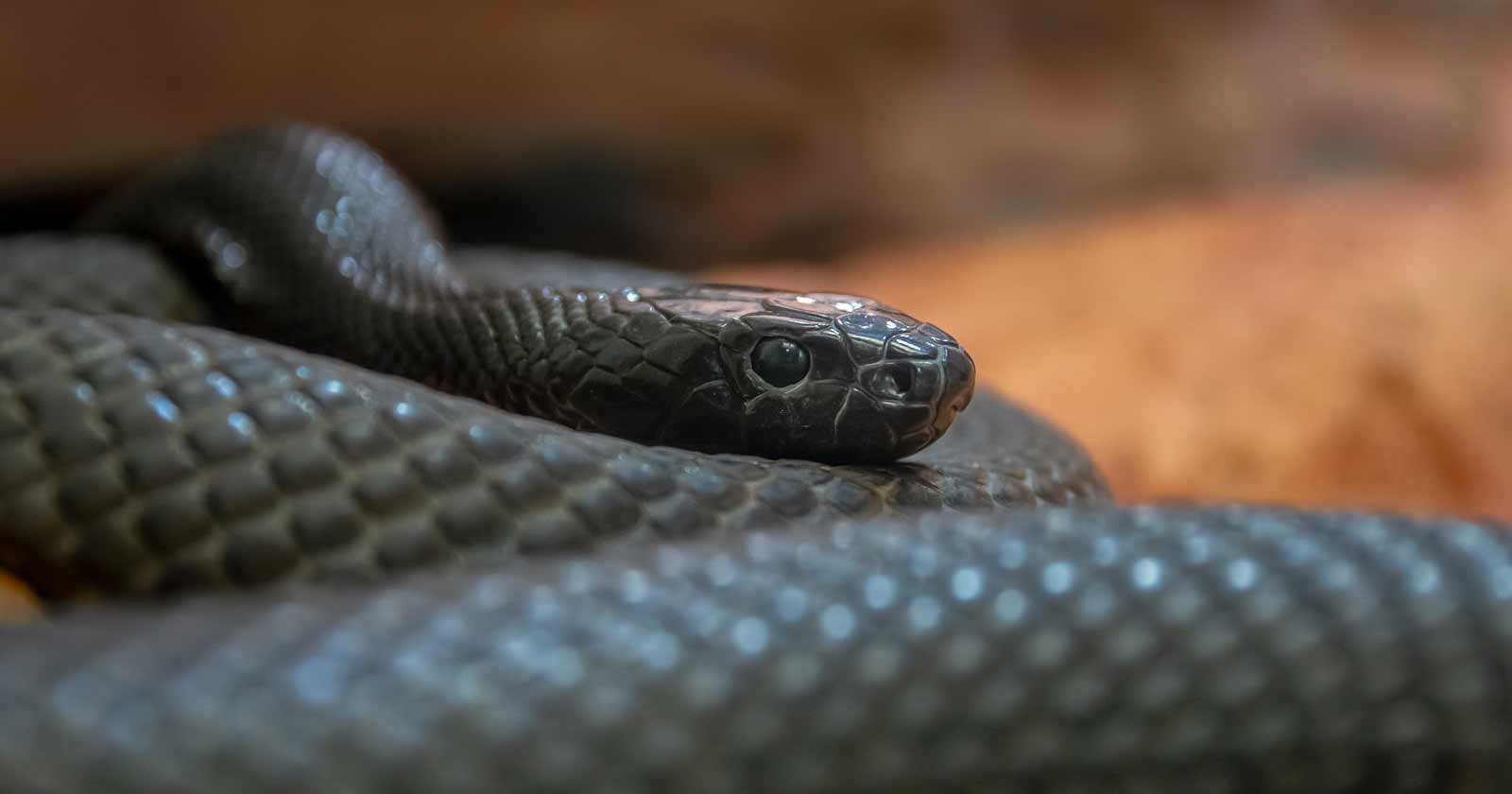
A lot of hikers spend their energy trying to work out which species they’re looking at, usually because they want to know how worried to be. In practice, that knowledge rarely changes what you should actually do, because every suspected snake bite in Australia gets treated the same way regardless of species. That’s also why getting closer to identify a snake is the wrong move: it only adds risk for information that won’t change the first aid.
Knowing what habitat a snake prefers is useful background, but behaviour is what actually keeps you safe day to day. Watch where you place your feet, check the far side of a log before you step over it, and give any snake you see a wide berth, whatever it turns out to be.
2. Losing situational awareness
Snakes rely on camouflage and staying still, which is exactly why so many bites happen when someone steps close to, or directly onto, one they never saw. That’s the real risk, not a snake actively coming after you.
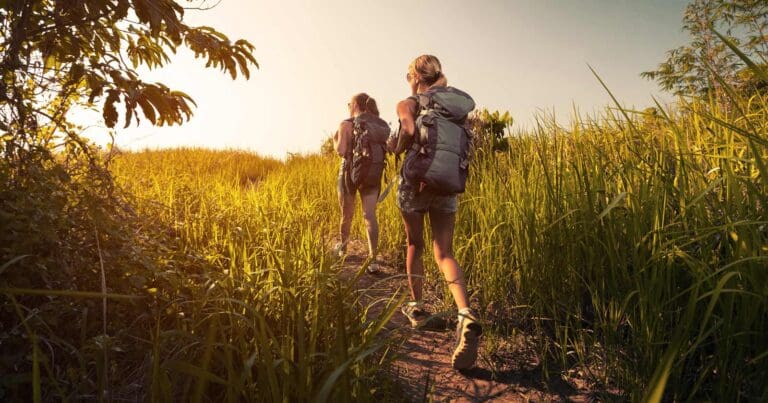
It means awareness has to lift in the places where snakes are hardest to spot: long grass, rocky outcrops, and warm, sun-exposed ground where they bask. Sticking to the centre of a formed track helps because it keeps you away from the verges where snakes are more likely to be resting, and in areas with reduced visibility, using trekking poles or placing your feet deliberately gives you a moment’s warning before your foot lands somewhere you can’t see.
This isn’t just a summer problem either. Encounters are more likely in the warmer months, but snakes can be active year-round in many parts of Australia, so the habit is worth keeping up regardless of season.
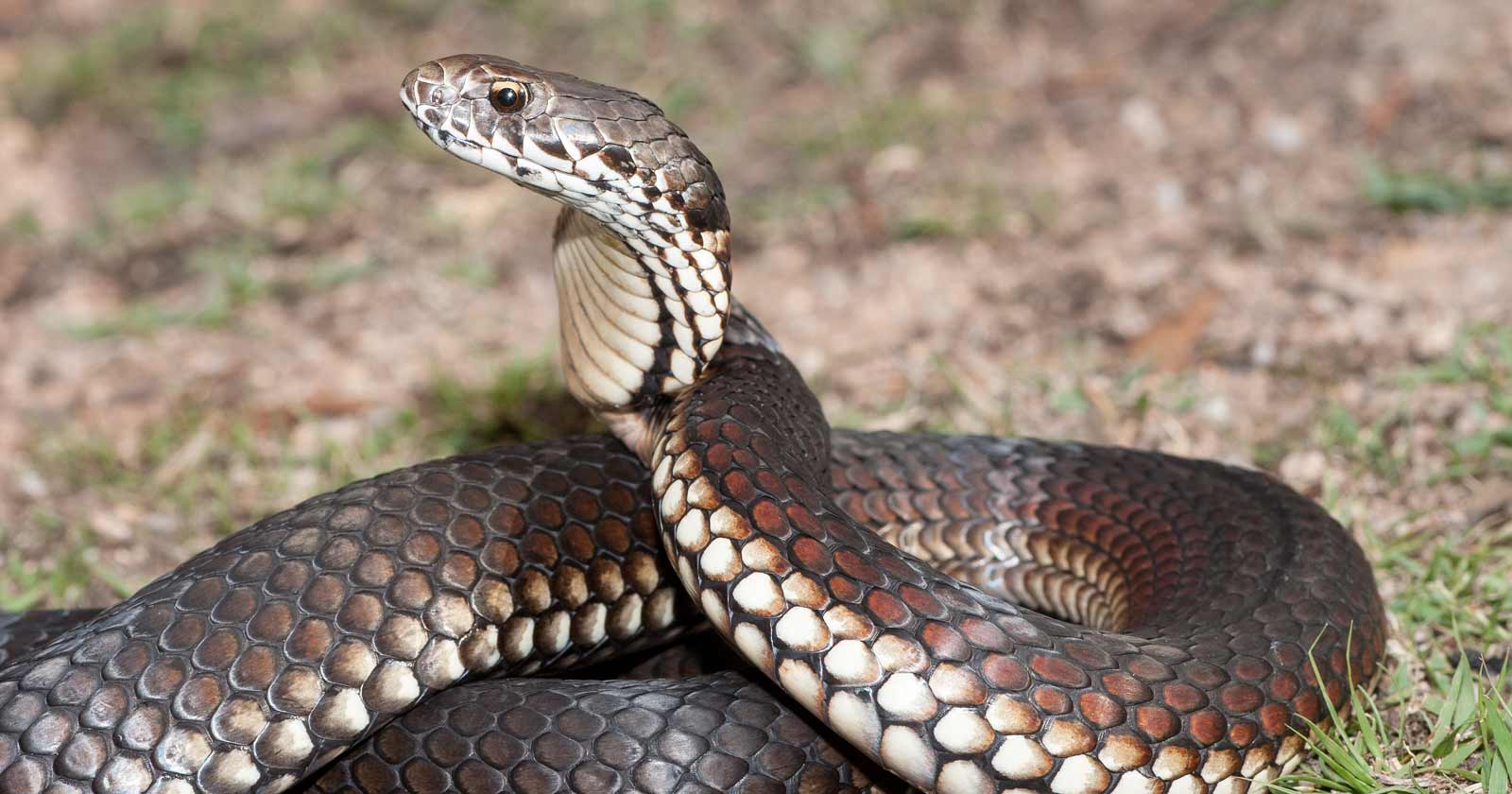
3. Not carrying appropriate equipment
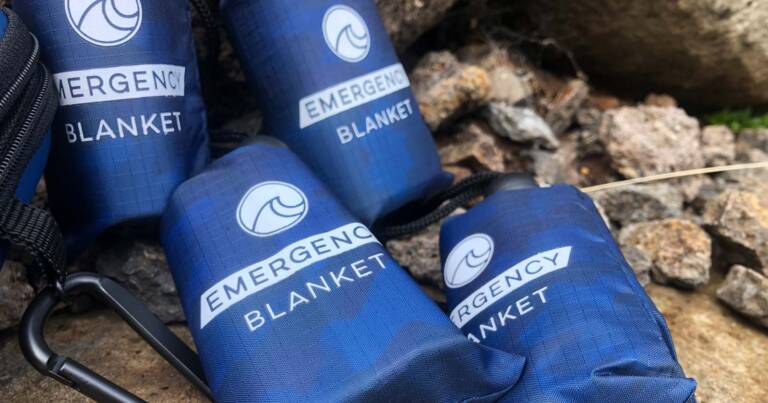
Snake bite first aid in Australia relies on pressure immobilisation, so if you’re hiking in snake habitat you should carry at least one long, wide elastic compression bandage suitable for full-limb wrapping.
Carrying it isn’t enough on its own though. You should also know how to apply it correctly, which is why it’s worth reading Facts about snake bites and hiking in full rather than skimming it once.
Prevention equipment matters just as much, because most bites occur on the lower limb, particularly the ankle. Sturdy boots, long pants, and gaiters reduce the likelihood of effective envenomation, which is a big part of why they’re worth wearing even when the track feels safe.
None of this should be an afterthought. It sits within your broader first aid kit system and should be deliberate rather than assumed.
4. Attempting to interact with the snake
Approaching, photographing at close range, or attempting to move, kill, or capture a snake are among the highest risk behaviours, because every one of those actions puts you well inside striking range for no real benefit.
If a snake is on the track, stop and allow it to move away in its own time. If it does not, detour widely and calmly rather than trying to hurry it along. Do not throw objects or attempt to provoke movement; that is how a defensive animal becomes a dangerous one.
The same logic applies if someone is bitten. Do not attempt to catch or kill the snake for identification, because identification is not required for treatment in Australia anyway. Focus on keeping the patient still and applying first aid instead.
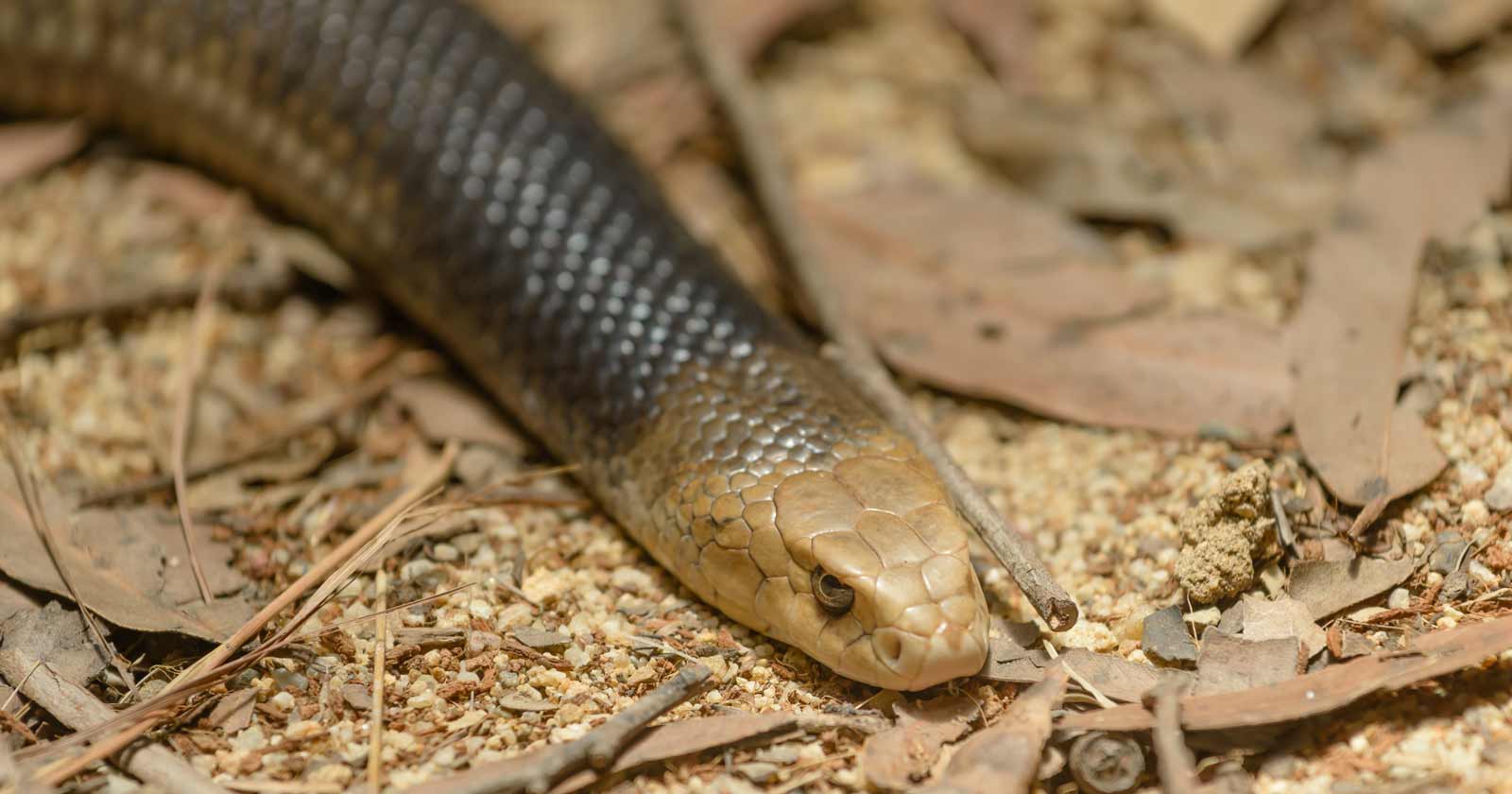
5. Using outdated or incorrect treatment methods
Many common myths about snake bite treatment are dangerous. Cutting the wound, sucking out venom, applying ice, or using a tourniquet are not recommended in Australia.
The correct approach is:
- Call 000 or activate emergency communication early.
- Keep the person completely still.
- Apply firm pressure over the bite site.
- Bandage the entire limb from fingers or toes upward.
- Immobilise the limb with a splint.
- Leave the bandage in place until medical professionals remove it.
All of this comes back to one mechanism: movement spreads venom through the lymphatic system, so calm, minimal movement is critical. Reassure the patient and monitor for symptoms while you wait.
Perspective and preparedness
Australia averages only a small number of snake bite fatalities each year, and outcomes are overwhelmingly positive when correct first aid is applied promptly, which is really the point of all of this: it isn’t about fear, it’s about knowing what actually works.
Preparedness reduces risk. Awareness reduces surprise. Calm behaviour reduces escalation. Each one leans on the others, so leaving out any one of them weakens the rest.
Snakes are not adversaries. They are part of the environment. Respecting distance, carrying appropriate equipment, and knowing correct first aid is what allows you to hike confidently in snake country.