The Northern Territory is unlike anywhere else I’ve hiked in Australia, and I don’t say that lightly. From the desert ranges of Central Australia to the escarpments, waterfalls and river systems of the Top End, walking here is as much about place as it is about distance. You’re moving through ancient landforms and culturally significant sites shaped by heat, water and time on a scale that’s hard to properly grasp until you’re standing in it. Short interpretive walks and major multi-day treks both exist here, but neither feels like the version of hiking you get anywhere else in the country.
Footprints in the Red Centre
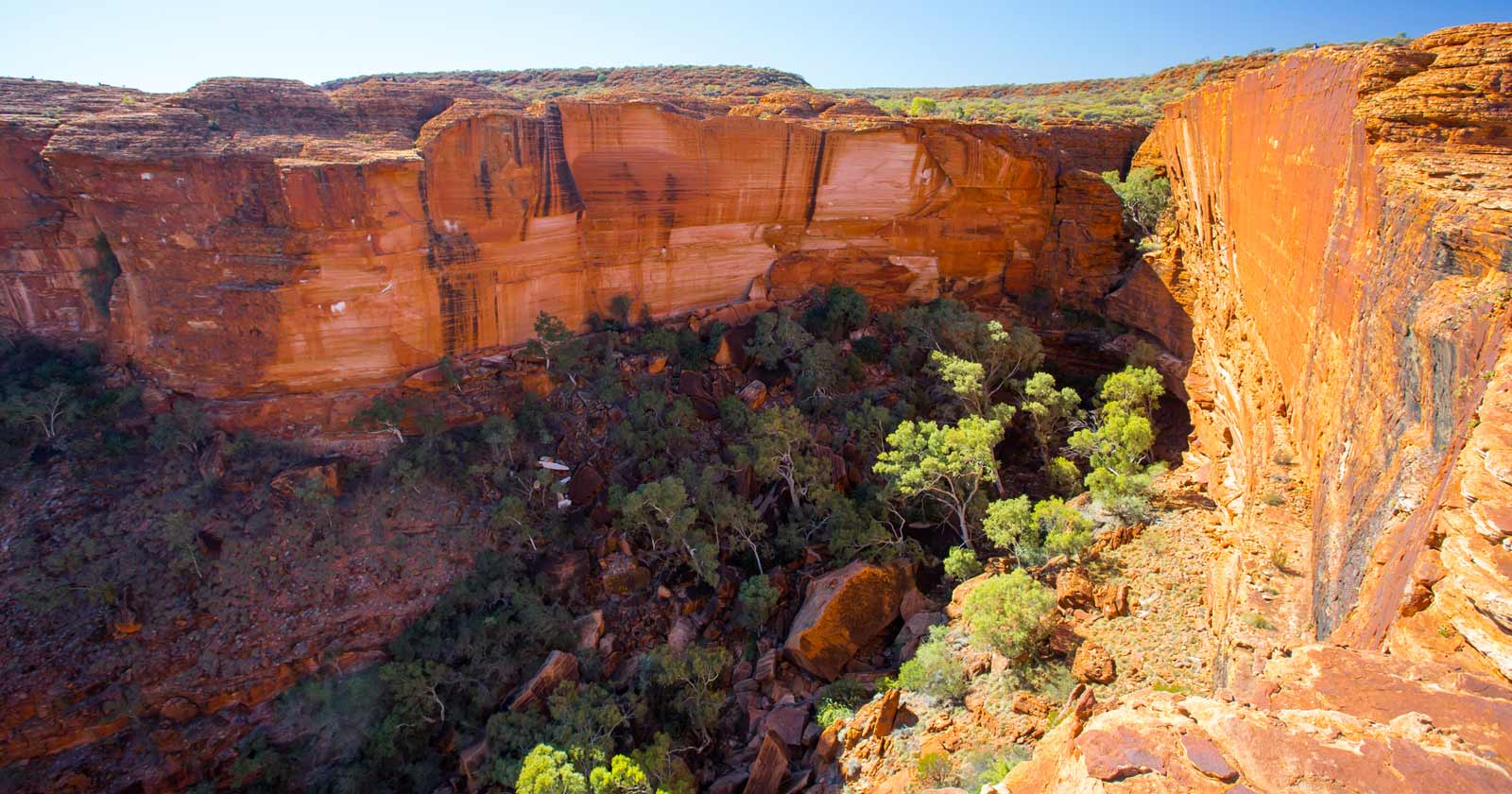
Uluru, Kata Tjuta and Kings Canyon are the Northern Territory’s most recognisable walking destinations, and for good reason. These are landscapes that are genuinely best experienced on foot, where the trails bring you close to rock formations, gorges, waterholes and places of deep cultural significance. The 2km Mala Walk offers insight into the connection between Uluru and the Mala people, and I think it’s worth doing even if you’ve already seen Uluru from a distance. The 11-kilometre Uluru Base Walk circles the monolith and shows you its changing faces, textures and cultural context in a way you simply don’t get from a lookout.
A world of waterfalls
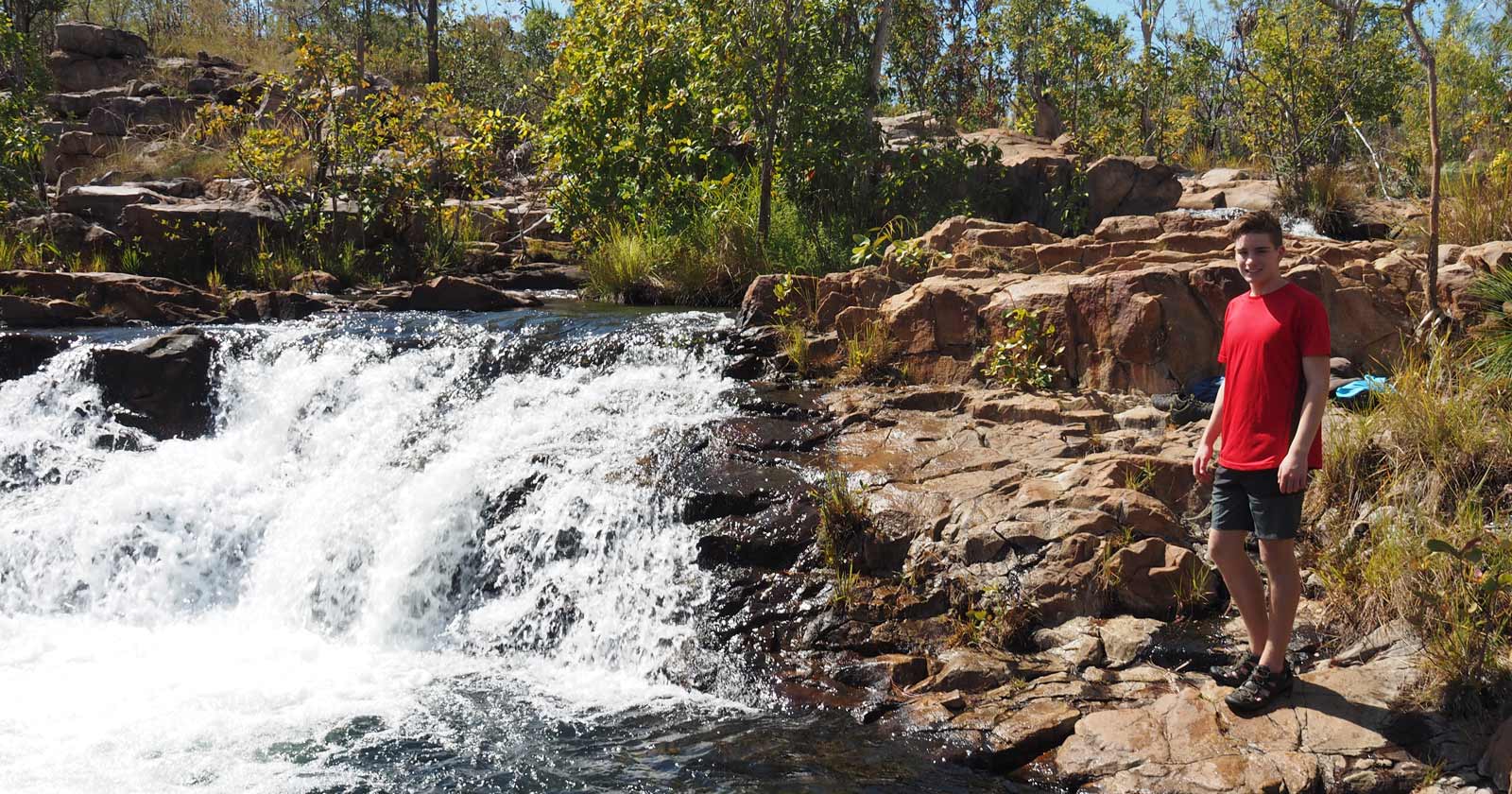
Head up to the Top End and Kakadu and Nitmiluk National Parks offer a completely different walking experience, shaped by sandstone escarpments, river valleys, floodplains and seasonal waterfalls. Kakadu has a wide variety of walks, from short lookouts such as Boucaut Lookout Walk to more demanding routes like the walk to Twin Falls Plateau. Walking these tracks is the best way I know to actually understand the scale of the Arnhem Land escarpment, rather than just looking at it from a viewing platform.
Nitmiluk National Park is built around the dramatic sandstone gorge system of Nitmiluk, or Katherine Gorge. The Jatbula Trail is one of the Territory’s classic multi-day walks, a five-day route past waterfalls, rock pools, escarpments and Aboriginal rock art sites. It’s the kind of walk where the landscape and the cultural depth carry equal weight, and I’d rate it as one of the best multi-day walks in the country for that combination alone.
Exploring Litchfield National Park
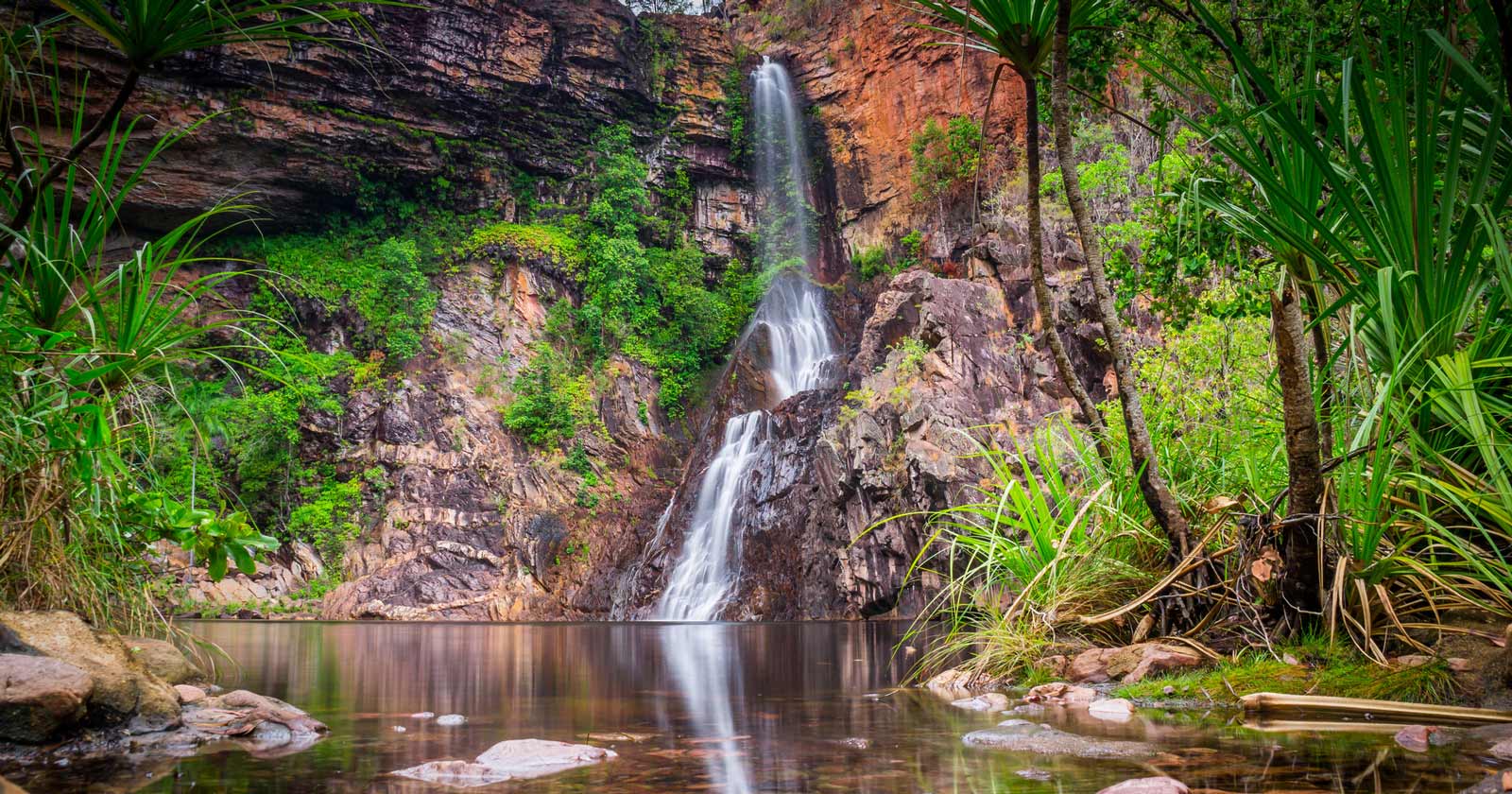
Litchfield National Park is one of the Territory’s most accessible hiking destinations, and it’s a striking contrast to the Red Centre. Rainforest pockets, spring-fed creeks, waterfalls and open savanna make it a rewarding place to walk, whether you’re after a shorter outing or a multi-day circuit with regular access to water. The Litchfield Tabletop Track is a 39 kilometre circuit that links woodlands, creeks and waterfalls, and shows off the park’s variety better than any single feature could. Florence Falls, Wangi Falls and the giant termite mounds along the way all add to what’s already a rewarding walk.
Treks for the determined
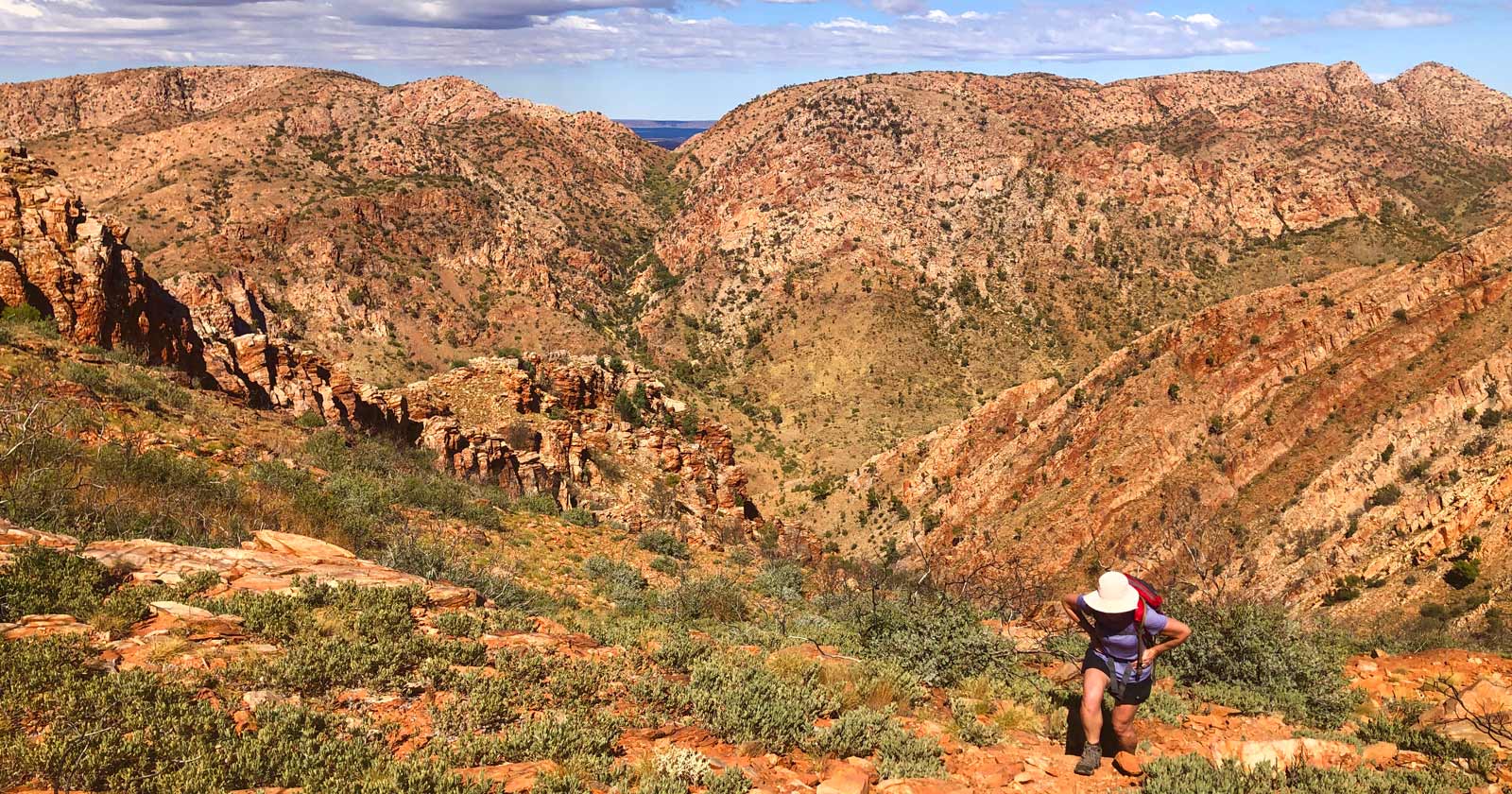
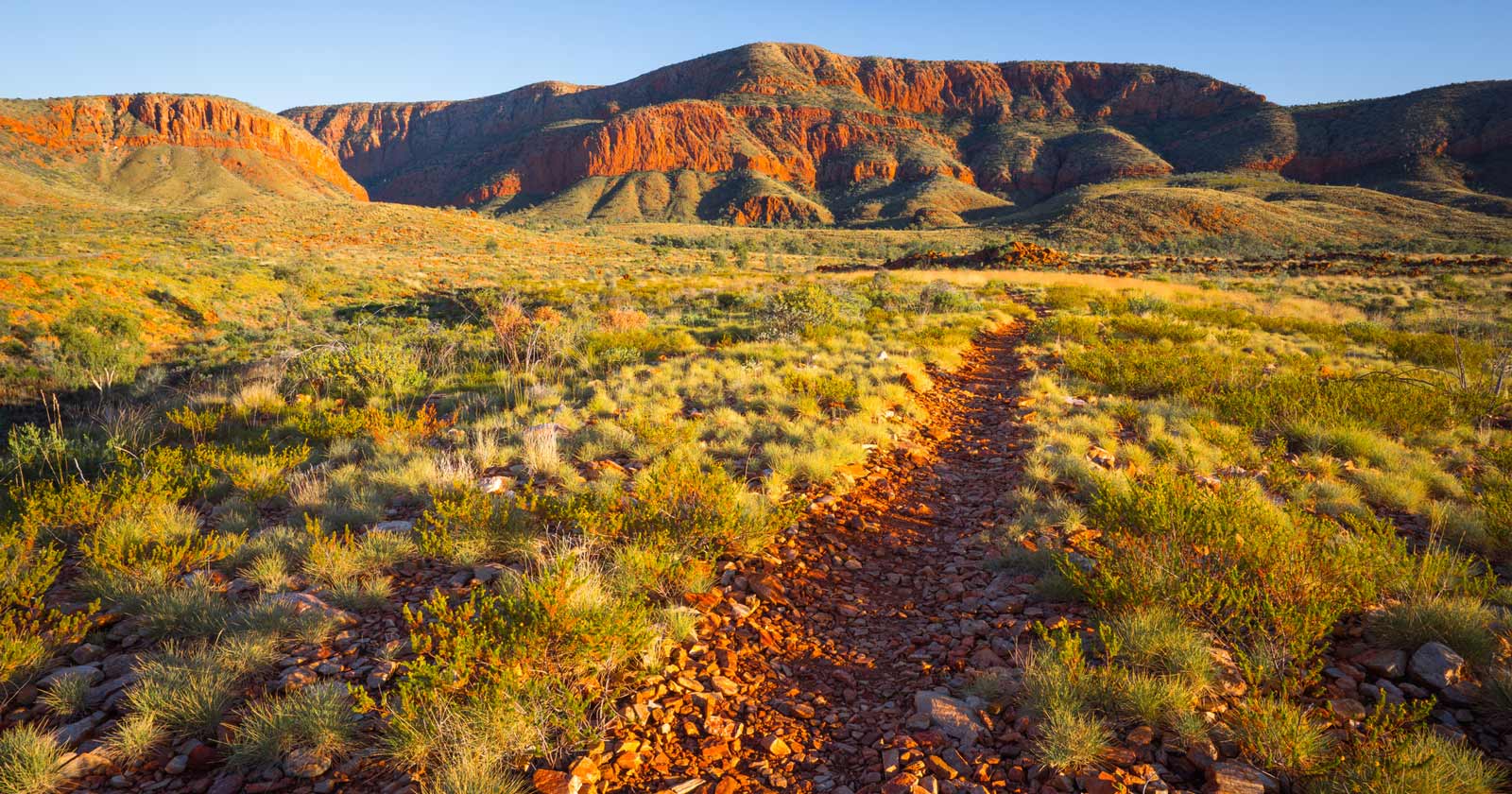
For experienced hikers, The Larapinta Trail is the Territory’s defining long-distance walk, and I don’t think that title is overstated. Stretching 223km through the West MacDonnell Ranges, it crosses ridgelines, gorges, rocky plateaus and remote desert country west of Alice Springs. You can walk selected sections over a few days or commit to the full through-hike using the designated campsites along the route. It’s a demanding trail, no question, but it reveals the scale, colour and complexity of the central Australian landscape better than almost anything else I’ve walked.
Beyond the icons
There’s more to the Territory than its best known landmarks. Near Alice Springs, Emily and Jessie Gaps offer accessible walks through sandstone country with rock art and real cultural significance. The Yeperenye Trail links these sites in an 8km route through the East MacDonnell Ranges, and it’s a rewarding half-day hike close to town if you’re short on time.
Further out, southern Kakadu’s Jarrangbarnmi (Koolpin Gorge) is a much more remote, permit-only experience through sandstone country, fern-filled grottos and secluded pools. This is one of several places in the Territory where remoteness, access conditions and cultural sensitivity are genuinely part of the experience, and I think they need to be treated with care rather than ticked off like any other walk.
Cultural connections
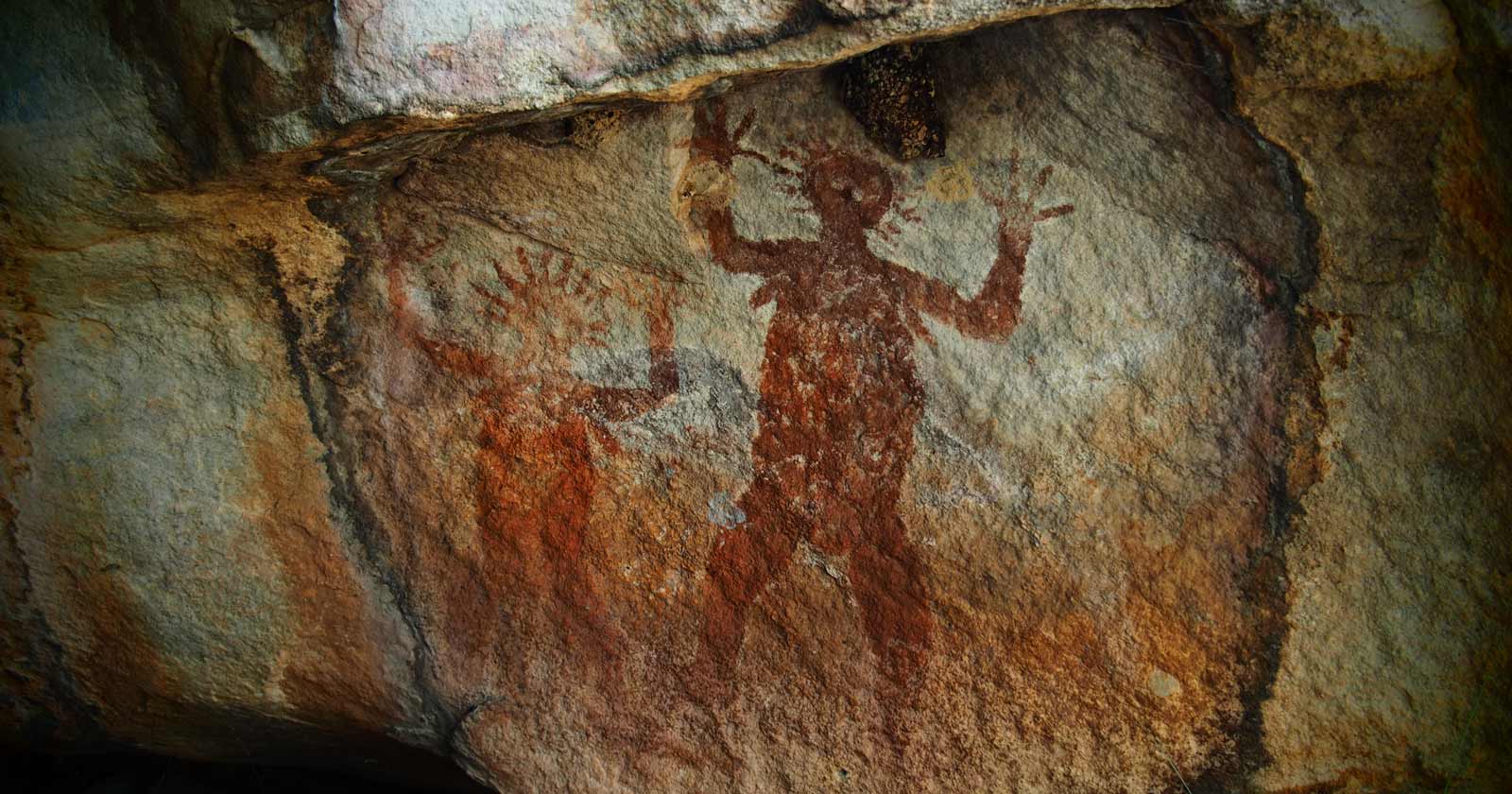
Walking in the Northern Territory also means moving through landscapes of immense Aboriginal cultural significance. Many trails pass rock art sites, story places and areas that remain central to the traditions of the land’s Traditional Owners. Guided walks led by Aboriginal rangers can add important context here, and I’d genuinely recommend one if you get the chance, helping walkers understand bush foods, seasonal knowledge, land management practices and the long relationship between people and place.
Trails for everyone
While the Northern Territory is known for its major desert and gorge walks, there’s a wide range of abilities catered for too. Shorter tracks in many national parks give you access to lookouts, waterholes and cultural sites without requiring a major commitment. The 5km Baruwei Loop Walk in Nitmiluk National Park is a good example, climbing gradually to views over the Katherine River and the western end of the gorge.
For those after something more remote, Arnhem Land and other less-visited parts of the Top End offer the chance to experience country that sees far fewer visitors. Access often requires permits and careful planning, but I’d argue that effort is repaid with a deeper sense of isolation, intact landscapes and a strong cultural presence you don’t get on the more travelled routes.
Preparing for your hike
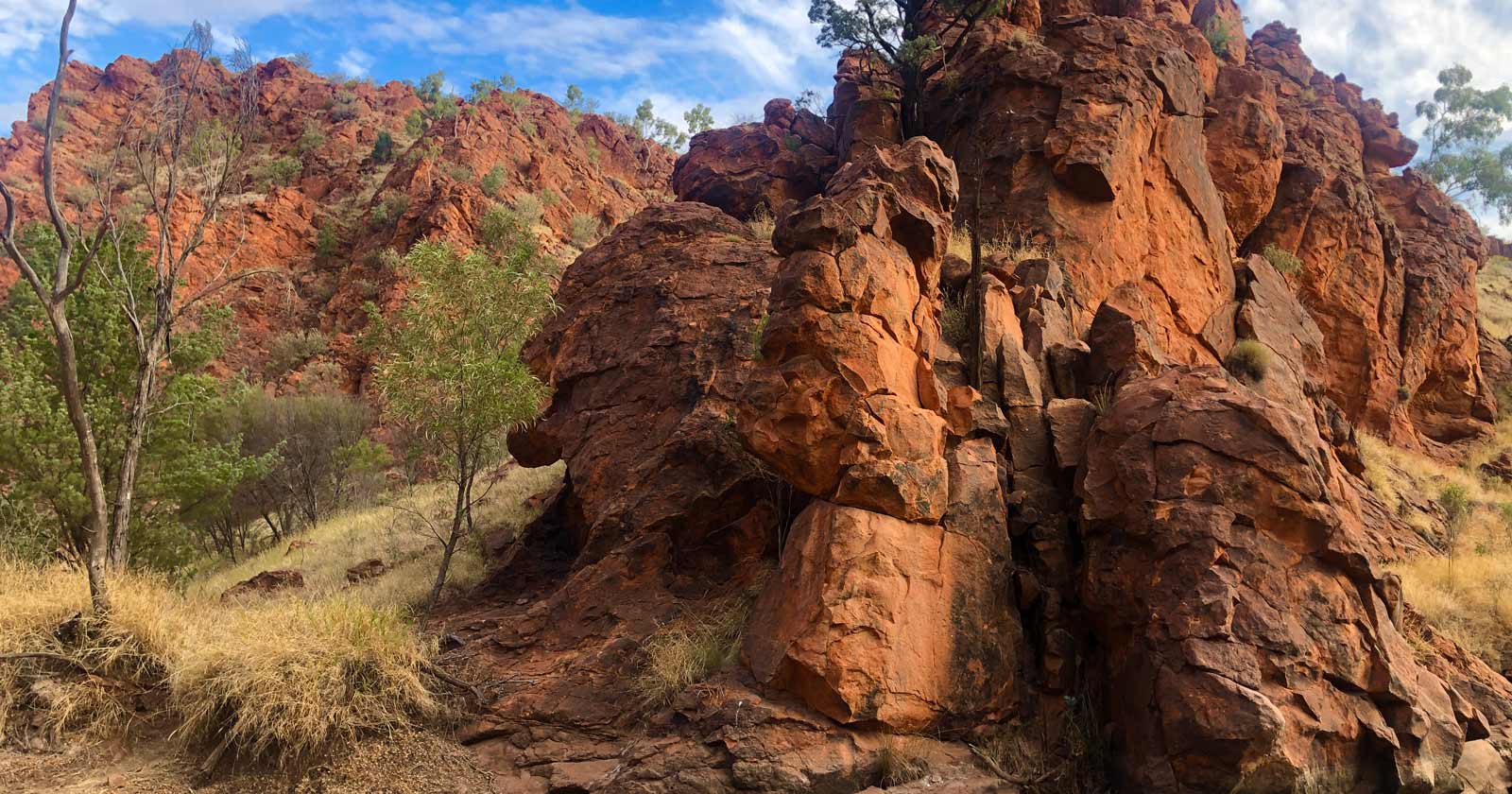
Good preparation matters more in the Territory than in most other parts of Australia, because the margin for error out here is smaller. Before heading out, research the route carefully, including distance, difficulty, permit requirements and seasonal access. Check weather conditions, understand the terrain, and always let someone know your plans.
A good pair of hiking boots, plenty of water, high-energy food, a hat, sunscreen, insect repellent and a first-aid kit are basic requirements, not optional extras. Navigation tools such as a map and compass, along with the skills to actually use them, matter on the more remote walks. A PLB is strongly recommended for longer or more isolated routes, and I wouldn’t head into the more remote country without one.
The Northern Territory’s landscapes are both fragile and culturally significant, so stay on designated tracks where required, leave no trace, pack out all your rubbish, and respect cultural protocols wherever you walk.
On the trail in the Northern Territory
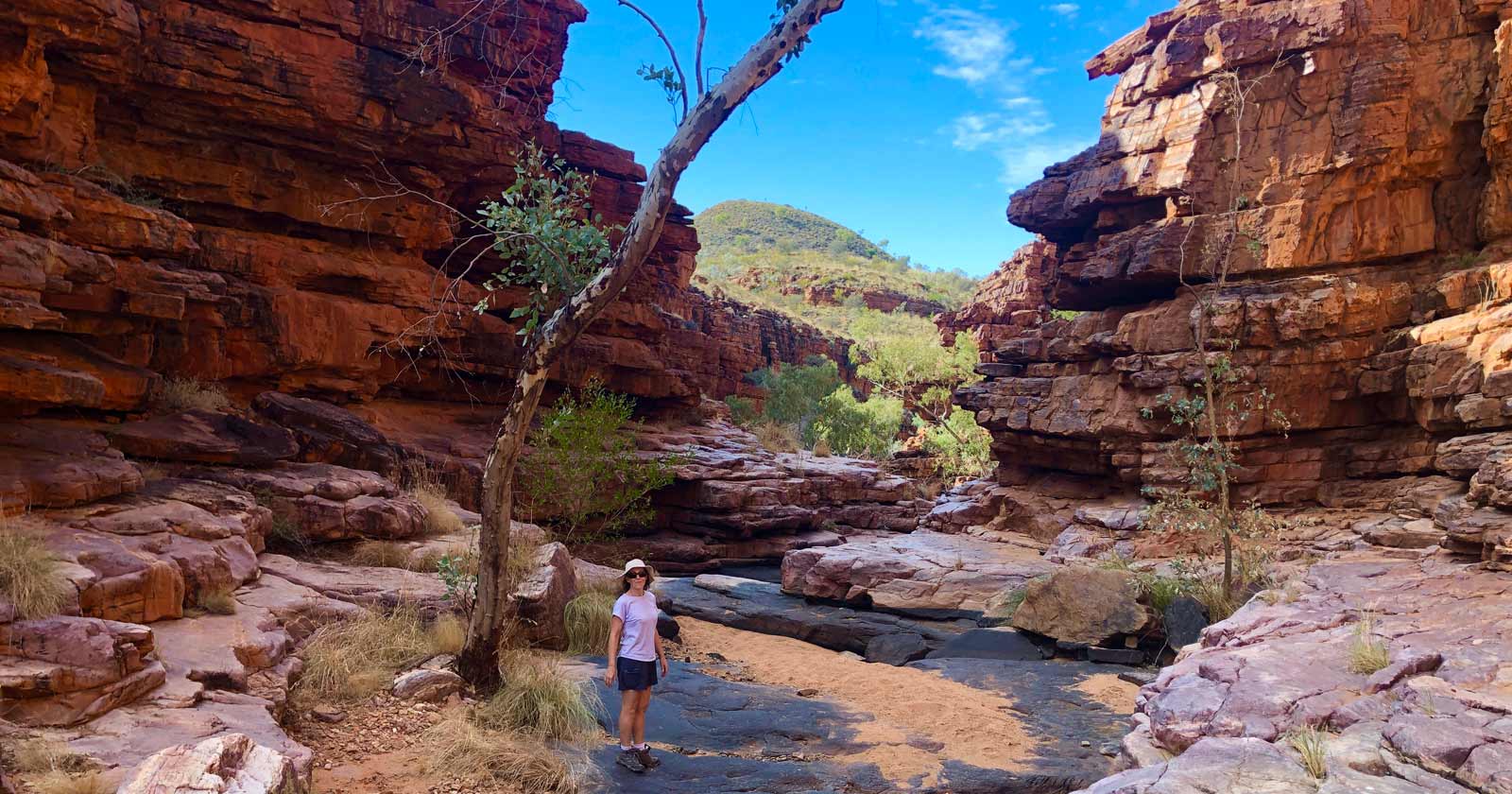
Hiking here brings you into close contact with landscapes that feel both ancient and alive at the same time, which is a strange thing to experience until you’re actually in it. Along the trail you might see wedge-tailed eagles overhead, wallabies moving across rocky slopes, dragonflies over waterholes or desert wildflowers pushing up after rain. At night, in the remote areas away from artificial light, the skies can be just as memorable as anything you saw during the day.
From the Red Centre to the Top End, the Northern Territory offers walking defined by scale, geological age, cultural depth and strong seasonal character. Whether you’re doing a short gorge walk, cooling off beside a waterfall or committing to a major desert trail, I think walking here is one of the best ways there is to actually understand this country.
Find the best hikes and walks in the Northern Territory here.





What’s your favourite hike in the NT?
What’s your favourite hiking spot in the Northern Territory, and what made it special for you?
Trail Hiking Australia Larapinta … simply stunning