Ancient Ranges, Waterholes and Gorges of Tjoritja
Overview
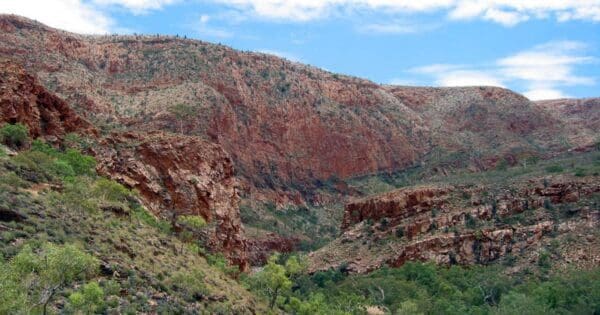
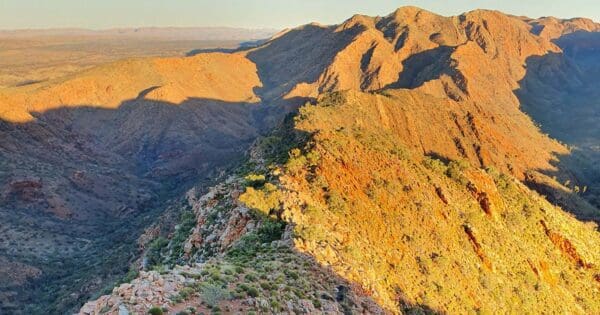
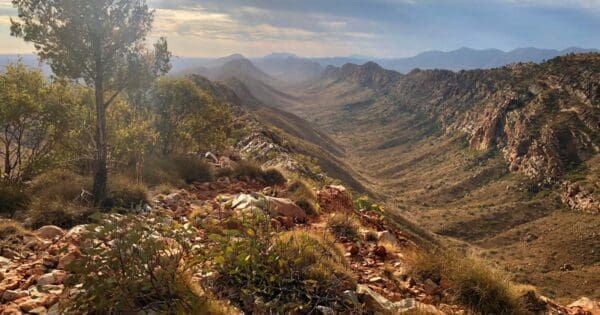
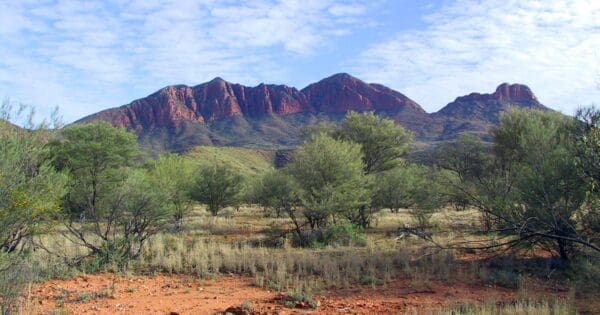
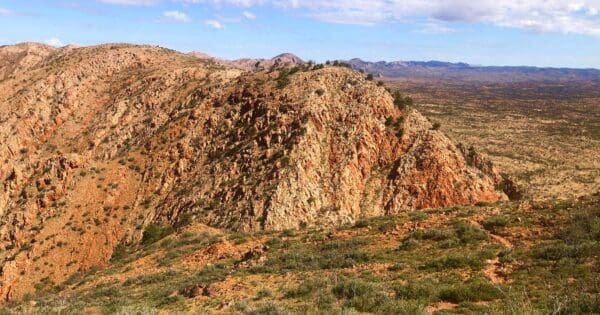
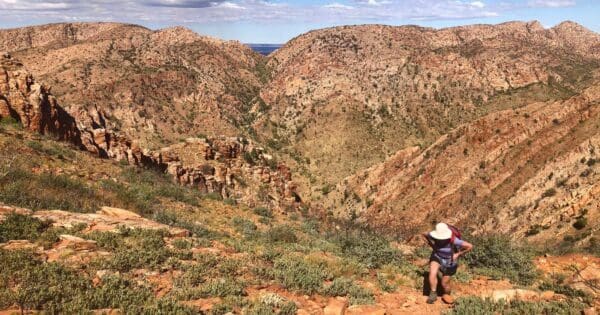
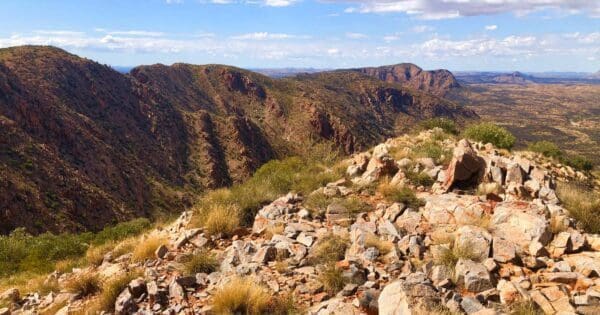
West MacDonnell National Park, also known as Tjoritja, stretches west from Alice Springs for about 160 kilometres and protects more than 2,000 square kilometres of Central Australian country. It is a big, varied landscape of ancient ranges, narrow gorges, chasms, riverbeds and permanent waterholes, with the long spine of the West MacDonnell Ranges shaping almost every view.
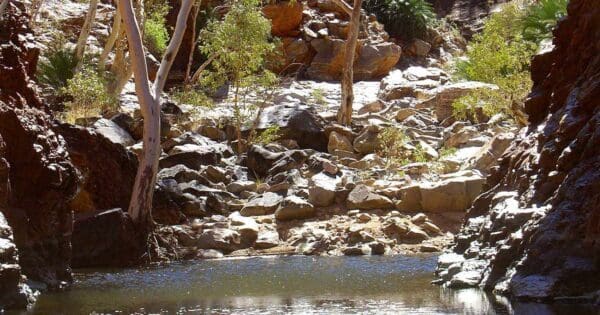
What makes the park feel so distinctive is the contrast between dry ranges and the pockets of water and shade tucked into the gaps. Those sheltered places support plant and animal life that stands out in an arid setting, so the park feels far richer and more textured than many people expect from the Red Centre.
Highlights
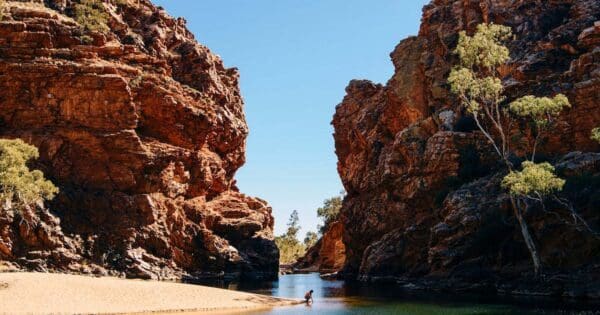
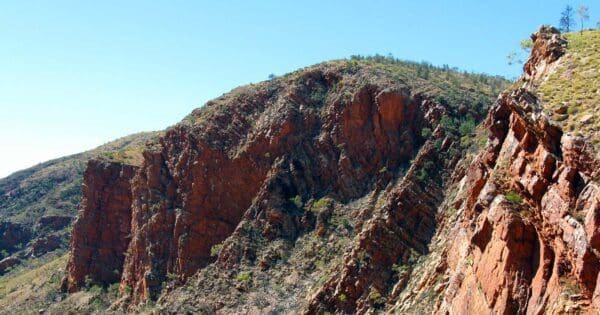
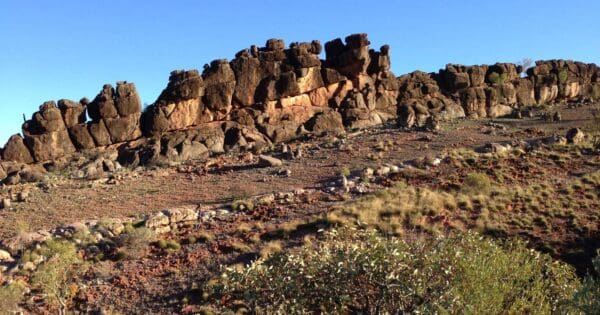
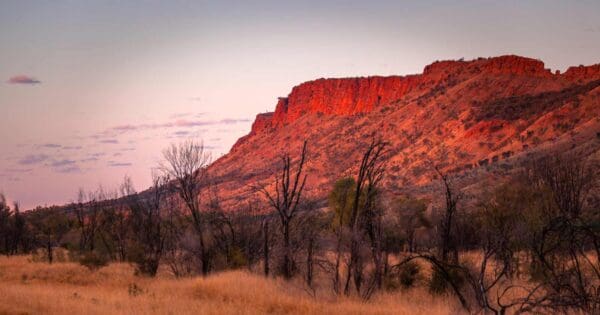
The scenery here is defined by long red and ochre-coloured ridgelines, steep gorge walls and clear waterholes held in the folds of the ranges. Some sections feel broad and open, with big mountain backdrops and sandy creek lines, while others tighten into chasms and rocky corridors where the light changes quickly through the day.
Permanent and semi-permanent watercourses and waterholes are a major part of the park’s character. They soften the harshness of the surrounding country and create the kind of contrast that gives the West Macs their strong visual pull, especially where sheer rock, still water and river red gums meet.
Best Time to Visit
The cooler months from May to September are generally the most comfortable time to be here. That is when walking is at its busiest, and the milder conditions make it easier to appreciate the open ridgelines, shaded gorges and waterholes without the intensity of Central Australian heat.
At other times of year, the park still has a strong appeal, particularly around its natural waterholes, which become especially inviting in hot weather. If you are coming mainly for the scenery rather than a longer day on foot, the changing light across the ranges can be rewarding in any season.
Plants and Animals
The park is especially important for biodiversity because its gorges, waterholes and groundwater support a significant share of the region’s aquatic and terrestrial life, including species found nowhere else in arid Australia. About 700 native plant species have been recorded here across 39 vegetation communities, which gives some sense of how much ecological variety is packed into these ranges.
Threatened species recorded in the park include the central rock-rat, black-footed rock-wallaby, princess parrot and Slater’s skink. It is also home to the MacDonnell Ranges cycad, a plant strongly associated with this part of Central Australia. The cooler, sheltered sites within the ranges are particularly important refuges for species that would struggle in the more exposed country around them.
Culture and Heritage
Tjoritja is the name used by the Aranda people for the West MacDonnell Ranges, and the park is described as a living cultural landscape with many creation stories and traditions connected to it. The country is sacred to its Traditional Owners, and its landforms are tied to ancestral beings and to continuing responsibilities under Aboriginal Law.
The park covers a large part of country called Tjoritja, and its Traditional Owners belong to sixteen countries or estates. In 2014 the park was dual named Tjoritja / West MacDonnell National Park, recognising the country’s original name and the continuing connection of Traditional Owners to this place.