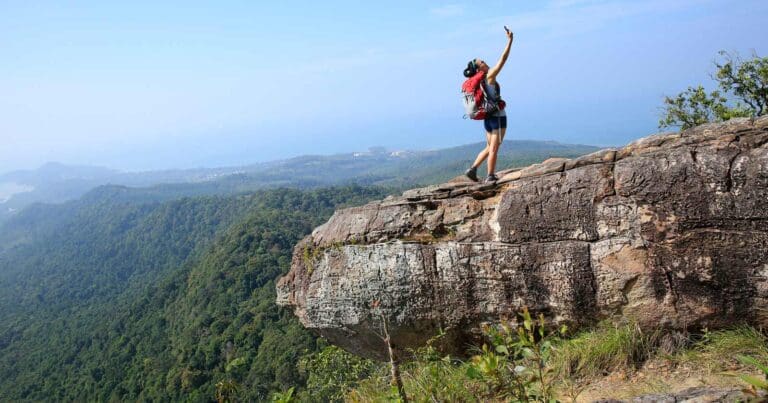
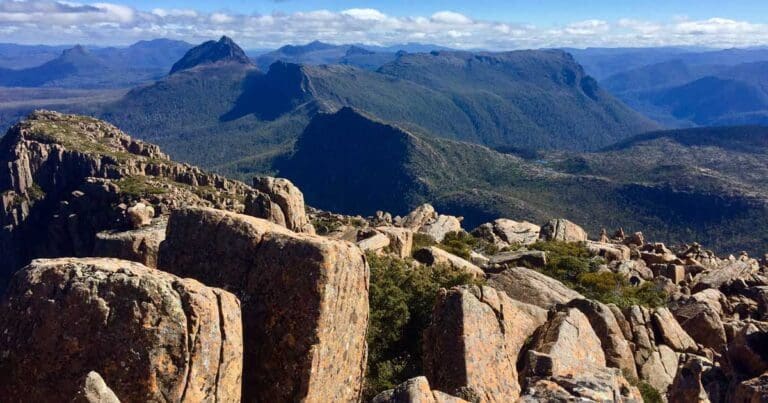
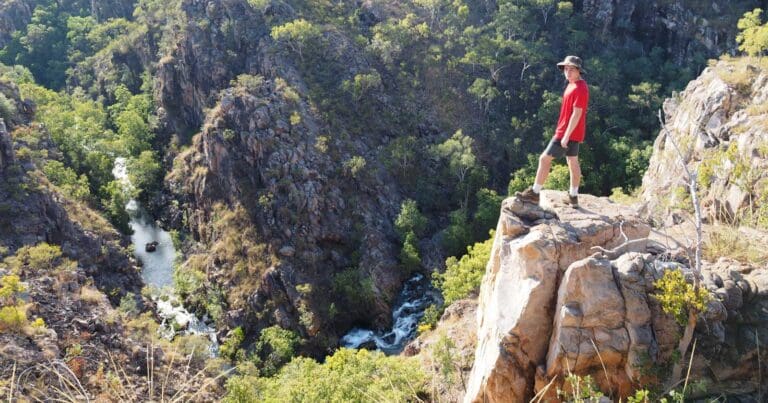
Canberra and the ACT pack in more hiking than their size on a map suggests. I’m always a bit surprised by how quickly the city falls away once you’re on foot. Within minutes of the centre, walkers can reach mountain ranges, bush reserves, riverside tracks and wide open country that feels a long way from the national capital. From easy lakeside circuits and family-friendly nature walks to longer routes through Namadgi National Park, the ACT covers a genuinely wide range of walking experiences in a relatively small area.
What makes hiking here distinctive, to my mind, is how naturally the built and the wild sit next to each other. One walk passes major national institutions and wetlands, and the next heads into remote mountain country on the edge of the Brindabellas. For anyone based in Canberra or just visiting, that’s a genuinely accessible and varied network of trails to work with.
Nature close to the city
One of Canberra’s real strengths as a hiking destination is how fast you can move from the city into bushland and mountain country. Plenty of walks start only a short drive from the centre, with nature reserves and national park access points scattered around the urban edge. Namadgi National Park, on Ngunnawal Country, protects a large area of the southern ACT and offers hundreds of kilometres of tracks through eucalypt forest, granite country and high mountain terrain.
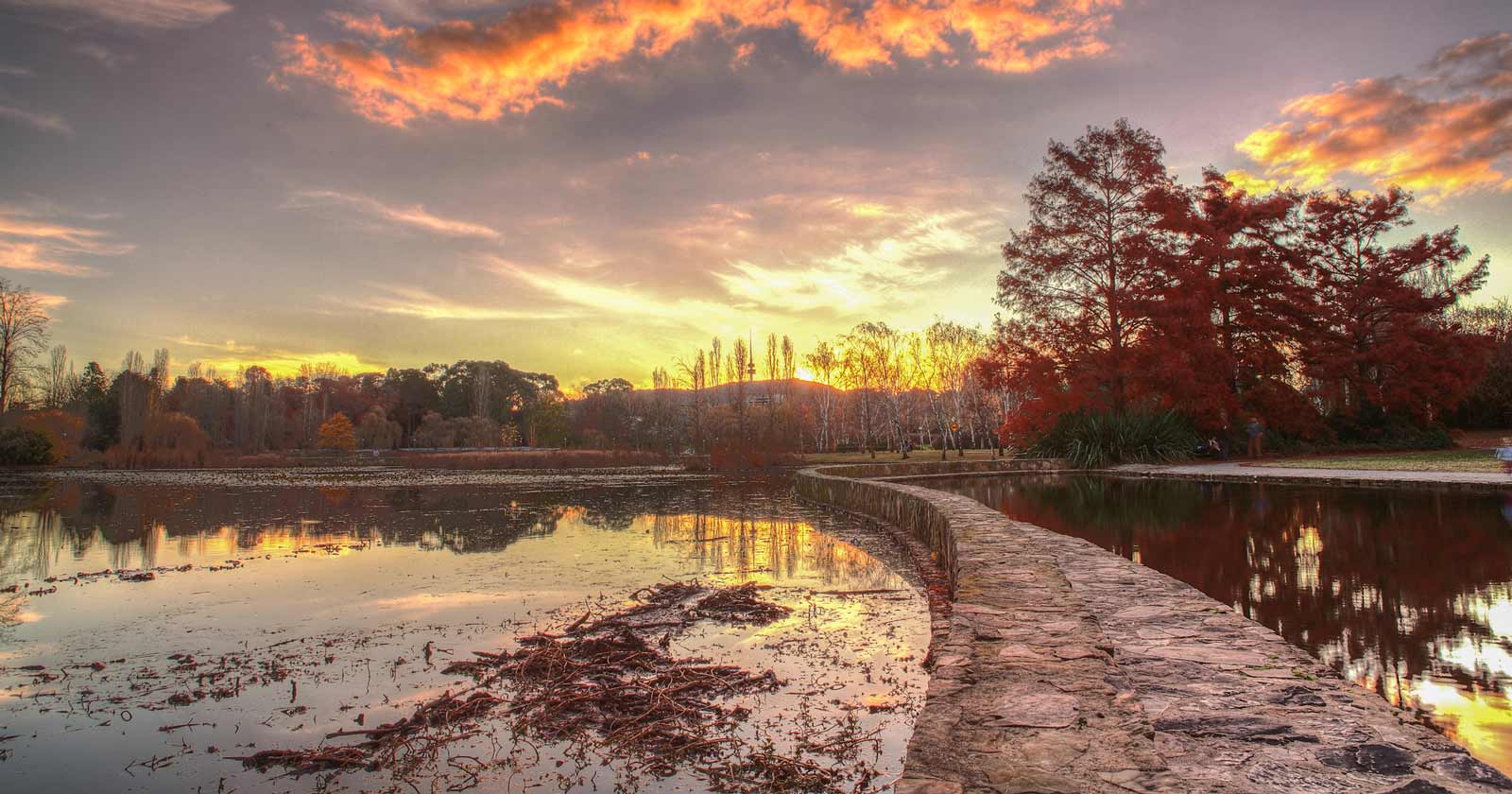
Walking through the heart of Canberra
Canberra’s walking options aren’t limited to bushland. Some of the city’s most accessible trails carry a strong sense of place, combining open green space with views of major civic landmarks. The loop around Lake Burley Griffin is a good example, linking shoreline paths, gardens and public spaces with views towards Parliament House, the Australian War Memorial and other well-known buildings. It’s an easy walk, and I still think it’s one of the better ways to see how the city’s natural setting and its planned design were built to work together.
Nearby, the Australian National Botanic Gardens offer another accessible option, with paths through collections of native plants from across the country. Paired with a walk around the lake, these urban trails add a different flavour to hiking in Canberra than the mountain routes do.
Longer walks in Namadgi
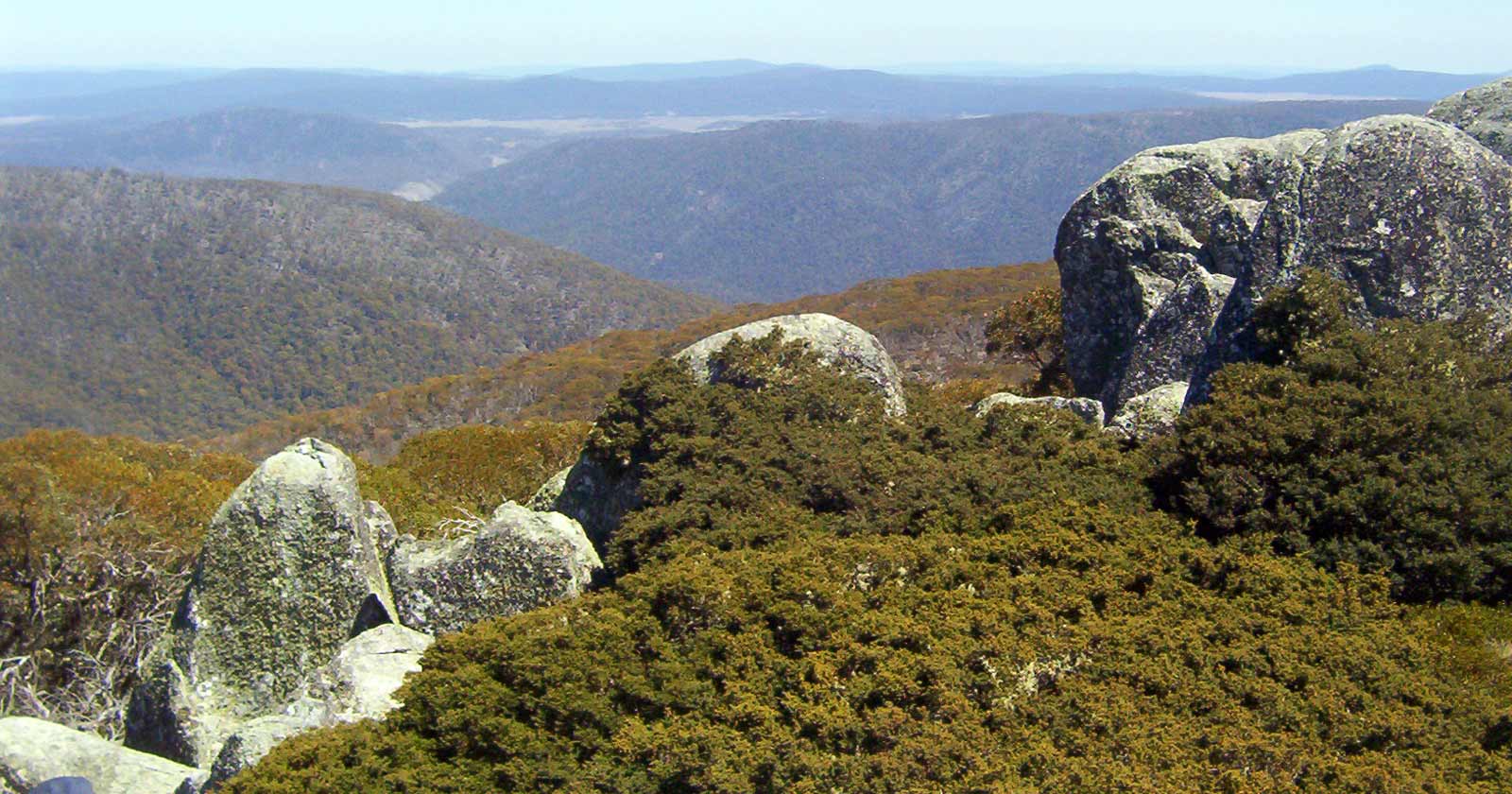
For more experienced hikers, Namadgi National Park is where the ACT’s real walking terrain is. The Bimberi Walk is one of the region’s standout longer routes, around 50km through the Brindabella Range to Bimberi Peak, the highest point in the ACT. It’s a demanding walk that asks for planning, fitness and genuine self-sufficiency, but the views and the sense of remoteness are worth what it costs to get there.
Walkers wanting more time in the mountains can also look at nearby peaks such as Mount Gingera and Mount Tennent, which add further depth to the ACT’s high country walking.
Exploring the ACT’s landscapes
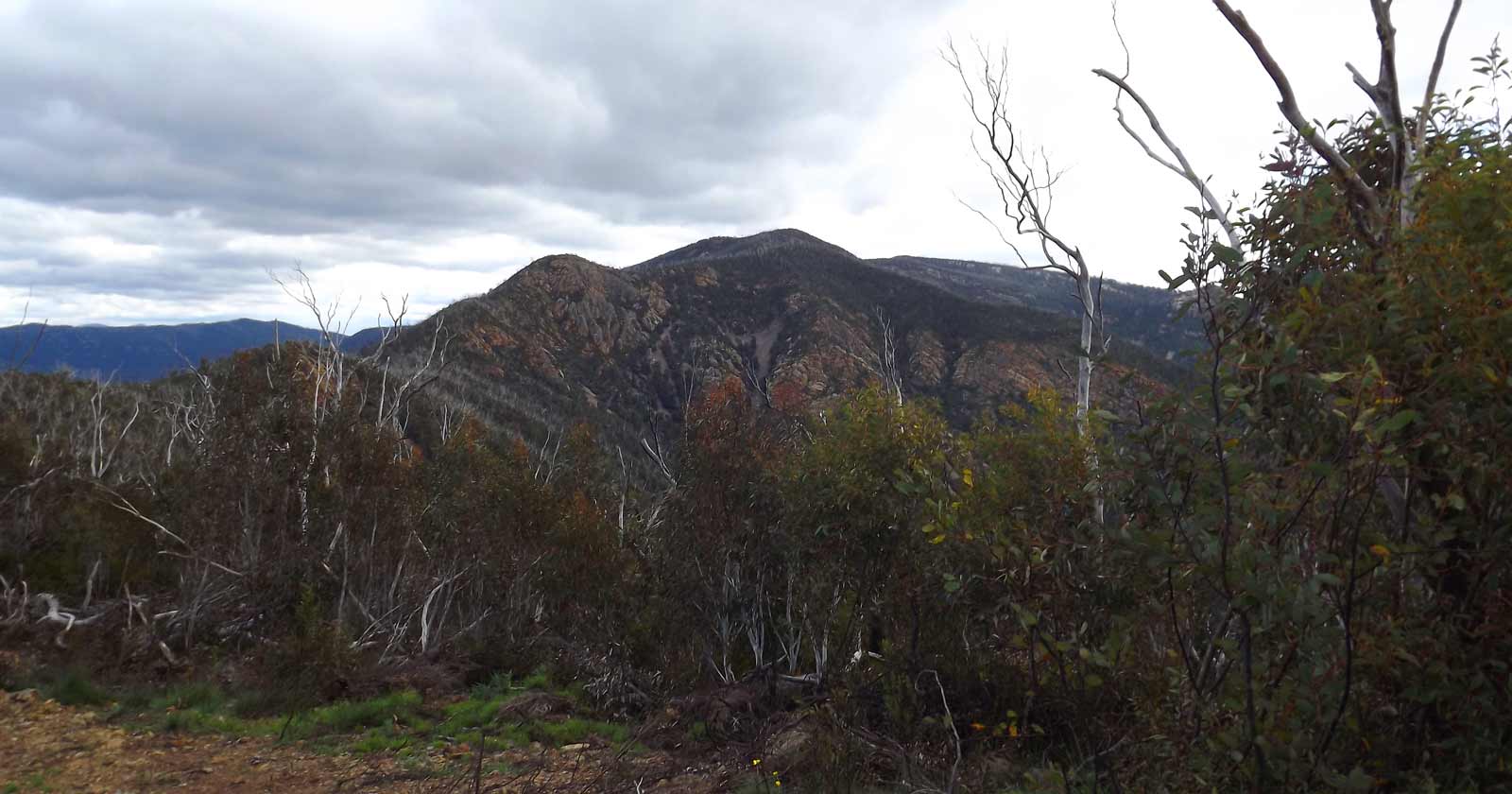
The ACT fits a surprising amount of landscape variety into a small area. Tidbinbilla Nature Reserve is one of the best examples, with open grassland, forest, rocky slopes and elevated lookouts within easy reach of Canberra. The 8.2km Gibraltar Peak Walking Trail is one of the reserve’s best-known hikes, climbing steadily to panoramic views across the reserve and surrounding ranges.
Other walks worth knowing about include the Camels Hump Hike, which follows a steep ridgeline, and the Western Foreshores Walk, which tracks along the Molonglo River for a quieter riverside experience. In Namadgi, the Stockyard Spur Track climbs through tall forest to snow gum country on the Brindabella Range, with distant views that can reach as far as Mount Kosciuszko in clear conditions. The Brandy Flat Hike is a more moderate option through dry forest and box woodland to Brandy Flat Hut.
Walks for every ability
The ACT caters well to walkers at different fitness levels. The London Bridge Walk in Googong Foreshores is a good short walk for families, with a natural limestone arch and a distance that younger walkers can manage comfortably. The walking loop around Lake Burley Griffin is another easy option, and worth doing slowly if you like watching birds along the lakeside.
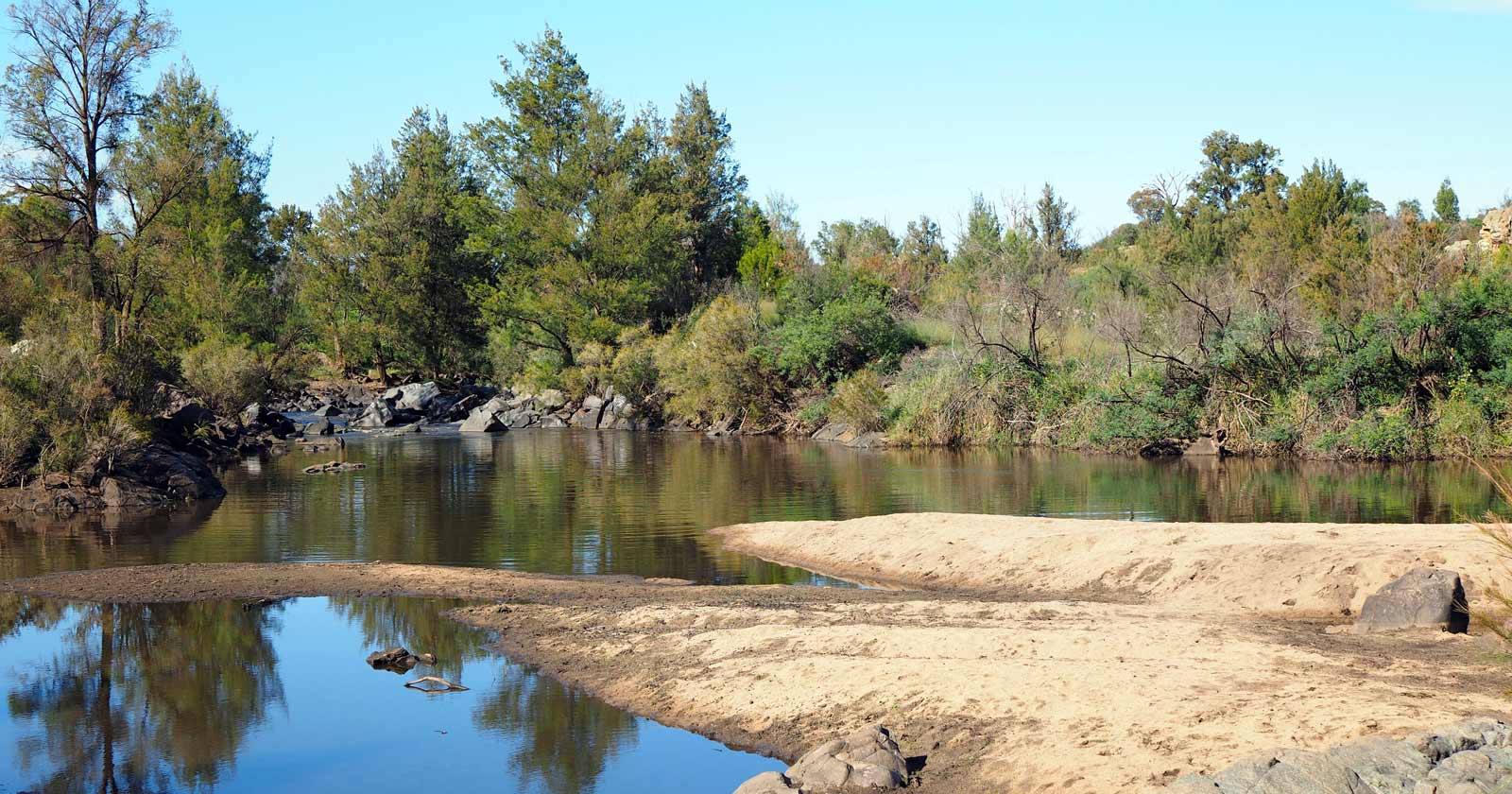
The Murrumbidgee Discovery Track adds further flexibility, with routes suited to both walkers and riders. The section from Kambah Pool to Pine Island is a good family-friendly option, while the full 27km route from Casuarina Sands to Point Hut Crossing is a longer and more committing day. The more challenging section from Casuarina Sands to Kambah Pool is quieter and considerably more rugged.
Whichever walk you choose, it’s worth checking trail difficulty, weather conditions and current park alerts before setting out. Good safety preparation matters just as much on short urban-edge walks as it does out in more remote mountain terrain.

Beyond the trails
Walking in Canberra combines easily with the broader attractions of the city and the surrounding region. A guided walk with a Ngunnawal ranger in Tidbinbilla adds real cultural context, helping visitors understand the Traditional Owners’ long relationship with this land. After a day on the trail, Canberra also has plenty to offer in food, wine, museums and galleries if that’s how you want to spend the evening.
This mix of accessible bushland, mountain terrain and city infrastructure is, I think, what actually makes hiking in the ACT distinctive. Few capitals anywhere offer this much walking variety this close to the centre.
Canberra and the ACT may be compact, but there’s a lot more here than most visitors expect: mountain summits, nature reserves, riverside tracks and urban walks, all within reach of each other.
Find the best hikes and walks in Australia’s Capital Territory here.