Sorry, no records were found. Please adjust your search criteria and try again.
Sorry, unable to load the Maps API.
Explore stunning hiking trails of Googong Foreshores
Discover the diverse trails of Googong Foreshores, New South Wales, offering hikes and walks for all skill levels and interests. Find your perfect adventure today.
Discover 9 hiking trails in Googong Foreshores
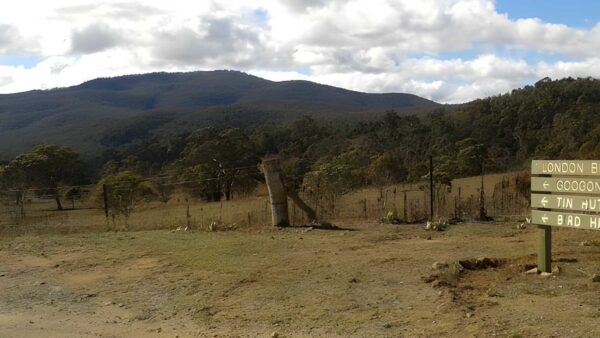

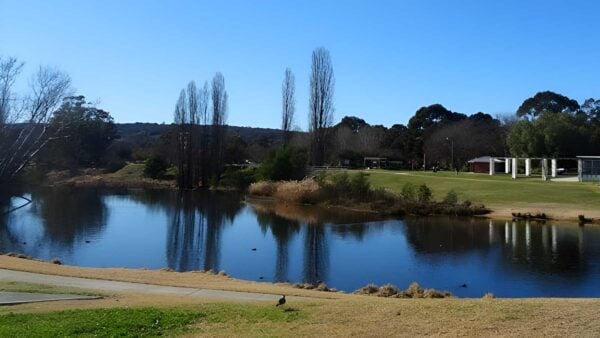

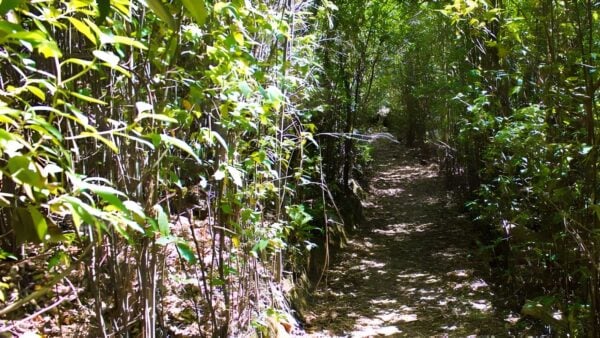
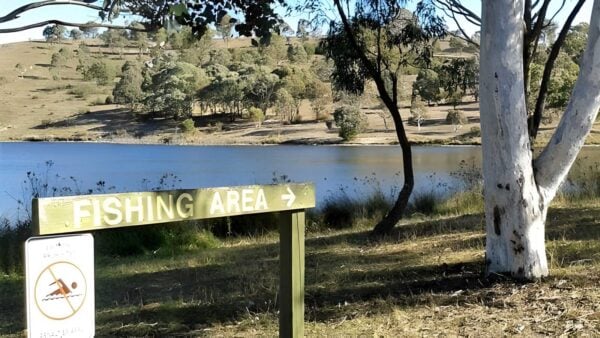

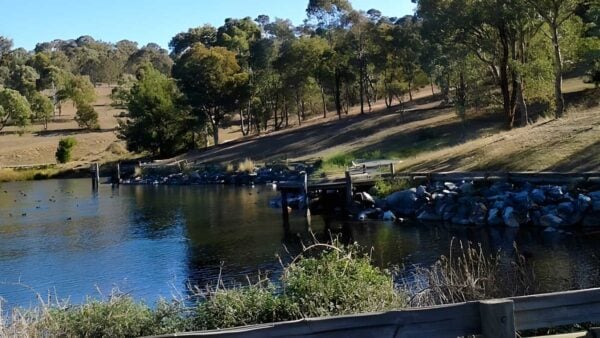
Where Reservoir Shores Meet Limestone Country
Overview
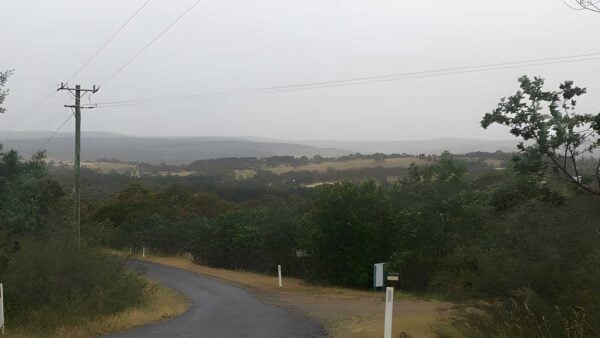
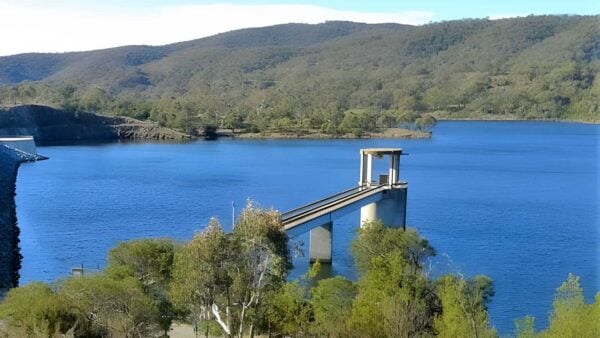
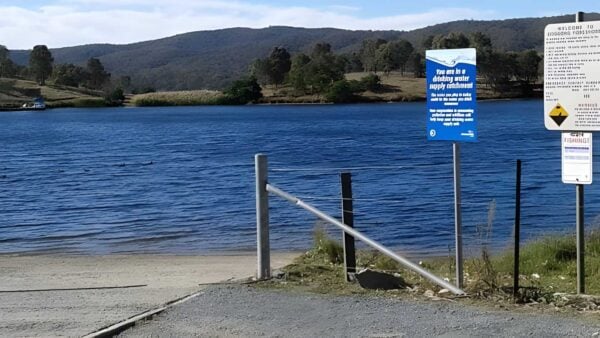
Googong Foreshores sits just south of Queanbeyan, wrapping around the reservoir that supplies water to Canberra and Queanbeyan while also protecting a large stretch of bushland, river country and shoreline. It is a distinctive place because the water body, open woodland, grassland and steep eastern escarpments all sit together in one managed landscape, giving the area a very different feel from the higher alpine country or the denser forests found elsewhere in south-eastern New South Wales.
The broader foreshores cover Commonwealth-owned land in New South Wales managed by the ACT Government, with conservation sitting alongside low-impact recreation and catchment protection. That balance helps explain the character of the place. Even close to the water, much of the landscape still feels broad, open and ecologically important rather than heavily developed.
Highlights
The big draw here is the mix of shoreline scenery and rugged inland terrain. Around the reservoir, there are long inlets, quiet coves and stretches of edge vegetation that soften the waterline, while farther out the country opens into grassy woodland and broad valley floors. On the eastern side, steeper slopes and escarpments add a rougher, more broken texture to the landscape.
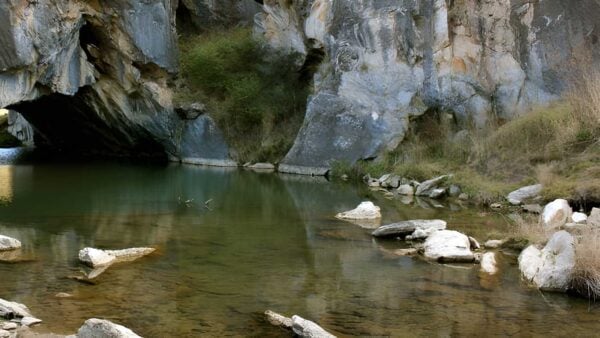
One of the most distinctive natural features in the wider foreshores is the London Bridge Arch area, where limestone has been dissolved and worn away over time to form an arch, caves and an abandoned meander loop beside Burra Creek. It gives this part of the region a geological character that is quite unlike the surrounding tablelands bush.
Best Time to Visit
Spring and autumn are usually the most rewarding times to spend time around Googong Foreshores. The open woodland and grassland country tends to feel more comfortable in the milder months, and changing water levels, fresh growth and active birdlife can make the shoreline especially appealing.
Winter can also suit visitors who enjoy clear air and quieter bush settings, particularly in the more open parts of the reserve. Summer has its own appeal around the water, but the exposed nature of much of the landscape means hotter days can feel quite harsh compared with more shaded parks.
Plants and Animals
Googong Foreshores protects a substantial spread of open forest, grassy woodland and derived native grassland. Forest and grassy woodland are the most common vegetation types across the area, with woodland species including Yellow Box, Apple Box, Red Box and Broad-leaved Peppermint. Parts of the foreshores also contain critically endangered Box-Gum Woodland and Natural Temperate Grassland, which gives the area real conservation weight.
Along the reservoir and creeks, reeds, sedges and rushes shape the riparian edges, creating useful habitat for birds and other wildlife. The variety of vegetation and water bodies supports a rich bird population, including waterbirds, raptors, and woodland and forest species, with 165 bird species recorded over a six-year period.
Larger native animals are part of the picture too. Kangaroos, wombats and brushtail possums are widespread, platypus occur in the Queanbeyan River upstream of the reservoir and in the upper reaches of the reservoir itself, and the area also provides habitat for threatened mammals including koala and several bat species.
Culture and Heritage
Googong Foreshores has direct and specific Aboriginal cultural heritage value. The area contains archaeological sites and places associated with Dreaming stories, and London Bridge Arch is identified as a sacred site. Surveys in the foreshores have recorded features including a campsite, artefact scatters, a scarred tree and a stone cairn, showing that this landscape was used intensively over a long period.
The place also carries historic heritage through the London Bridge Homestead group and surrounding pastoral landscape. Together with the limestone arch and cave system, these features are recognised for showing both the pastoral history of the Canberra and Queanbeyan region and the long natural processes that shaped the local landscape.
Find more places to explore…
Help expand the trail collection!
Know of an official trail not listed on Trail Hiking Australia? I’m focused on showcasing the best tracks managed by land managers, and I’d love your help! Sharing a trail adds to our community and helps others discover safe, new adventures.
Submit your trail here

