Western Australia is a different kind of hiking proposition to anywhere else in the country, mostly because of the sheer scale of it. Walkers here move from tall karri forests and coastal cliffs in the south-west to granite ranges, desert gorges and remote outback country further north, and the distances between them are genuinely large. I think that scale is what defines hiking in this state more than any single trail does. Whether you’re following the coast, climbing inland peaks or descending into ancient gorge systems, the sense of space and isolation is always there in the background.
For hikers prepared to cover the distances, Western Australia rewards you with a level of geological diversity I haven’t found matched anywhere else in Australia.
Long-distance trails
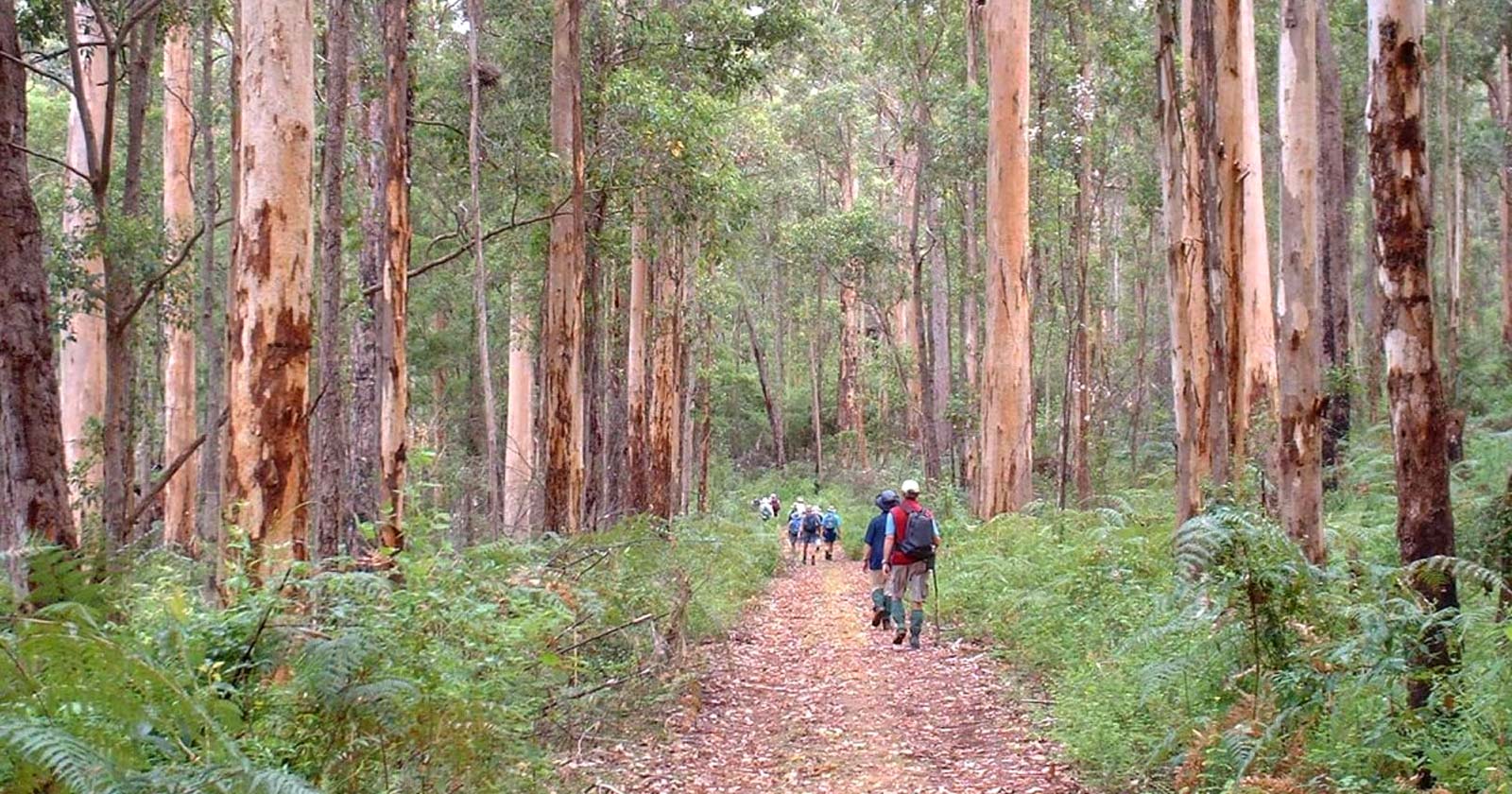
For a major multi-day objective, Western Australia has several outstanding multi-day hikes. The best known is the Bibbulmun Track, stretching 1,000 kilometres from Kalamunda near Perth to Albany on the south coast. Along the way it crosses the Darling Range, runs through towering karri forest, and reaches windswept coastline and heathland in the state’s south-west. It’s one of Australia’s genuine classic long-distance walks, and one I think deserves to be mentioned in the same breath as anything in the eastern states. You can tackle it in sections or commit to the full end-to-end journey.
The Stirling Range Ridge Traverse in the Stirling Range National Park is another serious multi-day option. This route crosses one of Western Australia’s most dramatic mountain landscapes, with granite peaks, exposed ridgelines and strong wildflower displays in season.
Challenging day hikes
Western Australia also has a strong selection of demanding day hikes for walkers who want a serious outing without the commitment of a multi-day trip.
The Bald Head Trail in Torndirrup National Park is one of the state’s best known coastal walks. It follows a narrow headland above the Southern Ocean, with exposed sections, steep undulations and wide views across granite cliffs and open water that make the effort worthwhile.
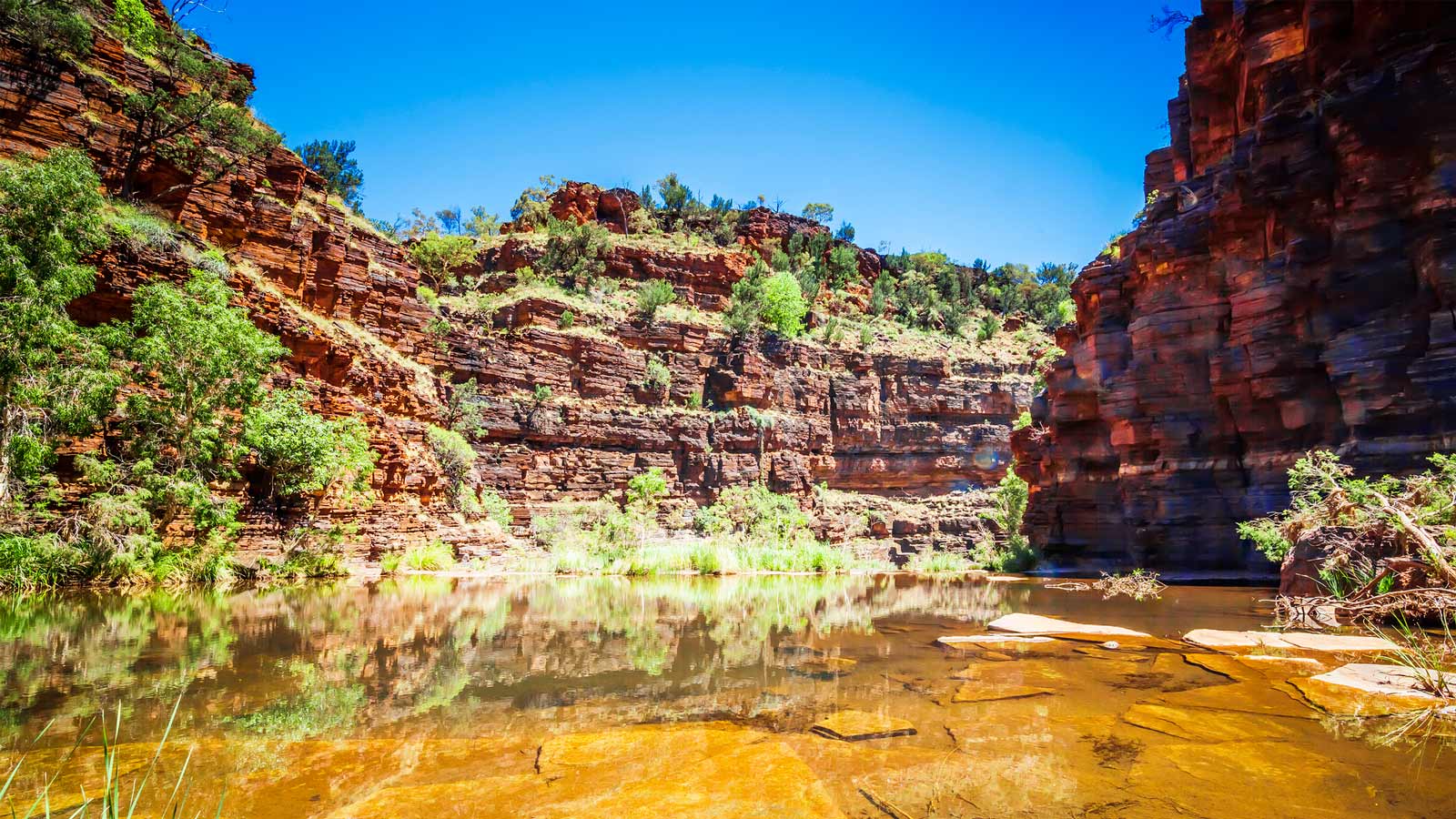
In Karijini National Park, the path to the summit of Mount Bruce leads to Western Australia’s second-highest peak. The climb is steep and demanding, but the views from higher on the mountain show you the scale of the Pilbara landscape and the deeply incised gorges that make Karijini one of the most distinctive parks in the state.
Coastal trails
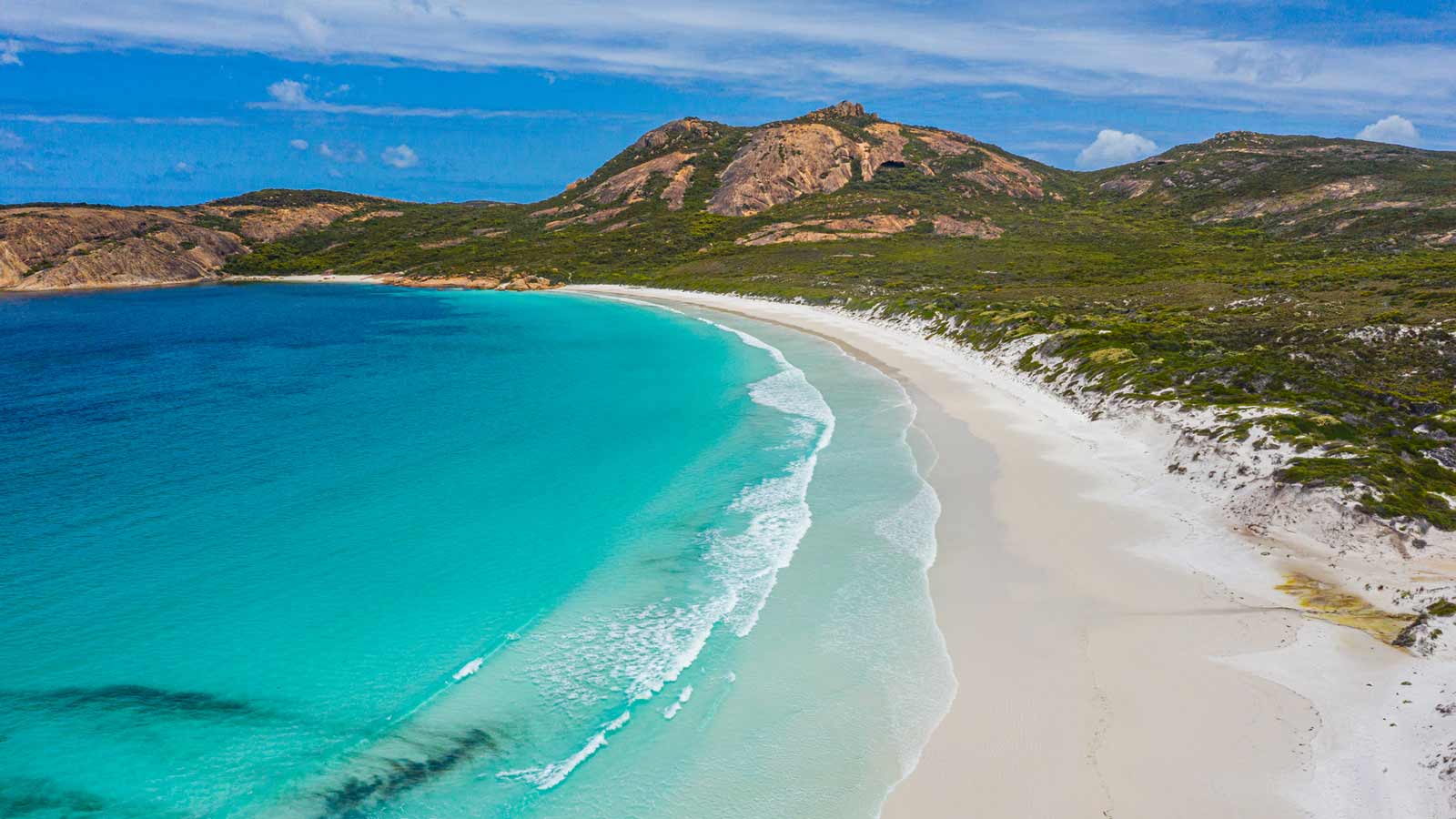
Western Australia’s coastline supports some of the finest coastal walking in the country. Long beaches, granite headlands, sea cliffs and clear water define many of these routes, particularly in the south-west and along the southern coast.
The Cape to Cape Track in Margaret River is one of the state’s best known long walks. Stretching 135 kilometres along the Leeuwin-Naturaliste Ridge, it links cliffs, beaches, limestone headlands and sections of forest through one of Western Australia’s most visited coastal regions, and it’s easy to see why it draws the crowds it does.
Further east, the Coastal Trail in Cape Le Grand National Park follows white sand beaches, turquoise bays and granite headlands over 20 kilometres. Before or after walking the coast, it’s worth tackling the short but steep hike to the summit of Frenchman Peak for a broader view across the park and the surrounding coastline.
Ranges and inland landscapes
Away from the coast, Western Australia’s inland ranges and forested hills offer a different kind of walking again. These trails move through granite uplands, wildflower country and cooler forested environments that stand in sharp contrast to the state’s drier interior.
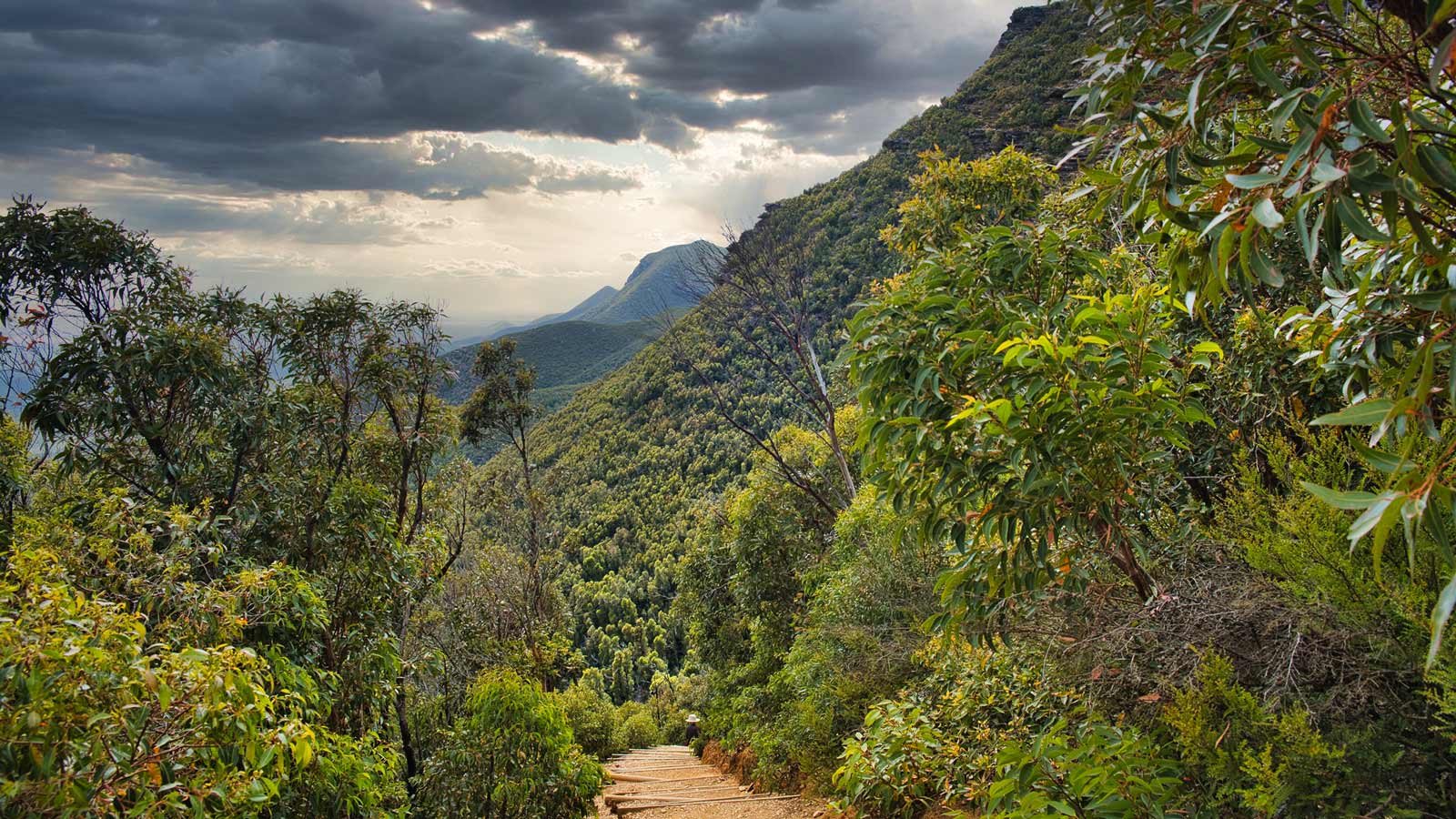
The hike to the summit of Bluff Knoll in Stirling Range National Park is one of the state’s classic mountain ascents. The climb is steep and exposed in places, with broad views across the Stirling Range, and in colder months it’s one of the few places in Western Australia where snow can occasionally settle, which surprises a lot of people who don’t associate WA with snow at all.
In Porongurup National Park, the Hayward and Nancy Peaks Circuit is a rewarding route through granite country, forested slopes and elevated ridgelines. It’s a good example of the more temperate landscapes tucked into the south of the state.
Remote and lesser-known walks
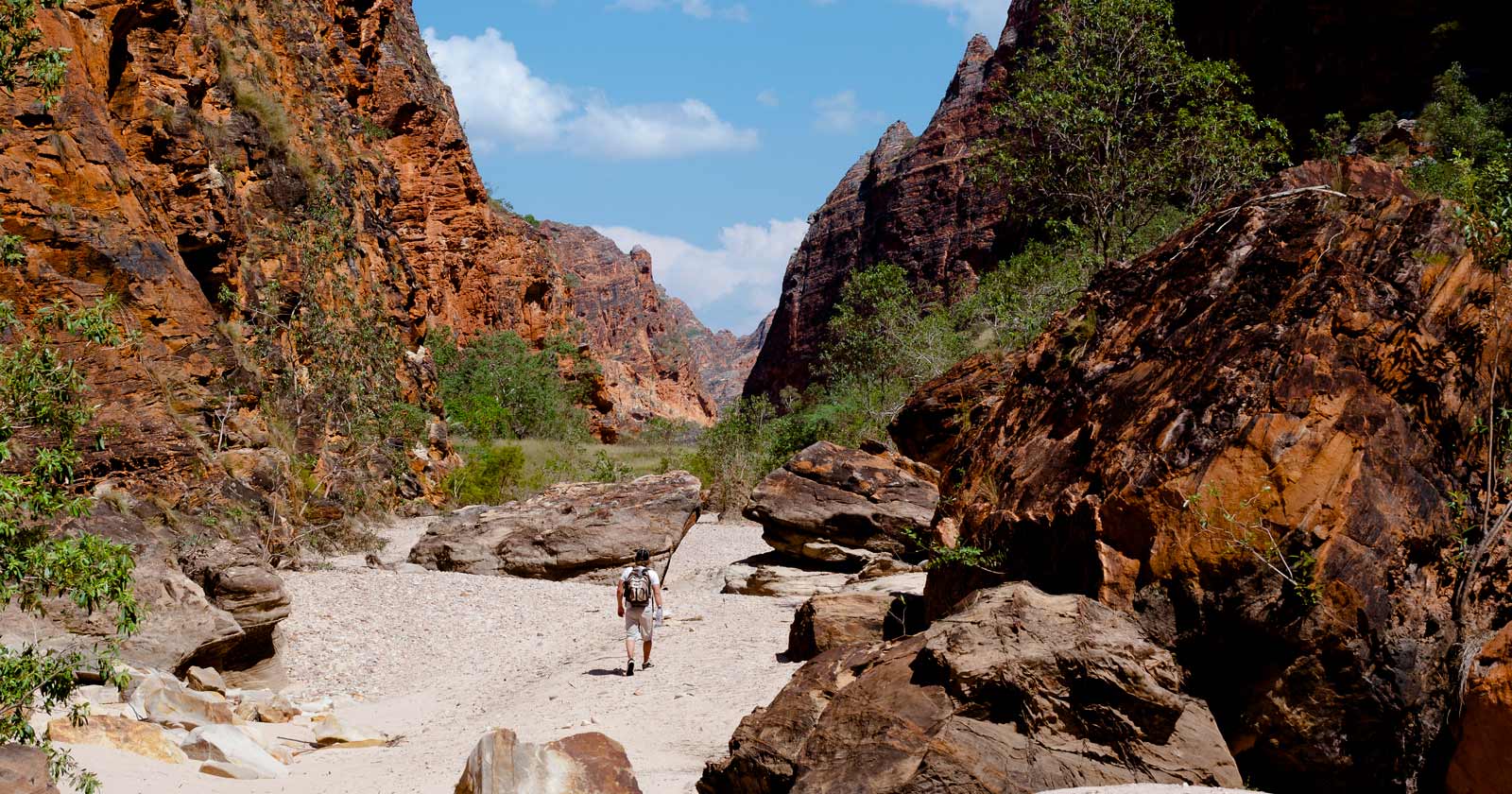
For hikers after something more remote, Western Australia has plenty of walks that feel worlds away from the better known tracks of the south-west. The Whip Snake Gorge walk in Purnululu National Park is one example, a rugged route through gorge country beneath the distinctive sandstone formations of the Bungle Bungle Range. Walks like this need sound preparation and real comfort in remote terrain, and I wouldn’t suggest them to anyone who hasn’t already built up experience on the state’s more established routes.
Walking across Western Australia
What I keep coming back to with this state is its variety. Families can find shorter tracks through coastal reserves, national parks and wildflower country, while more experienced walkers can take on exposed ridgelines, remote gorges and major multi-day routes. Some trails pass through forest, others along the ocean, and others into dry inland country shaped by ancient geology and distances that take some getting used to.
Western Australia rewards those willing to travel for it. From the Bibbulmun Track in the south-west to the gorges of Karijini and Purnululu, this is a state whose hiking is broad in scale and distinct in character, and I don’t think it gets enough credit for either.
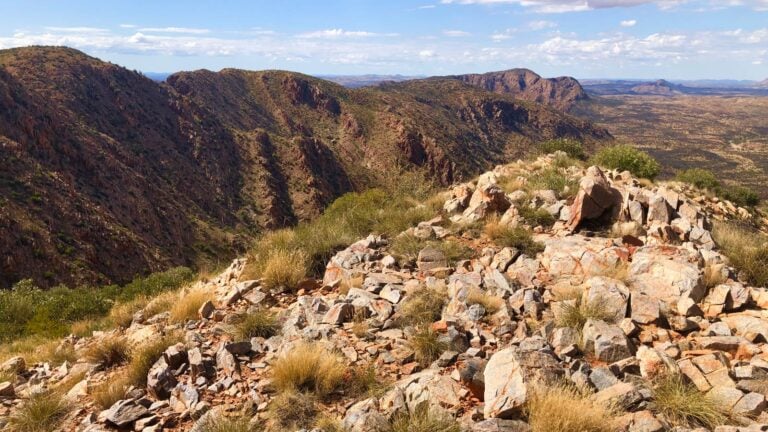
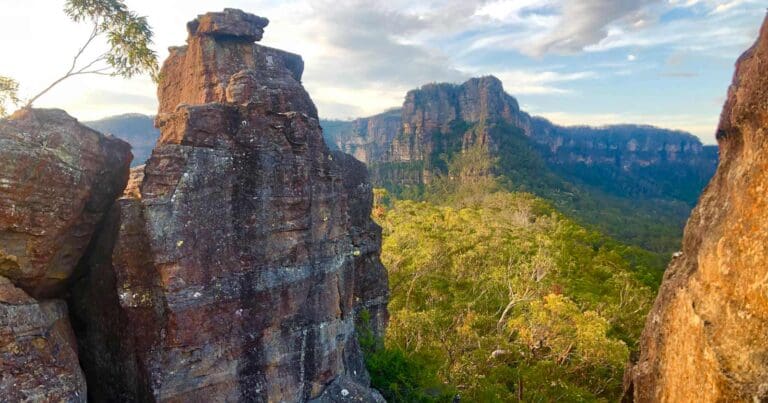
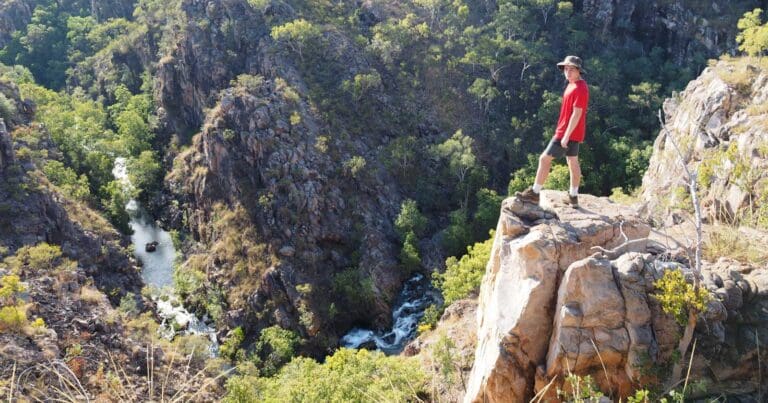




WA has some amazing hiking destinations. I particularly love Karijini National Park, Purnululu National Park, and the Stirling Ranges down south. What’s your favourite region to explore?
What’s your favourite hiking spot in Western Australia, and what made it special for you?
Trail Hiking Australia I loved Karijini National Park. The gorges are spectacular