Sorry, no records were found. Please adjust your search criteria and try again.
Sorry, unable to load the Maps API.
Explore stunning hiking trails of Torndirrup National Park
Discover the diverse trails of Torndirrup National Park, Western Australia, offering hikes and walks for all skill levels and interests. Find your perfect adventure today.
Discover 5 hiking trails in Torndirrup National Park



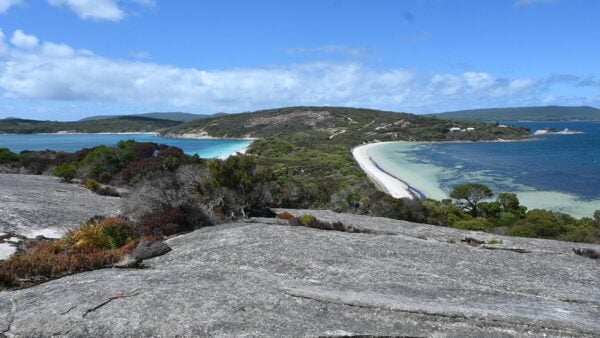
Granite Headlands and Southern Ocean Drama at Torndirrup
Overview
Torndirrup National Park sits on the coast just south of Albany, around 400 kilometres south-east of Perth. It protects a rugged stretch of shoreline where old granite headlands meet the Southern Ocean, giving the park a very different feel from the forested parts of the south-west. The landscape is compact but striking, with exposed rock, coastal heath and sweeping sea views shaping almost every part of the park.
This is a place people come to understand the character of the Albany coast itself. Wind, salt and powerful swells have worked on the rock for ages, creating a shoreline that feels raw and open rather than sheltered. Even away from the best-known sites, the park has a strong sense of geological force and coastal exposure.
Highlights
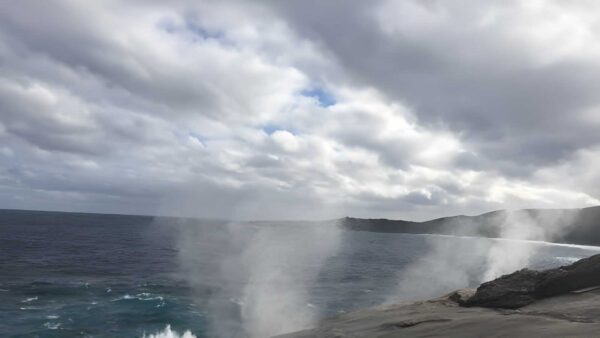
What makes Torndirrup stand out is its dramatic granite coastline. The park is known for wave-carved formations including The Gap, Natural Bridge and the Blowholes, where the energy of the Southern Ocean is on full display. These features are not isolated curiosities so much as part of a bigger coastal system of cliffs, channels, rock platforms and rounded granite domes.
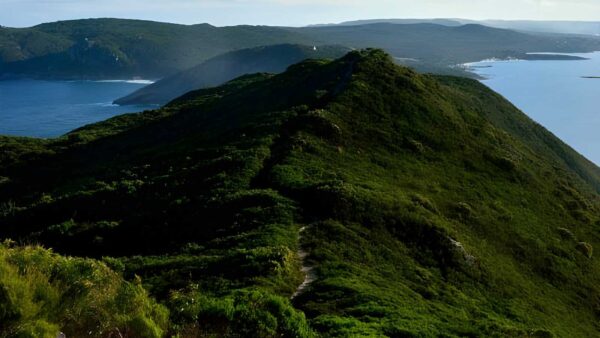
Higher ground within the park adds another layer to the scenery, with broad views across the coast and inland towards Albany. The contrast between hard rock, low coastal vegetation and open ocean gives Torndirrup a bold, spare beauty that feels unmistakably southern Western Australia.
Best Time to Visit
Spring is one of the most rewarding times to be here, when the coastal heath and wildflowers are at their best and the milder weather suits longer days outdoors. Winter has its own appeal, especially for the sight of migrating whales passing the coastline, and the bigger seas can make the park’s rock formations feel even more dramatic.
Outside those seasons, Torndirrup is still worth visiting for its scenery alone. Conditions can shift quickly on this coast, so the character of the place changes with the weather, from bright, clear ocean outlooks to grey days when the granite and sea look especially stark.
Plants and Animals
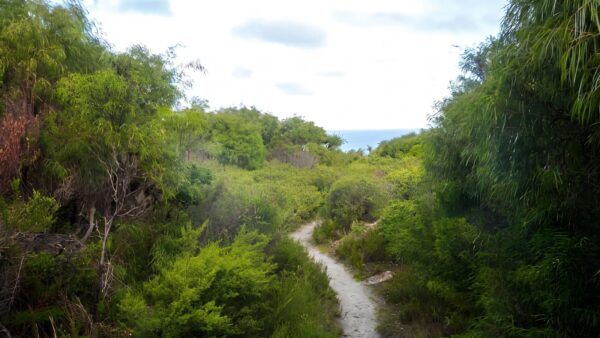
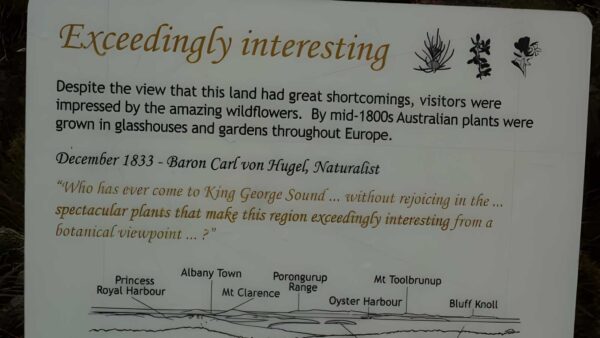
The vegetation here is mostly coastal heath and scrub adapted to salt, wind and shallow soils over granite. Wildflowers are a strong part of the park’s appeal, and the exposed conditions support a plant community that is low, tough and closely tied to the coast rather than tall forest.
Marine life is part of the experience too, particularly during the whale migration season when whales may be seen from the cliffs. The park also supports a recorded range of native species, reflecting its mix of rocky coast, heath and sheltered pockets of vegetation.
Culture and Heritage
Torndirrup National Park is recognised as Minang Country, and the land around Albany, or Kinjarling, holds a rich Noongar cultural heritage shaped by long occupation. That connection sits alongside the park’s better-known natural character and is part of the deeper story of this coastline.
The wider area also carries a long whaling history, which remains part of how many people understand the Albany coast today.
Find more places to explore…
Help expand the trail collection!
Know of an official trail not listed on Trail Hiking Australia? I’m focused on showcasing the best tracks managed by land managers, and I’d love your help! Sharing a trail adds to our community and helps others discover safe, new adventures.
Submit your trail here

