Striped sandstone domes and deep Kimberley gorges
Overview
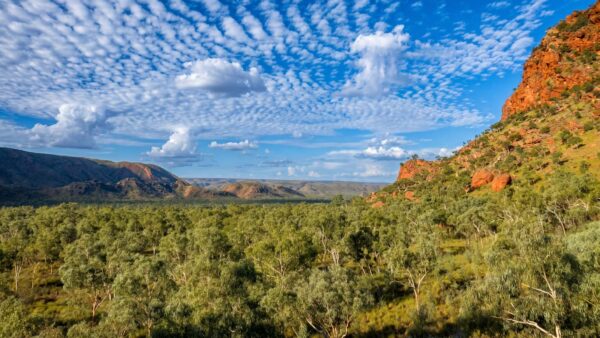
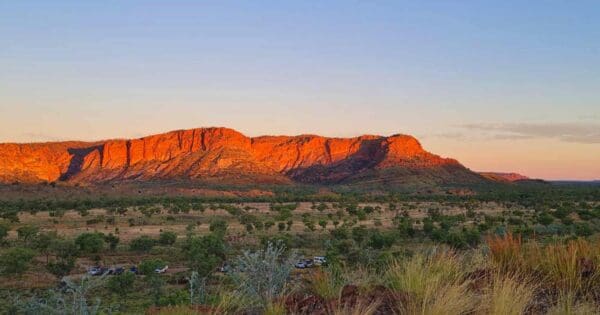
Purnululu National Park sits in the East Kimberley, about 120 kilometres north-east of Halls Creek, and protects almost 240,000 hectares of rugged sandstone country. At its heart is the Bungle Bungle Range, where a heavily sculpted massif rises above the surrounding semi-arid grasslands and woodlands.
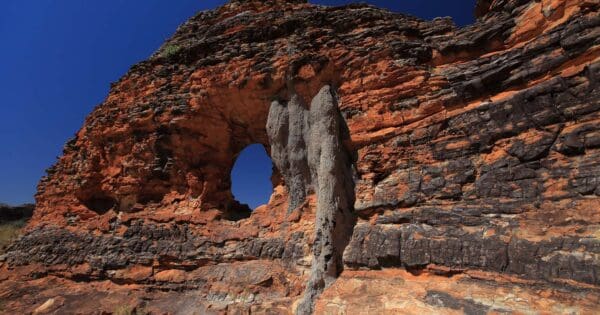
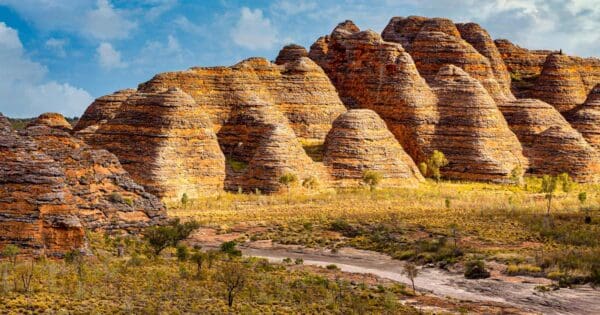
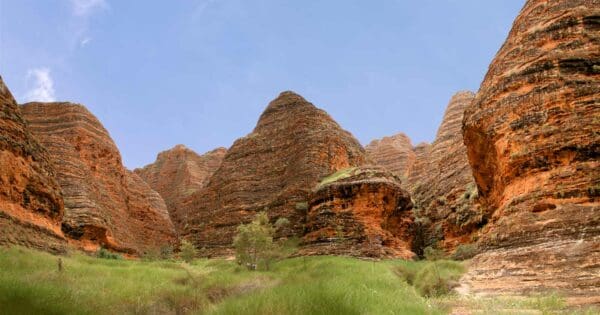
What makes the park stand apart is the sheer contrast in the landscape. Broad plains and creek systems give way to steep rock walls, narrow chasms and the rounded, banded domes that have become the defining image of Purnululu. The park was added to the World Heritage List in 2003.
Highlights
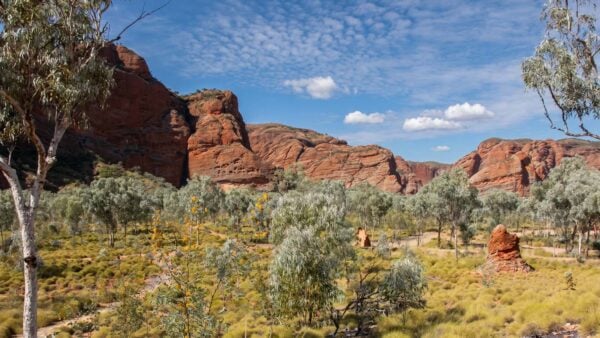
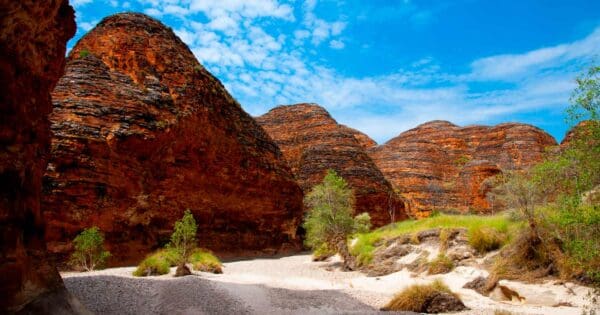
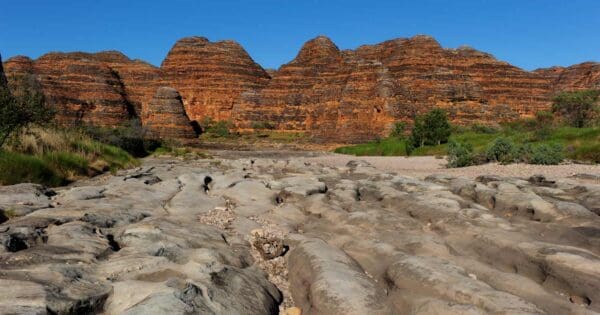
The big visual drawcard here is the Bungle Bungle massif, with its beehive-shaped sandstone domes marked by striking horizontal bands. These landforms were created through long processes of weathering and erosion, and they give the range a look that is unlike anywhere else in Australia.
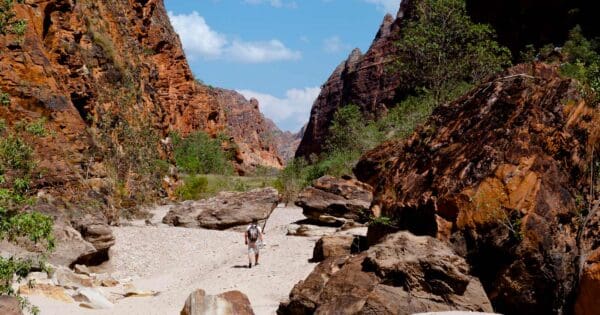
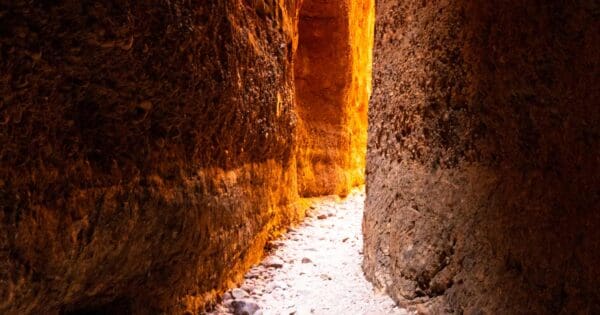
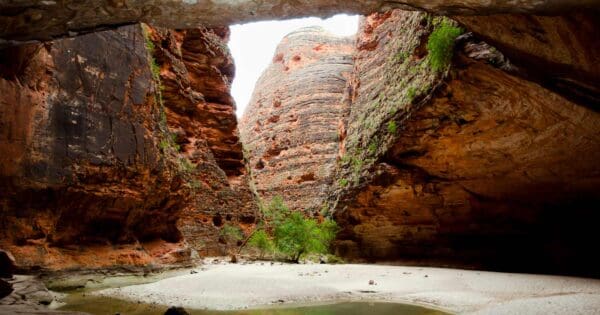
Just as memorable is the way the massif is cut through by gorges and creek lines. Fine sandstone country on the southern side forms places such as Cathedral Gorge and Piccaninny Gorge, while the north-western part of the range is sliced by conglomerate chasms. Across the park as a whole, the mix of rock, watercourses and open savanna country creates a landscape that feels both ancient and sharply defined.
Best Time to Visit
The most comfortable time to be in Purnululu is during the drier part of the year, when conditions are cooler and more stable. The climate is strongly seasonal, with most rain falling between December and March, often in intense and localised events rather than steady falls.
That seasonal swing shapes the whole park. After the summer rains, creeks, vegetation and the sandstone country change character quickly, while the long dry months bring clearer conditions and easier appreciation of the landforms and wide Kimberley light.
Plants and Animals
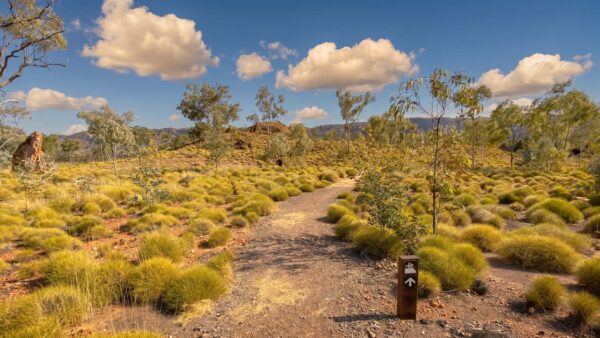
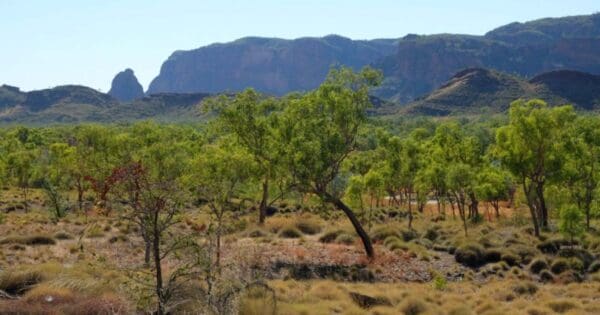
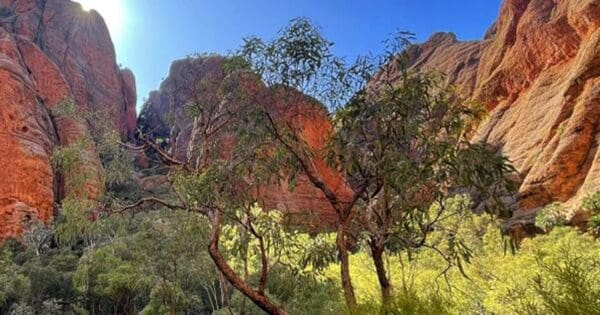
Purnululu combines spinifex grasslands, savanna woodlands, river fringing forests and pockets of moister gorge vegetation. Around the massif, broad hummock grasslands are backed by sparse woodland with eucalypts, grevilleas, hakeas and acacias, while along the Ord River and its tributaries there are better-developed streamside forests with river red gums and cajeput.
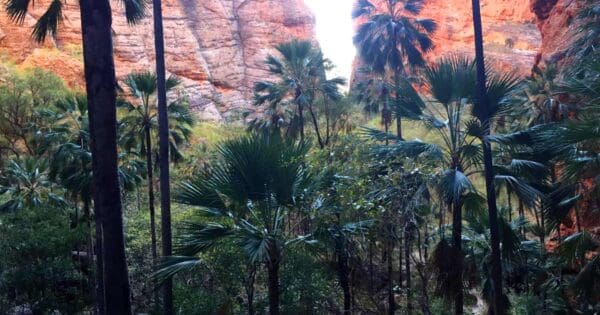
The sheltered gorges support a very different plant community from the open plains. Damp areas hold creepers and ferns, and palms are characteristic of some western gorge country. The park is also notable for species found only rarely in reserves across the north-west, including animals such as the northern nailtail wallaby, grey falcon, Gouldian finch and rock ringtail possum.
Culture and Heritage
Purnululu has a direct and continuing connection with Aboriginal traditional owners. The park lies within a broader cultural landscape centred on the Ord River system, and official management material for this place identifies traditional owners from several major language groups, including Kija, Jaru, Malngin and Miriuwung.
Country in and around the park carries ongoing responsibilities for the protection and management of places and objects of cultural significance. That connection is not presented as something only historical. It remains part of how Purnululu is understood and cared for today.