Sorry, no records were found. Please adjust your search criteria and try again.
Sorry, unable to load the Maps API.
Explore stunning hiking trails of Uluru-Kata Tjuta National Park
Discover the diverse trails of Uluru-Kata Tjuta National Park, Northern Territory, offering hikes and walks for all skill levels and interests. Find your perfect adventure today.
Discover 3 hiking trails in Uluru-Kata Tjuta National Park


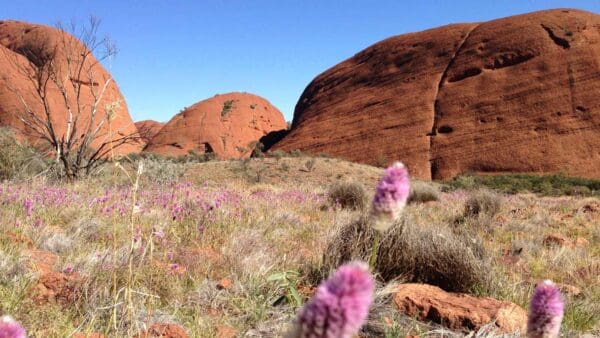


Where Desert Stone Shapes the Heart of Central Australia
Overview
Uluru-Kata Tjuta National Park brings together two of Australia’s most distinctive desert landforms in a single protected area. In the south-west of the Northern Territory, near Yulara, it is recognised for both natural and cultural values at a world level, with Uluru rising from open plains and Kata Tjuta standing further west as a cluster of massive conglomerate domes. The park is jointly managed, and that shared approach shapes how country, habitats and significant places are cared for.
This is a semi-arid landscape, but it is far from empty. Sand dunes, spinifex plains, mulga country, rocky gullies and waterholes all sit within the park, creating a surprising amount of variety across what can seem at first glance like a spare and simple landscape.
Highlights
The great drawcard here is the contrast between the park’s two major landforms. Uluru is a single immense monolith with changing colour, deep folds and shaded gullies that become more dramatic as the light shifts through the day. About 32 kilometres to the west, Kata Tjuta spreads across 35 square kilometres as 36 steep-sided domes that rise more than 500 metres above the surrounding plains, giving this part of the park a very different scale and shape.
Beyond the famous rock formations, the surrounding country has its own quiet character. Broad sandplains, dune systems and alluvial flats frame the bigger landmarks, while gorges, drainage lines and rockholes add pockets of contrast that make the whole landscape feel more layered than many first-time visitors expect.
Best Time to Visit
The most comfortable months are usually the cooler part of the year, when daytime conditions are milder and walking is generally more pleasant. In a semi-arid park like this, the feel of the landscape can also change quickly after rain, when waterholes and drainage lines briefly hold water and the country can look greener and softer than its usual dry-season tones.
If you want the clearest sense of the park’s changing character, shoulder-season visits often strike a good balance between cooler temperatures and the strong light that brings out the textures, colours and contours of both Uluru and Kata Tjuta.
Plants and Animals
The park supports a rich mix of plant and animal life adapted to dry inland conditions. Spinifex plains are the most common habitat, with mulga woodlands, dune systems, clay pans, rocky slopes and sheltered gullies all adding to the ecological variety. After rain, waterholes and moist drainage lines become especially important refuges, supporting species that depend on these more protected pockets.
Wildlife is notably diverse for an arid landscape. The park is known for exceptionally high reptile diversity in semi-arid Australia, and it also supports native mammals including the endangered mala, or rufous hare-wallaby, along with species such as mulgara and the great desert skink. Much of this biological richness is tied to the way different landforms create shelter, food and water in a landscape where those resources are often patchy.
Culture and Heritage
Uluru-Kata Tjuta National Park is Aboriginal land, and Aṉangu are the Traditional Owners. The park was handed back in 1985 and leased back to the Australian Government, establishing the joint management arrangement that continues today. Aṉangu law and knowledge, known as Tjukurpa, guide the care of country and the protection of places of significance across the park.
This is a living cultural landscape rather than a place valued only for its scenery. Aṉangu have looked after this country for many generations, and their knowledge continues to shape fire management, protection of important sites and the broader way the park is understood and managed.
Find more places to explore…
Help expand the trail collection!
Know of an official trail not listed on Trail Hiking Australia? I’m focused on showcasing the best tracks managed by land managers, and I’d love your help! Sharing a trail adds to our community and helps others discover safe, new adventures.
Submit your trail here

