Stone Country, Floodplains and Ancient Escarpments of Kakadu
Overview
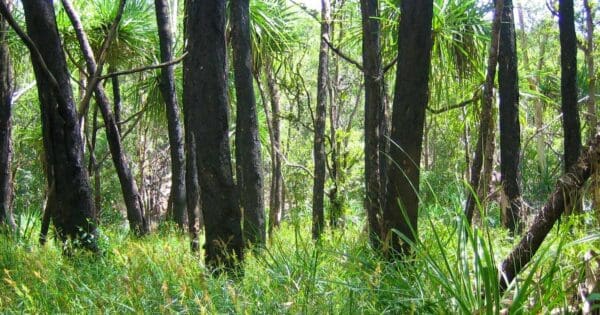
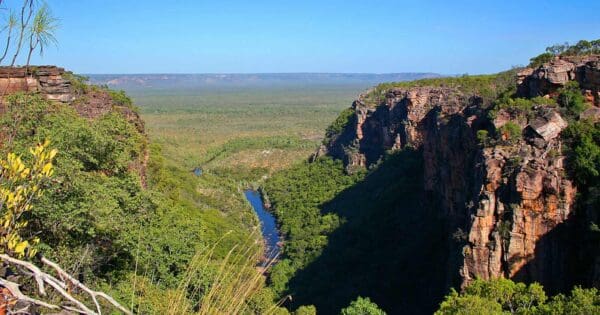
Kakadu National Park is a vast World Heritage-listed landscape in the Top End of the Northern Territory, covering nearly 20,000 square kilometres. It protects an extraordinary sweep of country, from sandstone escarpments and stone country to savanna woodlands, monsoon forests, rivers, billabongs, floodplains, mangroves and coastal flats. That range of habitats is a big part of what makes the park feel so expansive and varied from one area to the next.
The park lies east of Darwin and around Jabiru, and its scale is hard to overstate until you are in it. Kakadu is recognised for both its natural and cultural values, which is rare on the World Heritage List, and the landscape carries that sense of depth in every direction.
Highlights
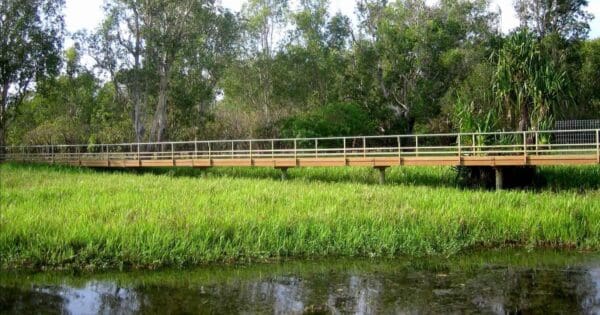
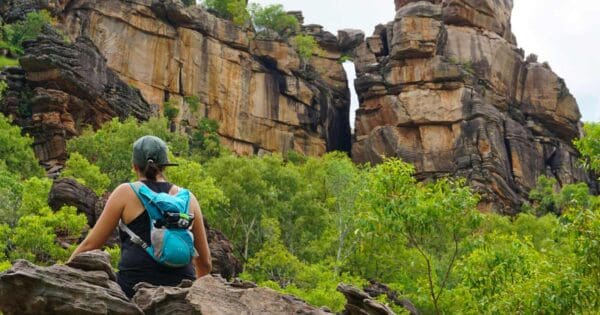
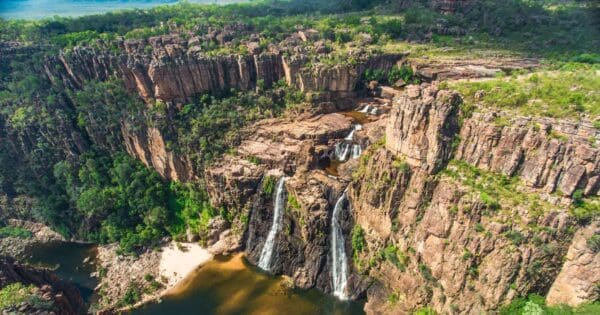
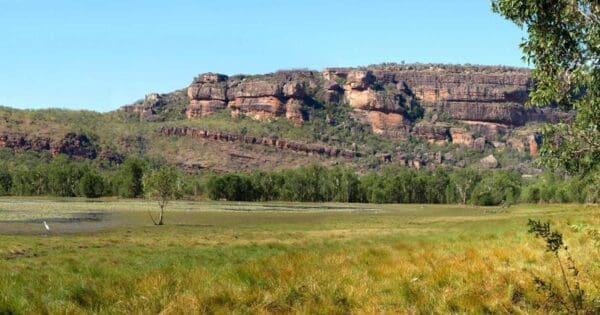
Kakadu’s scenery shifts between broad wetlands and abrupt sandstone country, giving the park a character that is very different from most other Australian national parks. The escarpment and plateau edges create long walls of weathered rock, broken ridgelines and gorge country, while the lowlands open out into floodplains, tidal flats and billabongs that change dramatically with the seasons.
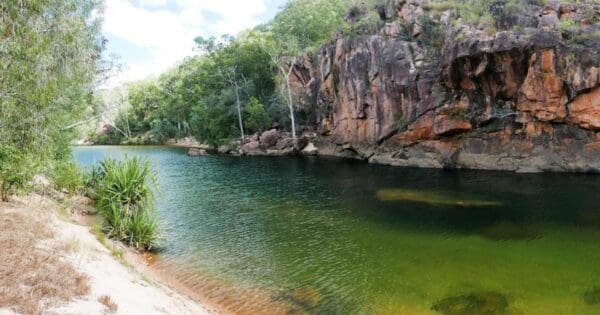
The wetlands are among the park’s defining natural features, especially where paperbark-fringed billabongs and open floodplain meet. Along the coast, mangroves and estuarine areas add another layer again, so the park is not one landscape but a whole sequence of connected northern Australian environments.
Best Time to Visit
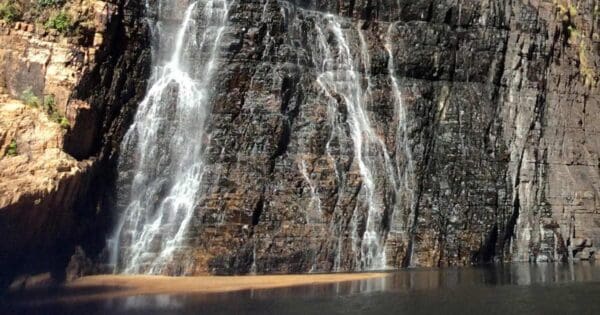
Kakadu is shaped by a tropical climate and by a seasonal cycle that local people know in far more detail than a simple wet and dry split. In broad terms, the cooler dry months bring easier access to many parts of the park and clearer conditions for walking, while the build-up and wet season transform the floodplains, rivers and waterfalls and make the country feel greener, fuller and more dramatic.
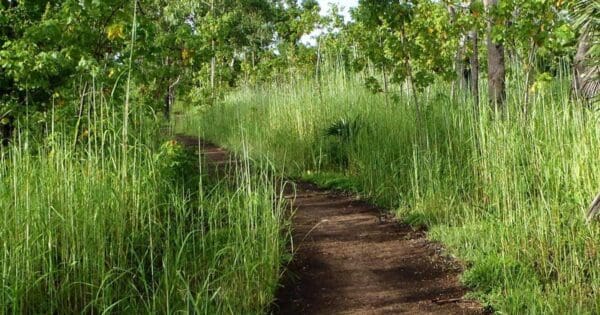
If you are choosing a time mainly for hiking, the milder dry season is usually the most comfortable. If your interest is in seeing the wetlands and seasonal change at their fullest, the transition between seasons gives a very different picture of Kakadu, with water, birdlife and plant growth reshaping the landscape.
Plants and Animals
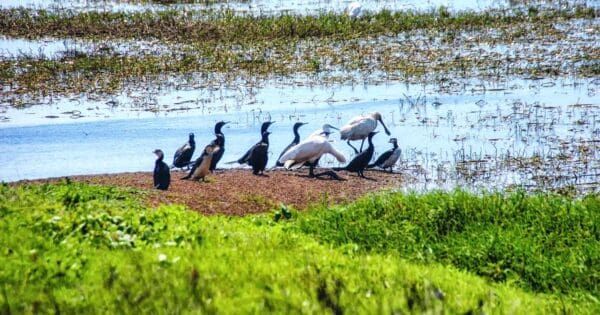
Kakadu has some of the richest biodiversity in Australia. The park is home to 68 mammals, more than 120 reptiles, 26 frog species, more than 300 tidal and freshwater fish species, more than 2,000 plant species and more than 10,000 insect species. It also supports 290 bird species, and its internationally important wetlands are a major staging point for migratory birds.
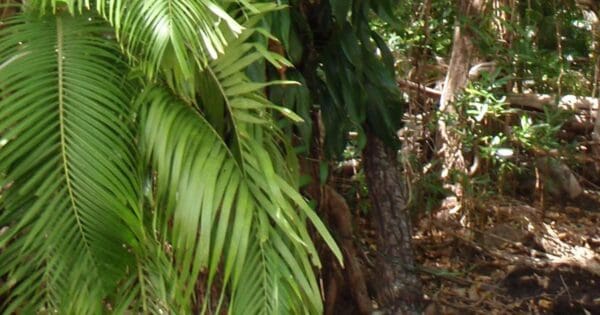
That richness comes from the park’s mix of habitats. Woodlands, monsoon forest pockets, rocky uplands, freshwater country and coastal environments each support their own plant and animal communities. Two crocodile species occur here, freshwater and estuarine, and the park also protects species found nowhere else, including plants restricted to small parts of the sandstone country.
Culture and Heritage
Kakadu is Aboriginal land and a living cultural landscape. Bininj/Mungguy have cared for this Country since the creation time, and their connection to place remains central to the park today. The landscape is inseparable from language, kinship, ceremony and ongoing responsibility for caring for Country.
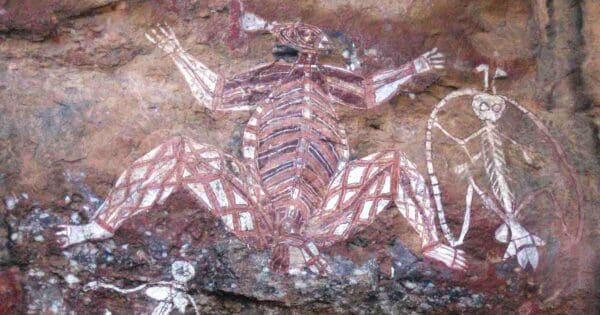
Rock art is one of Kakadu’s great cultural riches, with more than 5,000 recorded art sites across the park. These galleries preserve stories of creation ancestors, animals, daily life and later contact history, and together they form one of the longest continuous cultural records anywhere in the world.