Choosing the Best Hiking Gear Store in Australia
I’ve bought gear from big outdoor chains, small independent shops, and everything in between, and over thirty-odd years of hiking I’ve learned that where you buy matters almost as much as what you buy. A pack that’s never been properly fitted, or boots picked off a shelf without anyone checking your foot shape, can turn a good weekend into two days of blisters and a sore lower back. So when people ask me how to find a decent hiking gear store in Australia, this is what I actually tell them to look for.
Staff who actually hike
A good hiking store is more than a place to buy gear, it’s a resource, and the difference shows the moment you ask a specific question. Staff with genuine hiking experience can tell you why one boot suits your foot shape and another doesn’t, why a 65-litre pack might be overkill for a two-day trip, or what to expect from the weather in the region you’re heading to. I always ask what staff hike themselves and where. If someone can talk about local trails with any detail, you’ve found a store worth returning to. If they’re reading the label off the box to answer your question, keep looking.
Range and quality of gear
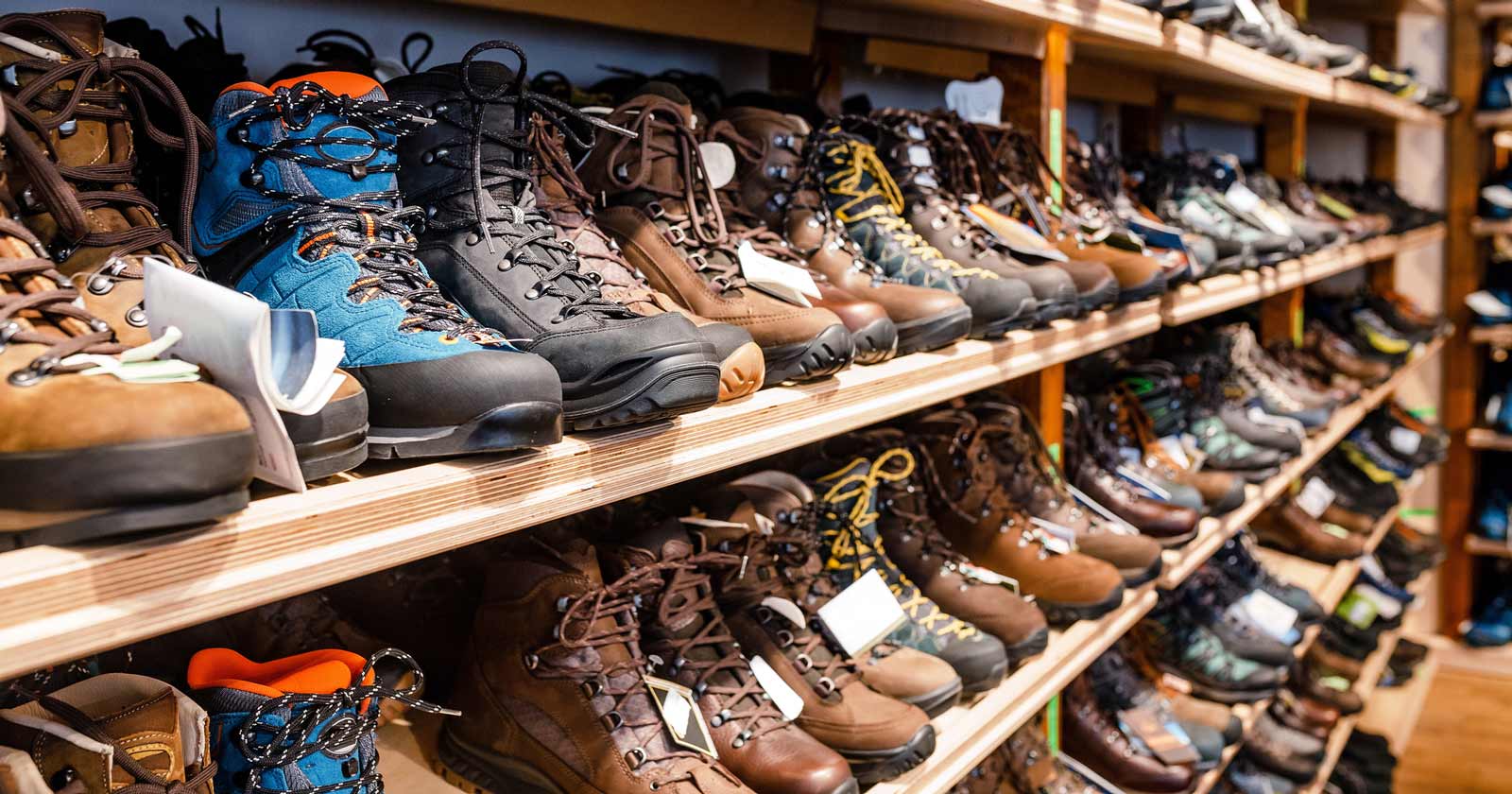
Australia’s climate varies drastically across regions, and a store worth its shelf space stocks for that. What gets you through a hot, dry outback trip won’t do much for you in wet-weather coastal or alpine conditions, so I look for a spread of gear rather than a narrow range built around whatever’s cheapest to import. Reputable brands known for standing up to Australian conditions, such as The North Face, Patagonia, Sea to Summit, and Macpac, are a reasonable sign the buyers know what they’re doing.
The essentials worth checking for:
- Footwear: a genuine range of hiking boots, shoes, and trail runners, not just whatever’s on special.
- Backpacks: different capacities, with a proper fitting service for multi-day loads.
- Clothing: breathable, moisture-wicking fabrics for warm conditions, and insulated or waterproof layers for the alpine.
- Safety and navigation gear: maps, GPS devices, compasses, personal locator beacons, satellite communicators, and first-aid kits, all of which matter more the further you get from help.
None of that helps you if the store doesn’t stock your actual size. I’ve walked out of plenty of shops empty-handed because the range looked impressive on the wall but stopped well short of my foot size or torso length. A poorly fitting boot doesn’t become comfortable because it’s a good brand.
Fit and try-on options
Proper fit is a safety issue as much as a comfort one, not an afterthought. A well-run store has dedicated fitting space where you can walk an incline in a boot or feel how a loaded pack actually sits, rather than just standing still in front of a mirror.
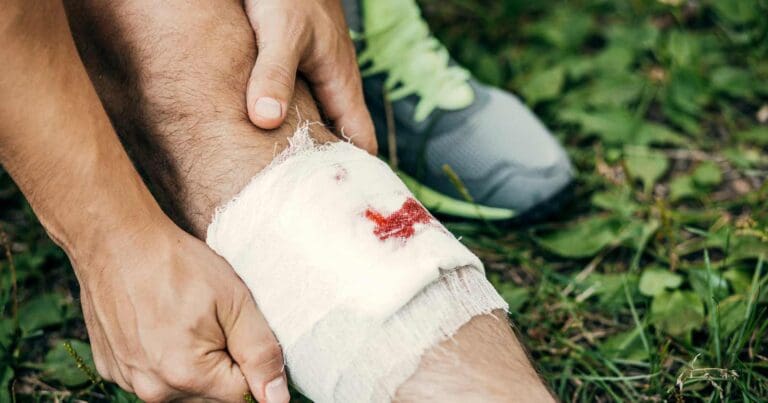
Footwear fitting matters because ill-fitting boots are one of the most reliable ways to end up with blisters partway through a trip. I look for staff who’ll assess foot shape, arch, and gait properly, and who offer heat-moulding for insoles where it’s needed, since that alone can make a marginal boot workable for a long day.
Backpack fitting matters just as much, especially once you’re carrying multi-day weight. A good fitter adjusts the shoulder straps, hip belt, and back panel to your torso length and build, which is what actually gets the load off your shoulders and onto your hips where it belongs. Take the time to try on more than one option. Walk around the store, load the pack if you can, check there’s room for hiking socks or an extra layer, and ask staff what they’d recommend for the kind of trip you’re actually planning, not the trip they assume you’re planning.
Local expertise and trail knowledge
Some of the best gear stores are staffed by people who know the trails on your doorstep, whether that’s the Stirling Ranges, the Grampians, the Blue Mountains, or Tasmania’s Overland Track. That local knowledge is worth more than any spec sheet, because it tells you what gear actually earns its place on that specific ground. Some stores run workshops on hiking safety, route planning, or packing for remote trips, and I’d rather buy from a store that’s investing in that kind of community knowledge than one that only wants your money at the register. Ask if they run group hikes, hold trail guides in-store, or can point you toward a class. It’s a decent test of whether they see hikers as customers or as a community.
Sustainability and eco-friendly options
More hikers are asking about the environmental footprint of their gear, and I think that’s a reasonable thing to weigh up, backpacks made from recycled materials, clothing produced more responsibly, certifications like Fair Trade or Responsible Down. A store that takes this seriously usually stocks brands that do too. It’s worth asking whether they run a recycling program for old gear or packaging, and what they actually know about the sustainability claims of the brands on their shelves, rather than taking a swing tag at face value.
Customer support and return policies
The stores worth trusting stand behind what they sell. Look for flexible return policies, particularly on the expensive items, boots, packs, tents, where getting it wrong is costly. That counts for more if you’re new to hiking and genuinely unsure what you need. A guarantee or warranty is one of the clearer signs a store trusts its own product mix. Keep your receipts, and where a store allows it, test gear gently at home before you commit to it fully.
Rental options for new hikers or short trips
If you’re new to hiking, renting before you buy is worth doing. Plenty of Australian stores rent out tents, poles, GPS units, or clothing layers, and it’s a genuinely useful way to find out what you actually need rather than guessing. It also keeps gear out of landfill that would otherwise get bought, used twice, and abandoned in a cupboard. If you’re planning a weekend hike, ask about multi-day rental rates, since testing gear under real trail conditions tells you more than a five-minute try-on ever will.
Online convenience, in-store expertise, and supporting local stores
If you’re in a rural or remote area, a store with a decent online presence makes researching and buying gear far easier. Online shopping is convenient, but it can’t replace the hands-on experience of trying on boots or getting a pack properly fitted by someone who knows what they’re looking at, and that’s where brick-and-mortar stores still earn their keep.
There’s also a broader reason to support local outdoor retailers where you can. Many contribute to local conservation projects, sponsor outdoor events, and carry brands suited to Australian conditions specifically. If a store’s expertise and fitting service genuinely helped you, buying from them rather than matching the price online elsewhere is how that kind of resource stays around for the next hiker who needs it. If you do shop online, look for stores with proper size guides, detailed product descriptions, and genuine reviews, since that’s the closest substitute for trying something on in person.
Budget considerations
Hiking gear spans a huge price range, and it’s worth going in with a realistic sense of what you’re willing to spend before you’re standing in front of a wall of boots. Cheaper gear can be tempting, but it’s not always false economy to spend more. Quality, durability, and the level of service you get often scale with price, and it pays to know that going in rather than being surprised by it later.
Work out your budget with the actual hikes you’re planning in mind, not a hypothetical future trip, and put the bulk of it toward the items that matter most: boots, a pack, and weather-resistant clothing. These are the things that affect your comfort and safety on the trail far more than a cheaper stove or a smaller stuff sack will. Keep an eye out for seasonal sales, clearance events, and member discounts, and don’t discount second-hand gear or online marketplaces either. A lot of good equipment gets sold barely used. And if you’re not sure you’ll use something more than once or twice, renting is often the more sensible option than buying outright.
What I’d say is this: the cheapest option in front of you isn’t always the cheapest option over the life of the gear. Well-made equipment tends to last, and that’s worth factoring into the price you’re actually comparing.
What it comes down to
Choosing a hiking gear store isn’t really about finding the biggest range or the lowest prices, it’s about finding a store that helps you get the right gear for the trips you’re actually doing. Knowledgeable staff, proper fitting, local trail knowledge, and a fair return policy all matter more than they get credit for, because they’re the difference between gear that works for you on the trail and gear that just looked right on the shelf. Whether you’re heading out on your first overnight hike or your fiftieth, the store you buy from is part of how well prepared you actually are.
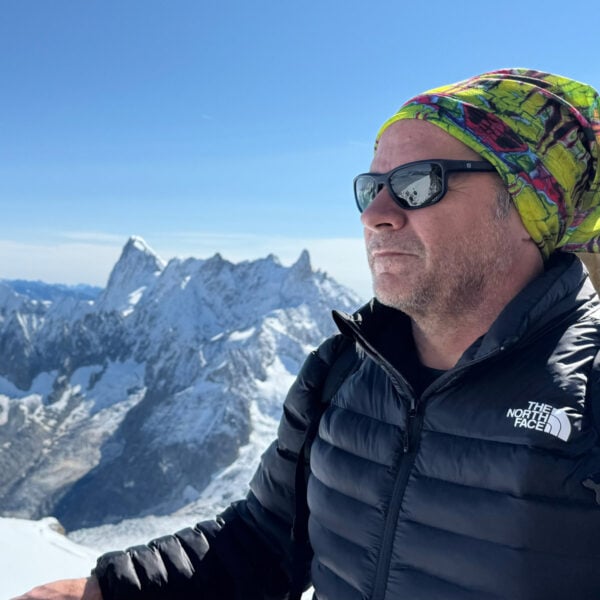



What’s your favourite gear store? And why?
Paddy Pallin. They know their stuff.
Hannah Bnana totally agree. It’s nice to shop at a store where the staff hike too.
Paddy’s or Bogong. The former is slightly more oriented to adventure travel, while the latter has a bigger focus on hardcore bushwalking and climbing.
Al Morkans I love both those stores. Super helpful staff.
Trail Hiking Australia They are. I use both regularly. Gear junkie!
Al Morkans haha. I think I’m in your club. Who doesn’t love a piece of gear. My favourites are packs and footwear.
Alan Webb you new here buddy?
Just not Macpac any more. Quality and service have both declined.
Steve Hall oh that’s sad to hear.
Living away from the city means I’ve had to shop online a lot. Wild Earth, 7 Horizons, Paddy’s, Bogong, Snowy’s and Bundy are my faves.
Rose Cunningham that’s often the trouble I have too. I’ve shopped at all those except Bundy.