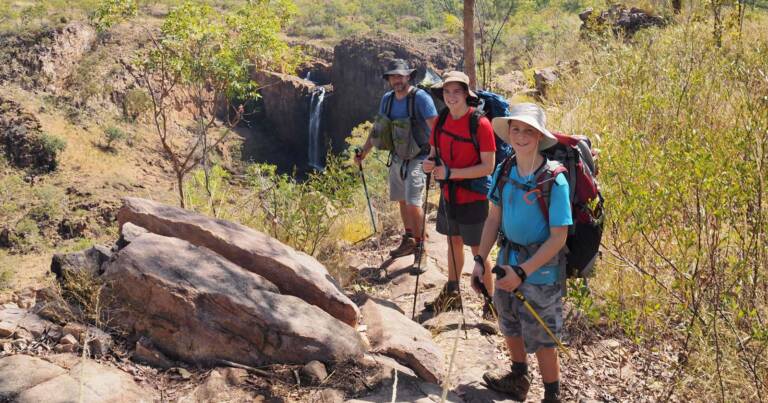
Recreational walking is one of the most common forms of physical activity in Australia, and for good reason: it’s simple, affordable, and easy to adapt to different ages and fitness levels, and it supports both physical and mental wellbeing, which is why for many people it becomes a steady, sustainable habit rather than a short-term program.
I have experienced the value of walking firsthand, both physically and mentally, and while it won’t solve every problem, it can provide structure, movement, and time outdoors, all of which support overall health.
The simple power of walking
Walking is often overlooked because it feels too basic, but it’s a cornerstone of good health. Regular walking supports cardiovascular fitness, mobility, circulation, and energy, and it’s also a practical way to build routine, particularly for people who are returning to movement after illness, stress, or long periods of inactivity.
Walking can be done almost anywhere, and it can become as gentle or as challenging as you need it to be.
The mental benefits of walking
Walking supports mental wellbeing in several ways. Regular movement is associated with lower stress levels and improved mood, and for many people, walking also helps reduce mental fatigue by creating space away from screens, noise, and constant demands.
A walk outdoors, especially in nature, can be particularly settling, because natural environments place fewer demands on attention than built environments, which can help the mind recover from overstimulation and support a calmer, clearer headspace.
If you want to explore this more deeply, see: How nature and time outdoors can support mental wellbeing.
Walking as a way to practise mindfulness
Walking is also a practical way to practise mindfulness without needing to sit still or force a quiet mind, because the rhythm of walking brings attention to the present moment through simple things such as breathing, foot placement, terrain, and the sights and sounds around you.
Mindfulness isn’t about emptying your mind. It’s about noticing when your thoughts drift and gently returning your attention to what’s happening right now. Even short walks can provide this reset, especially when you slow down enough to observe your surroundings.
Social connection
Walking with a friend, partner, or family member can add another layer of benefit. It creates a simple opportunity to talk, reconnect, and spend time together without distractions. For many people, regular walking becomes a reliable way to support both health and relationships.
Finding a daily walking routine that suits you
There is no one perfect step count or distance that suits everyone. The right amount of walking depends on your current fitness, time available, health conditions, and goals. What matters most is consistency and progress that feels sustainable.
- Start modestly: If you are new to regular activity, begin with short walks and build gradually.
- Choose a pace you can repeat: A steady pace you can maintain is often more helpful than occasional intense efforts.
- Be realistic: Some days will be easier than others. A short walk still counts.
- Focus on routine: A regular habit over weeks and months matters more than a single big day.
If you want to increase intensity, consider interval walking. This involves alternating short periods of brisk walking with easier recovery periods. It can improve fitness without needing to run.
Making walking work with a busy life
Many people struggle to find time. Walking works best when it is built into daily life rather than treated as an extra task.
- Break it into smaller walks: A few short walks spread through the day can be as useful as one long outing.
- Use walking as a reset: A short walk before work, at lunch, or after dinner can help you decompress.
- Choose stairs when practical: Small choices add up over time.
- Try walking meetings: If appropriate, walk while you talk. Many people find it improves focus and conversation.
- Track your progress if it helps: A phone app or watch can support motivation, but it is not required.
- Sun safety: Slip, Slop, Slap. When walking outdoors, especially during summer, Slip on a long-sleeved shirt, Slop on broad-spectrum sunscreen (SPF30 or higher), and Slap on a hat.
Walking in Australian landscapes
One of the best things about walking in Australia is the diversity of landscapes available. From coastal tracks and bushland trails to city parks and rail trails, there are options almost everywhere.
Walking outdoors also brings practical awareness, because conditions change: weather, terrain, and track surfaces can vary. If you are walking in bushland or on trails, take basic safety precautions and be aware of Australian wildlife.
Start where you are
Walking is more than exercise. It’s a simple, repeatable way to support both body and mind. If you’re trying to build a habit, start small, even ten minutes is a good beginning, and over time, walking can become a reliable part of your routine and a practical way to spend more time outdoors.
If you are ready to explore further, find a suitable local route here: walking and hiking across Australia.
Explore related guides
- Why hiking feels good: Mood, energy, and mental clarity explained
- How physical activity supports mental wellbeing, and where hiking fits
- Exploring nature together: Why hiking is great for families
- Mental health benefits of hiking, through lived experience and support
- The benefits of hiking for physical health, mental wellbeing, and connection