Day hikes feel simple. You leave late, carry less, and expect to be home for dinner. That is exactly why they can catch people out. Many search and rescue callouts start with a plan that sounded reasonable at the time: “It’s only a short walk.” A wrong turn at a junction, a track that fades, a change in the weather, or slower than expected progress can turn a day hike into a much bigger situation.
Australia doesn’t have a single national dataset that breaks down every search and rescue incident by hiker type, but overseas data gives a useful clue about the pattern. In the United States, day hikers make up a large share of national park search and rescue incidents. Across U.S. national parks from 2004 to 2014, day hikers accounted for 42 percent of 46,609 search and rescue cases, compared with 13 percent for overnight backpackers.
Closer to home, the scale of resources involved when things go wrong tells its own story. In 2019 in Queensland alone, search and rescue authorities assisted 1,648 people using 8,733 police person-hours and over 34,000 volunteer hours (Australian National Search and Rescue Council 2019). That’s not meant to scare anyone. It’s meant to show how a small mistake on a single walk can turn into a large draw on limited community resources. The pattern isn’t a one-off either: the Blue Mountains National Park reports around 130 hikers getting lost or needing rescue annually. Most of those people make it home safely, but the frequency is a reminder that popular, well-known areas aren’t risk-free just because they’re popular and well known.
The biggest misconception behind all of this is that a day hike needs less preparation than a multi-day walk. It doesn’t. The same hazards that affect multi-day walkers, poor planning, limited gear, over-reliance on technology, misjudging terrain, running out of daylight, affect day hikers too. Some of that gap in the statistics comes down to simple numbers: day hikers are the most numerous group on most trails, so they’re always going to be over-represented in incident counts for that reason alone. But that doesn’t explain the whole pattern, because the same specific mistakes turn up again and again, and they’re tied to the shape of a day hike itself: the lighter pack, the tighter time window, and the “quick walk” mindset that makes people skip planning they’d never skip on an overnight trip.
Why day hikers get caught out
Overseas research helps highlight common patterns that lead to day hikers needing assistance. In U.S. data, the most commonly reported reasons are wandering off trail, bad weather, and falling off the track, and each tends to lead into the next.
Wandering off trail is, according to research, a leading reason adult hikers need search and rescue assistance. It usually starts at a decision point: an unmarked junction, a social trail to a lookout, or a faint pad that looks as worn as the main route. Slow down at junctions, confirm your direction, and don’t assume the most worn footpad is the correct one.
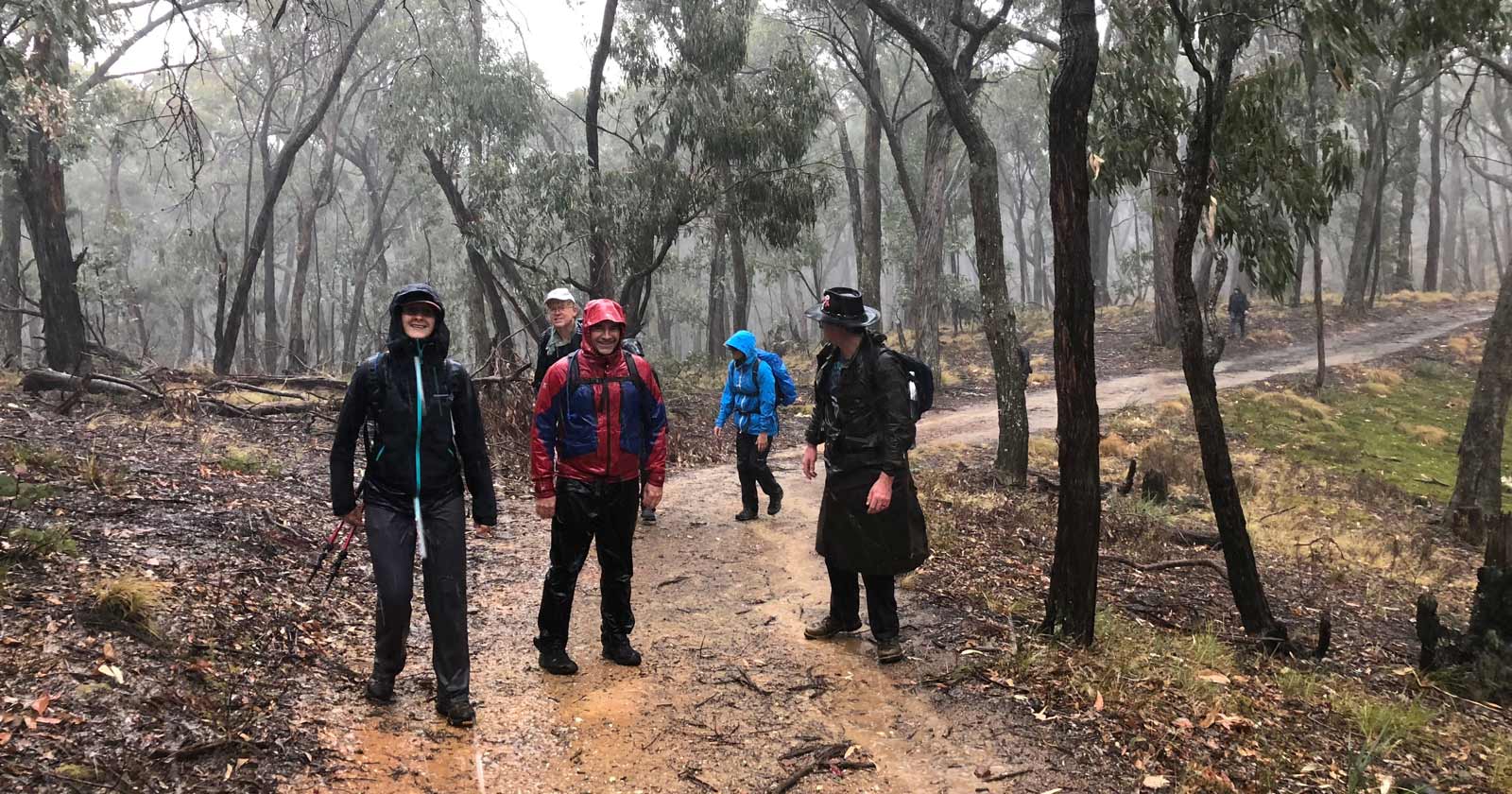
Bad weather makes that harder to avoid, because fog, rain, strong winds and sudden temperature drops all reduce visibility and increase the chance of missing a turn-off or losing the line of a track. That’s why it’s worth checking the forecast and carrying layers and rain protection even on short walks, not just long ones.
Falling off trail is often the same problem arriving suddenly instead of gradually. A slip, a short detour around a fallen tree, or stepping aside for a photo can be enough to lose the track, especially in scrub, sandstone country, alpine terrain, or anywhere the pads are faint. If you realise you’re no longer on the track, stop early and reassess. The earlier you act, the easier it is to correct.
Other commonly reported factors in U.S. data include separation from the group, injury, darkness, and equipment failure. In Australia, Victoria Police lists the factors that most often contribute to people becoming lost, and they closely match what experienced walkers see on the ground:
- Lack of planning or no planning of trip.
- Hazardous terrain such as cliffs and rivers which may cause delay or injury.
- Poor weather in area of search.
- Experiencing hypothermia or hyperthermia.
- Poor equipment, failure of equipment or inappropriate equipment for the area.
- Lack of skill or physical ability navigating a particular terrain.
- Fatigue leading to poor decisions or injury.
- Poor physical health.
- Lack of food or water, which can contribute to fatigue and poor decision making.
- Medical emergencies resulting from a pre-existing condition or an accident during the trip.
- Over reliance on technology (GPS and mobile phones can lose battery or have no coverage).
- Underestimating the time or skill required for a route, causing delay.
- Failure to identify terrain hazards.
- Failure to carry a map or compass, contributing to disorientation.
- Lack of leadership in a group resulting in an inability to make quick decisions.
What actually happens when it goes wrong
It helps to see how these factors play out in real incidents, because the pattern repeats: weather catches people out, gaps in preparation turn a manageable situation into a dangerous one, and navigation mistakes send people further from help rather than back towards it.
Weather is the most common thread. Eight hikers were rescued from Mt Wellington after being caught in a blizzard, a reminder to check the forecast carefully and carry appropriate layers and weather protection. A family day walk in the Walls of Jerusalem turned into a prolonged survival situation after unexpected cold conditions, which is why it’s worth packing for the possibility of an unplanned night out, especially in remote areas. Two hikers became stranded in Kosciuszko National Park after underestimating the weather. A PLB helped in that case, but it doesn’t replace planning and the right gear in the first place. Rescues at Bluff Knoll have been on the rise as hikers underestimate conditions and difficulty, which is a good argument for choosing routes that match your ability and preparing for rapid weather change. A group in the Australian Alps was stranded for two nights in the snow after heading out in bad weather, and four teenagers needed a helicopter rescue from Bluff Knoll after misjudging both the weather and the terrain. In both cases, the fix was the same: check current conditions and make the conservative call early, before you’re committed.
Navigation mistakes tend to compound rather than resolve on their own. A navigation error at Royal National Park led to a high-risk cliff rescue, which is exactly why it pays to know your turn-offs and prioritise safety over finishing the hike as planned. At Mount Barney, a hiker was injured after being under-prepared for the terrain and conditions, a reminder to research the route, match it to your ability, and carry the right gear before you set out. None of these are exotic failures. They’re the same handful of mistakes, weather, preparation, navigation, showing up again and again in different places.
The day hiker’s disadvantage
Day hikers make up a large share of people on popular trails, so they’re well represented in rescue statistics for that reason alone. But the lighter pack, the tighter time window, and the “quick walk” mindset also stack the odds against them in ways worth naming individually, because each one feeds into the next.
Familiarity breeds complacency: regular local walks lead to looser habits around navigation, weather checks, and turnaround times, simply because nothing has gone wrong on that track before. That complacency shows up as minimal gear, because many day hikers carry only food and water, so if the walk runs late, the temperature drops, or someone gets injured, there’s no warm layer, no light, and no basic emergency gear to fall back on. It also shows up as a general lack of preparedness, where “it’s only a day hike” becomes the reason a map, compass, headlamp, warm layer or extra food gets left behind. That thinking usually comes from underestimating the terrain, because a short distance on paper can still include steep climbs, scrambling, cliffs, river crossings or indistinct pads, and from underestimating the time a walk actually takes, since day hikes still need a realistic pace and a clear turnaround time, and rushing to beat darkness is what leads to shortcuts and mistakes. Overconfidence follows naturally from a short time frame, because a few hours out feels safe in a way that doesn’t hold up once something goes wrong, and confidence is useful but it doesn’t replace planning and navigation. Changing weather conditions make all of this worse, since visibility and track definition can shift quickly in fog, rain, snow or strong winds, and over-reliance on technology compounds it further: apps help, but batteries die and coverage drops, so carrying a map and compass and knowing how to use them still matters. Newer hikers add a lack of experience to the mix, meaning they may not recognise early warning signs like fatigue, poor route choice or approaching weather, and peer influence can push anyone past a sensible limit, since keeping up with friends or avoiding being “the slow one” leads to decisions people wouldn’t otherwise make.
The myths that make it worse
A handful of assumptions keep these mistakes recurring. “Day hikes are easy” is the first, and it’s only true up to a point: they can be shorter, but terrain, weather, track conditions and distance can still turn a “simple” walk into something more demanding than expected. “I don’t need a map and compass” is the second, and it’s a risky one to rely on, because technology helps but a phone alone isn’t enough. Batteries die, GPS can be unreliable, and reception can disappear, which is exactly when basic map reading and compass skills become the backup that actually works. “I’ll be fine, I know this area” is a third assumption worth questioning, because familiarity breeds the same complacency described above: trails change, vegetation grows, and junctions get missed, so it pays to bring the same planning mindset to a familiar walk as you would to a new one. “I can handle any weather” is a fourth, and it doesn’t hold up outdoors, especially in alpine and coastal areas where conditions change fast, so pack layers and wet-weather gear that match the forecast and the worst plausible conditions, not just the best case. “Other people will be around” is the last of them, and popular trails can still be quiet at the wrong time of day, in poor weather, or off-season, which means self-reliance matters even on well-known walks. Dropping these assumptions doesn’t mean giving up the fun and spontaneity of a short walk. It just means treating it with the same planning mindset as any other hike.

Planning that actually reduces the risk
Even for a day hike, thorough preparation makes the difference. In practice that means:
- Choose your trail wisely: Match the walk to your fitness, experience, and available time. Use difficulty ratings where available.
- Verify information: Crowd-sourced info can help, but confirm key details with official sources.
- Research trail conditions: Check closures, hazards, and permits.
- Check weather forecasts: Plan for change, not just the best-case scenario.
- Pack the essentials: Map, compass, water, food, first aid, light, layers, and emergency items.
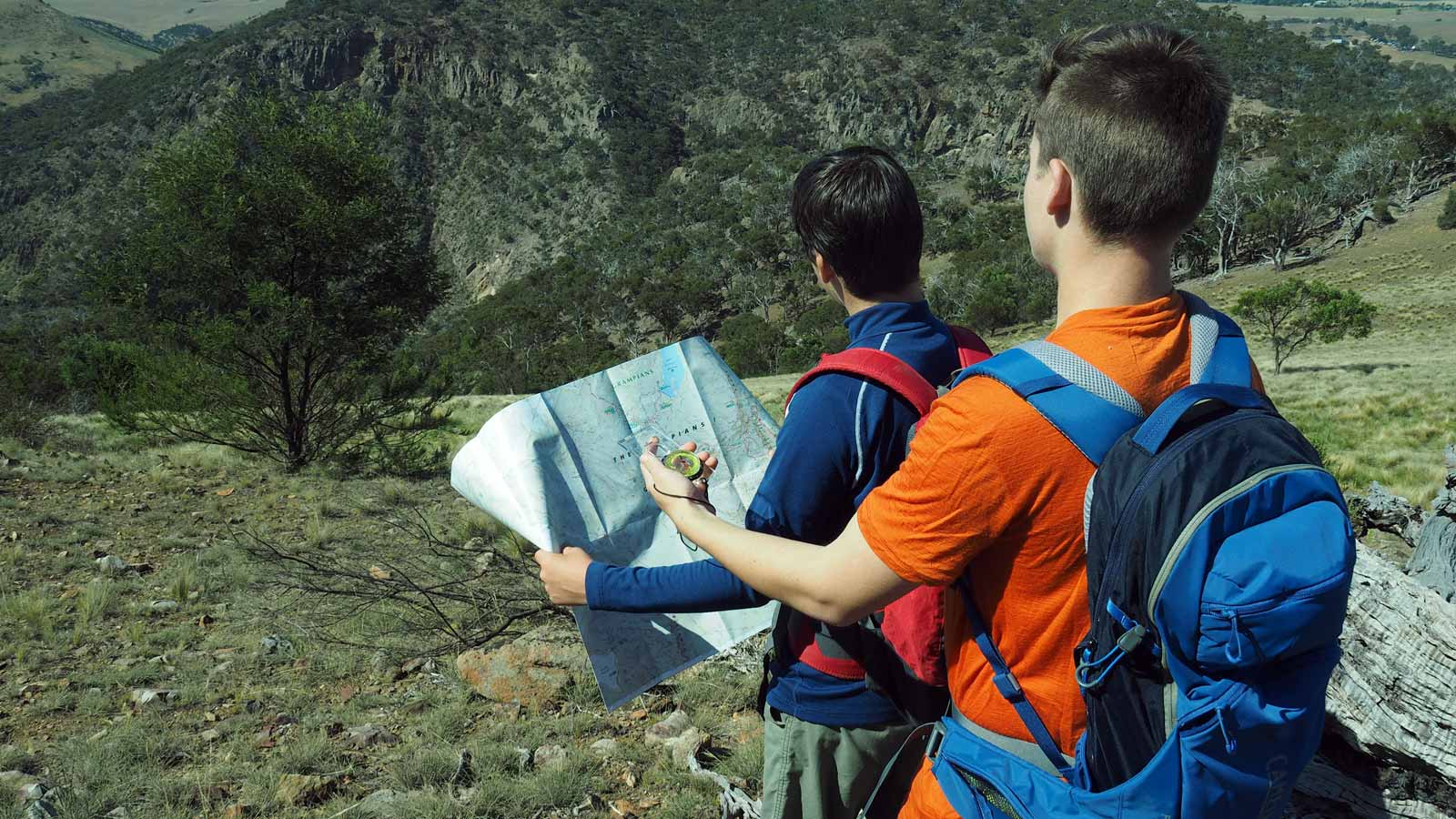
- Learn basic navigation: Know how to read the map and confirm your location at junctions.
- Leave a trip plan: Share your route and expected return time with a reliable contact.
Investing a small amount of time in planning dramatically reduces the chance of a simple day hike turning into a rescue.
What to carry
Packing the right gear matters on day walks too. The items below are a solid baseline:
- Navigation tools: Map and compass, plus a GPS or app as an extra tool.
- First aid kit: Carry enough to handle common issues.
- Sun protection: Sunscreen, sunglasses, and a hat.
- Water: Enough for conditions and duration, plus extra in hot weather.
- Food: Snacks and enough backup calories if the walk runs long.
- Clothing: Layers appropriate for exposure and forecast changes.
- Emergency gear: Headlamp, whistle, emergency blanket, and fire starter if appropriate.
Pack light, but pack smart. Traditional navigation skills still matter alongside all of this, because they’re what you fall back on when a phone battery dies, GPS drifts in mountains, gorges or heavy forest, or a faint pad and a missed junction disrupt the best plan.
Reducing the risk further
Hiking with a companion improves decision-making, provides help in an emergency, and reduces the risk of separation, so choose someone who matches your pace and comfort level rather than someone who’ll push you past either. Fatigue is one of the quickest paths to poor decisions, so know your limits, choose routes that match your ability, pace yourself through difficult sections, watch for fatigue, heat stress, cold stress and dehydration, and turn back if conditions or confidence drop. A safe return is always the goal, even if it means not finishing the walk as planned.
Sharing your hiking plans with someone is important too, because it gives rescue authorities a starting point if you’re overdue. At a minimum, leave:
- Key information: Route, start time, expected return time, and contact details.
- Specify your group: Names and relevant details if hiking with others.
Day hiking is a brilliant way to get outside, but short doesn’t mean low risk. Plan thoroughly, carry essentials, respect the forecast, and make conservative decisions early. These habits reduce the chance of getting lost and improve your options if something goes wrong.
Further Reading
Supporting posts:
- Planning for a Safe Day Hike: Essential preparation steps.
- What to Do If Lost: What to do if you become disoriented.
- Recognising mental fatigue on outdoor adventures: Managing stress and decision-making.
- Respecting the complexity of search and rescue: How search and rescue works in Australia.
- Essential Packing List for a Day Hike: A practical day hike packing list.
References:
- National Geographic: Why some lost hikers live and others die
- Survival Dispatch: Statistics of Getting Lost and Found
- Outdoors.com: How people get lost in the wild and how they survive
- Project Untethered: Hiking statistics and trends
- Smoky Mountains: Safe & Found
- Understanding lost person behaviour in the Australian wilderness for search and rescue






Excellent and thorough article – in our rugged hills, we often cross paths with folks who appear to be carrying barely anything whilst we all have enough gear for an extended stay if an incident occurs. We often get asked if we are going to camp out 😅 keep up the great education!
Horizon Guides thank you.
I concur. Great article and love your posts
Karen Jane Hawkins thank you
Many true words.
Al Morkans thank you.
SES Bacchus Marsh Unit
This is still covering up the reality a bit I think. Day hikers covers a lot of people including those who have hiking as a hobby and go on multiple walks a year. Those aren’t the day walkers they’re talking about afaik. This biggest group of lost day walkers aren’t hikers at all but someone who, for example, on a holiday in the grampians decides to go on a one off hike.
It’s amazing how much time hikers spend telling off other hikers about safety when it’s quite a safe activity for regular, experienced hikers
Craig Davis, day hikers is indeed a broad term that includes anyone out for a day hike, and I agree that ‘day trippers’—those who venture out on a one-off walk—are a part of this group, but I’m not sure they are the largest part. I’m interested in the stats you mention on the largest group of lost day walkers, as in my experience with search and rescue, it’s often people who do hike semi-regularly. I certainly wasn’t trying to lecture other hikers about safety, but simply sharing tips to help those who might not always consider the importance of planning. Even experienced hikers can still learn something.
Regardless of experience, it’s always crucial to plan, stay aware of the conditions, and be prepared for the unexpected. The frequency of bush search and rescue operations across Australia serves as a reminder that preparedness is key, no matter how often someone hikes.
Trail Hiking Australia totally agree. And for what it’s worth, I didn’t see your post as a lecture. Had some really helpful tips, and I hike most weekends.
Grant Hollingworth glad you found them useful. 🙂
Trail Hiking Australia sorry, I didn’t intend to suggest that this post in particular was lecturing but rather alluding to the general vibe around hiking in groups on Facebook. I can’t back up what I’ve said, just taking it from an interview on the ABC I heard a while ago on the issue and the state rep interviewed was absolutely clear that inexperienced hikers made up the majority of their hiking rescues. Took that on faith being the abc but it may not be the full story.
Craig Davis totally cool. Inexperienced hikes does cover a lot of people, including some of us who get out there often.
Craig Davis I don’t think this post is telling anyone off—it’s just sharing tips that might help people stay safe out there. Even experienced hikers can run into trouble sometimes, and a little extra preparation never hurts. Honestly, I didn’t get the impression this was aimed at lecturing anyone, just encouraging people to think ahead.
Thanks Grant Hollingworth
Grant Hollingworth expressed myself poorly. Was referring to hiking groups on Facebook generally, not this specific post.
(Can’t think of anyone doing more for Vic hiking than Darren, and all for nix)
Craig Davis ahh that makes sense. Thanks mate. I hope trying to gently help educate is a lot more effective than reprimanding people. I know I don’t like being told I’m doing something wrong, but prefer learning how I might be able to do things better next time.
Craig Davis oh I hear you there. Thanks for clarifying:)
An excellent and insightful article. I’ve shared this with a couple of my mates who ‘think they are experienced’ but have come unstuck a few times.
Thank you for sharing such a helpful and informative post. The content is very useful and greatly appreciated!