Ancient Peaks and Wildflower Slopes of the Stirling Range
Overview
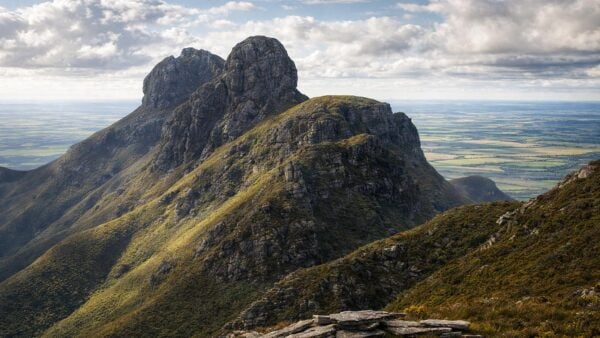
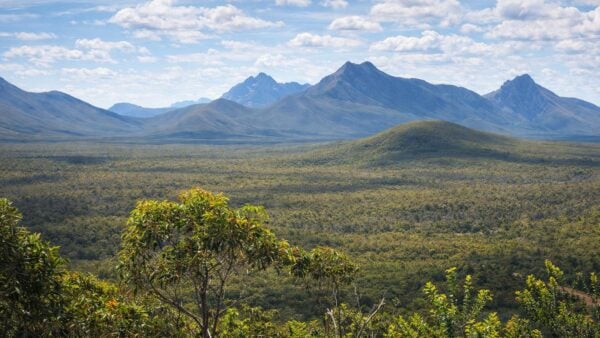
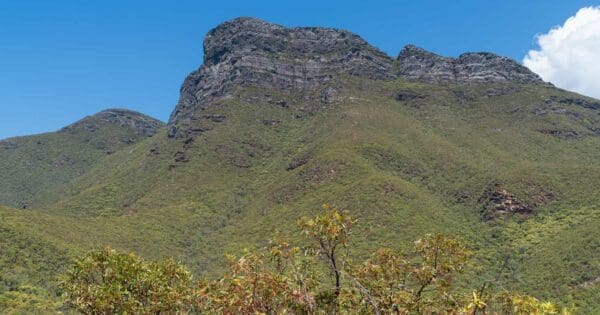
Stirling Range National Park sits in the Great Southern, inland from Albany, and contains the most significant mountain range in southern Western Australia. The range runs for more than 65 kilometres from east to west, with a line of rugged peaks rising above the surrounding plains and creating a landscape that feels quite different from the lower country around it. The park is also known by the Aboriginal name Koi Kyenunu-ruff, a name linked to the mist that often drifts around the mountains.
This is a place shaped by height, exposure and contrast. Slopes, gullies and rocky summits create a patchwork of habitats, which is why the park is so well known for its richness in plants and its strong sense of seasonal change, especially through spring and early summer.
Highlights
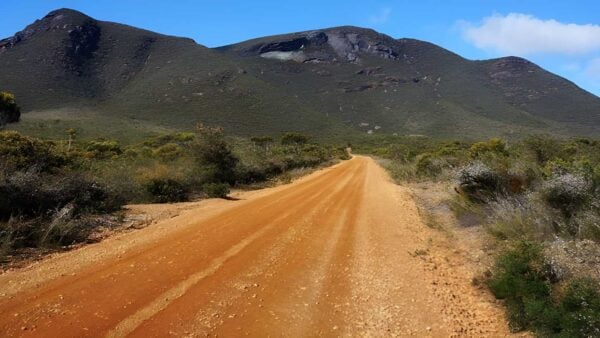
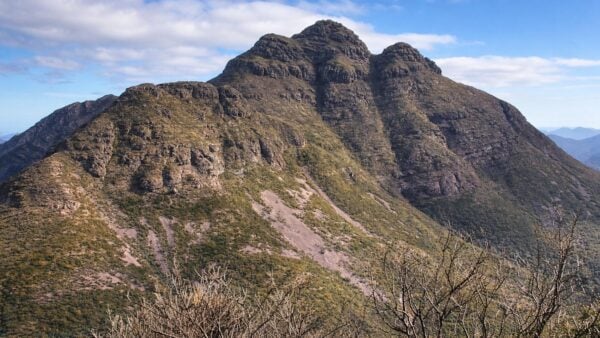
The defining feature here is the range itself: a long wall of mountains, stark cliff faces and isolated peaks that break sharply out of the farmland around them. Many of the summits rise above 1000 metres, giving the park an unusually elevated feel for this part of the state.
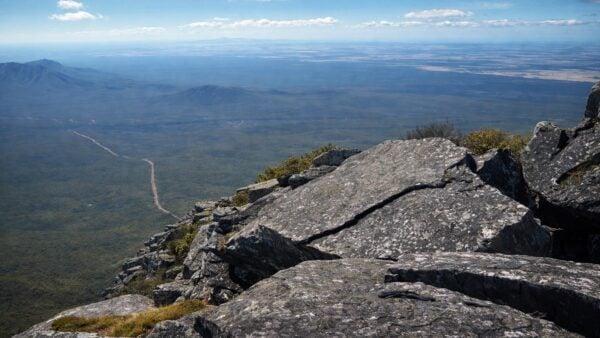
Views are a big part of what makes the Stirling Range memorable. From higher ground, the outlook stretches across folded ridgelines, broad plains and, in clear weather, far beyond the park itself. The mountains also create their own moods. Cloud and mist regularly gather around the peaks, and the range is one of the few places in Western Australia where snow occasionally falls.
Best Time to Visit
Spring and early summer are the standout seasons if you want to see the park at its most colourful, with wildflowers and birdlife especially noticeable at that time of year. Even so, there is no single dead season here. Different plants flower across the year, so there is usually something in bloom whenever you visit.
Cooler months also tend to suit the mountain setting, when the clearer air and shifting weather add to the character of the range. Mist moving around the peaks is part of the place rather than a rare event, and it is one of the details people often remember most clearly.
Plants and Animals
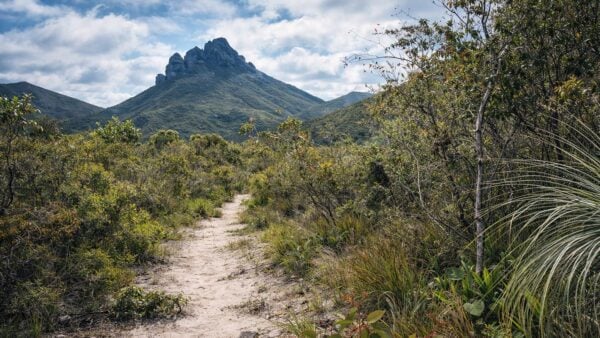
Stirling Range National Park is one of the great botanical areas of southern Western Australia, with a remarkable concentration of flowering plants across its slopes and ridges. The variety comes from the park’s mix of altitude, soils and microclimates, which support distinct plant communities in a relatively compact area.
Wildflowers are the best-known feature, but the flora is not just abundant, it is also highly localised. The park supports several plants with very restricted distributions, including mountain bells that are strongly associated with the range. Birdlife is especially noticeable when the flowers are out, and the changing vegetation from lower slopes to higher country gives the park much of its ecological interest.
Culture and Heritage
Stirling Range National Park is recognised as Country for Goreng and Menang people. The range’s Aboriginal name, Koi Kyenunu-ruff, reflects the mist that rolls around the mountains, and Bluff Knoll, or Bular Mial, is identified as a place of cultural significance for Minang and Goreng people.