Sandstone Ranges, Wildflowers and Big-Sky Views in the Grampians
Overview
Grampians National Park, also known as Gariwerd, is one of Victoria’s largest national parks, covering 167,219 hectares in the west of the state. It rises sharply from the surrounding plains as a series of rugged sandstone ranges, forested slopes and sheltered valleys, with Halls Gap sitting at the base of the central ranges and Melbourne about 260 km away.
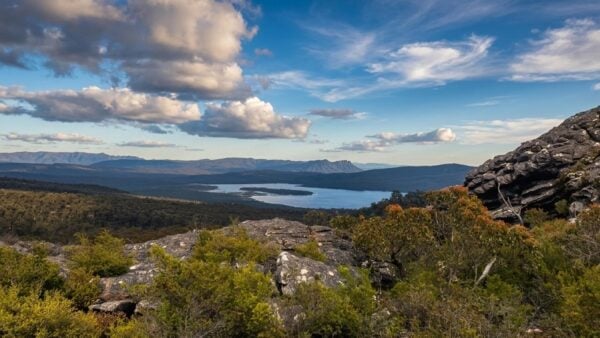
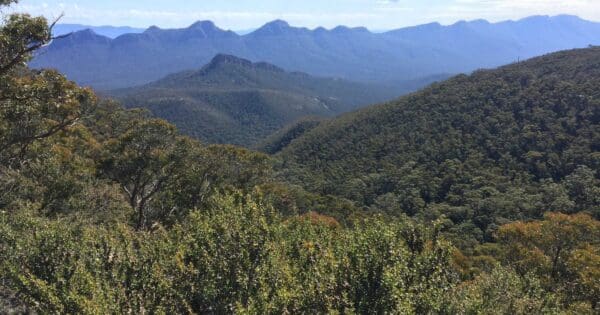
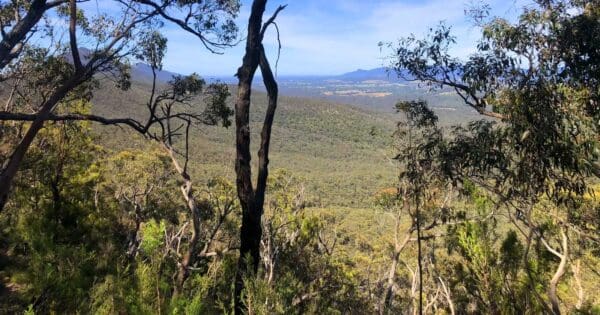
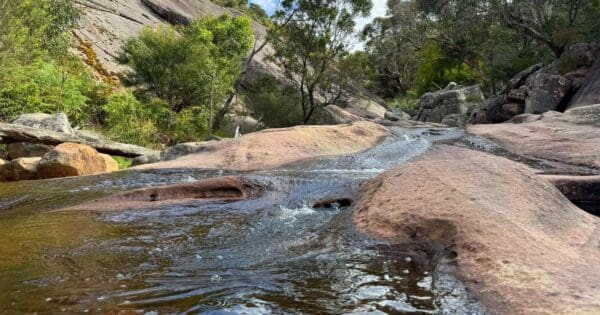
What gives the park its character is that contrast between mountain country and open farmland. Cliffs, escarpments, rocky outcrops and waterholes sit beside broad forests and creek lines, so the landscape changes quickly as you move through it. It is a place known as much for its geology and seasonal colour as for its scale.
Highlights
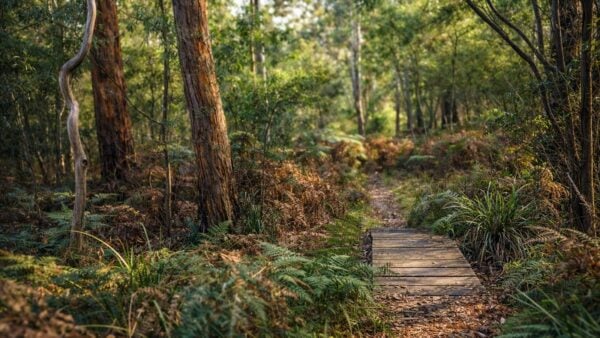
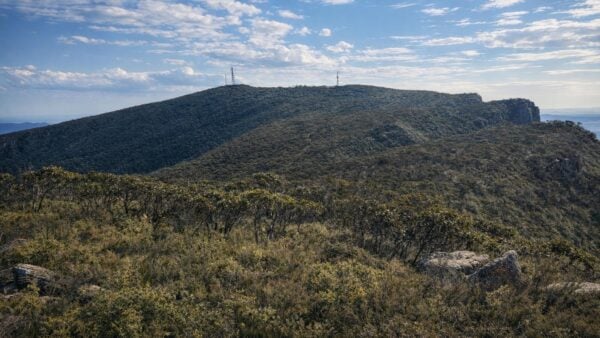
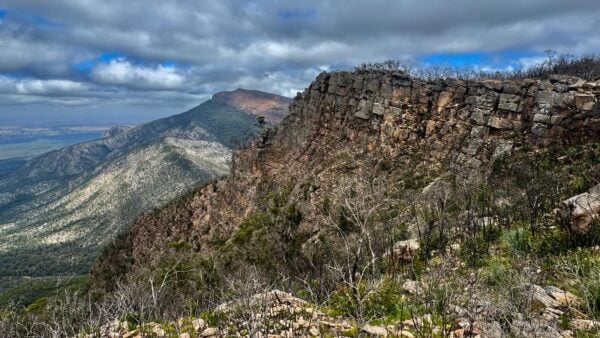
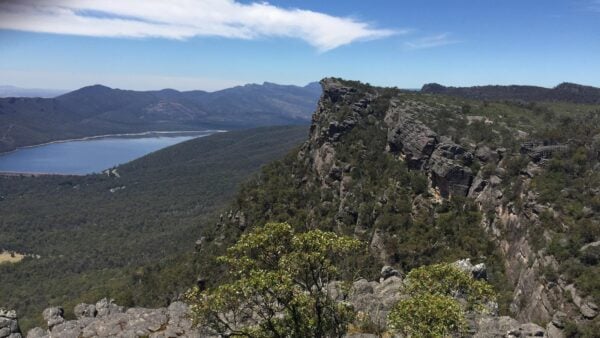
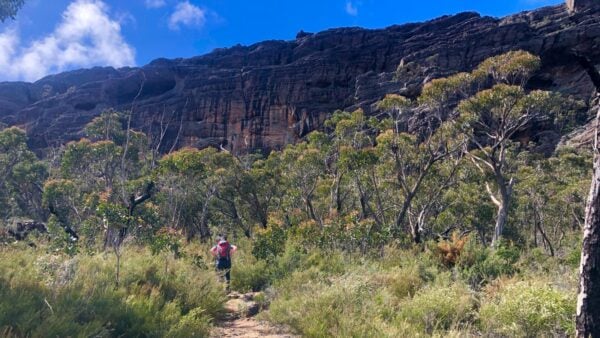
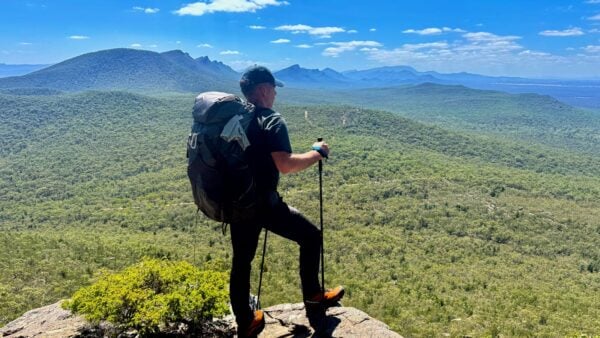
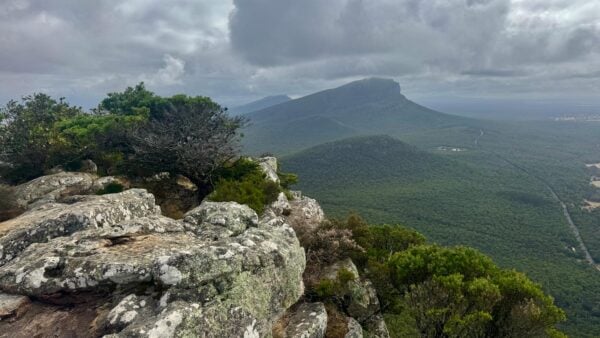
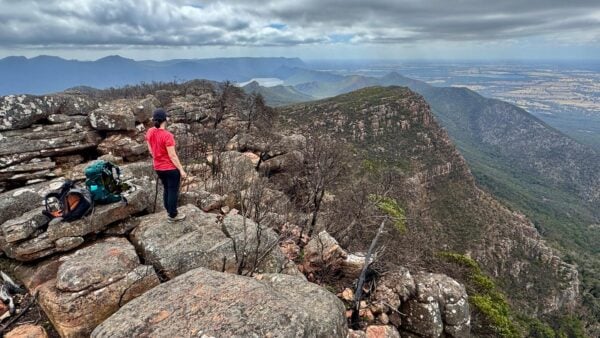
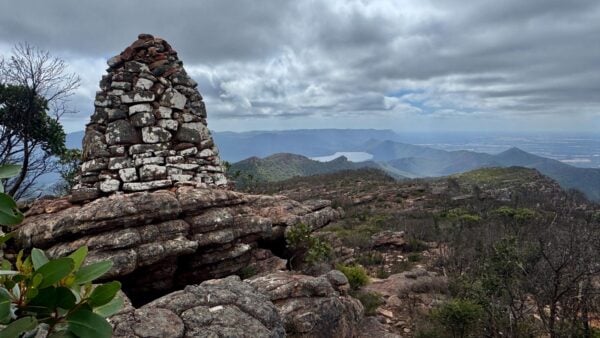
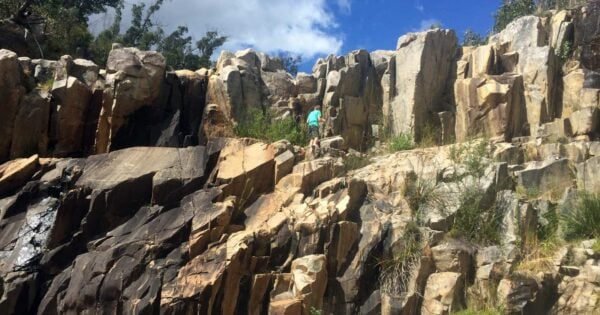
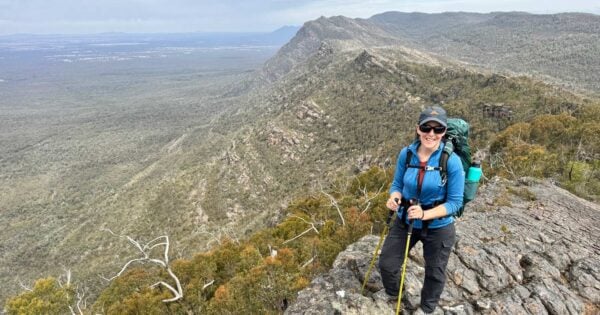
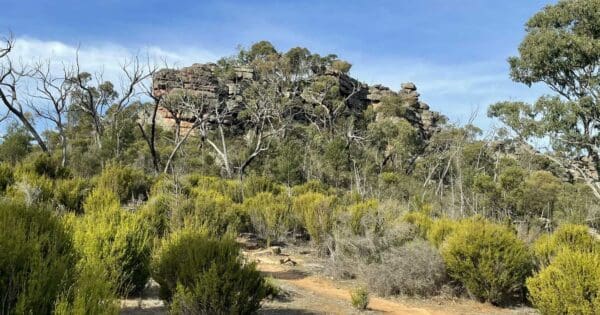
The scenery here is shaped by long sandstone ridges, deeply cut gullies and weathered rock formations that stand out from the plains around them. Across the park you get a strong sense of height and space, with major lookouts set above valleys, forest and distant farmland.
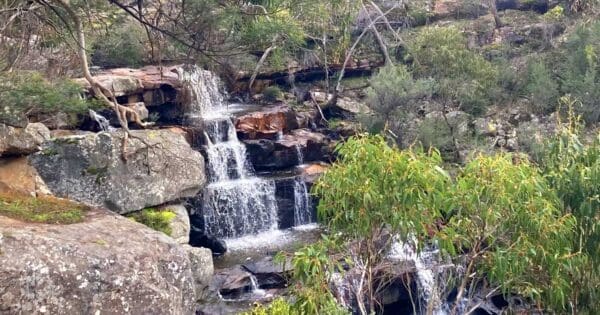
Different parts of the park have their own feel. The central ranges around Wonderland are known for dramatic rock forms and steep escarpments, while the northern and western sections feel drier, broader and more exposed. Waterfalls add another layer after wetter periods, and in spring the park’s wildflower displays are one of its defining natural features.
Best Time to Visit
Spring is the standout season for many people, when the wildflowers are at their best and the ranges carry more colour. September to November is also one of the busiest times in the park, which says a lot about how strongly the season shapes the experience.
Autumn is often a good middle ground if you want milder days and clearer conditions without the peak spring crowds. Winter can be atmospheric, especially around waterfalls and misty escarpments, though it is generally the least comfortable season for spending long days outdoors. Summer brings hotter conditions across western Victoria, so cooler parts of the day tend to be the most pleasant.
Plants and Animals
The Grampians is one of Victoria’s most important botanical areas, with an unusually rich mix of plant communities across heathy slopes, woodlands, forests, wetlands and sheltered gullies. That variety is why the park is so well known for wildflowers, especially when the heathlands and shrublands come into flower.
The animal life is just as varied. The park supports at least 230 bird species, 40 mammal species, 30 reptile species, 11 amphibian species and 6 native fish species. Some habitats are especially distinctive, including the Victoria Valley heaths and the Major Mitchell Plateau, where species such as the Southern Emu-wren, Heath Mouse, Southern Brown Bandicoot, Long-nosed Potoroo and Smoky Mouse reach important range limits or rely on specialised habitat.
Culture and Heritage
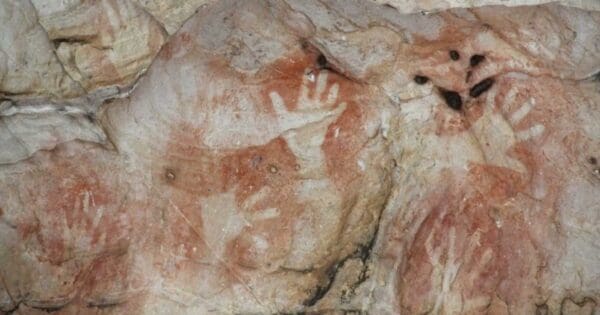
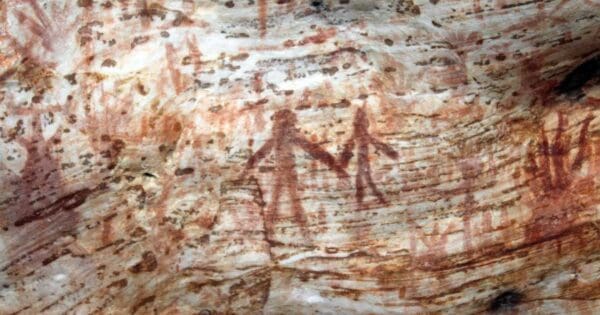
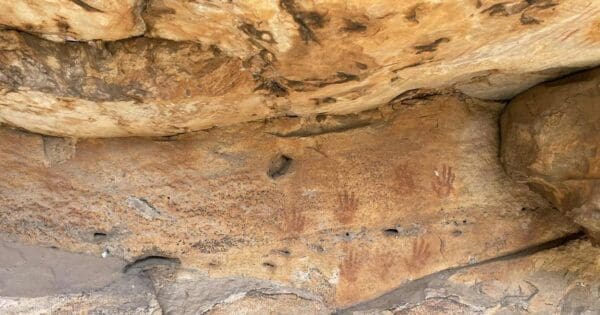
Gariwerd is a cultural landscape with deep Aboriginal significance, and the park contains many registered Aboriginal places. It holds the richest concentration of Aboriginal rock art in Victoria, with significant rock art sites and shelters spread through the ranges.
The park’s Traditional Owner connections are reflected in the contemporary use of the name Gariwerd and in the joint work being carried out across the broader landscape by Barengi Gadjin Land Council, Eastern Maar Aboriginal Corporation and Gunditj Mirring Traditional Owners Aboriginal Corporation. Alongside its Aboriginal heritage, the park also contains post-settlement heritage linked to earlier quarrying, timber use and pastoral history, though the older cultural presence is the defining story of the place.