Hike at a Glance
Max elevation: 821m
Min elevation: 243m
Total Ascent: 1189m
Hike overview
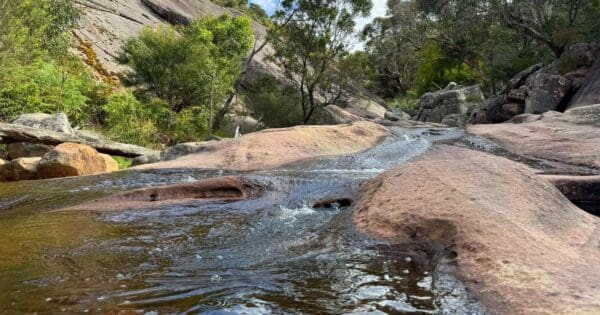
Starting from the main car park in Halls Gap, this walk gradually leaves the busy township behind as it passes the swimming pool and continues through the Halls Gap Botanic Gardens. The early part of the track is gentle and shaded, following well formed paths beneath tall eucalypts while the sound of Stony Creek drifts through the forest. As you move further north, the track begins to feel more remote, leading toward the base of Clematis Falls and the rugged slopes surrounding Chatauqua Peak.
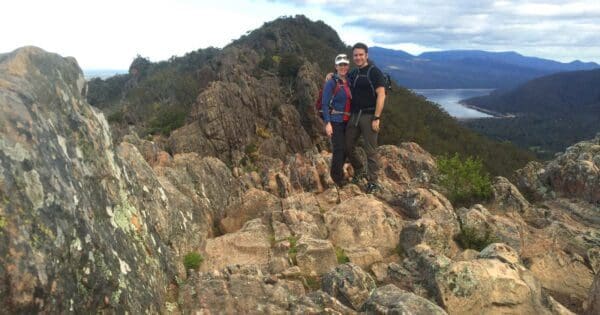
From the saddle junction, the character of the walk changes noticeably. The track climbs steeply as it transitions from the tall forest of the valley floor into the drier, rockier terrain of the Mount Difficult Range. Here the vegetation becomes more open and the ground underfoot more rugged, with sections of exposed rock and scattered heathland that reveal wider views across the surrounding ranges.
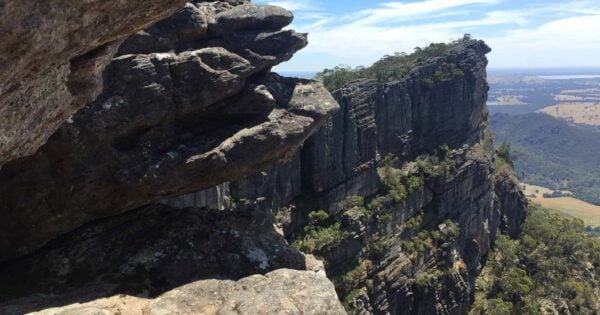
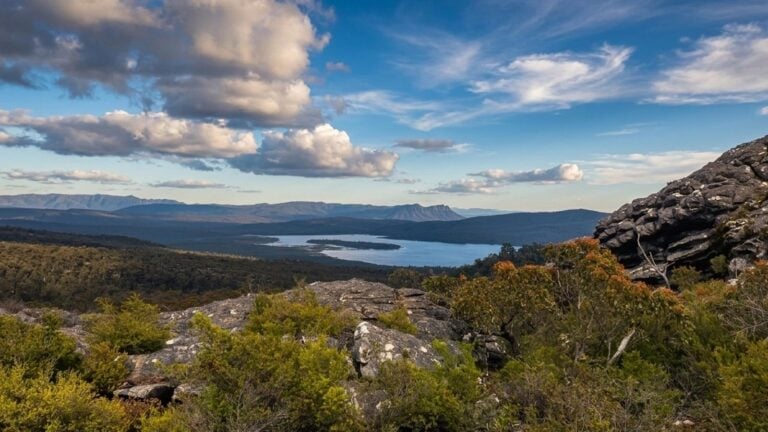
After crossing Mount Difficult Road, the route continues along the escarpment where the landscape opens toward the west. The track threads its way through rocky outcrops and weathered sandstone, gradually approaching the quiet setting of Werdug Hike in Campground. By the time you arrive, the sense of elevation and space is unmistakable, with expansive views across Lake Wartook and the layered peaks of the northern Grampians.
Many walkers plan their arrival to coincide with sunset, when the light settles across the ranges and the lake far below reflects the colours of the evening sky. Spending the night here allows time to appreciate the stillness of this elevated campsite before retracing the same route back to Halls Gap the following day.
Werdug Hike-in Campground
Werdug Hike-in Campground is a purpose built overnight site designed to support walkers on the Grampians Peaks Trail. The campground includes nine raised timber tent platforms, with sites one to four suited to standard sized tents and sites five to nine offering larger platforms. A communal shelter provides a protected space to cook, eat and take a break from the weather, while nearby facilities include a toilet, information board and a rainwater tank for treating and refilling water. Mobile phone charging points are also available. A designated tour guide area and several camp huts are located within the campground precinct. Campfires are not permitted and all rubbish must be carried out, helping protect this remote alpine setting.
Track grade
Grade 4 (Hard) - Challenging Walks for Experienced Walkers: Grade 4 on the AWTGS signifies challenging walking tracks. Bushwalking experience is recommended for these tracks, which may be long, rough, and very steep. Directional signage may be limited, requiring a good sense of navigation. These walks are suited for experienced walkers who are comfortable with steeper inclines, rougher terrain, and potentially longer distances.
Walk map and GPX file
Max elevation: 821 m
Min elevation: 243 m
Total climbing: 1189 m
Total descent: -1189 m
GPX files, maps and content are copyright Trail Hiking Australia. Not to be copied, redistributed or uploaded to other platforms including AllTrails.
Explore safely
Planning this hike? Most incidents develop before you even start. Safe outcomes depend on how navigation, hydration, environment, load and judgement work together. Small oversights can compound quickly in Australian conditions. See how it happens in the Hiking Safety Systems Foundations. Then use the Hiking Safety Systems, planning calculators, and make sure a trusted contact has your trip plan before heading out.
Leave a trip plan
Before you go, complete a trip intentions form and share it with a trusted contact. Agree on a Late-Back Time and ask them to call 000 (Police) if you have not checked in. A clear trip plan is one of the simplest and most effective safety steps you can take.
Planning checklists
Download the hiking preparation and safety checklists before leaving home to help you think through your plans. They help ensure important considerations are not overlooked and support safer decision-making on the trail.
Getting there
Getting to the trailhead: Grampians National Park.
Halls Gap is located in the heart of Grampians National Park, about 260 kilometres west of Melbourne. The drive follows the Western Highway through Ballarat, Ararat and Stawell before continuing into the Grampians region. From Stawell, Grampians Road leads south through open farmland and into the mountains, gradually revealing the sandstone ranges that define the park. On arrival in Halls Gap, parking for the walk is available at the main Halls Gap car park near the swimming pool and botanic gardens, where several walking tracks begin.
Need a rental car to get you to the hike? Find one here.
Accommodation nearby
Find accommodation close to the trailhead including hotels, cabins, and campgrounds. Use the interactive map to explore available options in nearby towns.
Nearby towns: Ararat, Cavendish, Dadswells Bridge, Dunkeld, Halls Gap, Horsham, Landsborough, Pomonal, Stawell, Warracknabeal, Wartook, Wartook Valley
About the region
The Grampians National Park (Gariwerd) is a place of deep cultural significance for Aboriginal Australians. Parks Victoria acknowledges the enduring connection Traditional Owners have to this land and their ongoing role as custodians.
Renowned for its natural beauty, the park offers a variety of experiences. Explore its world-famous walking trails, encountering majestic waterfalls, vibrant spring wildflowers, and inspiring mountain views. Look out for native wildlife such as kangaroos, wallabies, emus, and birds. The park's Aboriginal heritage, diverse plant and animal life, and stunning landscapes have all earned it heritage listing. Whether you choose a scenic drive or one of the many walking or hiking tracks, the Grampians will leave a lasting impression.
Traditionally known as Gariwerd, the region boasts the highest concentration of significant and ancient Aboriginal rock art sites in southern Australia. Brambuk – The National Park and Cultural Centre offers valuable insights into these sites, enriching your exploration.
Hikers of all levels are drawn to the Grampians. Challenge yourself by scaling Mount William, the park's highest peak, or choose from the numerous trails around Halls Gap and the Wonderland Range. The Pinnacle lookout offers exceptional views, but be aware that the climb is demanding. Experienced hikers can embark on overnight adventures like the iconic Grampians Peaks Trail, Major Mitchell Plateau hike, or The Fortress and Mt Thackeray Overnight Hike.
For a more relaxed pace, consider fishing, canoeing, or kayaking on Lake Wartook, Lake Bellfield, Moora Moora Reservoir, or the park's many waterways.
The Grampians' rugged sandstone ranges, spectacular wildflowers, diverse recreational activities, and rich Aboriginal heritage combine to create an unforgettable experience. These north-south ridges boast steep eastern slopes and gentler western inclines, a result of ancient earth movements that sculpted the landscape into a series of impressive peaks and valleys. Lookouts offer panoramic views, while waterfalls add a touch of grandeur.
Spring brings vibrant wildflower displays to the park, with the Grampians Boronia, Blue Pin-cushion Lily, and numerous other native plants painting the heathlands in colour. Keep an eye out for the park's abundant native wildlife, including kangaroos, koalas, emus, wedge-tailed eagles, and more.
Don't miss the opportunity to explore the park's shelters containing ancient Aboriginal rock art paintings, a testament to the long-standing connection between Aboriginal people and this land. Billimina Shelter, Gulgurn Manja Shelter, and Manja Shelter are some notable examples.
Let the park's fresh air invigorate you. Hike, rock climb, fish, or canoe. Choose from a variety of walking tracks, whether you prefer a leisurely stroll or a challenging multi-day trek.
Halls Gap, nestled beside the Wonderland Range, serves as a convenient base for exploring the park. This town is also home to Brambuk – The National Park and Cultural Centre, where you can delve deeper into the park's natural and cultural wonders.
Similar walks nearby
Looking for more walks in or near Grampians National Park? Try these trails with a similar difficulty grade.
Gallery
Got any photos from this hike? Your photos can help others plan. Share shots from along the trail so fellow hikers know what to expect.
Click to add your photos >>
Suggest an edit
Notice something different about this trail? Whether it’s a new feature, a route change, or a closure, share your update so we can keep our info accurate and helpful for fellow hikers.
Click to suggest edits >>
Acknowledgement of Country
Trail Hiking Australia acknowledges the Traditional Owners of the lands on which we hike and pay respects to their Elders, past and present, and we acknowledge the First Nations people of other communities who may be here today.