A continent shaped by ancient landforms and climatic extremes
Overview
Australia brings together an extraordinary range of landscapes within a single continent, from tropical wetlands and rainforests in the north to central deserts, temperate forests, alpine country and long stretches of coastline. Its protected areas reflect that geographic scale. The National Reserve System alone covers more than 173 million hectares across more than 14,500 protected areas, encompassing places managed by Commonwealth, state, territory and local governments as well as other conservation landholders.
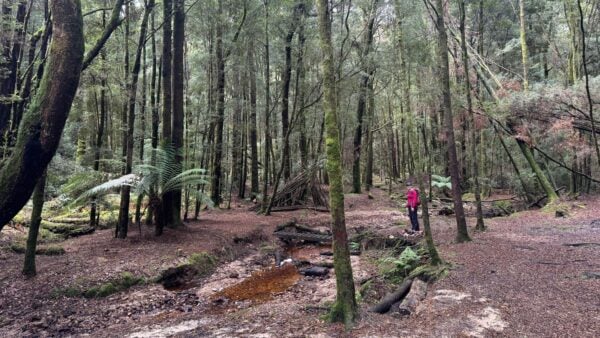
For hikers, that scale means the character of the country changes markedly from one region to another. Climate, elevation, rainfall, geology and distance from the coast all influence the vegetation and terrain, so walking environments in northern Australia can bear little resemblance to those in Tasmania, the Australian Alps or the dry interior.
Highlights
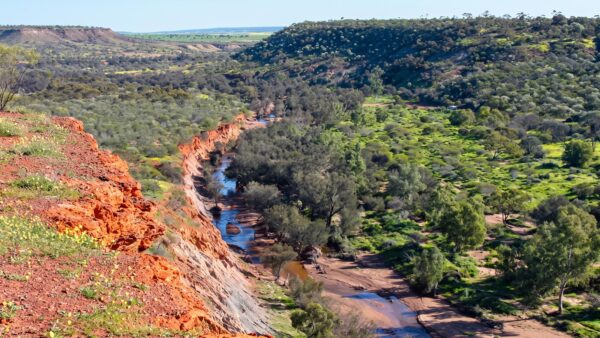
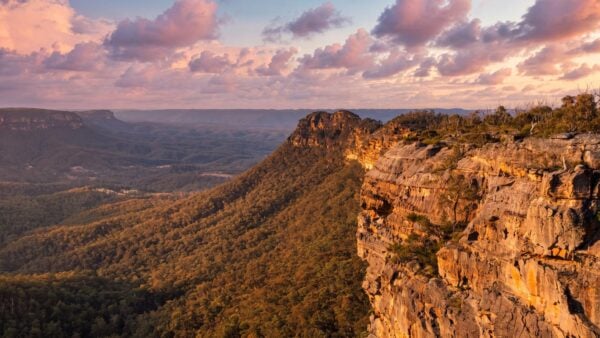
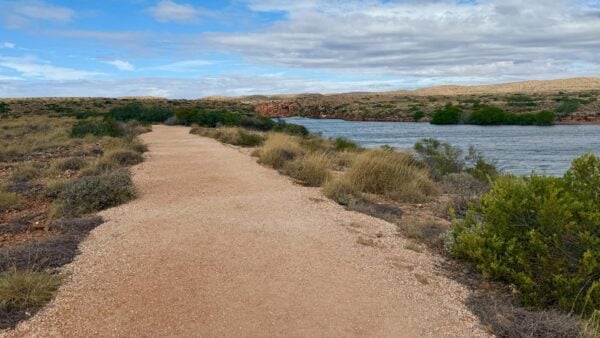
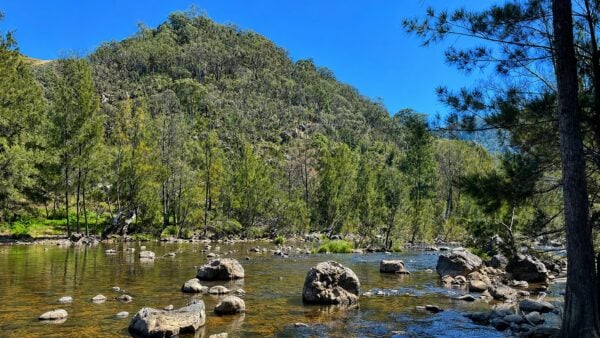
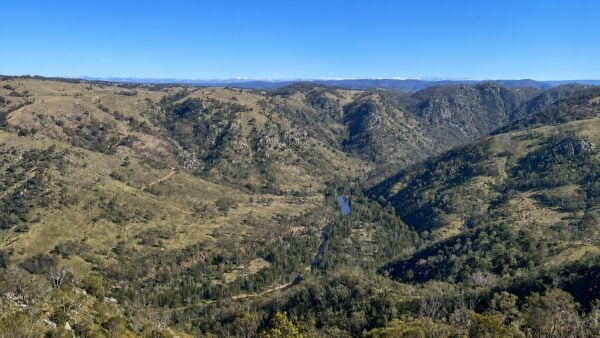
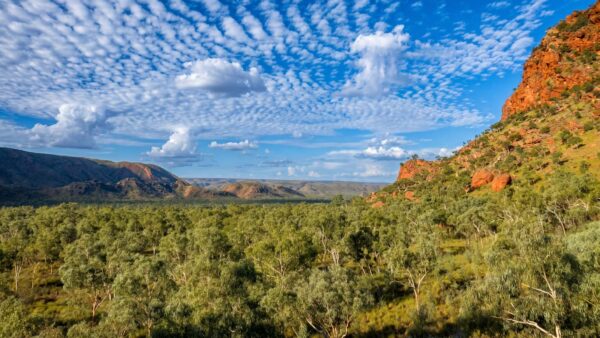
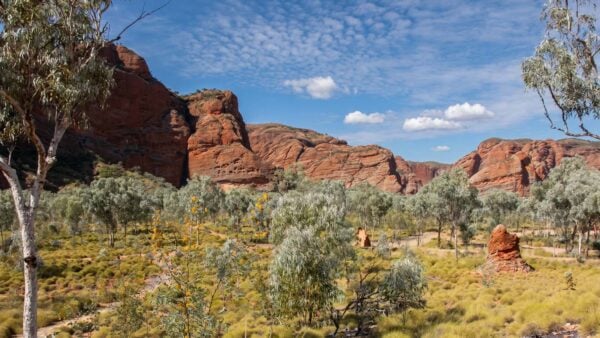
Australia’s landscapes have developed through a very long geological history. Geoscience Australia describes rocks more than 3,000 million years old alongside landforms created by comparatively recent volcanic activity. Much of the continent’s present topography has been shaped by prolonged erosion from wind and water, producing broad plateaus, ranges, escarpments, deeply cut valleys, rocky gorges and extensive plains.
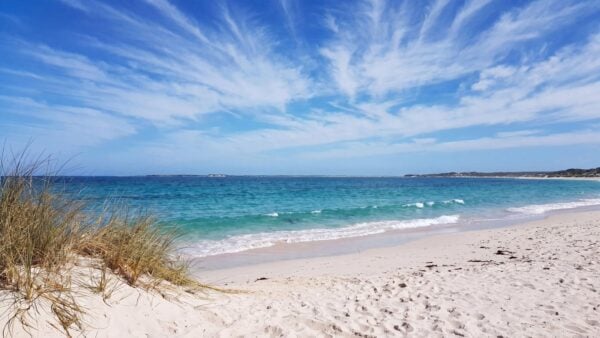
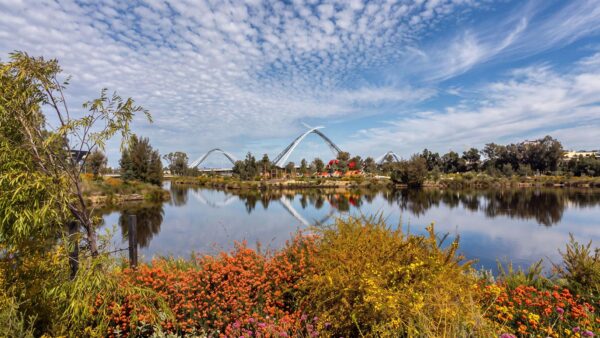
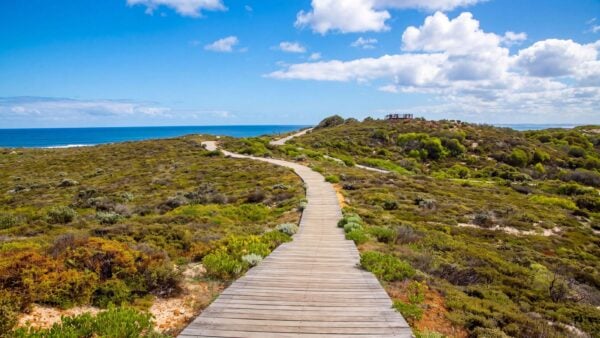
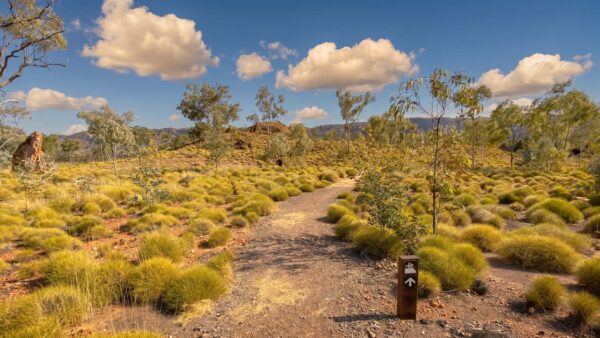
The contrast between regions is one of the defining features of walking in Australia. Tropical country in the north gives way to grasslands and vast arid landscapes through the interior, while mountain ranges influence the eastern seaboard and temperate environments extend across the south. Coastal cliffs, beaches, islands, river valleys, forests and alpine ridges add further variety, often within relatively short distances of one another.
Best Time to Visit
There is no single best season for hiking across Australia because the continent spans several major climate zones. In much of southern Australia, the familiar four-season pattern applies, with December to February generally the warmest months and June to August the coolest. Conditions in the tropical north are better understood as wet and dry seasons, with the wet generally occurring from October to April and the dry from May to September.
That climatic range is important when choosing where to walk at different times of year. Mountain ranges, latitude and proximity to the ocean can all alter local temperature and rainfall patterns, so seasonal conditions in one part of Australia may be quite different from those experienced elsewhere at the same time.
Plants and Animals
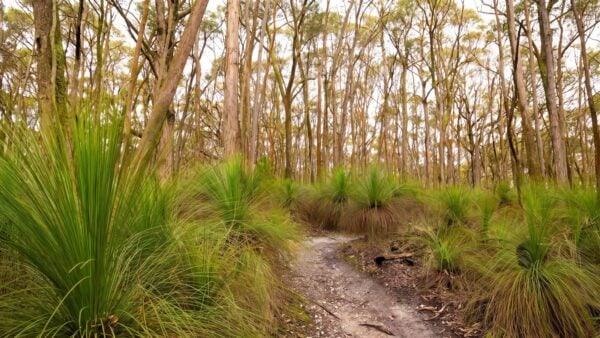
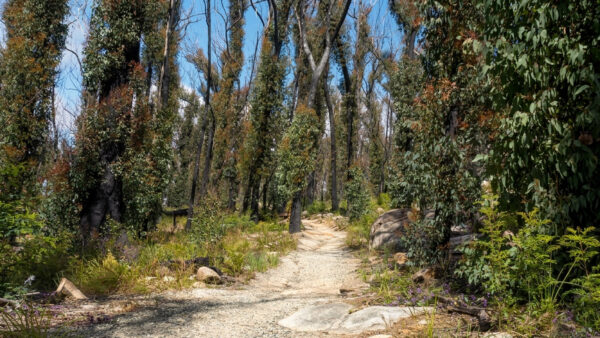
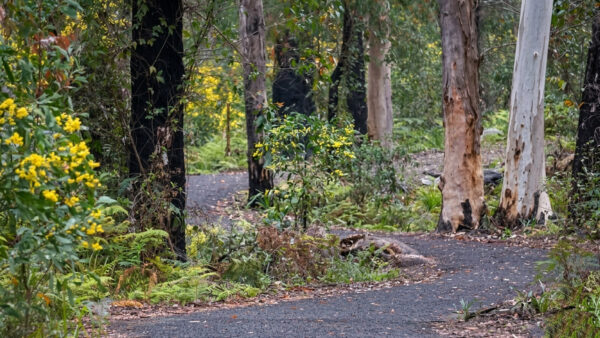
Australia is recognised by the Australian Government as one of the world’s megadiverse countries, with a particularly high proportion of species found nowhere else. Government biodiversity information estimates that about 84 per cent of Australia’s plant species and 83 per cent of its mammals are endemic. Isolation, varied climates and long evolutionary history have produced ecosystems ranging from tropical rainforest and mangroves to eucalypt forest, alpine vegetation, heathland, grassland and arid shrublands.
Protected areas play an important role in conserving these ecosystems and the wildlife they support. Depending on the region, walkers may encounter environments associated with kangaroos, wallabies, wombats, echidnas, platypuses, parrots, cockatoos, reptiles and a wide variety of less familiar species. The composition changes dramatically across the continent, which is part of what makes Australia’s protected landscapes so distinct from one another.
Culture and Heritage
Australia’s protected and natural landscapes also contain extensive evidence of the country’s colonial and post-colonial history. Pastoralism, mining, forestry, transport routes, settlement and other industries have left physical traces in many areas that are now parks and reserves. National heritage protection recognises places that document significant moments in Australia’s social, industrial and environmental history.
One particularly visible strand of that history is the convict era. The Australian Convict Sites World Heritage property comprises 11 places across several parts of Australia and records the system of convict transportation, forced labour and colonial development during the eighteenth and nineteenth centuries. More broadly, historic buildings, former workings, roads, ruins and altered landscapes found within protected areas can provide another layer of context to places now valued primarily for conservation and recreation.