An Island Shaped by Mountains, Forests and Sea
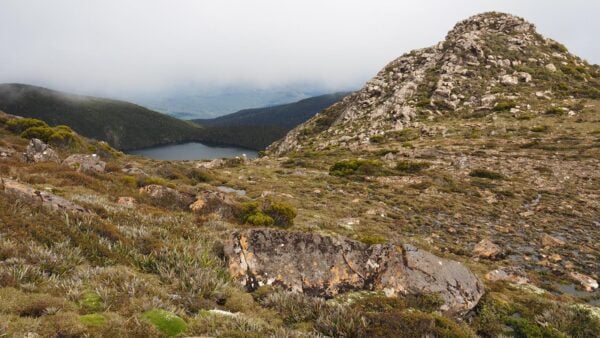
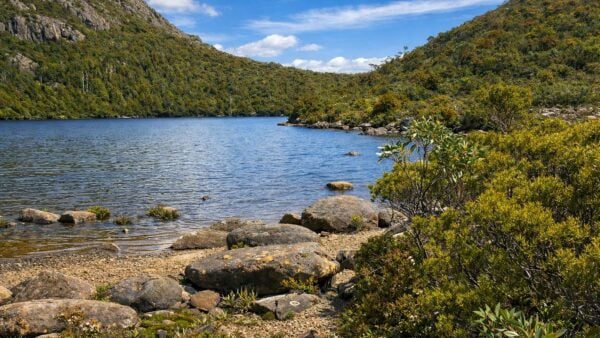
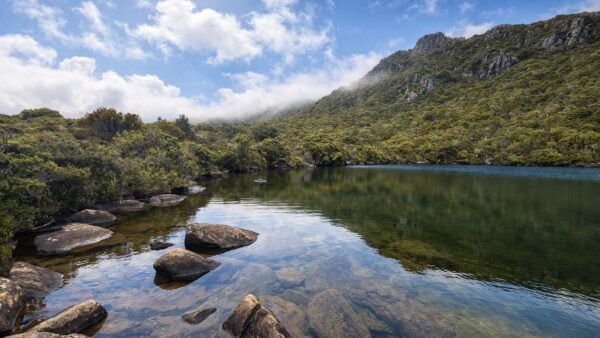
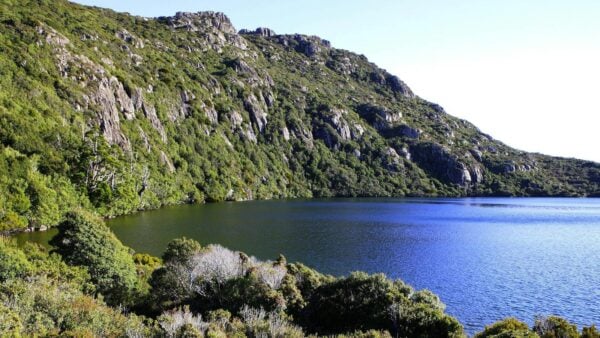
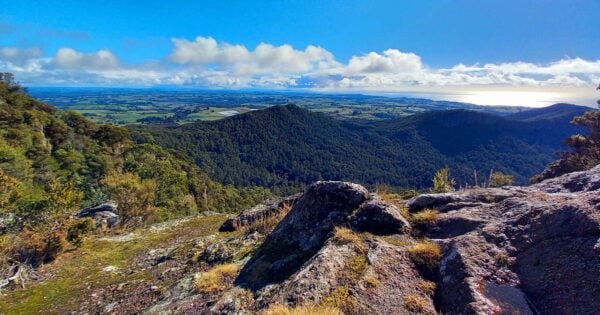
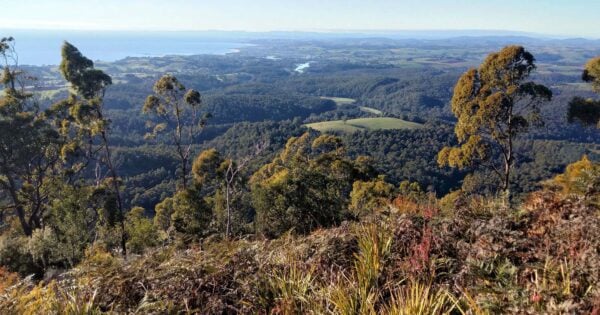
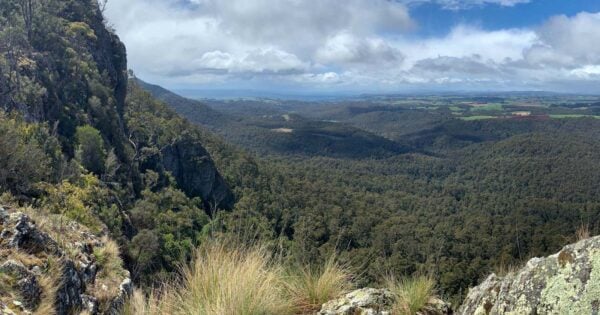
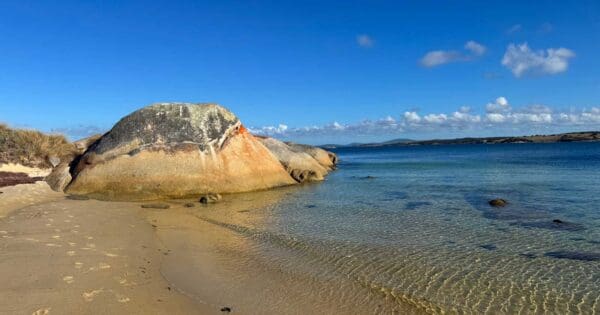
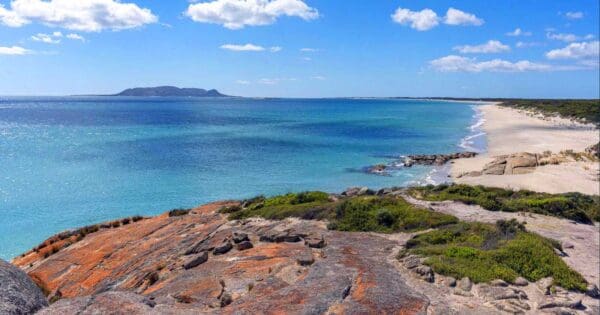
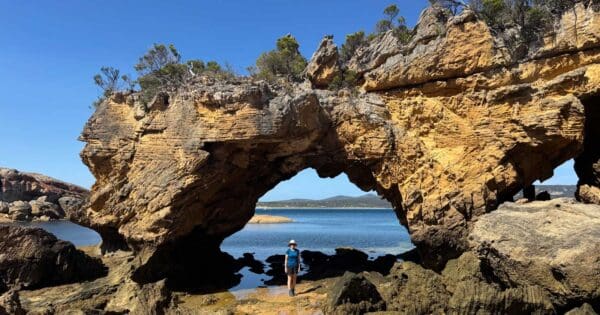
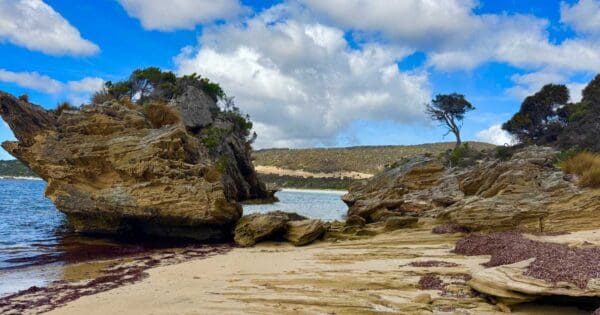
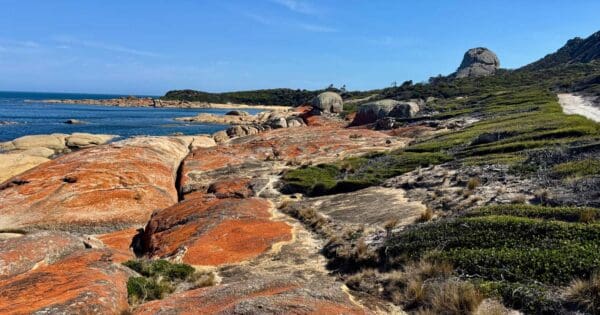
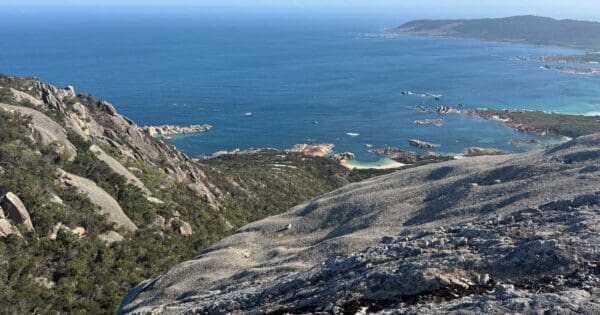
Tasmania packs an extraordinary variety of landscapes into a relatively compact island. Around half of the state’s land area is reserved, with national parks and other protected areas extending from exposed coastlines and dry eastern forests to high plateaus, alpine country, lakes, rainforest and the much wetter mountains of the west. The contrast can be striking over surprisingly short distances, which is one reason walking in different parts of Tasmania can feel so distinct.
Highlights
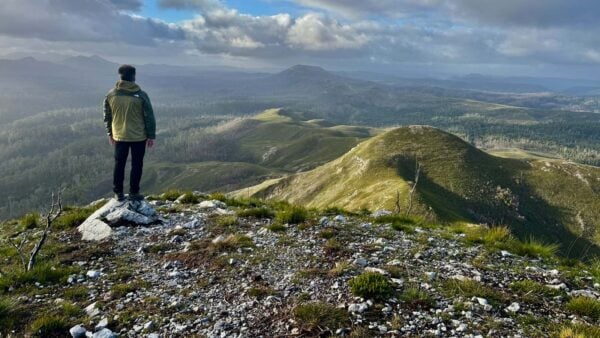
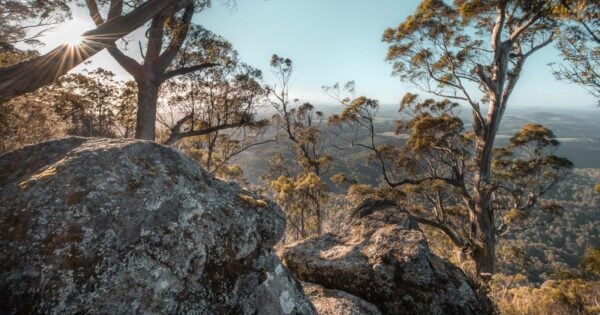
Mountains and elevated plateaus dominate much of Tasmania’s interior, while deeply cut river valleys, glacial lakes, rugged peninsulas and long stretches of coastline add another layer to the landscape. Tasmania’s geology is unusually varied, with rock sequences spanning a vast period of Earth’s history. Dolerite is particularly prominent across the central and eastern highlands, while granite, quartzite, sandstone and other rock types shape very different landscapes elsewhere.
Water has also played an important part in forming the island. Limestone and dolomite occur in several regions and have produced extensive karst systems of caves, underground streams, sinkholes and springs. Around Mole Creek and parts of southern and north-west Tasmania, these underground landscapes can be every bit as complex as the mountains above them.
Plants and Wildlife
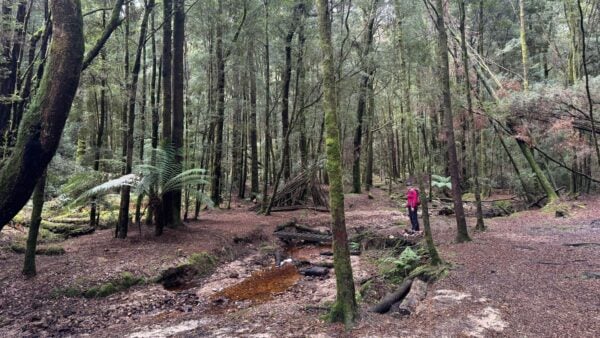
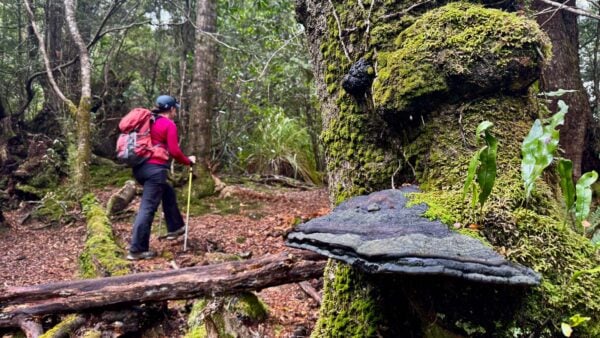
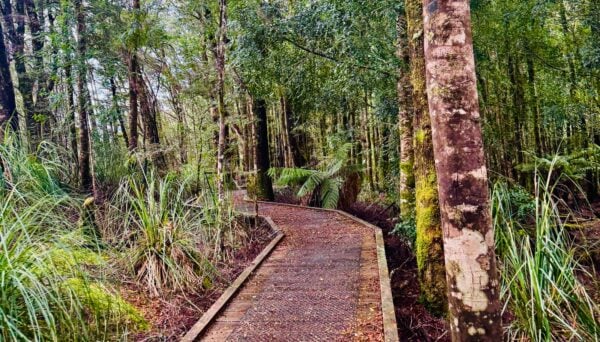
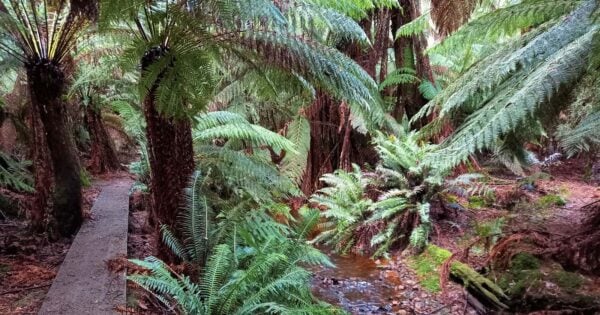
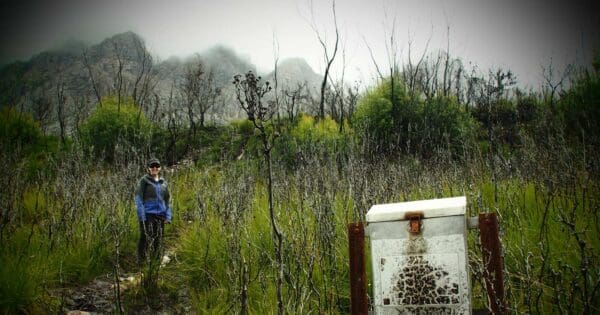
Tasmania’s changing altitude, rainfall, soils and geology support an unusually varied mix of vegetation. Alpine herbfields and heathlands occupy exposed high country, while rainforest, tall eucalypt forest, native grasslands, buttongrass, coastal heath and dry woodland appear across different parts of the state. Conditions generally become wetter from east to west, helping create some of the strongest contrasts in vegetation.
The island’s long geographic isolation is also reflected in its wildlife. Tasmania remains an important stronghold for native mammals including the Tasmanian devil, spotted-tailed quoll and eastern quoll, along with wombats, wallabies, echidnas and platypuses. Its national parks and reserves protect habitat for numerous endemic and threatened species, while coastal reserves add seabirds, shorebirds, seals and other marine wildlife to the picture.
Culture and Heritage
Tasmania’s European-era heritage is unusually visible across both its towns and protected areas. Convict sites, former penal settlements, historic farms, lighthouses, maritime sites and remnants of early industries survive in many parts of the state. Five Tasmanian places form part of the Australian Convict Sites World Heritage property, including Port Arthur, the Coal Mines Historic Site, Cascades Female Factory and the Brickendon and Woolmers estates.
Mining and resource industries have also left their mark on parts of the Tasmanian landscape. Mineral Resources Tasmania records a long and complex geological history that produced deposits of tin, gold, copper, silver, lead, zinc, iron and other minerals. In several reserves today, old workings, settlement remains and altered landscapes sit alongside the natural features that first drew prospectors into these areas.