Tasmania is the one I’d send an experienced hiker to first if they only had one Australian state to choose. There’s a compactness to the island that makes no sense until you’ve walked it. You can go from ancient rainforest to alpine plateau to sea cliffs and wild beach in a single trip, sometimes in a single day, and the mountain ranges in between feel far more serious than the island’s size would suggest.
Tasmania has more than 2,800 kilometres of walking tracks across its national parks, conservation areas and reserves, which is a genuinely large network for a place this size. What I appreciate about it is the depth on offer at every level, from an easy stroll through cool temperate forest right through to routes that will properly test experienced bushwalkers.
Easy walks for families and casual hikers
If you want an easy introduction to what Tasmania looks like without committing to a big walk, there are plenty of short tracks through the state’s best known parks. Cradle Mountain-Lake St Clair National Park has a good range of shorter tracks through alpine and forest country, and Mount Field National Park is home to one of the state’s most popular easy walks. The Russell Falls track is short, wheelchair accessible, and leads through lush forest to one of Tasmania’s best known waterfalls. It’s a good one for anyone travelling with people who aren’t up for a full day on foot.
Challenging hikes for experienced hikers
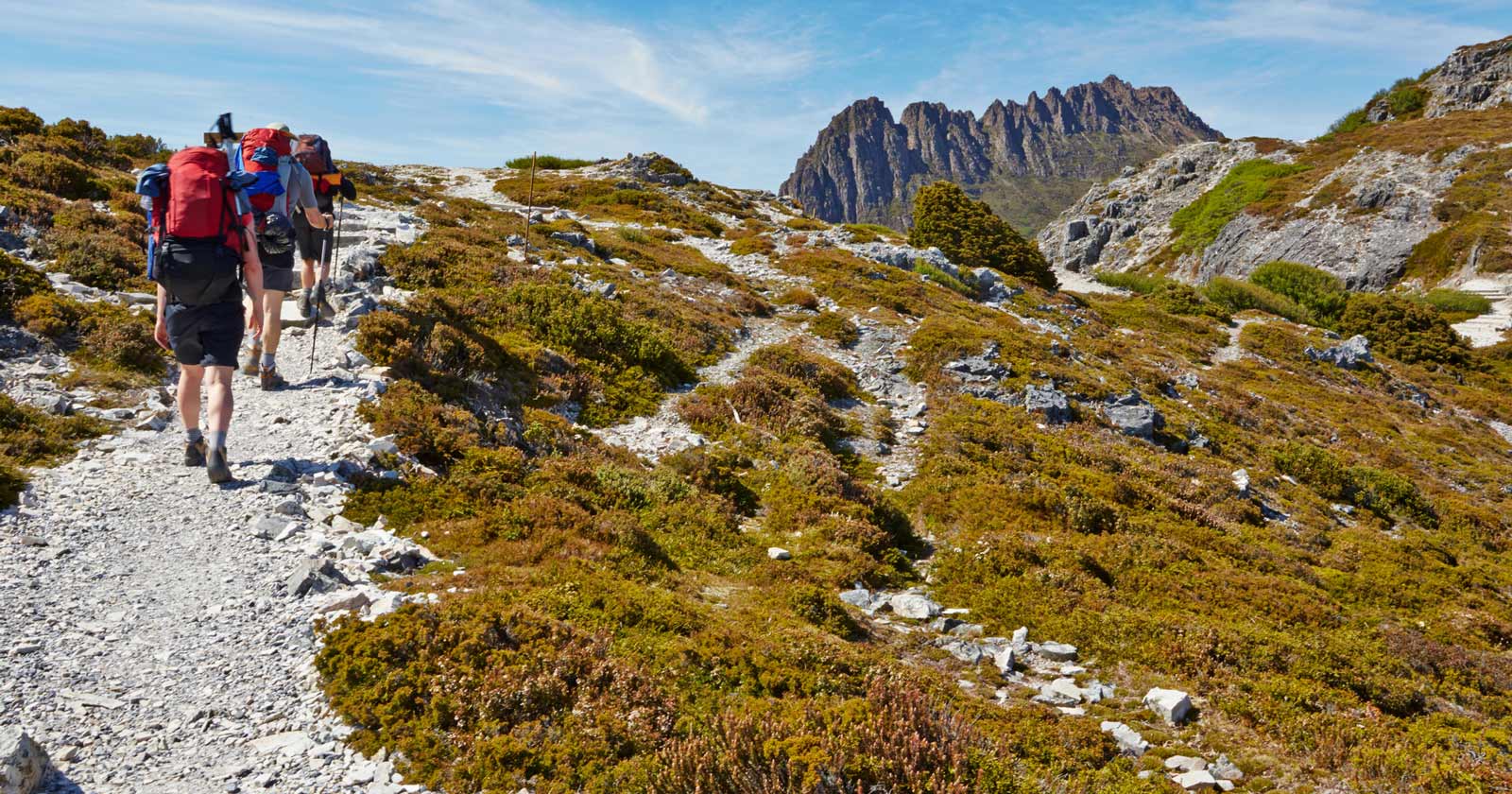
This is where Tasmania earns its reputation. The Overland Track is still the island’s most iconic multi-day route, 65 kilometres through the heart of Cradle Mountain-Lake St Clair National Park. Over six days it takes you through alpine moorland, glacial lakes, buttongrass plains and some of the most recognisable mountain scenery anywhere in the country. If you’ve never done a multi-day hike in Tasmania before, this is the one I’d point you toward.
Frenchman’s Cap is another of the classics, and a tougher one in my view. The route climbs through buttongrass moorland, forest and alpine country to a striking white quartzite summit, with wide views across the west and southwest of the state. For something shorter but still demanding, Mount Murchison is one of the most rewarding day hikes on the island. It’s steep and exposed in places, with some rock scrambling near the top, but even if you’re not comfortable with that final section, the views lower on the mountain are worth the walk on their own.
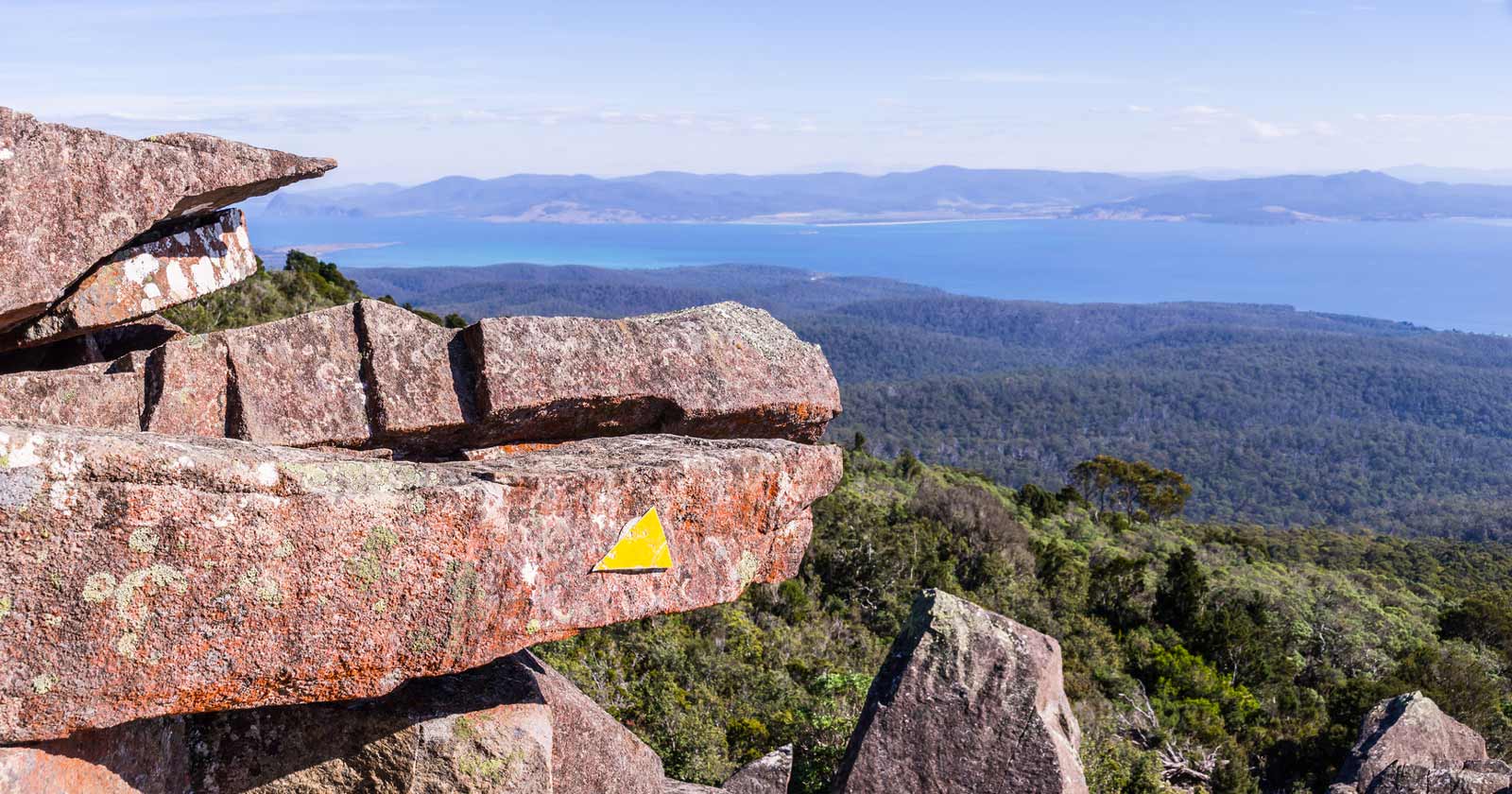
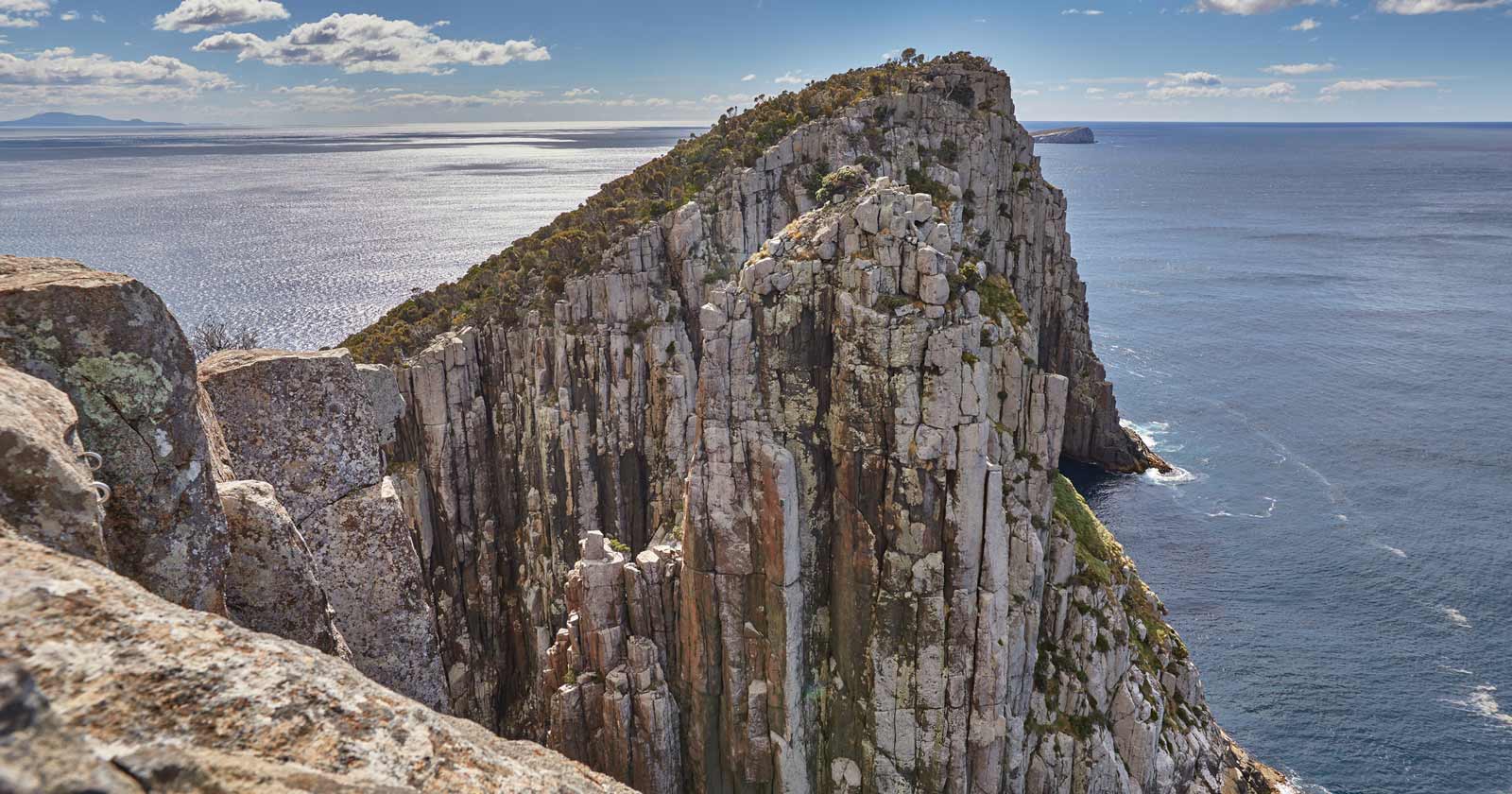
The coastline holds its own against the mountains too. The Three Capes Track on the Tasman Peninsula is a standout, 48 kilometres of dramatic sea cliffs and headlands. Maria Island has excellent day walks and overnight options that combine wildlife, convict history and striking coastal scenery, and on the east coast, the Freycinet Peninsula Circuit links white sand beaches, granite peaks and clear coastal water. It’s one of the best known circuit walks in the state, and deservedly so.
Tasmania’s toughest treks
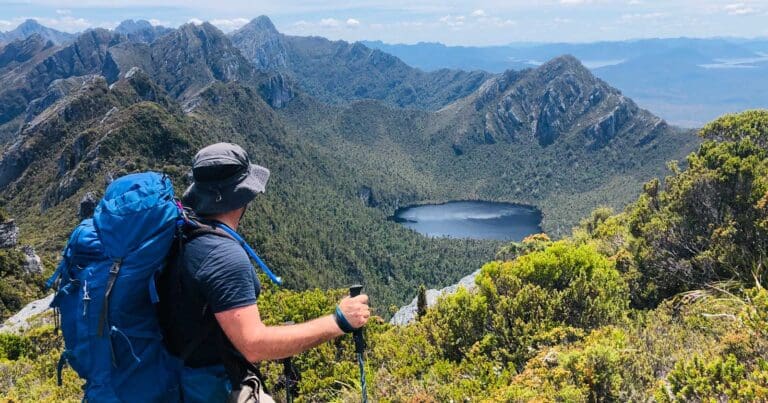
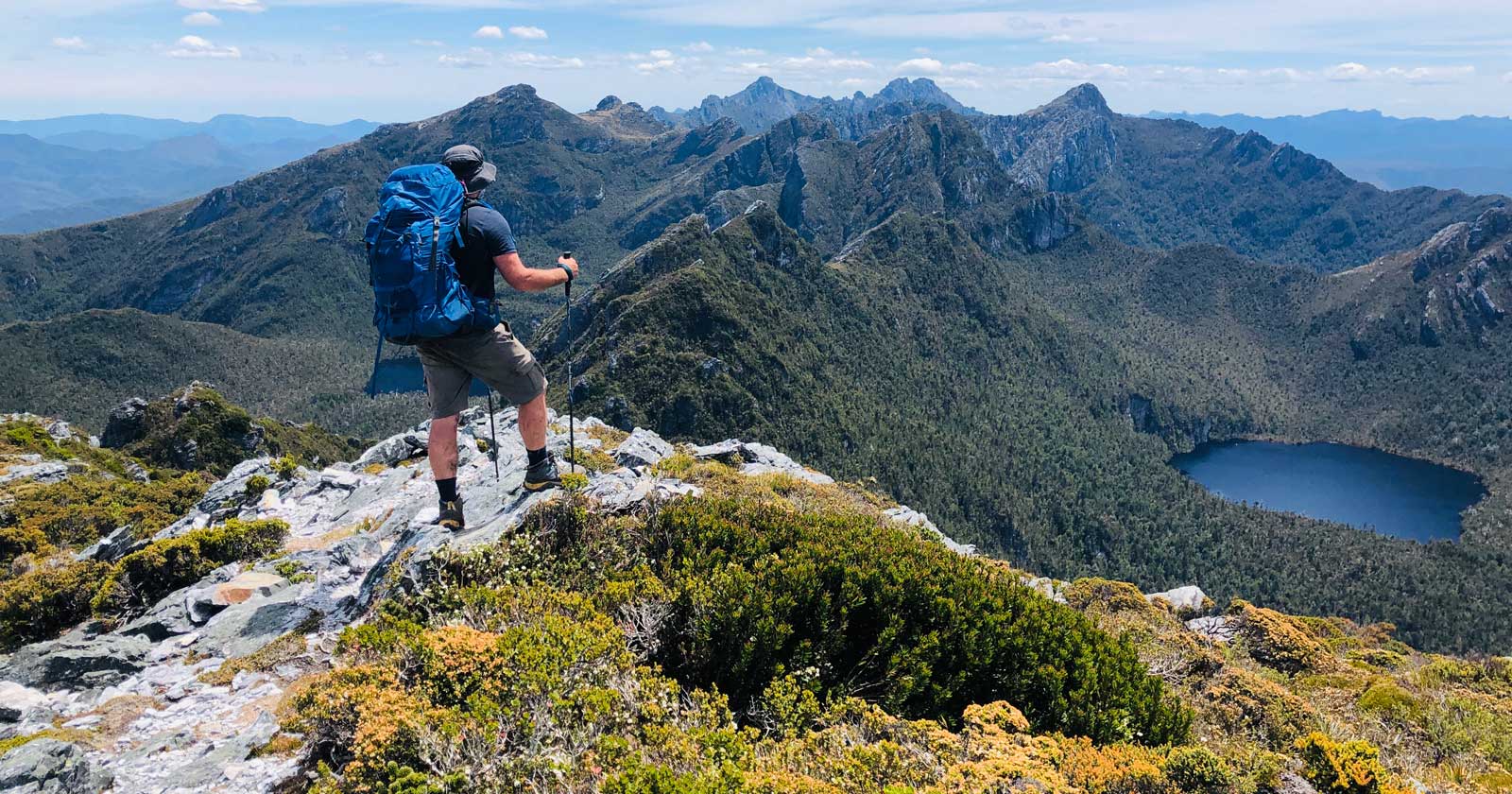
For anyone chasing a genuine wilderness experience, Tasmania has a handful of routes that demand sound judgement, self-sufficiency and real comfort in remote terrain. I wouldn’t recommend any of these to someone building up their multi-day experience. The Western Arthur Range Traverse in Southwest National Park is one of the state’s most serious alpine traverses, with steep climbs, exposed ridgelines, rough underfoot conditions and a strong sense of isolation. Its reputation for both beauty and difficulty is earned in equal measure.
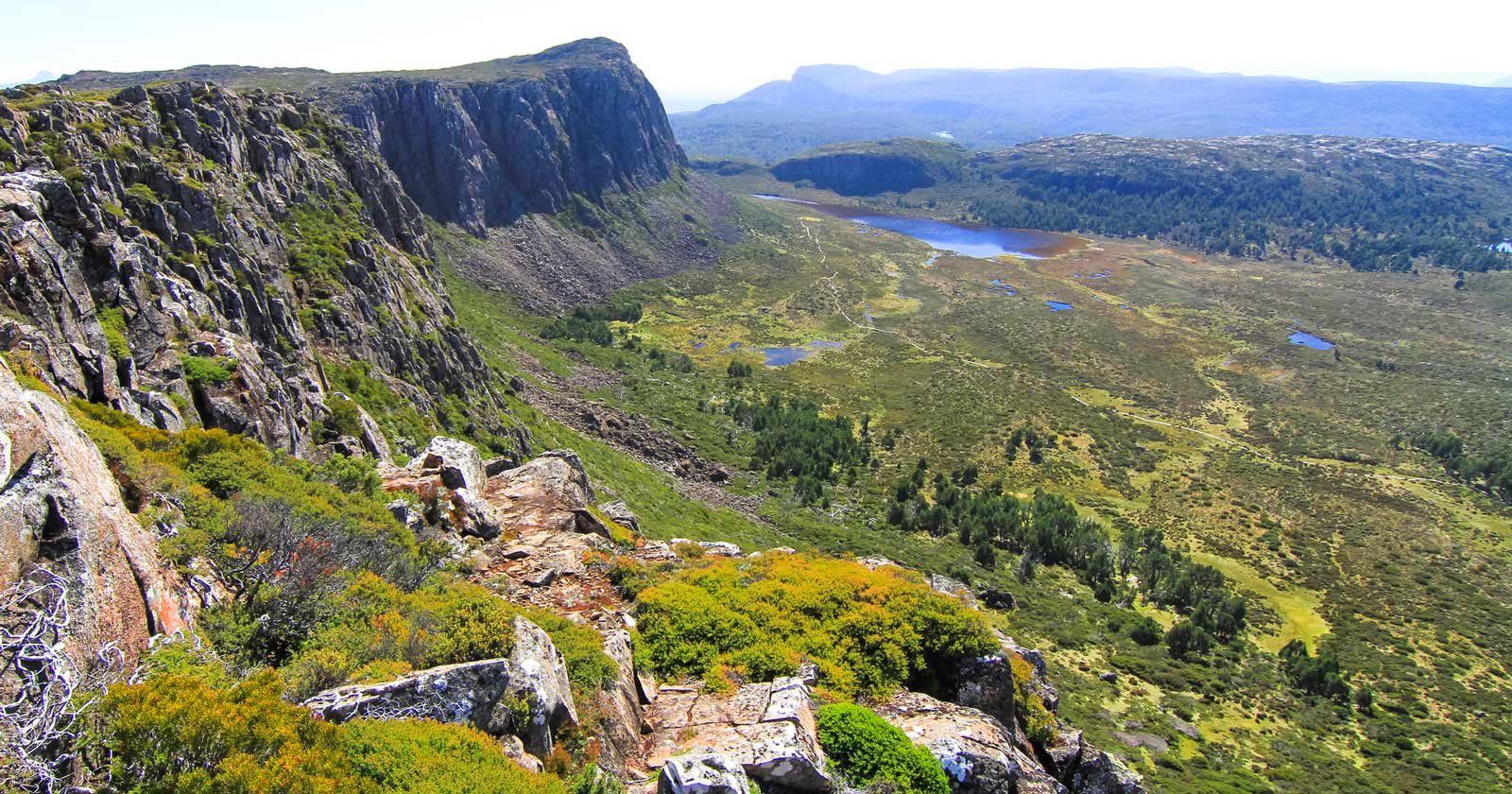
The Walls of Jerusalem Circuit is another classic wilderness trek, known for its dramatic dolerite peaks and a solitude that’s rare this close to civilisation. It’s a full-pack walk through high-country tarns, alpine vegetation and natural stone fortifications that feel almost deliberate. Further south, the South Coast Track is widely regarded as one of Tasmania’s toughest multi-day hikes, and I’d agree with that reputation. Covering 85 kilometres through remote coastal and forest terrain, it involves muddy sections, river crossings, steep climbs and long stretches far from any support. It’s hard going, but for those who are properly prepared, it’s one of the most memorable wilderness journeys anywhere in Australia.
Be prepared for Tasmania’s unpredictable weather
Tasmania’s weather is a major part of the hiking experience here, and I mean that as a genuine warning, not a throwaway line. Conditions can change fast, especially in alpine and exposed coastal areas, and I’ve seen how quickly a fine morning can turn into something you need to take seriously. The central highlands are generally most reliable from December to April, while the east coast often offers better conditions in spring and autumn. Whatever season you’re walking in, carry layers of clothing, waterproof gear and footwear suited to wet, rough or rocky terrain. Don’t assume Tasmania’s mild reputation on the mainland translates to mild conditions on the trail.
Beyond the trails: Exploring Tasmania
Hiking is only part of what makes this island worth the trip. The wildlife alone is a drawcard, from pademelons and wombats to the Tasmanian devil, and I’d encourage anyone walking here to keep half an eye out rather than just watching the track. Many walks also sit close to places of historical and cultural interest, whether that’s the colonial architecture of Richmond, the convict history of Port Arthur, or sites that reflect the long connection Tasmanian Aboriginal people have with this land. The food and wine scene adds another layer too, seafood, berries, cool-climate wines and regional produce are all part of exploring Tasmania beyond the trail itself.
Short Walks and the 60 Great Short Walks
Tasmania’s reputation is built on its big wilderness routes, but I don’t think that should overshadow the shorter tracks, which give you access to a lot of the state’s best features without the commitment. The 60 Great Short Walks curated by the Tasmania Parks and Wildlife Service are a genuinely useful starting point, ranging from easy rainforest strolls to shorter summit walks and coastal viewpoints. It’s a good way to sample a lot of what makes this island distinctive without needing days off work.
What keeps pulling me back to Tasmania is that unusual combination for a place its size: short walks, classic day hikes and serious wilderness traverses all sitting within one compact island shaped by rainforest, alpine country, dolerite peaks and dramatic coastline. Whether you want a gentle nature walk or a proper backcountry challenge, I think it’s hard to find anywhere else in Australia that offers both ends of that spectrum so close together.