Where Waterfalls Meet Alpine Country at Mount Field
Overview
Mount Field National Park sits about 75 km from Hobart, near the south-eastern edge of the Tasmanian Wilderness World Heritage Area. It is one of Tasmania’s oldest national parks and one of its most varied, with country that rises from tall wet forest into subalpine and alpine terrain. That change in altitude gives the park a striking range of scenery in a relatively compact area, from fern-lined gullies and giant eucalypts to tarns, open plateau country and glaciated landforms.
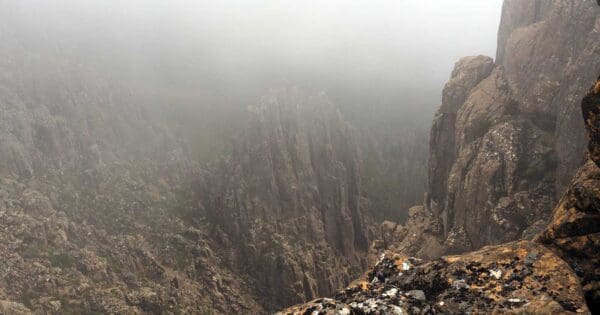
The landscape has been shaped by both geology and ice. Dolerite, sandstone and quartzite all appear here, and past glaciation carved U-shaped valleys, lakes and tarns across the higher ground. The park also protects an important water catchment and a broad sweep of plant communities, which helps explain why it feels so different from one part of the park to another.
Highlights
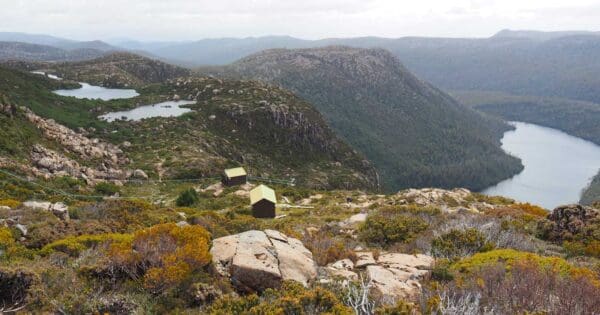
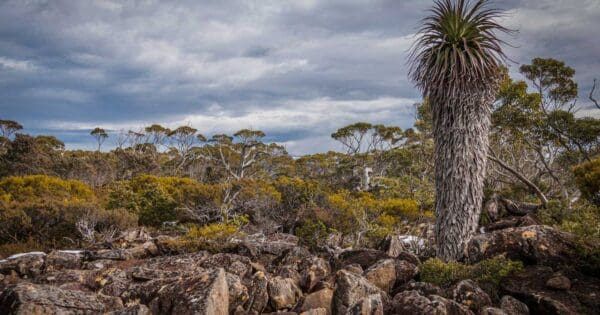
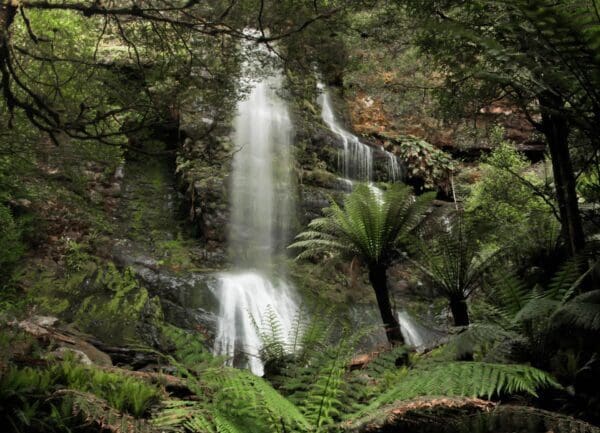
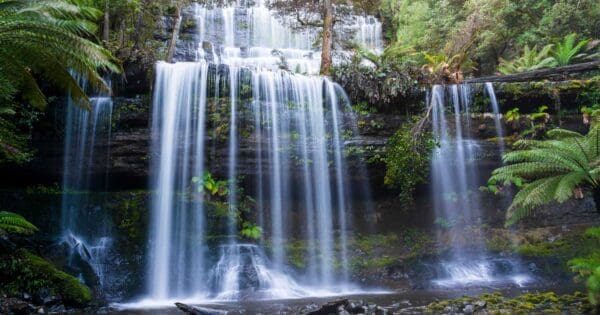
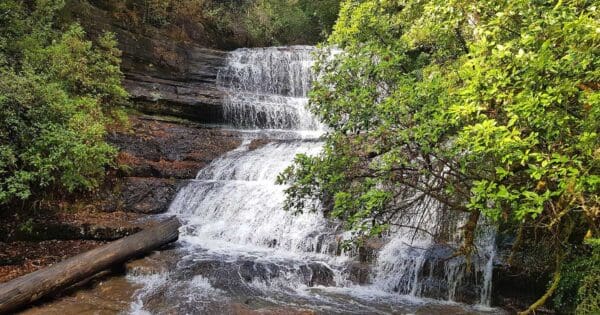
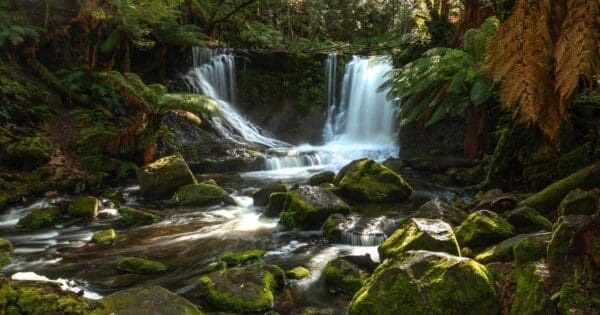
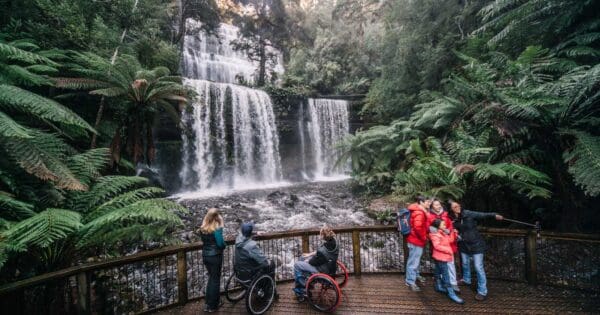
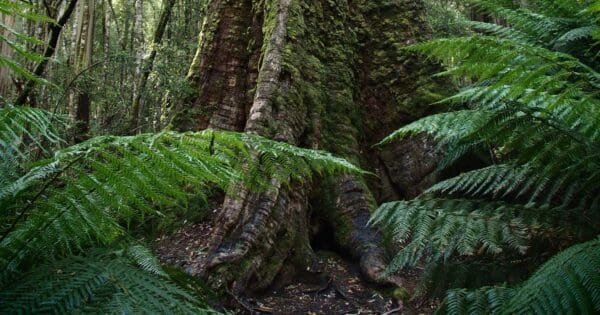
What sets Mount Field apart is the contrast between its lush lower slopes and its higher alpine country. The lower sections are known for towering eucalypt forest, deep green fern gullies and some of the park’s best-known waterfalls, while the upper parts open out into glacial lakes, tarns and broad mountain scenery.
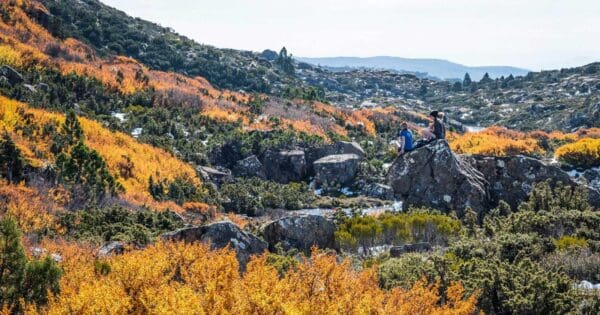
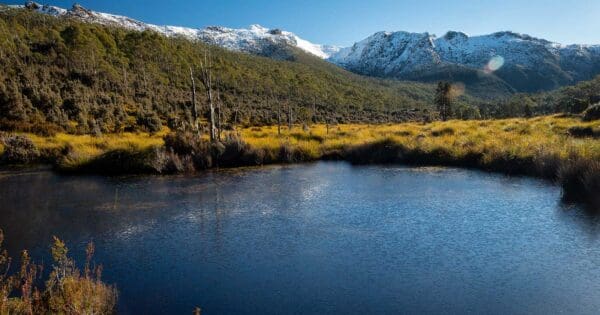
Higher up, the marks of the last ice age are easy to read in the shape of the land. U-shaped valleys, scattered tarns and blockstreams give the alpine area a distinctly different character from the forested entrance zone. In autumn, the high country is especially distinctive when the deciduous beech, or fagus, turns through gold, orange and red.
Best Time to Visit
Mount Field is often described as a park for all seasons, and that suits it. Spring and summer usually show off the contrast between cool rainforest gullies and the higher open country, while autumn is the standout for colour in the alpine areas when fagus turns. In winter, the upper part of the park takes on a snow-covered character that feels very different from the tall forest below.
If you want the broadest sense of what makes the park special, the milder months from late spring to autumn tend to reveal the greatest variety of vegetation and landscape across its full altitude range.
Plants and Animals
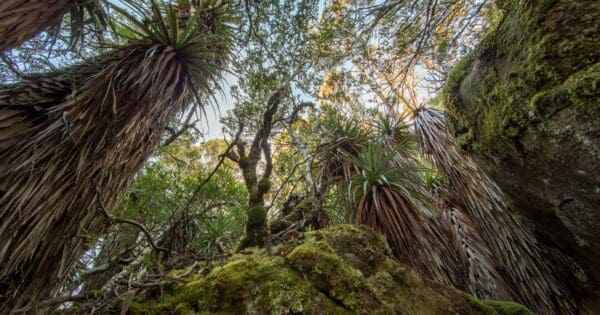
Mount Field protects an unusually wide range of vegetation communities, from some of the world’s tallest eucalypt forests to alpine plant communities near the summit areas. Its diversity comes from a mix of altitude, geology and the way eastern and western Tasmanian floras meet here. The park protects numerous plant species, including at least 13 that are rare or threatened in Tasmania.
The alpine flora is a big part of the park’s identity, especially in the higher country around its lakes and tarns. In the lower parts, giant eucalypts and tree ferns create the cool, sheltered feel many people associate with Mount Field. Wildlife is also a strong part of the experience, with wallabies, wombats and echidnas all commonly seen.
Culture and Heritage
The land now protected as Mount Field National Park is part of the homelands of the Big River Nation of Tasmanian Aboriginal people. Their connection to this place is reflected in cultural sites including caves, ochre mines, hand-stencil art, rock engravings and stone tool quarries.
The park also holds an important place in Tasmania’s conservation history. Russell Falls Reserve was proclaimed in 1885 as the state’s first reserve, and in 1916 Mount Field became one of Tasmania’s first national parks. Reminders of later use remain in places associated with early tourism, water schemes, road and track building, trout fishing and skiing.