Glacial Lakes, Dolerite Peaks and Tasmania’s Alpine Heart
Overview
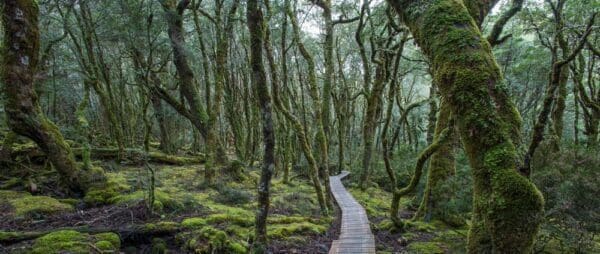
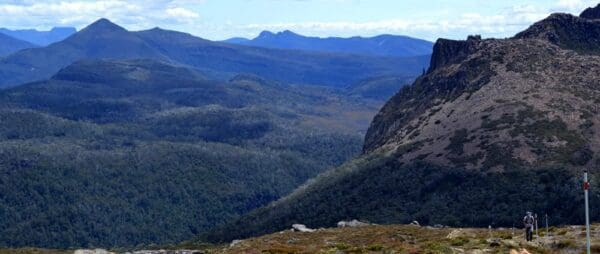
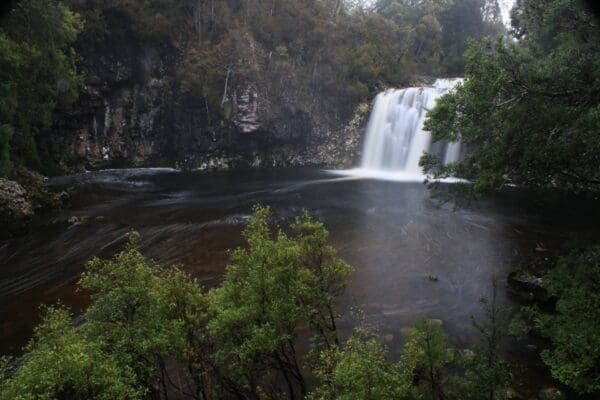
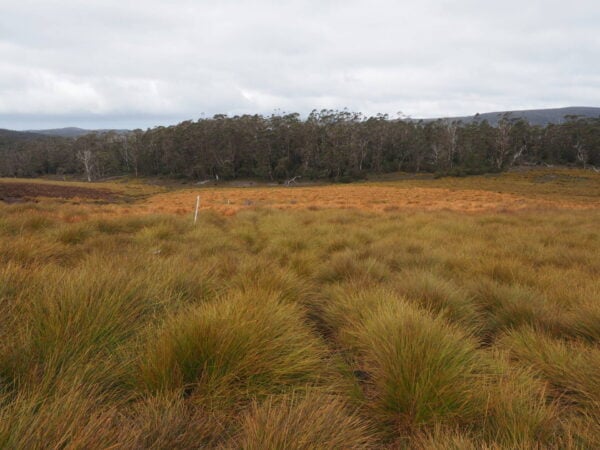
Cradle Mountain-Lake St Clair National Park sits in the heart of the Tasmanian Wilderness World Heritage Area, with two main access points at Cradle Mountain in the north and Lake St Clair in the south. It protects a big sweep of central Tasmanian high country shaped by ice over the past two million years, where ancient rainforest, buttongrass moorland, deep river valleys, tarns and alpine slopes all sit within the same broad landscape.
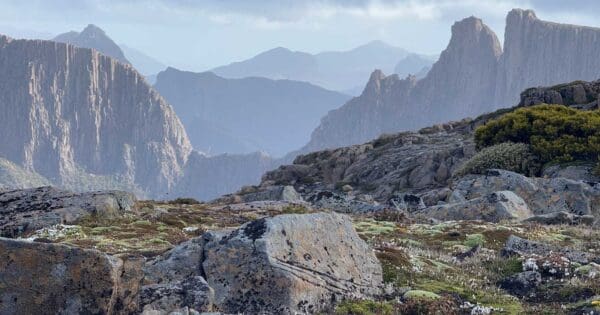
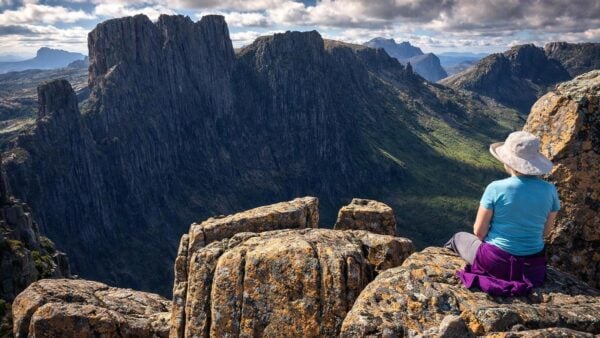
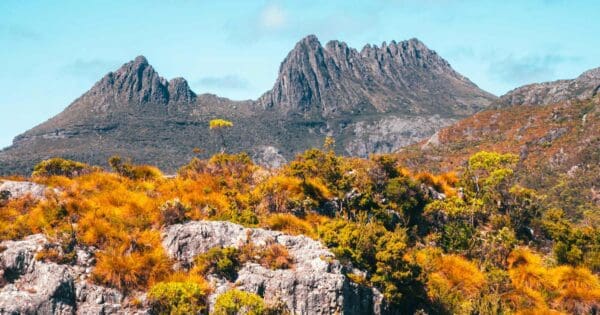
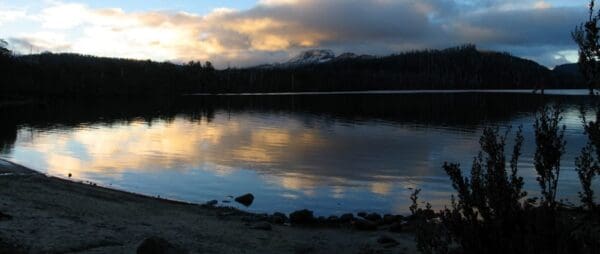
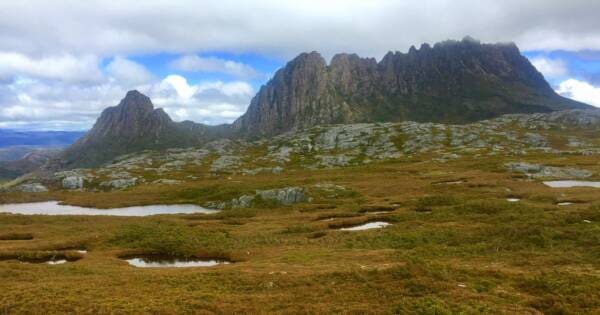
The park’s scale is part of what makes it memorable. Around Cradle Mountain, jagged dolerite peaks rise above glacial lakes and tarns. Further south, Lake St Clair fills a basin carved by glaciers and reaches a maximum depth of 167 metres, making it Australia’s deepest freshwater lake.
Highlights
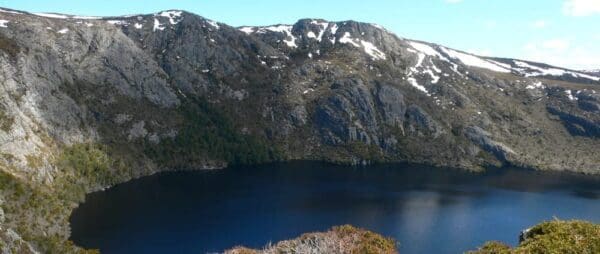
The defining scenery here comes from glaciation and height. Cradle Mountain is the park’s best-known landform, with its sharp dolerite outline reflected in lakes such as Dove Lake, while the wider region is marked by cirques, tarns, deep valleys and river gorges left behind by successive ice ages.
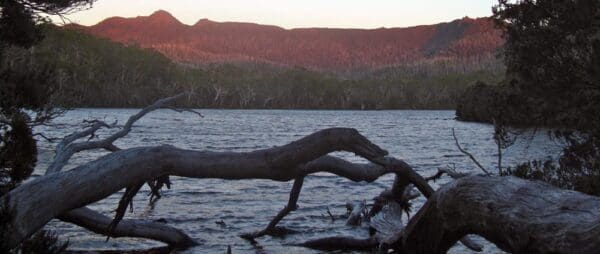
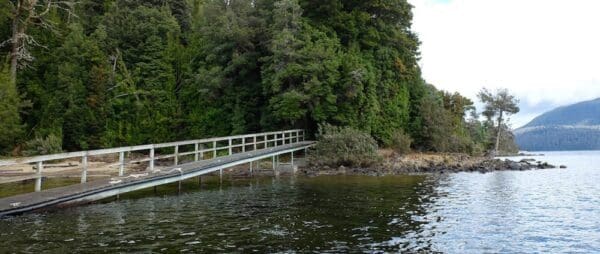
At the southern end, Lake St Clair brings a different mood to the same landscape story. Dense forest edges the water, high mountains rise behind it, and long moraines trace the movement of former glaciers. Taken together, the park feels less like one single scene and more like a chain of linked alpine and glacial landscapes spread across Tasmania’s interior.
Best Time to Visit
This is very much a park of changing seasons. Autumn is especially distinctive around Cradle Mountain, when Tasmania’s deciduous fagus turns the slopes bright yellow, orange and red. Spring brings wildflowers and more active wildlife, while winter often transforms the higher country with snow and a much starker alpine character.
Summer is generally the easiest time to appreciate the contrast between open moorland, rainforest and clear glacial lakes, but there is no single season that defines the place. Conditions and colours shift noticeably through the year, which is part of the appeal.
Plants and Animals
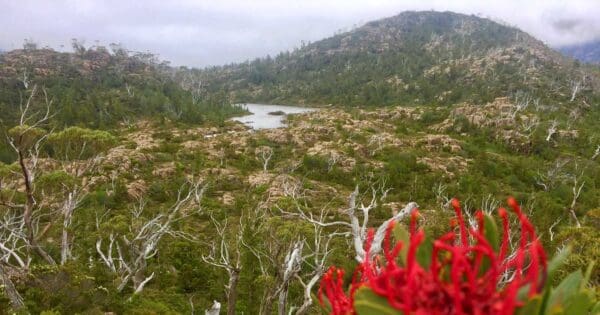
The park holds a striking mix of vegetation communities, from cool temperate rainforest to alpine moorland. Among its most characteristic plants are ancient Gondwanan conifers such as King Billy pine, pencil pine and celery-top pine, along with pandani and Tasmania’s deciduous beech, or fagus.
Wildlife is one of the park’s strengths as well, especially because so many different habitats sit close together. Tasmanian devils, spotted-tailed quolls and eastern quolls all occur here, along with wombats, platypus and echidnas. Around Lake St Clair, Bennett’s wallabies and pademelons are commonly seen, adding to the sense that this is a park where animals are part of the landscape rather than an occasional sighting.
Culture and Heritage
Tasmanian Aboriginal people have lived within the Cradle Mountain area for more than 35,000 years. This is a rich cultural landscape with living sites that show continuing human occupation at high southern latitudes during the last ice age, and the broader World Heritage landscape also reflects a long history of Aboriginal burning that helped shape buttongrass moorlands.
The park also carries an important conservation history. Gustav Weindorfer’s campaign to protect Cradle Mountain helped secure the area’s reservation in the early twentieth century, and his vision of a national park preserved for the future still sits close to the identity of the place today.