Where Tasmania Opens Out into Lakes, Mountains and the Southern Coast
Overview
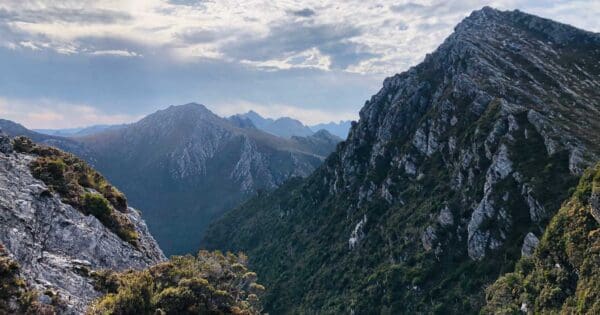
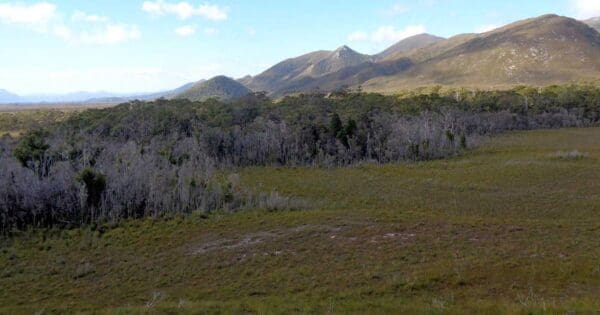
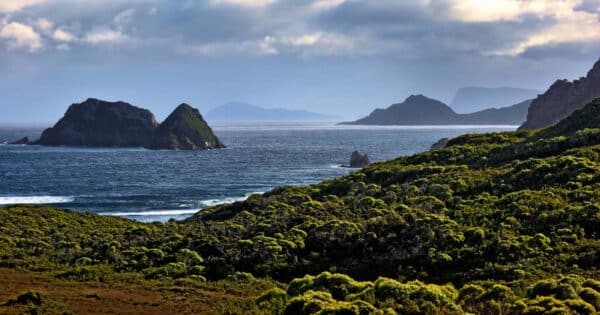
Southwest National Park covers a huge remote section of south-west Tasmania within the Tasmanian Wilderness World Heritage Area. It is Tasmania’s largest reserve, with a landscape that shifts between mountain ranges, long stretches of buttongrass plain, dense forest, deep harbours, windswept beaches and the broad waters of Lake Pedder and Lake Gordon.
This is one of the most untracked parts of the state, and that sense of scale is a big part of its character. The Gordon River Road provides the main way into the inland edge of the park, while Cockle Creek marks the far southern road access on the coast.
Highlights
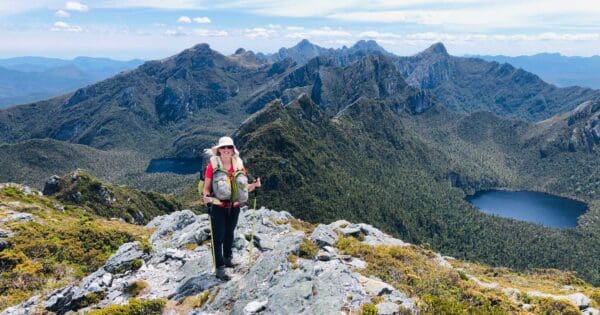
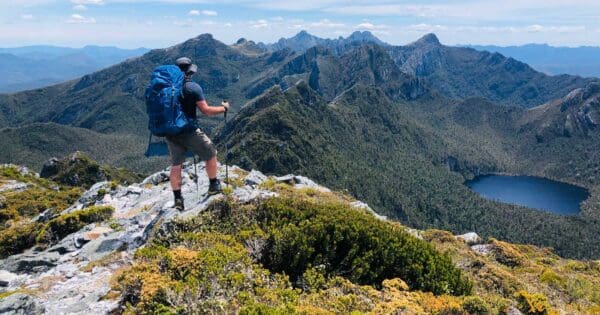
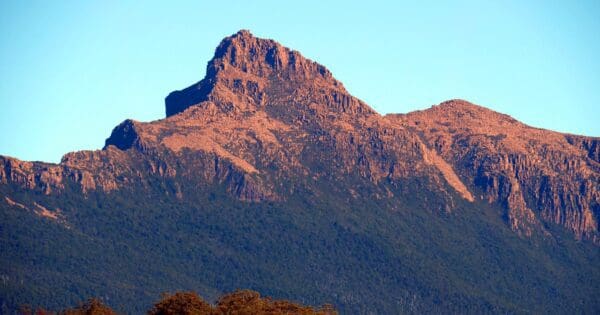
The park’s scenery is defined by contrast. There are rugged mountain systems including the Western Arthurs, the Frankland Range and the country around Mount Anne, set against open plains and big, dark lakes. Around the coast, the character changes again to rocky shores, surf beaches and sheltered inlets such as Port Davey.
Lake Pedder and Lake Gordon give the inland south-west an unusually expansive feel, while the mountain backdrops keep the whole area distinctly wild and rugged. In a single park you get alpine country, forested valleys, broad moorlands and a southern coastline shaped by weather and the Southern Ocean.
Best Time to Visit
Southwest National Park can be visited year-round, but the best time depends on the sort of landscape you want to see. The warmer months from late spring to early autumn are usually the easiest for appreciating the mountains, coast and lake country in longer daylight, while cooler months tend to bring a sharper, moodier feel across the moorlands and ranges.
Because the park spans alpine country, inland lakes and exposed coast, conditions can feel very different from one part of the park to another. Even in summer, it helps to think of this as a place where the seasons are strongly felt rather than a simple fair-weather destination.
Plants and Animals
Southwest National Park protects a mix of plant communities that are central to south-west Tasmania, including buttongrass plains, temperate rainforest and alpine vegetation. Forest sections include Huon pine, sassafras, celery-top pine and myrtle, with the fragrance and density of these wet forests giving some parts of the park a completely different feel from the open moorlands nearby.
The variety of habitats supports distinctive wildlife as well. One especially important area lies around Melaleuca and Cox Bight, which is managed in part for the critically endangered orange-bellied parrot. Across the broader south-west, the park’s combination of coast, plains, forest and mountain country also makes room for a wide range of native species adapted to remote, cool-temperate environments.
Culture and Heritage
Southwest National Park sits within a broader Aboriginal cultural landscape that has been lived in, used and shaped by Tasmanian Aboriginal people for at least 35,000 years. In this part of the south-west, that connection is tied to coastal country, freshwater valleys, buttongrass plains and alpine areas, and it remains visible in both cultural sites and the wider landscape.
The wider World Heritage area that includes the park contains many Aboriginal heritage places, including rock shelters, rock markings and shell middens. Cultural knowledge is also connected to particular places in the south-west, including Louisa Bay and Cox Bight.