Victoria’s high country on its biggest scale
Overview
Alpine National Park covers a huge sweep of Victoria’s north-east, linking high peaks, broad alpine plains, deep river valleys and long stretches of forest. It sits within the wider Victorian Alps and includes some of the state’s most elevated country, from snow gum woodland and open high plains to mountain ash forests and the drier rainshadow country around the Snowy River. The result is a park that feels big in every sense, with landscapes that change markedly from one side of the park to the other.
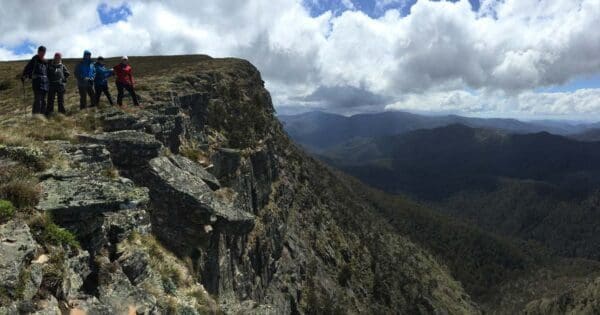
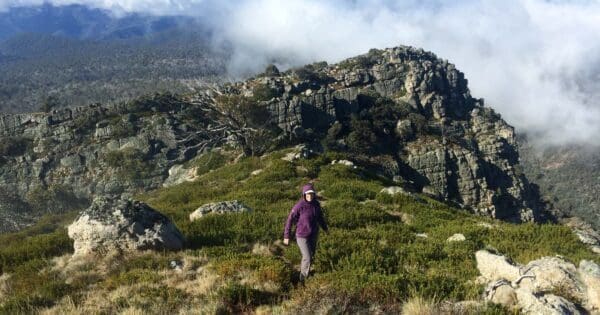
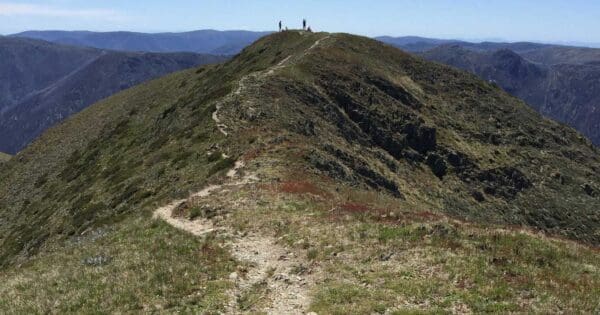
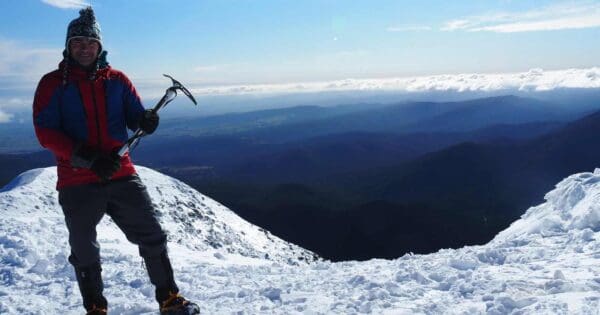
For walkers, what stands out is the sense of range. This is the country of Mount Bogong, Victoria’s highest peak, and Mount Feathertop, with the narrow Razorback leading towards its summit. Elsewhere, the park extends across high tablelands, remote river country and protected natural areas where the landscape is left largely to its own processes.
Highlights
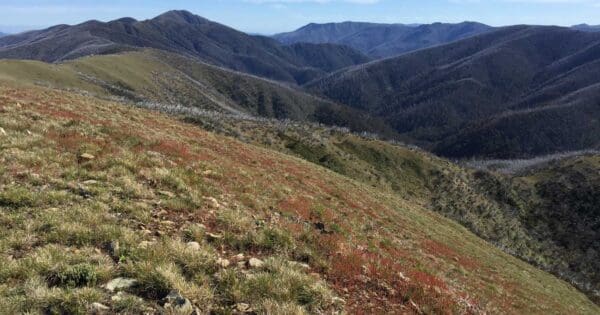
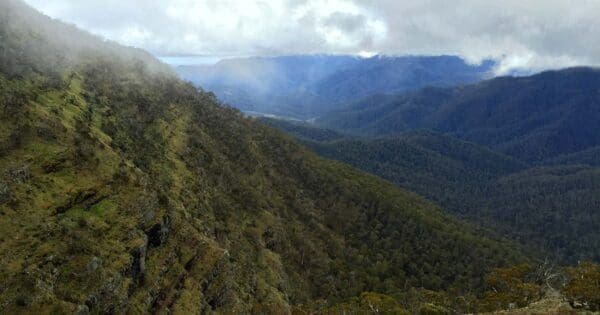
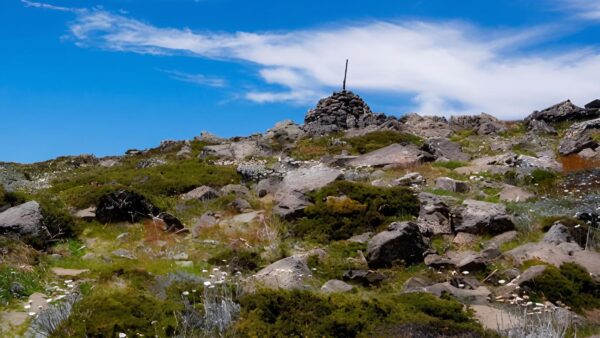
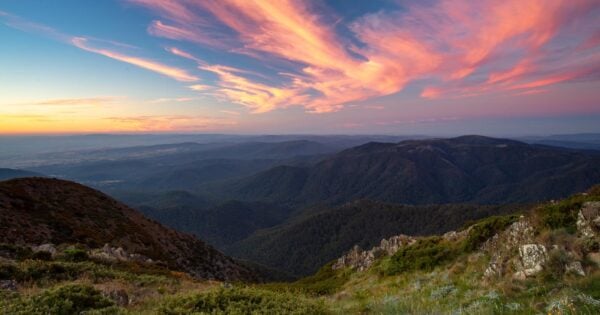
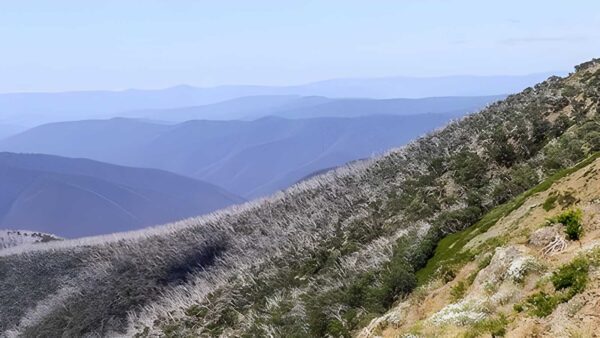
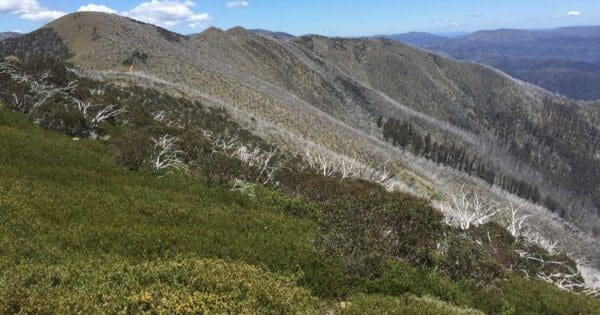
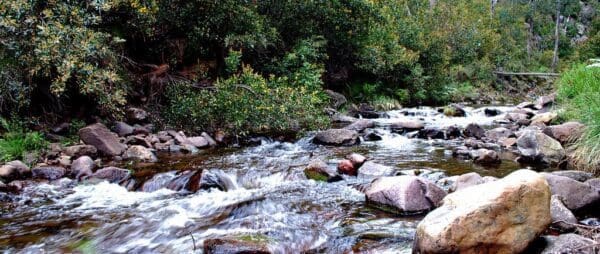
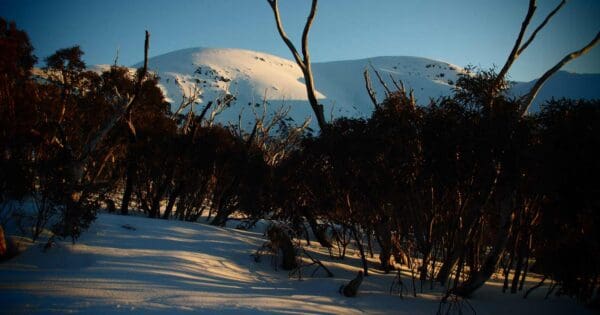
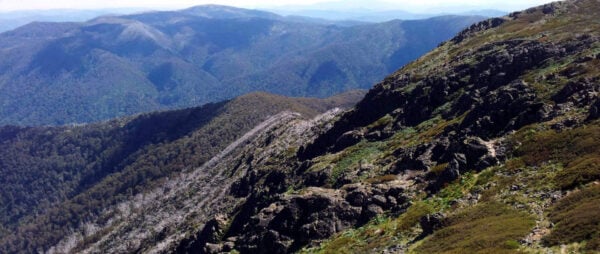
The scenery here is shaped by contrast. On the high country ridges and plains, the land opens out into treeless alpine and subalpine vegetation, snow gum woodland and long views across the ranges. In other parts of the park, the country drops away into enclosed valleys, forested slopes and river systems that give the landscape a much rougher, more folded feel.
Mount Bogong and Mount Feathertop are the names most people know, but the appeal of the park is broader than any one summit. The Bogong High Plains bring a wide, open alpine character, while areas such as the Wonnangatta country and the Snowy River side of the park add depth, scale and a stronger sense of remoteness. Several wilderness zones and reference areas help protect that less altered character across large sections of the park.
Best Time to Visit
The warmer months are usually the best time to appreciate the park’s breadth and variety on foot, especially from late spring through autumn when the high country is more accessible and the alpine and subalpine landscapes are easier to experience in full. Summer and early autumn tend to suit longer days in the mountains, while late spring often brings a fresher, greener look across the plains and snow gum country.
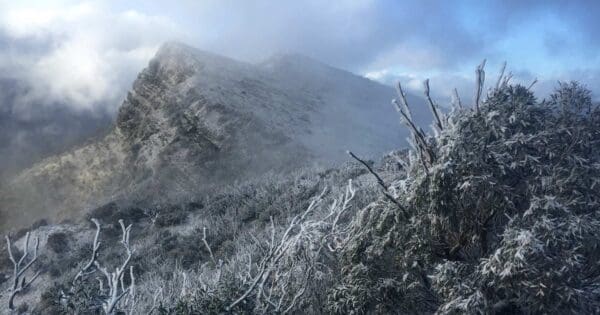
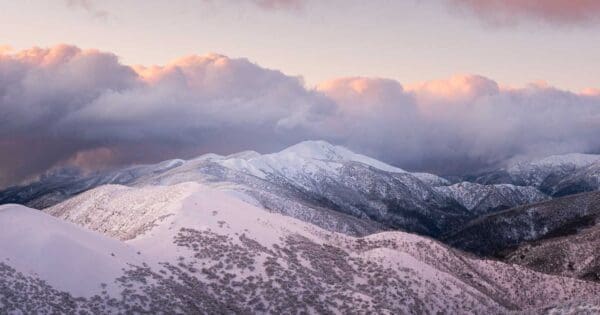
Winter gives the park a very different character. Snow regularly settles across the Victorian Alps, especially on the higher ground, and the upper parts of the park shift from open walking country to a cold alpine environment. If you are choosing a season for hiking rather than snow-based travel, the milder months are generally the more straightforward option.
Plants and Animals
This park protects an exceptional spread of alpine and high country habitats. Vegetation ranges from mountain ash and alpine ash forests to snow gum woodland, alpine grasslands, shrublands, heathlands, wetlands, peatlands and snowpatch communities. Many of these plant communities are limited in extent and closely tied to the cold, exposed conditions of the higher elevations.
The animal life is just as distinctive. Around one third of Victoria’s rare and threatened species occur within the wider planning area, including alpine specialists such as the Mountain Pygmy-possum. These habitats are also sensitive and often slow to recover, particularly in places such as sphagnum bogs, alpine peatlands and regenerating alpine ash forest.
Culture and Heritage
Alpine National Park is part of an Aboriginal cultural landscape that includes the traditional Country of the Taungurung and Gunaikurnai peoples. Parts of the park also sit within formal joint management and recognition arrangements, reflecting the continuing connection of Traditional Owners to this alpine country.
European history is also etched into the park through old huts, former grazing country and places associated with mining and high country travel. In parts of the park, especially around places such as the Wonnangatta Valley, those historic layers remain a visible part of the landscape.