Dinner carries a lot of expectation on an overnight hike. It is the meal people imagine while climbing the final hill, setting up camp in rain or walking the last few kilometres with tired legs. A good dinner restores energy, contributes protein for recovery, replaces some of the salt lost through sweat and provides the comfort of hot food when the temperature falls.
A poor dinner can be too small, too slow to cook, difficult to rehydrate or unappealing after a long day. The most useful hiking dinners are not necessarily elaborate. They match the trip, the available water, the stove, the weather and the appetite of the person carrying them.
What makes a good hiking dinner?
A hiking dinner needs enough total energy to contribute meaningfully to recovery. A small packet advertised as a complete meal may look generous in the shop but leave a hungry hiker searching for snacks after the last spoonful. Check the dry weight, energy per serve and number of serves rather than relying on the size of the packet or the photograph on the front.
The meal should provide a useful carbohydrate base, some protein and enough fat to improve energy density and satisfaction. It should also contain flavours and textures that remain appealing when you are tired. Strong seasoning can work well on the trail because appetite and taste may change after hours of exertion, but an excessively salty or spicy meal can be unpleasant when water is limited or the stomach is unsettled.
Cooking time, water use and clean-up are equally important. A meal requiring twenty minutes of simmering may be acceptable on a relaxed overnight walk but inefficient on a long trip with limited fuel. Thick cheese sauces and oily foods can be satisfying, yet they may leave a pot that needs more water to clean. Dinner should be considered as a complete camp task, not just a recipe.
Homemade dehydrated dinners
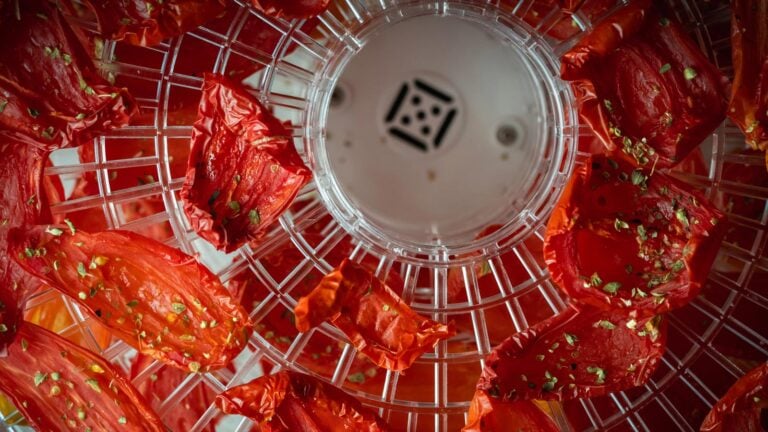
Homemade dehydrated meals give you control over portion size, ingredients, flavour and texture. They also make it easier to prepare food you already know you enjoy. Chilli con carne, shepherd’s bowl, lentil dhal, pasta, minestrone, stew, Pad Thai, teriyaki chicken and rice, sweet and sour chicken and Thai green curry all adapt well when cooked and dehydrated correctly.
The meal should be cooked with dehydration in mind. Use lean meat, keep added oil modest and cut ingredients into small, even pieces. Large chunks dry and rehydrate slowly, while fatty sauces can shorten storage life. Oil, cheese, nuts, coconut powder or nut butter can be carried separately and added at camp.
Test a full portion before the trip. Weigh the meal before and after drying, record how much water restores the preferred consistency and time the rehydration process. That small trial reveals whether the serving is large enough and whether the meal will soften using the stove method you intend to carry.
Commercial freeze-dried meals
Commercial freeze-dried meals are convenient and usually require little more than boiling water and waiting. They can be valuable when preparation time is limited, food safety is a concern or several different dietary preferences must be accommodated within a group.
The trade-offs are cost, packaging, portion uncertainty and variable energy content. A meal described as serving two people may be intended as two modest servings rather than dinner for two hungry hikers. Compare energy per packet rather than per manufacturer-defined serve. Protein content also varies, and the presence of meat in the name does not guarantee a substantial amount.
Check the water requirement and standing time before leaving home. Inadequate water produces crunchy food, while excessive water turns the meal into soup. Stir thoroughly, reaching into the corners of the pouch, then seal it and allow the stated time. In cold weather, insulating the pouch can improve rehydration and prevent the dinner becoming cold before it softens.
Couscous dinners
Couscous is one of the easiest bases for a hiking dinner because it needs only hot water and a short standing time. It can be combined with dehydrated vegetables, chickpeas, lentils, tuna, chicken, nuts, seeds, dried fruit, herbs and powdered sauces.
A Mediterranean version might include couscous, dried tomato, capsicum, onion, herbs, chickpeas and parmesan. Olive oil added after rehydration increases energy and improves texture. A Moroccan-style version can use dried apricot, almonds, chickpeas, cumin and cinnamon, while a savoury version might combine tuna, corn, peas and a powdered cheese or tomato sauce.
Couscous absorbs water quickly, so begin with a measured amount and add more only if needed. Too much water produces a wet meal that is difficult to correct without extra heating.
Pasta dinners
Pasta is familiar, satisfying and easy to pair with a wide range of sauces. Thin pasta and small shapes cook faster than thick tubes and reduce stove-fuel use. Another option is to cook pasta at home, combine it with sauce and dehydrate the completed meal. Pre-cooked dehydrated pasta usually rehydrates faster at camp than dry pasta cooked from the packet.
Tomato-based sauces work particularly well with lean mince, lentils, textured vegetable protein, mushrooms or dehydrated vegetables. Parmesan, olive oil or powdered cheese can be added after heating. Creamy sauces require more care because dairy and fat affect storage, but suitable commercial powders can create a practical sauce when packed and used according to their instructions.
Pasta expands substantially, and a portion that looks small when dry may become a large meal. Test the intended quantity at home rather than estimating from the bag at camp.
Rice and noodle dinners
Ordinary dry rice can consume considerable fuel, particularly if it requires a long simmer. Instant rice, pre-cooked dehydrated rice or rice noodles are more efficient. They pair well with dehydrated chicken, lean mince, vegetables, lentils, textured vegetable protein and powdered curry or sauce ingredients.
Rice noodles make a quick base for Pad Thai, satay noodles, laksa-style soup or a simple combination of soy sauce, peanut butter, chilli and dried vegetables. Instant noodles are convenient but often low in protein and not especially substantial. Adding fish, chicken, textured vegetable protein, powdered egg or nuts makes them more suitable as a dinner.
Seasoning packets can be extremely salty. This may be welcome after a hot day with significant sweat loss, but it should not be treated as evidence that everyone needs the full packet. Adjust flavour to taste and ensure sufficient drinking water is available.
Potato-based dinners
Instant mashed potato is fast, comforting and requires little stove fuel. It can form the base of a shepherd’s bowl with dehydrated mince, lentils, vegetables and gravy, or accompany fish, chicken, cheese or textured vegetable protein.
Powdered milk improves texture and contributes protein, while parmesan or olive oil increases energy. Fried onions, herbs, dried mushrooms and gravy powder can add flavour without much weight. The amount of water should be added gradually because instant potato can move quickly from dry to watery.
Potato meals are particularly appealing in cold conditions, but a bowl of plain mash may not provide enough energy or protein by itself. Treat it as the base and build the rest of the meal around it.
Soups, stews and dhal
Soup can be excellent in cold weather because it combines dinner with fluid and warmth. Minestrone, lentil soup and dehydrated stew also allow vegetables, carbohydrate and protein to be eaten together. The disadvantage is the amount of water required and the time needed to bring a larger volume to temperature.
A thick soup or stew is often more efficient than a thin broth. Red lentil dhal works particularly well because lentils soften readily and the meal can be served with couscous, instant rice or flatbread. Coconut milk powder, nuts or oil can be added at camp for extra energy.
Root vegetables and large pieces of meat rehydrate slowly. Cut them small before drying, cook them until tender and allow enough soaking time. Beginning the soak while setting up camp can reduce the amount of simmering required later.
Fresh first-night dinners
A short overnight hike may allow a fresh first-night meal, provided food safety can be maintained. Firm vegetables, flatbread and suitable shelf-stable ingredients can create a meal that feels different from dehydrated food. Fresh meat, soft dairy products and cooked meals require reliable temperature control and should not be carried simply because they will be eaten that evening.
Some hikers carry a heavy first dinner as a deliberate luxury because it will be consumed early. Bread, firm vegetables, hard cheese under suitable conditions, sealed shelf-stable protein and a small dessert can make the first night memorable without introducing raw meat into the pack.
The extra weight should still be assessed honestly. A meal that is enjoyable at a roadside campsite may become less appealing after being carried up a steep approach in hot weather.
Vegetarian and vegan dinner ideas
Vegetarian hiking dinners can be energy dense, satisfying and easy to dehydrate. Red lentil dhal, bean chilli, pasta with lentil sauce, couscous with chickpeas, noodles with textured vegetable protein and mushroom risotto-style meals all work well.
Vegan meals benefit from deliberate use of fat because legumes and vegetables alone can produce a bulky dinner with modest energy. Olive oil, nuts, seeds, tahini powder, nut butter and coconut milk powder can raise the energy content. Textured vegetable protein and soy-based ingredients add protein without requiring a large volume of beans.
Flavour matters. Smoked paprika, curry powder, chilli, dried herbs, nutritional yeast, soy sauce powder, miso powder and dried mushrooms can create depth without carrying numerous wet condiments. Trial the seasoning at home because dehydration can concentrate some flavours.
Low-fuel dinner ideas
When stove fuel is limited, choose meals that require boiling and soaking rather than prolonged simmering. Couscous, instant mashed potato, rice noodles, instant rice and properly prepared dehydrated meals are strong options. Small ingredients rehydrate more quickly than large pieces, and an insulated pot cosy can retain heat while the meal stands.
Pre-soaking saves fuel. Add safe water to a sealed meal container before reaching camp or while the tent is being pitched, then heat the softened meal. This works only when the food and water can be handled safely and the soaking time is not excessive in warm conditions.
Do not save fuel by undercooking raw meat, beans or other ingredients that require proper cooking. The meal should be designed for the method rather than forced into an unsuitable shortcut.
Low-water dinner ideas
All dry food requires water somewhere in the process. A meal described as lightweight may still create a substantial water demand at camp. In dry areas, this can outweigh some of the advantage of carrying dehydrated food.
Couscous, instant potato and compact pasta or rice dishes can use less water than soup. Meals that absorb the cooking water are more efficient than foods that require boiling and draining. Avoid cooking methods that leave surplus water unless it will be consumed as part of the meal.
Cleaning water also matters. Oily, sticky or burnt meals can require more water than the recipe itself. Adding oil after cooking and using controlled heat can reduce residue.
Increasing the energy in a hiking dinner
A hiker who needs more energy does not always need a much larger volume of food. Olive oil, parmesan, nuts, seeds, nut butter, powdered milk and coconut milk powder can increase energy density. These additions are best measured at home rather than poured freely at camp, where an excessive amount may overwhelm the meal or cause digestive discomfort.
Carbohydrate remains important after a long day because it helps restore glycogen for the next morning. Increasing fat should complement rather than replace the rice, pasta, couscous, noodles or potato that supplies much of the meal’s carbohydrate.
Protein can be raised with dehydrated lean meat, lentils, textured vegetable protein, fish or chicken pouches, powdered dairy or suitable plant powders. The meal should remain something you enjoy eating rather than becoming a collection of nutritional additions.
Planning for appetite
Appetite on the trail is not always predictable. Heat, cold, altitude, dehydration, fatigue and repetitive food can all reduce the desire to eat. A large rich meal may look appealing during planning but feel impossible after the hardest day.
Carry at least one dinner that is mild, familiar and easy to prepare. Instant potato, simple noodles, soup or plain couscous can be easier to tolerate than a strongly spiced curry when someone feels unwell. A small savoury snack before cooking may also restore enough appetite to eat dinner properly.
Texture fatigue is real. Eating soft rehydrated meals night after night can become monotonous, so retain a crunchy element such as nuts, seeds, crackers or fried onions to add after cooking.
Test dinner before the trip
The kitchen is the place to discover that a meal needs twice the water, twenty minutes more cooking or a larger portion. Prepare it using the same stove method, pot and serving size intended for the hike. Let a dehydrated meal cool before packing it, then test it after a realistic period of storage.
Record the dry weight, water quantity, standing time and any additions. Write the instructions directly on the meal bag. At camp, tired hikers should not need to remember whether a packet requires 250 or 450 millilitres of water.
Dinner should make the next day easier
The best hiking dinner is not necessarily the lightest or most nutritionally perfect option. It is a meal that fits the conditions, restores enough energy, contributes protein, uses a realistic amount of water and fuel, and remains appealing when it is finally time to eat.
A collection of dependable dinners creates more value than one impressive recipe that is difficult to prepare. Build a small rotation, test each meal and vary the flavours across longer trips. Dinner then becomes what it should be: a satisfying end to the day and useful preparation for the kilometres still ahead.