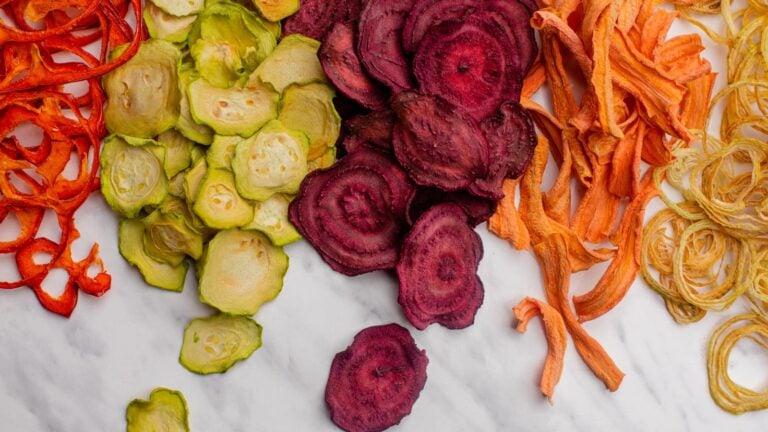
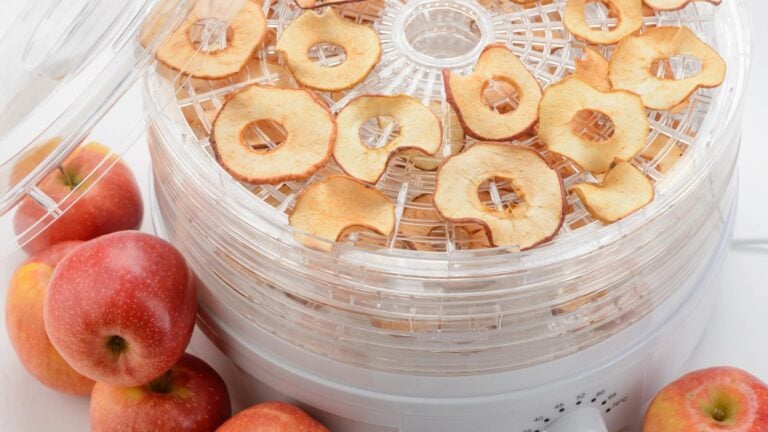
Dehydrating food is one of the most effective ways I know to cut pack weight on multi day hikes. Remove the water before you leave home and you carry only the nutrients and energy you actually need. Add water back on the trail and the food returns close to its original form, at a fraction of the carried weight.
That said, I don’t treat dehydration as automatically the right choice for every hike. It’s a planning strategy with real advantages and real constraints, and understanding where it fits lets you use it deliberately rather than out of habit.
Why hikers dehydrate food
Weight reduction
Water is heavy, and removing moisture from food dramatically cuts total carried weight. For multi day trips, that saving compounds across several days of walking. Dehydrated meat and cooked grains typically weigh 60-70% less than fresh; water-dense vegetables and fruit can lose 85-95% of their original weight. Paired with calorie-dense ingredients, dehydration gives you excellent energy-to-weight efficiency, which is really the point of doing it at all.
Portion control
Home dehydration allows precise portioning.
I weigh, bag and label my own dried food by day. It keeps intake honest and stops you accidentally eating into day three’s rations on day one. It also lines up well with dry weight planning models, whether you’re working at 900 grams per day or pushing closer to 500 to 600 grams with high-fat efficiency.
Ingredient control
Dehydrating at home gives you control over:
- Sodium content
- Preservatives
- Dietary restrictions
- Portion size
- Fat composition
For hikers with allergies or specific nutritional needs, that control matters more than the weight saving does.
Cost and control
Over time, home dehydration can work out more economical than buying commercial freeze-dried hiking meals, particularly if you’re preparing for several trips a year. Staple ingredients such as rice, pasta, lentils, vegetables and lean meats dry well in bulk and portion precisely.
Supermarket dried foods such as apricots, mango, sultanas or jerky are typically air-dried or heat-dehydrated rather than freeze-dried. They’re convenient, and on sale they can be comparable in cost, so the decision isn’t always a purely financial one.
For me, the bigger advantage of home dehydration is control. I choose the ingredients, the salt levels, the sugar content and the overall composition of what I’m carrying, whether that’s full evening dishes, individual ingredients, or snack components.
Commercial products, whether freeze-dried meals or packaged dehydrated foods, can run higher in sodium, added sugars or preservatives, mostly to extend shelf life and stabilise flavour.
Drying your own ingredients or complete dishes lets you tailor nutrition to your preferences and tolerance, which matters if you’re sensitive to heavily processed food. It also lets you adjust macronutrient balance deliberately, for example drying lean protein and adding shelf-stable fats at camp to lift caloric density without compromising shelf life.
Cost can influence the decision, but in my experience ingredient transparency and nutritional intent are usually the more compelling reasons hikers choose to dehydrate their own food.
The limitations of dehydrating food
Time investment
Dehydration takes preparation before you leave. Food has to be cooked, dried, tested and stored, so it’s not a last-minute strategy.
Rehydration time
Home-dehydrated food often needs longer rehydration than commercial freeze-dried meals, particularly anything containing meat.
In cold conditions, rehydration can take significantly longer and burn more stove time. To manage that, I use a pot cosy, an insulated sleeve for the cook pot. Once boiling water goes in, the insulated pot keeps softening the food without the stove running, which protects your fuel margin across a multi day trip.
Cold soaking is possible in an emergency, but it needs several hours of lead time and containers you actually trust not to leak.
Water dependence
Dehydrated food reduces carried weight but increases your dependence on water availability, because every gram of moisture you removed has to be replaced before you eat it. On dry routes, this increases your camp water requirement. Dry weight efficiency always has to be weighed against water logistics, and on dry or exposed routes I build that extra demand straight into my water audit.
Fat and spoilage risk
Drying removes water, not fat.
High fat content in home-dehydrated food can lead to rancidity, because domestic dehydrators remove water, not fat. For safety and shelf stability, use the leanest meats possible, such as 95 percent lean beef or chicken breast. My own preference is to dry lean protein and add shelf-stable fats such as olive oil, nut butter or hard cheese at the point of eating. That lifts caloric density while keeping spoilage risk down.
Energy density considerations
Not all dehydrated foods are equally efficient. Drying removes water, but it doesn’t automatically make food calorie dense. Ingredients low in fat may still give a fairly modest energy return per gram.
Adding calorie-dense ingredients such as:
- Nuts
- Seeds
- Olive oil sachets
- Cheese
can significantly lift total energy return without much of a weight penalty.
You do not need to dehydrate everything
Dehydration earns its keep mostly in the dinner category of your planning. Daytime fuel such as nuts, chocolate, dried fruit and commercial snack bars is already weight efficient and needs no rehydration water while you’re moving, which makes it naturally suited to steady intake through the day.
I don’t bother dehydrating everything. Trying to do so just adds unnecessary complexity for little extra benefit. Strategic use at dinner delivers most of the benefit, and dehydration is most powerful when applied selectively to the highest water-content foods rather than used indiscriminately.
Dehydration versus freeze drying
Home dehydration and commercial freeze drying are different processes. Freeze drying removes water through sublimation, creating a porous structure that allows faster rehydration and better texture recovery. That’s why freeze-dried food softens more quickly and often feels closer to fresh food.
Freeze-dried food:
- Rehydrates faster
- Retains texture better
- Costs more
- Requires minimal preparation
Home dehydrated food:
- Requires preparation time
- May rehydrate more slowly
- Offers ingredient control
- Is usually more economical
Both reduce carried weight. Which one you choose comes down to time, budget and how much control you want over the ingredients.
When dehydration makes sense
Dehydrating food is particularly effective when:
- The trip exceeds three or four days
- Pack weight reduction is critical
- You want control over ingredients
- Water is reliably available at camp
- You are comfortable managing rehydration logistics
It’s less critical for short overnight trips, where fresh ingredients are still manageable.
Dehydration is one tool within a broader food planning strategy, not the whole strategy. Used deliberately, it cuts pack weight, sharpens calorie control and supports recovery after high-output days. Used without regard for water availability, fuel consumption or spoilage risk, it just trades one set of constraints for another. It sits within the same Hydration and Fuel thinking that runs through the rest of the Hiking Safety Systems framework, and the question I keep coming back to is whether it’s genuinely supporting energy stability, recovery and good decisions on the trail, not just a lighter pack at the car park.