I’ve had this question come up more than once while hiking.
I’ve arrived at a trailhead later in the morning and noticed a car already there. I walked all day on a route I knew didn’t intersect with any other tracks, without seeing anyone. When I returned around sunset, the same vehicle was still parked there. On overnight walks, I’ve had the same thought when a car was still at the trailhead when I returned and I hadn’t seen its owner anywhere along the route or at camp.
I’ve also come across packs, hiking gear and items of clothing in the bush that looked as though they had simply been discarded. There may have been an innocent explanation, but it made me wonder uneasily whether they could have belonged to someone who was missing or in trouble.
Each time, the question was the same: is this just normal hiking activity, or is it something I should report?
There isn’t a simple answer, which is why I contacted police and search and rescue agencies around Australia and asked what they actually want hikers to do. The responses I received from police in Victoria, South Australia, Tasmania, Western Australia, Queensland, New South Wales and the ACT were broadly consistent on the underlying principles, although the recommended first contact varies. An unattended car or pack on its own tells you very little. What matters is the context, what you have observed, and whether something about the situation genuinely concerns you.
An unattended car or pack can be perfectly normal
Cars are routinely left at trailheads for hours or days. Packs are sometimes left at junctions while hikers complete a summit or side trip. Someone you expected to see on the track may be camping elsewhere, walking off-track or following a route you don’t know about.
South Australia Police advised that an unattended vehicle or backpack at a trailhead does not necessarily mean anyone is in trouble, particularly in areas used for overnight or multi-day walks. They recommended considering how long the property appears to have been unattended, where it is, the weather and terrain, and whether there are other indications that someone may be in difficulty.
Tasmania Police gave similar advice. Senior Constable Callum Herbert from Search and Rescue pointed out that walkers commonly leave packs temporarily while completing summit ascents, side trips or exploring nearby features. He also stressed that there is no simple rule about how long something can be left before it becomes concerning.
The Western Australia Police Force Emergency Operations Unit was equally clear: there is no specific period of time after which an unattended vehicle or backpack automatically becomes a cause for concern. Search and rescue decisions are based on the circumstances and the level of risk.
That is useful guidance because it removes the temptation to invent a rule such as waiting six hours, until sunset or until the following morning.
Look at the circumstances
When something catches your attention, take a moment to consider why.
A vehicle at the start of a well-known five-day walk has a very different context from the same vehicle sitting at the trailhead of a short circuit walk. A pack neatly placed beside a junction leading to a summit is different from one lying well away from the track with equipment scattered around it. Its owner may have continued with a smaller daypack, gone to collect water or stopped to explore near camp. The location and condition of the pack are clues to consider alongside the other circumstances.
Weather also matters. A car that has been sitting for a while may feel more concerning after severe weather has moved through the area than it would on an ordinary day.
The agencies I contacted suggested considering things such as the location, remoteness, terrain, current and recent weather, time of year, how long the item appears to have been there, whether the area is commonly used for overnight trips, and anything else you observed that made the situation seem unusual.
WA Police suggested asking whether what you are seeing is consistent with normal hiking activity, whether equipment appears to have been abandoned unexpectedly, whether there are signs that someone may be injured, lost or in distress, and whether the circumstances fit the expected duration and nature of the activity.
Senior Constable Herbert encouraged hikers not to dismiss their own instincts. If something does not seem right, it is reasonable to seek advice.
You don’t need to know that someone is missing
One reason people may say nothing is that they don’t feel they have enough information. Seeing a car still parked at sunset does not prove anything. Neither does finding a pack beside a track.
Police are not asking hikers to prove that an emergency exists before contacting them.
WA Police told me directly that members of the public do not need proof that something is wrong before reporting a concern. Information from hikers can help police assess the risk, make enquiries and decide whether anything further needs to happen.
This was echoed by Victoria Police Search and Rescue. Senior Sergeant Louis Du Plessis said he would encourage someone to report something that appears out of the ordinary and raises their suspicions, rather than dismissing it simply because they cannot know what has happened.
Tasmania Police explained that they may already have information that you do not. Something that looks insignificant on its own may fit with another report or concern they have already received.
You are not deciding whether a search should begin. You are providing an observation and explaining why it concerned you. Police or park rangers can assess that information and determine what further enquiries are needed.
Who should you contact?
Triple Zero (000) is for an immediate threat to life or a situation requiring urgent assistance.
Victoria Police gave examples including witnessing someone fall, seeing somebody swept away or hearing someone actively calling for help. WA Police referred to calls for help, signs of serious injury, evidence that someone is in immediate danger, or circumstances indicating an active emergency.
For non-emergency concerns, the recommended first contact varies. In Victoria, South Australia, Tasmania, Western Australia and Queensland, you can contact police on 131 444 for non-emergency assistance or contact a local police station. Tasmania Police also suggested contacting Tasmania Parks and Wildlife Service to discuss concerns.
ACT Policing recommends speaking with park rangers first about unattended vehicles or equipment where there is no immediate emergency. Acting Sergeant Neal Griffiths from AFP Search and Rescue explained that rangers can check available park entry and hiking registers, which may establish whether a walker has recorded a trip and when they expect to return. In an emergency, call 000 directly.
For other states and territories, use the contact recommended by the relevant police service.
South Australia Police stressed that there is no requirement to wait 24 hours before reporting concerns about someone’s welfare.
What information should you record?
Provide what you can safely observe. You do not need every detail below to report a concern, and gathering information should never delay a call for urgent assistance.
Queensland Police highlighted the value of an exact location, vehicle registration, descriptions and photographs where possible. Across the responses, police identified these details as useful:
- the exact location, preferably including GPS coordinates where possible
- the trail, campsite or nearest landmark
- the date and time you first saw the vehicle, pack or equipment
- the date and time you last saw it
- the make, model, colour and registration of a vehicle, where readily observable
- a description of any unattended pack, equipment or campsite, including its visible condition
- photographs where they can be taken safely and without disturbing anything
- weather conditions
- anything else you saw or heard that contributed to your concern.
ACT Policing also recommended noting the condition of unattended equipment, such as whether it looks clean or weathered from exposure. Describe what you can see without treating its appearance as proof of how long it has been there.
Be clear about what you observed and what you are estimating. Seeing the same vehicle in the morning and again at sunset tells police when you saw it. It does not establish when the owner started walking, when they intended to return or whether the vehicle remained there throughout the day.
NSW Police Rescue added another practical point: if you decide a situation warrants reporting, make the call while you are still at the location, if it is safe and possible. Sergeant Dallas Atkinson, Team Leader of Blue Mountains Police Rescue, explained that police may want to ask further questions about what you can see. Reporting days later can make that assessment harder, because details may be forgotten and you are no longer there to clarify an observation.
Explain what concerned you and share the details you have. Notes can help you recall a registration number or location, but an incomplete report can still be useful.
Don’t start investigating yourself
Finding something unusual can create a strong urge to find out what happened. That does not mean you should start searching through belongings, entering vehicles or heading off into the bush looking for the owner.
ACT Policing suggested asking nearby hikers whether they know who a pack belongs to and noticing whether people are exploring nearby. A brief conversation may help explain what you have found. It is not something you need to do before reporting a concern, and it should not delay an emergency call.
South Australia Police advised hikers not to put themselves at risk trying to investigate or conduct their own search.
Victoria Police was more specific. Senior Sergeant Du Plessis said a witness should not search through a pack or vehicle unless specifically asked to do so by a police officer, because doing so could destroy evidence or useful clues.
WA Police gave similar advice and said unattended backpacks, tents, vehicles and equipment should generally be left as they are. Moving or disturbing things can make it more difficult for authorities to establish what has happened later. Queensland Police likewise advised leaving personal property undisturbed and contacting police if enquiries seem warranted.
Tasmania Police allowed for the fact that unusual circumstances can arise but still advised that searching someone else’s belongings should generally be a last resort and that seeking advice is preferable.
If you are concerned, record what you can safely observe, make the call and follow the advice you are given.
Why a trip plan in the vehicle can matter
The discussion also reinforced something I have advocated for a long time: leave a detailed trip plan with someone you trust and keep another copy out of sight inside your vehicle.
Victoria Police Search and Rescue told me that discreetly leaving a copy of your planned trip inside the vehicle can be greatly beneficial if something goes wrong. Senior Sergeant Du Plessis recommended including details such as the number of people in the group, contingency plans and an emergency contact who is not part of the hiking party.
WA Police also described a trip plan as extremely valuable and recommended including the planned route, possible alternate routes, intended campsites, expected return time, vehicle details, participant names and emergency contacts. They also stressed the importance of leaving a copy with a trusted friend or family member who can raise the alarm if you do not return.
Those two copies serve slightly different purposes. Leaving a plan with a trusted contact gives someone the information needed to recognise that you are overdue and alert police. The copy hidden in the vehicle becomes useful if the unattended vehicle itself is what first attracts attention.
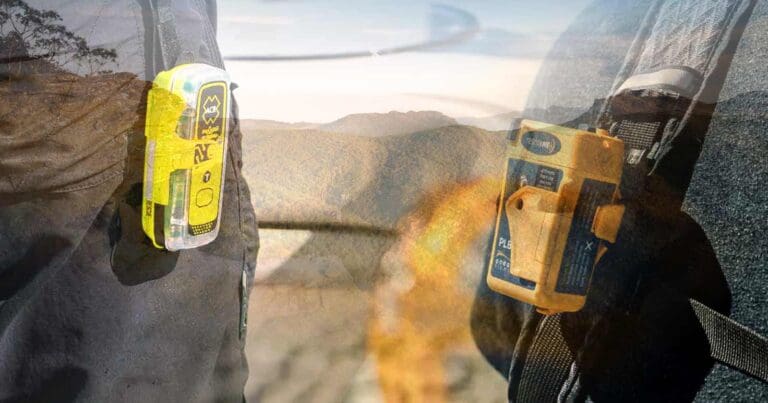
Tasmania Police also pointed to trailhead logbooks where they are available and to accurate personal locator beacon (PLB) registration with the Australian Maritime Safety Authority. Keep your registration and emergency contact details current, and add the details of your trip. Information recorded against a registered beacon may be accessed during a search. It can help emergency services identify you and, if you have added current trip details, understand your intended route and plans.
You don’t have to make the perfect call
After receiving these responses, my impression is that the safest approach is fairly straightforward.
Pay attention to what is around you. Consider whether what you are seeing fits the place, conditions and type of activity. If something still feels unusual and you have a genuine concern for someone’s welfare, pass that information on.
Senior Constable Herbert from Tasmania Police put it well when he said hikers should not worry about making the perfect judgement call. Police and other authorities can consider what you have seen alongside information that may not be available to you and decide whether anything further needs to happen.
That is probably the part I will remember next time I return to a trailhead at sunset and find the same car I noticed that morning or come across a pack or piece of gear that looks out of place. I may still decide there is a perfectly ordinary explanation. If I remain concerned after considering the circumstances, I now know it is reasonable to say something and let the relevant authorities take it from there.
For practical advice on protecting your own belongings at trailheads, campsites and on side trips, read How to Keep Your Gear and Vehicle Secure While Hiking. It covers reducing theft risk while keeping essential safety equipment with you.
Acknowledgements
I’m grateful to the police and search and rescue personnel around Australia who contributed advice to this article, including Senior Sergeant Louis Du Plessis from Victoria Police Search and Rescue, Senior Constable Callum Herbert from Tasmania Police Search and Rescue, Acting Sergeant Neal Griffiths from AFP Search and Rescue, Sergeant Dallas Atkinson from Blue Mountains Police Rescue, and members of the Western Australia Police Force Emergency Operations Unit.
I also thank the South Australia Police Media Unit, Queensland Police Service, and the media and communications staff who helped coordinate responses from their respective agencies. Particular thanks to Susan Usher from Western Australia Police for the considerable work she put into coordinating the WA response.



I commonly stash packs when I have an overnight pack on and carry a small day pack. I think its important to place it in a way that seems intentional. When out for a long day or overnighter I also usually place a paper copy of my plan on my car dash (but not the date or time I intend to return for safety reasons) so emergency services have that as a guide of where to go.
Stephanie Beehag yes, exactly. Making it obvious that a pack has been left intentionally can provide useful context. I tend to keep the detailed trip plan out of sight inside the vehicle, but having that information available can be really valuable if the vehicle itself is what first raises concern.