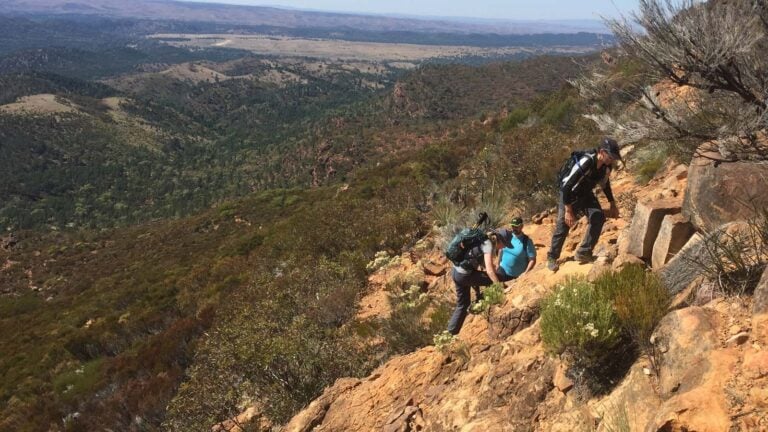
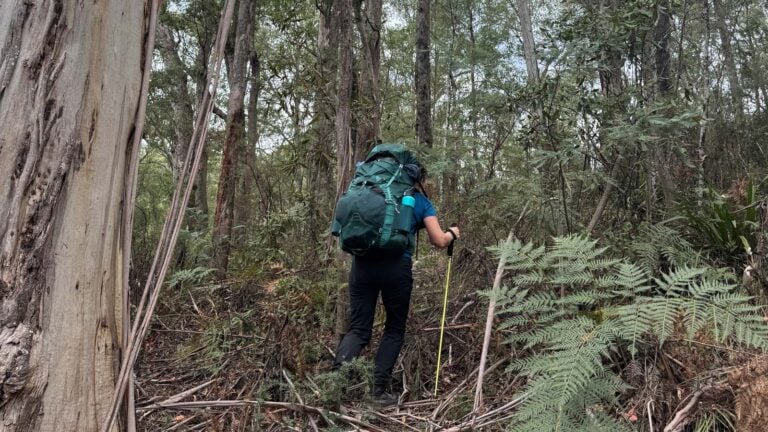
On a lot of hikes through steep country, the day starts with a climb. Spurs rise straight out of a valley, gaining height quickly with no real break in the gradient. Early on, the effort feels controlled, pace steady, breaks short, progress easy to track against the map. The climb reads as the main challenge of the day, the thing to get through before the rest of the route opens up. At the base, that framing feels accurate. Once the elevation’s gained, the natural assumption is that the hardest part is now behind you.
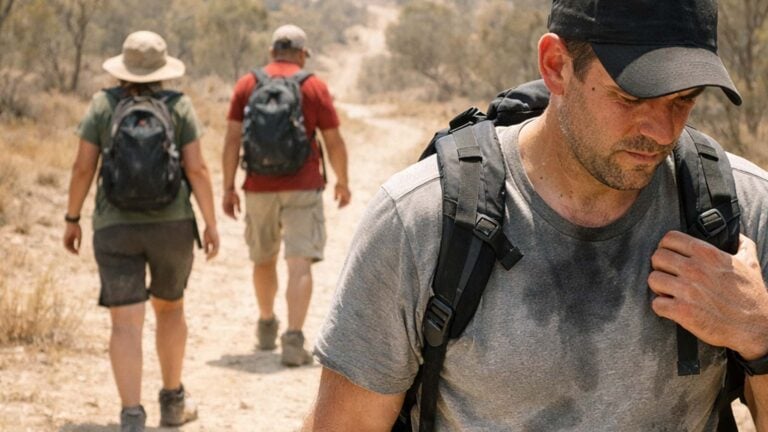
Long spur ascents rarely stay that contained though. The shift is gradual: slightly longer pauses, a slow rise in effort that doesn’t always register in the moment. What feels like steady, controlled progress early in the climb can build into a level of fatigue that quietly changes how the rest of the day plays out. The climb isn’t just a physical task to tick off. It changes the condition everything afterward depends on.
As elevation increases, so does the cost of every step. The pack feels heavier, heart rate climbs, and maintaining the same pace takes more out of you the higher you get, even when the pace itself hasn’t changed. Time shifts too, not through any single delay but through the cumulative effect of sustained effort. Short pauses stretch out. Route-finding around an obstacle eats a few extra minutes here and there. The pace that felt sustainable at the base gets harder to hold higher on the slope. None of this is dramatic in the moment, which is exactly why it tends to go unaddressed until later in the day, once it’s already accumulated into something real.
Someone once described a day to me that shows this clearly. A group of three had committed to a long spur ascent as the first stage of their route: climb to the ridge, follow it across to a secondary peak, then descend a different spur before dusk. The climb took longer than they’d planned, not from anything going wrong, the terrain was simply steeper and more demanding than the map had suggested. By the time they reached the ridgeline, they were already behind schedule and more fatigued than they’d expected to be.
At that point, the plan still felt entirely achievable. Continuing along the ridge seemed reasonable, the remaining distance looked manageable, and the descent was still hours off. Turning back didn’t feel necessary, since the hardest part, the climb, was already done. What had actually changed wasn’t the plan. It was the condition of the people carrying it out.
That’s where decision debt starts to build. It’s not one moment, it’s the accumulation of earlier choices quietly narrowing what’s actually available later. The energy spent climbing, the time it took to reach the ridge, the growing gap from the original schedule, all of it carries forward into the next stage rather than resetting once the climb is done. That cost has already been absorbed. It just becomes visible later, once there’s less room left to spend it on anything new.
Fatigue from the climb slows the pace along the ridge. Breaks run longer. Attention narrows. The descent, planned as a controlled final stage of the day, now sits later than expected, and descending is a genuinely different kind of effort: balance, foot placement, constant attention to the ground, reaction time all matter more going down than they did on the way up. A small slip is far more likely with fatigue already in the legs, and a descent that would have been straightforward earlier in the day gets noticeably harder once it’s being attempted on tired legs and less daylight than planned.
None of the individual decisions in that sequence look wrong on their own. Continuing after reaching the ridge feels logical. The remaining distance still looks manageable, and the destination hasn’t changed. The problem is that every one of those decisions is being made by people whose actual capacity has already shifted because of the climb, even though nothing about the decision-making itself looks any different from how it would look fresh. Energy spent ascending reduces what’s left for the descent. A delayed schedule adds time pressure, and time pressure pushes pace up. Faster movement on a descent raises the odds of a misstep, and fatigue makes it harder to notice and correct for that in time. Small errors matter more than they would have earlier in the day, because there’s simply less capacity left to absorb them.
This matters because spur ascents get treated as the main event, and once they’re done there’s a natural tendency to treat everything after as the easier part. In practice, the climb is often what actually determines the condition the rest of the hike gets attempted in. That’s why problems so often show up later in the day, well after the obvious obstacle is behind you. The climb doesn’t just cost energy in the moment. It reshapes the time, attention and capacity available for everything that comes after it.
The climb doesn’t really end at the ridgeline. It carries forward as reduced energy, a tighter schedule, and fewer good options for whatever decisions come next.
This essay is part of the Human Factors in Hiking series, exploring behaviour, awareness and decision-making on the trail. Explore the series →