Food poisoning is unpleasant anywhere. On a remote hike it can become a serious problem, particularly when vomiting or diarrhoea causes fluid loss, weakness and an inability to continue. The person affected may be hours or days from road access, while the rest of the group must manage the illness with limited water, shelter and communications.
Most hiking food is selected for durability, but shelf stability should never be assumed. Some foods remain safe for days without refrigeration, while others require careful temperature control from the moment they leave the fridge. Preparation, transport, hand hygiene, cooking, water quality and the handling of leftovers all influence risk.
Food safety begins before the hike
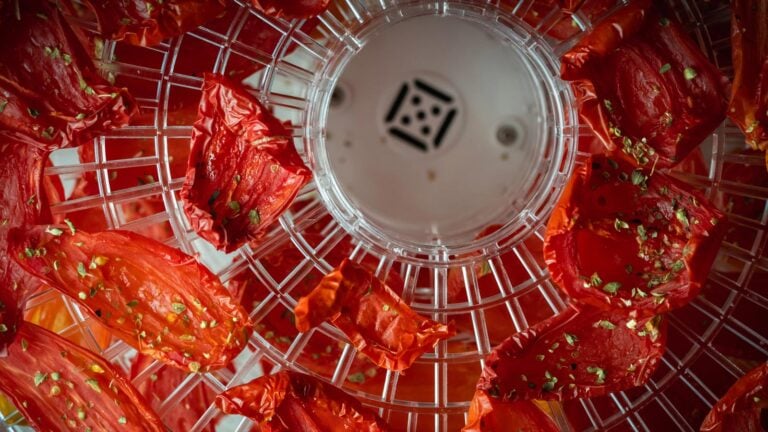
The safest backcountry meal is one designed for backcountry conditions. Dry grains, commercially packaged shelf-stable foods, properly dehydrated meals, whole fruit, nuts, seeds, unopened retort pouches and tinned food can generally tolerate transport better than fresh meat, soft dairy products, cooked rice or prepared salads.
This does not mean commercially packaged food is automatically suitable for any trip. Check storage instructions, use-by dates and what must happen after opening. A product that is shelf stable while sealed may require refrigeration once opened. On the trail, this usually means consuming the entire package immediately rather than saving half for the following day.
Julie and I learnt this lesson when preparing for a six-day traverse of Tasmania’s Western Arthur Range. We bought a large piece of cured ham from a deli, where it had been hanging outside the refrigerator, and assumed it would be suitable for the trip. When we opened it for lunch on the first day, it was already covered in mould. We had enough reserve food to continue without it, but we still had to carry the useless piece of meat for the remainder of the traverse so it could be disposed of properly afterwards.
The experience was a useful reminder that seeing a product displayed without refrigeration does not tell you how it has been cured, packaged or stored, or how it will respond once cut and carried in a warm pack. It also reinforced the value of having enough spare food to discard something questionable rather than feeling pressured to eat it.
Before departure, inspect packaging for damage, swelling, leaks or broken seals. Repack dry food into durable portions where appropriate, but retain cooking instructions, allergen information and identifying labels if anyone in the group may need them. Mystery powders and unlabelled meal bags create avoidable problems, especially when people have allergies or dietary restrictions.
Potentially hazardous food
Potentially hazardous foods allow harmful microorganisms to grow if temperature and time are not controlled. They commonly include raw and cooked meat, poultry, seafood, dairy products, eggs, cooked rice and pasta, prepared meals and some cut or processed foods. Moisture, available nutrients and a suitable temperature create the conditions in which bacteria can multiply.
Dry crackers, uncooked grains and properly dried food behave differently because their low moisture limits bacterial growth. Once water is added, however, the situation changes. A rehydrated meal should be treated as cooked food, eaten promptly and not left warm for hours or packed away for the next day.
The temperature danger zone
Food Standards Australia New Zealand identifies 5°C to 60°C as the temperature range in which microorganisms can multiply quickly in potentially hazardous food. The two-hour and four-hour rule counts the total time food spends within this range, including preparation, transport and serving. Food held in the danger zone for less than two hours may be used or returned to refrigeration. Between two and four hours, it should be eaten immediately and not refrigerated again. After more than four cumulative hours, it should be discarded.
This rule exposes the weakness in the idea of carrying raw meat because it will be cooked on the first night. The clock does not begin when camp is reached. It begins when the food warms above safe refrigeration temperature, which may occur during packing, driving, walking and breaks. A frozen steak placed in the centre of a cold insulated pack may remain cold for some time, but without effective insulation and a way to confirm temperature, appearance alone does not establish safety.
Raw meat on the first day
Fresh meat can be used on a car-based trip when a reliable cold chain is maintained. It is much harder to justify in a backpack on a warm day. Freezing meat before departure delays warming but does not turn it into a shelf-stable product. The surrounding air temperature, insulation, size of the portion and time in transit all affect how quickly it enters the danger zone.
For an overnight hike, shelf-stable alternatives are usually simpler and safer. These include commercially sealed fish or chicken pouches, properly dehydrated lean meat, jerky, dried legumes and textured vegetable protein. Fresh meat should not be packed merely because it is intended for the first dinner. It should be packed only when it can genuinely be kept at 5°C or colder until cooking.
Raw meat must also be isolated from ready-to-eat food. A leaking package can contaminate wraps, snacks, hands, utensils and the inside of the food bag. Double containment reduces leakage risk but does not replace temperature control.
Cook food thoroughly
Cooking reduces risk only when the centre of the food reaches a safe temperature. FSANZ recommends at least 75°C in the centre for poultry, minced or rolled meat, sausages, hamburgers and offal. Whole cuts of meat have different considerations because contamination is generally concentrated on the surface, but careful handling and thorough cooking remain important in a camp environment.
A food thermometer is practical for car camping but less common on a lightweight hike. Without one, avoid thick portions that are difficult to heat evenly. Cut food into smaller pieces, cook it through and check the centre. Do not partially cook meat at home with the intention of finishing it later. Partial cooking may allow surviving organisms to multiply during storage.
Reheating is not a universal reset button. Some bacteria produce toxins that are not reliably destroyed by normal reheating. Preventing growth through correct cooling and storage is safer than relying on the stove to rescue food that has been mishandled.
Cooked rice, pasta and starchy meals
Rice and pasta are often regarded as harmless because they contain no meat. Once cooked, they can support the growth of Bacillus cereus, a bacterium whose spores may survive cooking. Cooked rice, pasta and mixed starchy dishes should be cooled promptly, refrigerated and kept cold until they are dehydrated or eaten. Leaving a pot of cooked rice on the bench for hours before drying is not safe preparation.
FSANZ identifies pre-cooked rice, pasta, cereals and mixed dishes among foods at greater risk from Bacillus cereus. Slow cooling creates an opportunity for surviving spores to grow, and some toxins may remain even after the food is reheated.
When preparing dehydrated meals, spread cooked food into shallow portions and begin cooling promptly. FSANZ commercial guidance uses a two-stage cooling process, from 60°C to 21°C within two hours, then from 21°C to 5°C within a further four hours. Home hikers may not monitor every batch with commercial precision, but the principle remains sound: cool food quickly rather than leaving a large warm pot to drift slowly toward room temperature.
Hand hygiene without a kitchen sink
Dirty hands are one of the easiest ways to contaminate ready-to-eat food. Toilet use, digging catholes, handling rubbish, touching animals, treating blisters and adjusting dirty footwear can all transfer microorganisms. Hands should be cleaned before preparing food and before eating, particularly when several people share food or utensils.
Soap and clean water remain the most reliable approach. Use treated water where the local supply may be contaminated, keep washing activity away from streams and dispose of wastewater responsibly. Dry hands with a clean cloth or allow them to air dry rather than wiping them on dirty trousers.
Alcohol-based hand sanitiser is a useful backup, but it does not remove dirt and is not equally effective against every organism. Healthdirect advises that alcohol-based sanitiser does not kill norovirus and recommends soap and water before eating or handling food.
If water is severely limited, avoid handling food directly. Pour snacks into the hand rather than reaching repeatedly into a shared bag, use clean utensils and select foods that can be eaten from their own packaging. Sanitiser can reduce some risks after visible dirt has been removed, but it should not become an excuse to ignore handwashing for an entire trip.
Preventing cross-contamination
Cross-contamination occurs when microorganisms move from a contaminated item to food that may not receive further cooking. Raw meat is an obvious source, but dirty hands, knives, chopping boards, cloths, water bottles and food bags can also be involved.
Keep raw ingredients separate from ready-to-eat food. Use a dedicated knife or clean it thoroughly before cutting bread, cheese or vegetables. Do not place cooked food back onto the plate or wrapping that held it raw. A cloth used to wipe raw meat juices should not then be used to dry cups or hands.
Group meals require particular care because one person’s hygiene can affect everyone. Establish who is cooking, where clean utensils will be placed and how water will be poured without touching dirty bottle openings to pots or cups. These habits take little time when they are planned, but they are easily neglected when people are tired, cold and hungry.
Water used in meals
Water used for drinking, cold soaking, cleaning teeth and preparing uncooked food should be treated when the source cannot be considered safe. Bringing water briefly to a lukewarm temperature does not provide the same protection as a recognised treatment method.
If a meal will be brought to a proper boil, the cooking process may form part of the treatment, but the rest of the preparation still matters. Water used to rinse utensils, mix a cold drink or rehydrate food that will not be heated must also be safe. Do not allow untreated water on bottle threads or dirty hands to recontaminate treated water.
Filters, chemical treatments, ultraviolet devices and boiling each have limitations. Follow the manufacturer’s instructions and account for water clarity, temperature, contact time and the organisms likely to be present. Your broader water-treatment plan should cover both drinking and food preparation rather than treating cooking water as an afterthought.
Cleaning cookware and utensils
A greasy pot is unpleasant, but visible grease is not the only issue. Food residue can support microorganisms and attract animals. Scrape and eat as much of the meal as practical before cleaning. A small amount of hot water and a dedicated scraper can remove most residue without filling the pot to the rim.
Cleaning and sanitising are different processes. Cleaning removes food and dirt, while sanitising reduces microorganisms. In simple trail cooking, thorough cleaning followed by heat from the next boiling meal may be sufficient for ordinary low-risk use. Equipment that has contacted raw meat requires more deliberate cleaning and should not be casually wiped before touching ready-to-eat food.
Do not wash pots directly in a creek or lake. Collect water and clean away from the source, then dispose of strained wastewater according to local environmental guidance. Food scraps left in water or scattered around camp attract animals and degrade the site.
Coolers and car-accessible camping
An esky makes fresh food possible, but only if it maintains a safe temperature. Pre-chill the esky and its contents, use enough ice or frozen blocks, keep raw meat sealed at the bottom and minimise the time the lid remains open. Drinks may be better stored separately so frequent access does not warm the food compartment.
A small thermometer removes guesswork. Food that feels cool to the hand may still be well above 5°C. Drain management depends on the cooler design and the food packaging, but melting ice should never be allowed to enter poorly sealed meat or prepared food.
Plan meals so the most perishable foods are used first. Do not rely on yesterday’s ice supply lasting through unexpectedly hot conditions. When cold control has been lost and the cumulative time is uncertain, discarding the food is safer than making an optimistic judgement.
Leftovers at camp
Backcountry meals should be portioned so little remains. Without refrigeration, a half-eaten pot of warm food cannot safely wait until breakfast. Reheating may kill many living bacteria but will not necessarily remove toxins produced while the meal sat warm.
Serve smaller portions initially and allow people to return for more. An unopened dry meal can remain packed, while a rehydrated meal has begun a different food-safety clock. If leftovers cannot be kept safely cold, they should be eaten promptly or discarded responsibly.
Do not bury unwanted food or throw it into vegetation. Pack it out in a sealed waste bag. Burying food does not prevent animals from finding it, and repeated disposal around campsites changes wildlife behaviour.
Sharing food and managing illness
Shared bags of lollies, nuts and trail mix encourage repeated hand contact. Pour food into individual hands or cups rather than allowing everyone to reach inside. Drinking directly from a shared bottle and passing around used cutlery also increases the opportunity for illness to spread.
A person experiencing vomiting or diarrhoea should not prepare food for the group. Healthdirect advises avoiding food preparation for others for at least two days after norovirus symptoms stop. On a hike, that may mean allocating a separate utensil and food supply to the unwell person and increasing attention to handwashing and shared surfaces.
Vomiting and diarrhoea can cause rapid fluid loss. The group may need to reconsider the route, seek medical advice or activate an emergency plan depending on severity, duration, the person’s condition and the remoteness of the location.
Food allergies and dietary restrictions
Food safety also includes preventing allergic reactions. Do not assume a tiny amount of an ingredient is harmless. Shared spoons, cooking water, chopping boards and open packets can transfer allergens between meals. People with serious allergies should carry suitable medication, communicate their needs clearly and retain ingredient labels where possible.
Group meal planning should be completed before departure rather than negotiated at camp. A person should not discover on day three that every remaining dinner contains an ingredient they cannot safely eat. Carrying an individual backup meal is sensible when the consequences of an error are serious.
Do not rely on smell or appearance
Spoiled food may smell sour, appear mouldy or show damaged packaging, and those signs are reason enough to discard it. Their absence does not prove safety. Food can contain harmful microorganisms or toxins without a noticeable change in smell, taste or appearance. FSANZ specifically warns that contamination may not be detectable through the senses.
When the time, temperature or storage history is uncertain, tasting a small amount is not a valid test. Cooking questionable food is also not a dependable solution. The safest decision may be inconvenient, but carrying an emergency food buffer is precisely what makes it possible to discard a suspect meal without leaving the group unfed.
A practical approach to safer trail food
Food safety on a hike does not require turning camp into a commercial kitchen. It requires choosing food suited to the conditions, keeping perishable food genuinely cold, cooling prepared meals promptly, washing hands, preventing cross-contamination and eating cooked food without leaving warm leftovers for later.
The most reliable food plan reduces the number of things that must go perfectly. Shelf-stable ingredients, individual portions, clear labels, simple cooking and an emergency meal create fewer opportunities for error. When refrigeration, clean water or thorough washing will be difficult, the menu should adapt to those limitations rather than pretending they do not exist.