If you’re new to hiking, most of what makes it safer isn’t complicated, it comes down to understanding a handful of core habits and actually preparing before you go. Hiking doesn’t need to be intimidating, but it does reward the people who take preparation seriously, because the same walk is a different experience depending on whether you’ve planned for it properly. Start with smaller hikes, build the habits, and let your confidence grow the same way your experience does: naturally, over time.
Before you leave home
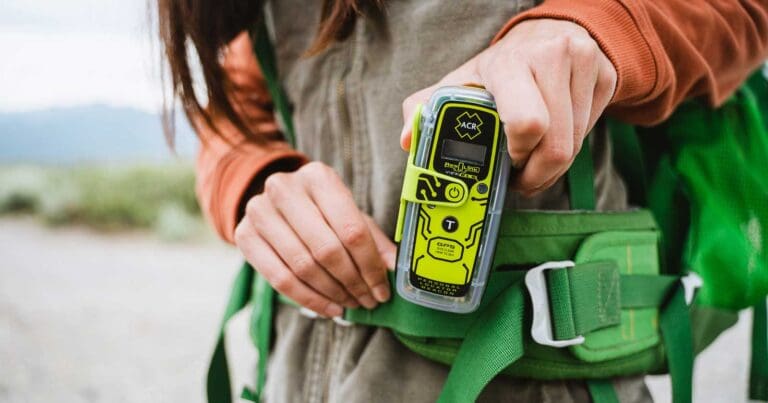
Always carry the Ten Essentials: These critical items ensure preparedness for unexpected situations and changing conditions. That matters on every hike, not just the long or remote ones, because you don’t get to choose in advance which walk turns into the one where something goes wrong.
Before you leave, share your route, direction of travel, exit points, and expected return time with someone you trust, and consider registering your trip intentions for added safety. Leave a copy of your map and emergency contacts with someone reliable too, so there’s more than a verbal description for anyone to work from if you don’t turn up when expected. Always carry photo ID and consider digital backups for emergencies as well, for the same reason: it’s what lets other people identify you and know how to help if you can’t tell them yourself.
Choosing the walk itself matters just as much as any of that planning. Select walks that suit the ability and experience of everyone in your group, and always pace the hike to the slowest person, because a route that’s comfortable for the fittest person in the group can be exactly the route that gets someone else into trouble.
What you pack and wear
Pack your backpack logically so frequently used items are easy to access without unnecessary stops. That’s easier to do with a lighter pack in the first place, so where possible, choose lightweight gear, avoid duplicates, and repackage liquids into smaller containers, all within your budget. What you wear matters just as much as what you carry: replace everyday clothing with moisture-wicking fabrics that dry quickly and remain comfortable throughout the day.
On top of that, use waterproof layers and pack liners to protect both you and your gear, especially in cold conditions where moisture increases the risk of hypothermia. Regularly check and restock your first-aid and safety gear too, so it is always ready when you need it, and make sure that kit includes something as simple as paracetamol for managing discomfort on the trail.
Food and water need the same kind of forward planning. Carry energy-rich snacks such as nuts, dried fruit, or trail mix to maintain steady energy levels, and always pack a small surplus of food in case plans change. Stay hydrated: Carry enough water for the length, conditions and difficulty of your hike, and drink regularly throughout the walk. Thirst is a late signal rather than an early one, by the time you feel it, you may already be a little behind on fluid, so it helps to drink at regular intervals rather than waiting for thirst to prompt you, particularly in hot conditions or during prolonged exertion. Fluid needs still vary considerably with temperature, exertion, body size and individual sweat rate, so there’s no single fixed amount that suits everyone. On longer or warmer hikes, you may need to carry more water and consider electrolytes where substantial sweating is expected.
Use sunscreen and wear a hat even on cool or cloudy days, as UV exposure remains high outdoors regardless of cloud cover, and understand basic navigation skills so you can stay oriented and confident if signage is unclear or conditions change.
How you behave on the trail
How you behave on the trail matters for the place itself and for whoever walks it after you. Minimise your impact on the environment by packing out all waste and respecting natural areas so others can enjoy them too, which carries over into hygiene as well: use wipes or sanitiser before meals and after toileting, and always pack out that waste along with everything else.
Avoid building cairns or adding markers of your own, as these can mislead other hikers who assume a marker means something official. And give wildlife the same distance you’d want from a stranger: Observe animals from a distance and never feed or disturb them.
On longer walks, look after your hands too. Use trekking poles or raise your hands during breaks to reduce swelling that builds up from hours of walking with your arms hanging down.
If something goes wrong
If you do need to step away from the path, for a toilet stop, to check something, whatever the reason, leave your pack behind so others can easily locate you.
Carry purification tablets and understand alternative water treatment methods as well, because a water emergency is exactly the kind of thing that stays manageable if you’ve prepared for it and becomes genuinely dangerous if you haven’t.
Building your skills over time
None of this is a checklist you tick off once. Hiking skill builds the same way any other skill does. Keep learning and regularly practise to build your hiking skills through experience, reading, and education. Plan every hike, because Good planning reduces risk and improves enjoyment by aligning your expectations with the conditions you’ll actually find. And hike responsibly, because responsible behaviour supports your own safety, protects the environment, and improves the experience for everyone.
None of this is complicated on its own, it’s a lot of small habits that add up: preparation, respect for the places you’re walking through, and skills you keep building. Start small, plan carefully, and let your confidence grow the same way your experience does, naturally, over time.